Learning Diaphragmatic Breathing: A Complete Guide
Master deep breathing techniques to reduce stress, improve focus, and enhance overall wellness.
Learning Diaphragmatic Breathing: A Complete Guide to Better Health
Diaphragmatic breathing, also known as deep breathing or belly breathing, is a powerful yet simple technique that can significantly improve both your mental and physical well-being. Unlike shallow chest breathing, which many people resort to during stressful moments, diaphragmatic breathing engages your body’s natural relaxation response and offers numerous health benefits. Whether you’re looking to reduce stress, improve focus, or enhance your overall wellness, understanding and practicing this fundamental breathing technique can be transformative. This comprehensive guide will walk you through everything you need to know about diaphragmatic breathing, from the science behind it to practical exercises you can start today.
Understanding the Basics of Diaphragmatic Breathing
The diaphragm is a large, dome-shaped muscle located beneath your lungs that plays a crucial role in respiration. When you practice diaphragmatic breathing, you’re essentially training your diaphragm to work more efficiently, allowing your lungs to fully expand and contract with each breath. This stands in stark contrast to shallow chest breathing, which restricts the diaphragm’s range of motion and prevents the lower portion of your lungs from receiving adequate oxygenated air. By shifting to diaphragmatic breathing, you’re enabling your body to process oxygen more effectively and trigger a cascade of physiological benefits.
The mechanics of diaphragmatic breathing are straightforward yet powerful. When you inhale deeply through your diaphragm, the muscle contracts and descends into your abdominal cavity, which causes your belly to expand outward. This movement allows your lungs to fill completely with fresh air. Conversely, when you exhale, your diaphragm relaxes and rises back to its neutral position, pushing stale air out of your body. This rhythmic movement, when practiced intentionally, helps regulate your nervous system and promotes a state of calm throughout your body.
The Science Behind Diaphragmatic Breathing
Recent scientific research has demonstrated compelling evidence for the benefits of diaphragmatic breathing across multiple dimensions of health. A peer-reviewed study published in Frontiers in Psychology examined the effects of diaphragmatic breathing on attention, affect, and stress responses in healthy adults. The research involved forty participants who received intensive breathing training over eight weeks, using real-time feedback devices and maintaining an average respiratory rate of approximately four breaths per minute. The results were striking: participants who practiced diaphragmatic breathing showed significant improvements in sustained attention, experienced decreased negative affect, and demonstrated substantially lower cortisol levels—the primary stress hormone in your body.
These findings underscore a fundamental truth: how you breathe directly influences your mental state and physiological responses. When you practice slow, deliberate diaphragmatic breathing, you’re actively signaling to your nervous system that you’re safe, which activates the parasympathetic nervous system and promotes relaxation. This, in turn, reduces cortisol production, lowers heart rate and blood pressure, and enhances cognitive function.
Key Benefits of Diaphragmatic Breathing
The advantages of mastering diaphragmatic breathing extend far beyond simple stress relief. Consider these important benefits:
Mental Health and Cognitive Function: Diaphragmatic breathing significantly improves sustained attention and reduces negative emotions. By training your mind to focus on your breath, you’re strengthening your ability to concentrate and manage difficult thoughts.
Related Stories



Stress Reduction: This breathing technique helps lower cortisol levels, your body’s primary stress hormone. Regular practice can help you maintain a calmer emotional state throughout the day, even during challenging situations.
Improved Heart Health: By reducing your heart rate and blood pressure, diaphragmatic breathing supports cardiovascular wellness. Even a few minutes of practice can create measurable improvements in these vital signs.
Enhanced Oxygenation: Deep breathing ensures that your lungs receive optimal oxygenation, improving oxygen delivery to every cell in your body and boosting overall energy levels and vitality.
Better Sleep Quality: Practicing diaphragmatic breathing before bed can help calm your mind and prepare your body for rest, leading to deeper, more restorative sleep.
Pelvic Floor Health: For those dealing with pelvic floor tension or dysfunction, diaphragmatic breathing is particularly beneficial. The coordinated movement of your diaphragm helps relax and strengthen pelvic floor muscles, potentially reducing symptoms like pelvic pain and urinary incontinence.
How to Practice Diaphragmatic Breathing: Step-by-Step Instructions
Learning diaphragmatic breathing is accessible to everyone, regardless of age or fitness level. Here’s how to get started:
Getting Started: The Basic Position
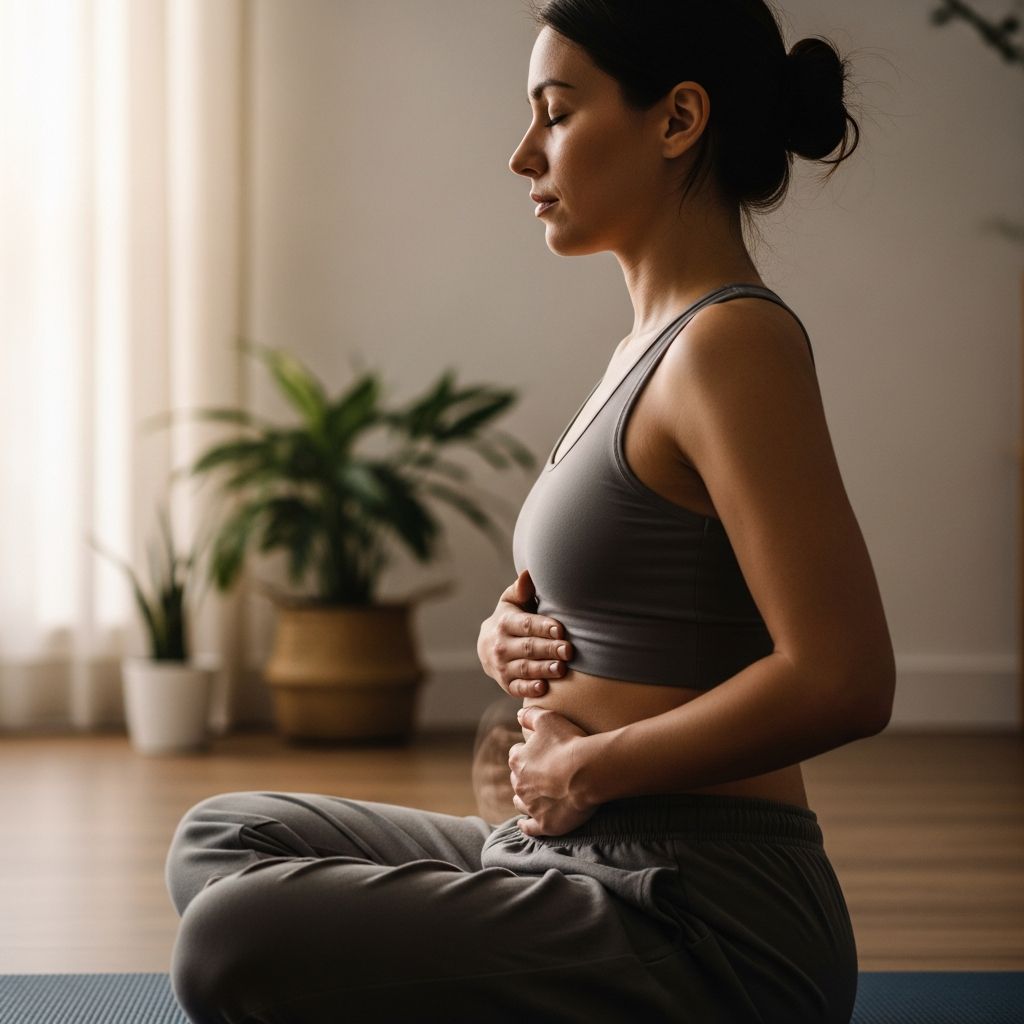
Begin by lying on your back with your knees bent, as this position makes it easier to feel the movement of your diaphragm. Place one hand on your chest and one hand on your stomach. This tactile feedback helps you monitor whether you’re breathing correctly. Note that while this position is ideal for learning, diaphragmatic breathing can also be practiced while sitting or standing once you’ve developed the skill.
The Inhalation Process
To begin the inhalation phase, breathe in slowly through your nose while counting to five. Focus on feeling your chest and stomach expand outward into your hands. Your stomach should rise noticeably farther than your chest, and there should be minimal movement in your head and neck. As your lungs expand, your diaphragm contracts and descends into your abdominal cavity. If you find that counting to five feels rushed or uncomfortable, adjust the count to match your natural rhythm. The goal is smooth, controlled breathing rather than forced inhalation.
The Exhalation Process
After holding your breath briefly at the top of your inhalation, begin exhaling. Relax your jaw and breathe out slowly through your mouth, again counting to five. You should observe your chest and stomach deflating and returning to their resting position. As your diaphragm relaxes, it rises back to its neutral position. Like the inhalation, you can adjust your exhalation count based on your comfort level. The key is maintaining a steady, deliberate pace.
Building Your Practice
When you’re first learning diaphragmatic breathing, practice five complete cycles of inhalation and exhalation, or continue for however long it takes you to feel comfortable with the technique. As you become more proficient, you can gradually extend your practice to several minutes. Many practitioners recommend aiming for a few minutes of practice each morning and evening, or whenever you feel stressed. Over time, diaphragmatic breathing becomes second nature, eventually becoming your default breathing pattern.
Common Mistakes to Avoid
While diaphragmatic breathing is straightforward, several common mistakes can limit its effectiveness:
Breathing Too Quickly: Rushing your breaths prevents your nervous system from receiving the signal to relax. Slow, deliberate breathing is essential for triggering the relaxation response.
Overemphasizing Chest Movement: Focusing too much on chest expansion rather than belly expansion indicates you’re not engaging your diaphragm fully. Remember, your stomach should rise more than your chest.
Tensing Your Shoulders: Avoid raising your shoulders during inhalation, as this indicates shallow breathing. Keep your shoulders relaxed and let your diaphragm do the work.
Inconsistent Practice: Like any skill, diaphragmatic breathing requires regular practice to yield maximum benefits. Sporadic attempts won’t produce the stress-reduction or attention-improving effects demonstrated in research.
Forcing the Technique: Don’t strain or force your breathing. If you feel uncomfortable, adjust your counts and pace. The practice should feel natural and sustainable.
Diaphragmatic Breathing and Pelvic Floor Health
One particularly important application of diaphragmatic breathing relates to pelvic floor health. Your pelvic floor muscles—those that support your bladder, bowel, and reproductive organs—are directly influenced by your breathing patterns. When you inhale deeply using your diaphragm, the diaphragm descends and causes your pelvic floor to drop slightly and lengthen, providing a gentle stretch. When you exhale, the diaphragm rises, allowing your pelvic floor to move upward with a gentle contraction.
Shallow breathing and chronic stress can prevent your pelvic floor from fully relaxing, leading to excessive tension in these muscles. Over time, this can contribute to problems like urinary incontinence, fecal incontinence, pelvic pain, and even prolapse. By practicing diaphragmatic breathing, you help lengthen and relax tense pelvic floor muscles while also coordinating muscle contractions to strengthen them, which may help reduce or prevent incontinence and improve overall pelvic floor function.
Incorporating Diaphragmatic Breathing Into Your Daily Life
The beauty of diaphragmatic breathing is its simplicity and versatility. You can practice it almost anywhere—at your desk during a stressful workday, in your car before an important meeting, or at home while watching television. Here are some practical ways to integrate it into your routine:
Morning Routine: Start each day with five to ten minutes of diaphragmatic breathing to set a calm, focused tone for your day.
Stress Management: When you notice stress building, take a breathing break. Even two to three minutes of conscious diaphragmatic breathing can reset your nervous system.
Pre-Sleep Ritual: Practice diaphragmatic breathing for five to ten minutes before bed to promote relaxation and improve sleep quality.
Meeting or Event Preparation: Before important meetings, presentations, or events, use diaphragmatic breathing to calm anxiety and improve focus.
Exercise Integration: Combine diaphragmatic breathing with gentle exercise or yoga for enhanced relaxation and flexibility benefits.
Frequently Asked Questions
How long does it take to see results from diaphragmatic breathing?
Some people notice immediate benefits like reduced heart rate and calmer mood after just one or two sessions. However, more substantial improvements in sustained attention and stress resilience typically develop with consistent practice over weeks and months. Research suggests that intensive training over eight weeks produces significant measurable changes in attention, affect, and cortisol levels.
Can I practice diaphragmatic breathing while sitting or standing?
Yes, absolutely. While lying down is recommended when you’re first learning the technique, you can practice diaphragmatic breathing in any position once you’ve developed competency. Many people eventually practice it while sitting at their desk, standing in line, or even walking.
Is diaphragmatic breathing safe for everyone?
Diaphragmatic breathing is generally very safe and appropriate for most people. However, if you have any underlying respiratory conditions, cardiovascular issues, or other health concerns, consult with your healthcare provider before beginning a regular practice. If you experience dizziness or shortness of breath, stop and return to normal breathing.
How much diaphragmatic breathing do I need to do daily?
There’s no single “correct” amount, but most experts recommend aiming for a few minutes each morning and evening, or whenever you feel stressed. Even five to ten minutes daily can produce meaningful benefits. The important factor is consistency rather than duration.
Can diaphragmatic breathing help with anxiety?
Yes. By reducing cortisol levels and activating your parasympathetic nervous system, diaphragmatic breathing is an effective tool for managing anxiety. Regular practice can help you develop greater emotional resilience and reduce the intensity of anxious thoughts.
Should I practice diaphragmatic breathing before or after meals?
Either time is fine, though many people prefer practicing on an empty or lightly full stomach. Avoid practicing immediately after large meals, as digestion can make focused breathing practice less comfortable.
Getting Professional Guidance
While diaphragmatic breathing can be self-taught using this guide, consulting with a healthcare professional can provide personalized instruction and ensure you’re practicing correctly. Physical therapists, particularly those specializing in pelvic floor health or respiratory function, can offer tailored guidance. Additionally, many healthcare systems now offer telehealth programs through which you can access breathing guidance from qualified professionals from the comfort of your home.
Conclusion
Diaphragmatic breathing represents one of the most accessible and evidence-based wellness practices available. By mastering this fundamental technique, you gain a powerful tool for stress reduction, improved mental clarity, better physical health, and enhanced pelvic floor function. The research is clear: practicing diaphragmatic breathing improves sustained attention, reduces negative affect, lowers cortisol levels, and promotes overall well-being. The best part? It requires nothing more than your awareness and intention. Start with the basic techniques outlined in this guide, practice consistently, and allow yourself time to develop the skill. Over time, diaphragmatic breathing will become second nature, providing you with a lifelong resource for managing stress and optimizing your health. Remember, as with any wellness practice, consistency and patience are key to unlocking the full transformative potential of this ancient yet scientifically validated technique.
References
- Breathing Exercises for Your Pelvic Floor — Hinge Health. 2024. https://www.hingehealth.com/resources/articles/diaphragmatic-breathing-pelvic-health/
- The Effect of Diaphragmatic Breathing on Attention, Negative Affect and Stress in Healthy Adults — Ma X, Yue Z-Q, Gong Z-Q, et al. Frontiers in Psychology. 2017-06-06. https://pubmed.ncbi.nlm.nih.gov/28626434/
- Relaxation Techniques: Breath Control Helps Quell Errant Stress — Idaho Department of Aging. 2019. https://aging.idaho.gov/wp-content/uploads/2019/12/Relaxation-techniques.-Breath-control-helps-quell-errant-stress.pdf
Similar Articles








Read full bio of medha deb