Lecithin Benefits: 9 Science-Backed Health Advantages
Discover the science-backed benefits of lecithin for heart health, digestion, breastfeeding, brain function, and skin care.
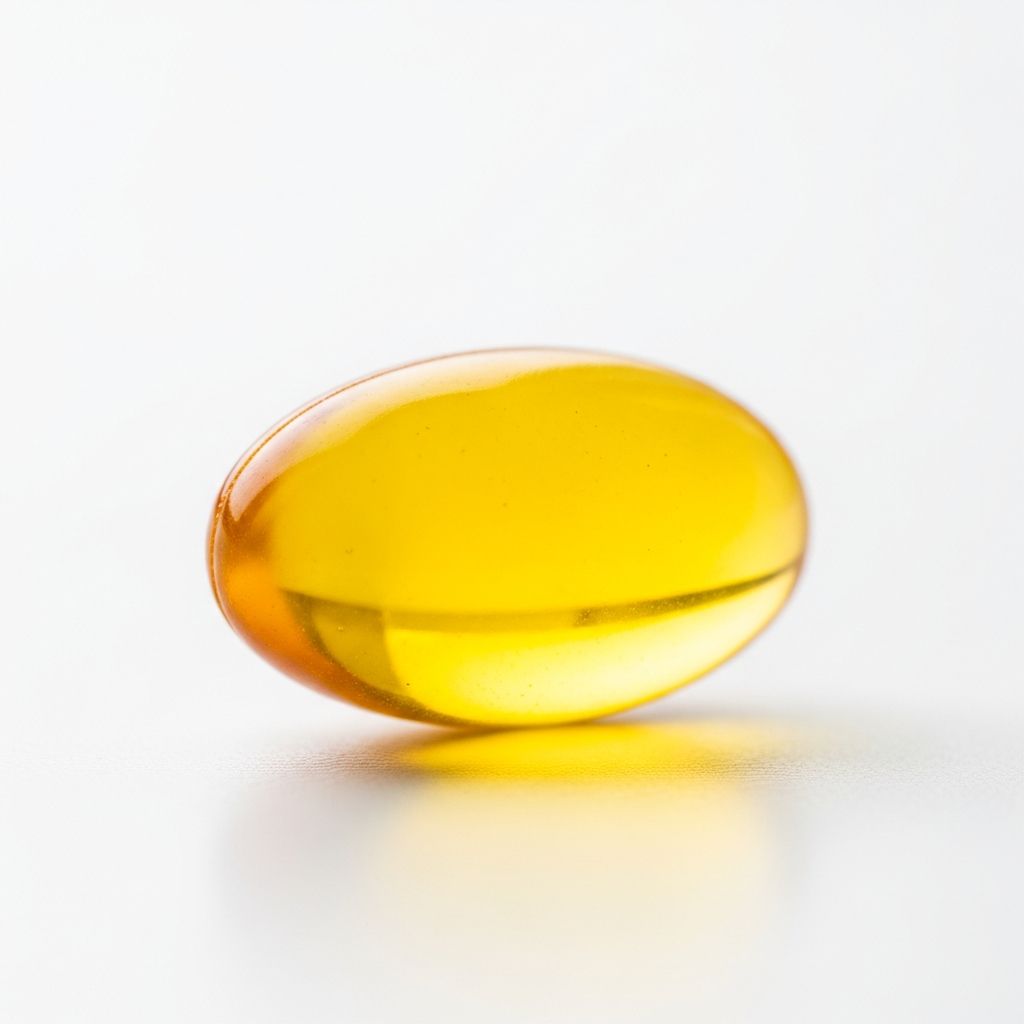
Lecithin is a fatty substance found in animal and plant tissues, acting as a natural emulsifier that helps mix fats and oils with water-based substances. Produced commercially from sources like soybeans, sunflower seeds, and egg yolks, it contains essential phospholipids such as phosphatidylcholine (PC), which supports cell membranes and various bodily functions. Research highlights its potential in lowering cholesterol, improving digestion, aiding breastfeeding, enhancing cognitive health, and benefiting skin. While generally safe, consulting a healthcare provider is recommended before supplementation.
What Is Lecithin?
Lecithin is a group of phospholipids, primarily phosphatidylcholine, phosphatidylethanolamine, and phosphatidylinositol, extracted from sources rich in fats. It plays a key role in cell structure, signaling, and emulsification in foods and the body. Soy lecithin is the most common supplement form, but sunflower lecithin is preferred for its non-GMO status and gentler extraction process without harsh chemicals. Egg yolk lecithin is another option, though less common due to allergen concerns. Lecithin provides choline, vital for brain health, liver function, and neurotransmitter production.
In the body, lecithin helps maintain cell membrane integrity and facilitates fat metabolism. Diets rich in lecithin or supplements may support lipid balance by promoting HDL (good cholesterol) and reducing LDL (bad cholesterol). Its emulsifying properties also aid digestion by protecting intestinal linings.
9 Science-Backed Lecithin Benefits
Emerging research supports several lecithin benefits, though more large-scale human studies are needed. Here’s a breakdown:
- Lowers Cholesterol: Lecithin reduces total and LDL cholesterol while boosting HDL. A 2008 study showed 500 mg daily soy lecithin lowered total cholesterol by 42% and LDL by 56% after two months.
- Improves Heart Health: By regulating LDL and promoting HDL synthesis, lecithin combats atherosclerosis. It enhances bile acid secretion for cholesterol excretion, reducing cardiovascular risks.
- Aids Breastfeeding: Lecithin prevents clogged milk ducts by emulsifying fats in breast milk. It’s a common supplement for nursing mothers, also providing choline to infants.
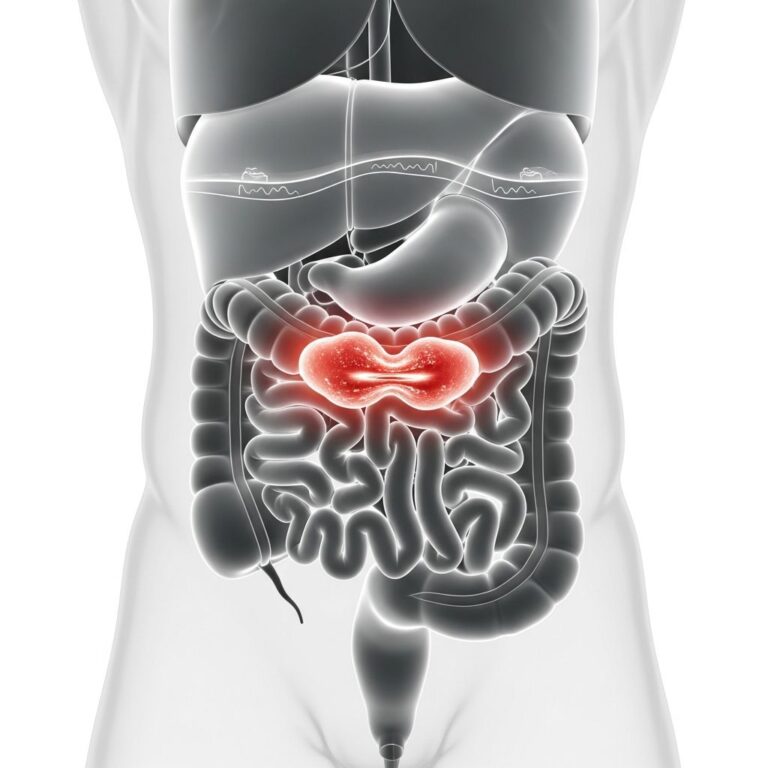
- Supports Digestion: In ulcerative colitis, lecithin restores PC levels, reducing inflammation and improving mucus protection in the gut. It may benefit other digestive issues like IBS.
- Boosts Brain Health: Choline in lecithin supports memory and may alleviate dementia symptoms like Alzheimer’s by aiding neurotransmitter pathways.
- Enhances Immune Function: Soy lecithin increases natural killer cells, particularly in diabetics, bolstering immunity.
- Protects Liver: Lecithin shields against toxins and fatty liver conditions like hepatic steatosis.
- Moisturizes Skin: As an emollient, topical lecithin soothes eczema and hydrates skin by forming protective barriers.
- Aids Nutrient Absorption: Facilitates uptake of fat-soluble vitamins A, D, E, and K, boosting antioxidants and immunity.
Lecithin for Cholesterol
High cholesterol contributes to heart disease, and lecithin addresses this by emulsifying fats and influencing lipid profiles. Studies show soy lecithin diets increase HDL and decrease LDL, with mechanisms involving enhanced cholesterol solubilization in bile micelles. A comprehensive review confirms lecithin’s role in reducing excess LDL and promoting HDL for better cardiovascular outcomes.
For those with hypercholesterolemia, 500-1,200 mg daily may yield results, but effects vary. Combine with a heart-healthy diet for optimal benefits.
Lecithin for Heart Health
Beyond cholesterol, lecithin supports overall cardiovascular function. It mitigates atherosclerosis by lowering triglycerides and plaque buildup. Research from 2003 demonstrated lecithin-rich diets stimulate bile acids, excreting more cholesterol. HDL promotion aids reverse cholesterol transport to the liver.
People at risk for hypertension or heart disease may benefit from soy lecithin additives, which also promote satiety due to slow digestion.
Lecithin for Breastfeeding
Breastfeeding mothers often use lecithin (1,200 mg daily) to prevent plugged ducts. Its emulsifying action keeps milk fats flowing smoothly. Choline content nourishes infants’ brain development via breast milk or pumped milk.
Lecithin for Digestion
Ulcerative colitis patients have 70% less PC; lecithin supplementation restores it, easing symptoms. Its properties strengthen intestinal mucus, protecting against inflammation. Anecdotal reports suggest benefits for general digestive distress.
Lecithin for Brain Health and Dementia
Choline from lecithin is a precursor to acetylcholine, crucial for memory. Diets high in choline sharpen cognition and may slow Alzheimer’s progression. Lipid-choline compounds enhance brain pathways, though evidence is mixed for neurological treatments.
Related Stories



Lecithin for Skin
Lecithin’s moisturizing effects make it ideal for dry or irritated skin. It forms emulsions that lock in hydration and calm eczema. Used in cosmetics, it improves barrier function without greasiness.
Other Potential Lecithin Benefits
Lecithin shows promise for liver protection against toxins, immune enhancement in diabetics (92% lymphocyte increase in animal studies), gallbladder issues, mood disorders, and vitamin absorption. Human trials are limited.
How to Take Lecithin
Lecithin supplements come as capsules, granules, or liquids (1,200-2,400 mg daily). Start low to assess tolerance. Sunflower lecithin avoids soy allergens. Incorporate via foods like eggs, soy, or sunflower seeds. Consult doctors for interactions.
Lecithin Side Effects
Generally safe up to 30g daily; mild issues include GI upset, diarrhea, or nausea at high doses. Allergic reactions possible with soy. No major risks reported in studies.
Frequently Asked Questions (FAQs)
Is lecithin good for cholesterol?
Yes, lecithin lowers LDL and raises HDL, supporting healthier lipid profiles per multiple studies.
Can lecithin help with digestion?
It improves ulcerative colitis symptoms and may aid other gut issues by enhancing mucus protection.
Is lecithin safe for breastfeeding?
Yes, it prevents clogged ducts and provides choline benefits for mother and baby.
What is the best source of lecithin?
Sunflower lecithin is non-GMO and chemical-free; soy is common but check for allergies.
Does lecithin help skin?
Topical and oral lecithin moisturizes and soothes conditions like eczema.
Nutrition Facts
| Nutrient (per 1 tbsp soy lecithin granules) | Amount | % Daily Value |
|---|---|---|
| Calories | 120 | 6% |
| Total Fat | 10g | 13% |
| Phosphatidylcholine | ~2,500mg | * |
| Choline | ~350mg | 64% |
| *Daily Value not established. Source: USDA estimates. | ||
References
- Lecithin: Benefits, risks, and types — Medical News Today. 2018-06-11. https://www.medicalnewstoday.com/articles/319260
- Lecithin and cardiovascular health: a comprehensive review — PMC (PubMed Central). 2024. https://pmc.ncbi.nlm.nih.gov/articles/PMC11246377/
- Lecithin Benefits for Your Skin, Digestion, and More — Healthline. 2017-12-15. https://www.healthline.com/health/lecithin-benefits
- Lecithin’s therapeutic uses — EBSCO Research Starters. N/A. https://www.ebsco.com/research-starters/complementary-and-alternative-medicine/lecithins-therapeutic-uses
- Maintain brain with lecithin — Bangkok Hospital. N/A. https://www.bangkokhospital.com/en/bangkok/content/maintain-brain-with-lecithin
- Lecithin — WVU Medicine Health Library. N/A. https://healthlibrary.wvumedicine.org/YourFamily/Women/19,Lecithin
Similar Articles








Read full bio of Sneha Tete