LED Light Therapy: How It Works, Benefits & Risks
Explore LED light therapy: non-invasive skin treatment using colored light wavelengths to address acne, wrinkles, and various skin conditions safely.
Understanding LED Light Therapy
LED (light-emitting diode) light therapy is a non-invasive treatment that has revolutionized the approach to managing various skin conditions and concerns. This innovative therapy works by emitting specific wavelengths of light that penetrate the skin’s layers to stimulate cellular activity and promote healing. Unlike traditional treatments that may require downtime or carry significant risks, LED light therapy offers a gentle yet effective alternative for addressing common dermatological issues such as acne, fine lines, wrinkles, psoriasis, and other skin imperfections.
The therapy comes in different types and combinations, with red light LED therapy and blue light LED therapy being among the most commonly utilized. Healthcare providers and skin specialists often use these colors in combination to target specific skin concerns tailored to individual patient needs. The versatility of LED light therapy makes it an appealing option for people seeking evidence-based skin treatments without surgical intervention.
The History and Development of LED Light Therapy
LED light therapy’s journey into mainstream dermatology began in the 1990s when NASA started studying the effects of LED technology in promoting wound healing among astronauts. Researchers discovered that LED light could help cells and tissues grow more efficiently, which sparked interest in expanding the technology’s applications beyond space medicine. This groundbreaking research laid the foundation for the widespread adoption of LED light therapy in dermatological clinics and home-based treatments worldwide.
The technology gained further credibility through its established use in photodynamic therapy, where low-power red laser light activates photosensitizer drugs to create chemical reactions that destroy problematic cells. This medically accepted application demonstrated the legitimate therapeutic potential of light-based treatments and encouraged further research into various wavelengths and their specific benefits for different skin conditions.
How LED Light Therapy Works
The fundamental mechanism behind LED light therapy involves the interaction between light wavelengths and cellular components within the skin. Light energy delivered by LEDs is absorbed by certain cells in the skin, stimulating them to work more efficiently. Researchers believe that red light therapy works by acting on the “power plant” of the body’s cells called mitochondria. With enhanced energy production, cells can perform their functions more effectively, including repairing damaged skin, boosting new cell growth, and facilitating skin rejuvenation processes.
Different LED colors utilize different wavelengths that correspond to various visible light spectrums. Each color penetrates the skin at different depths, allowing for targeted treatment of specific skin concerns. This depth of penetration is crucial for determining which conditions can be effectively addressed and how the treatment should be customized for optimal results. The wavelength of the red or blue light source used in a doctor’s office compared to at-home devices may vary, which can affect the desired outcomes of treatment.
LED Light Colors and Their Specific Benefits
LED light therapy utilizes various colors, each with distinct properties and therapeutic applications:
Related Stories



Red Light Therapy
Red light therapy is thought to penetrate deeper into the skin layers and is commonly used for anti-aging purposes. Experts believe red light helps reduce the appearance of wrinkles, improve skin texture and firmness, and promote overall skin rejuvenation. Red light may also help with scars and general skin redness. This wavelength stimulates collagen production, which is essential for maintaining skin elasticity and reducing visible signs of aging.
Blue Light Therapy
Blue light therapy is particularly effective for treating acne-prone skin. This wavelength targets acne-causing bacteria and helps reduce inflammation associated with breakouts. Blue light can also be used in combination with photosensitizing medications to treat sun damage and non-melanoma skin cancers. When applied after a photosensitizing drug is absorbed into the skin, blue light activates the medication to destroy problematic cells, leaving healthier skin behind.
Combination Treatments
During professional treatments, skin specialists often use a combination of lights to address specific patient concerns more comprehensively. At-home devices may also combine multiple colors to provide more versatile treatment options for users managing various skin issues simultaneously.
Conditions Treated with LED Light Therapy
LED light therapy helps treat a wide variety of skin concerns and conditions, making it a versatile option for dermatological care:
- Acne and acne scars
- Fine lines and wrinkles
- Psoriasis
- Eczema
- Rosacea and skin redness
- Sun-damaged skin
- Warts
- Small and superficial basal cell carcinoma (BCC)
- Non-melanoma skin cancers
- General skin texture and firmness concerns
In some cases, LED light therapy may be used to treat small and superficial basal cell carcinoma (BCC), a type of skin cancer that affects approximately 3.6 million Americans each year. This application demonstrates the therapy’s potential in medical oncology when used appropriately under professional supervision.
In-Office LED Light Therapy Treatment
Pre-Treatment Preparation
Before undergoing LED light therapy at a spa or dermatologist’s office, proper preparation is essential. Your face must be clean and free of makeup to allow optimal light penetration and treatment effectiveness. Healthcare providers may recommend or administer additional treatments before LED light therapy, such as a facial cleanse, to prepare the skin. You will be provided with safety goggles to protect your eyes from the bright lights during the procedure.
The Treatment Process
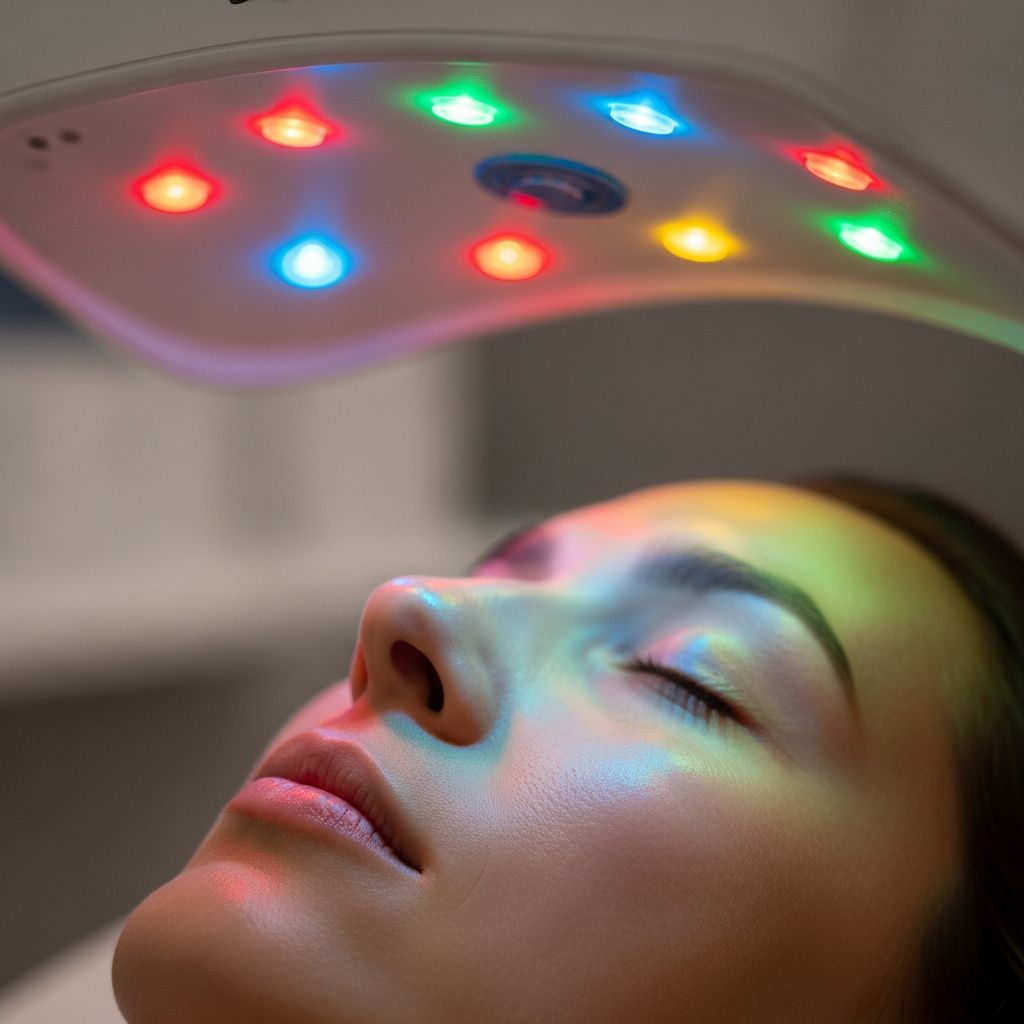
During an in-office LED light therapy session, you will lie on your back while your healthcare provider positions the LED light therapy device above your face. It is important to remain still throughout the entire treatment to ensure consistent light exposure across all treatment areas. The typical in-office treatment lasts approximately 20 minutes, though this duration may vary depending on the specific condition being treated and the device used.
Treatment Experience
LED light therapy is a non-invasive and painless treatment. During the session, you may experience some warmth from the lights, but this should cause no discomfort. Many patients appreciate the simplicity and ease of undergoing this treatment, as there are no needles, incisions, or harsh sensations involved.
At-Home LED Light Therapy Devices
Several at-home LED light therapy devices are available on the market, offering flexibility and convenience for patients seeking regular treatments. These devices come in various forms, including masks, wands, and other hand-held products, each with specific instructions for use.
Types of At-Home Devices
LED masks are popular at-home options that you can wear on your face for several minutes daily. These can be used while sitting upright or lying down, allowing for flexible integration into your daily routine. Hand-held wand devices offer another option, typically held 6 to 12 inches from the face for approximately 10 minutes per session. The variety of device types ensures that most people can find an option that fits their lifestyle and preferences.
Time Commitment and Usage
The time commitment for at-home LED light therapy varies depending on the device. Some devices may require just a few minutes daily, while others may need twice-daily use for 30 to 60 minutes over four to five weeks to see noticeable improvement. This variation in treatment duration is an important consideration when selecting an at-home device, as consistent use is necessary to achieve desired results. To see meaningful improvement in your skin, you need to maintain regular treatment schedules as recommended by the device manufacturer or your dermatologist.
Proper Device Usage
When using any at-home LED light therapy device, it is crucial to follow the manufacturer’s directions carefully. Proper use ensures safety and maximizes the effectiveness of your treatments. Before purchasing an at-home device, verify that it is marked “FDA cleared” or “FDA approved” to ensure quality and safety standards have been met. Always wear appropriate eye protection, such as sunglasses or goggles, when using these devices to protect your eyes from the bright lights.
Post-Treatment Care and Recovery
One of the significant advantages of LED light therapy is the minimal recovery time. Unlike other skin treatments such as chemical peels or laser procedures that may cause damage to the skin, LED light therapy requires no formal recovery period. You can return to your normal routine immediately after treatment with one important exception: you must stay out of direct sunlight for several days following treatment and apply extra sunscreen (SPF 30 or higher) when sun exposure is unavoidable.
This protection is essential because your skin may be more sensitive to UV rays immediately after LED light therapy. By avoiding sun exposure and using adequate sun protection, you can maximize the benefits of your treatment and prevent potential complications or reduced effectiveness.
Safety Profile and Side Effects
LED light therapy is considered a safe and relatively risk-free treatment option for most individuals. The therapy does not use ultraviolet (UV) light, which means it does not cause damage, burns, or increase skin cancer risk like traditional sun exposure or tanning beds. People with any skin type and color can safely use LED light therapy, making it an inclusive treatment option.
Potential Side Effects
It is rare to experience side effects from LED light therapy. When side effects do occur, they are typically mild and may include temporary redness, slight irritation, or minor discomfort at the treatment site. These effects usually resolve quickly without intervention. However, experts caution that while LED light therapy appears to be safe in the short term, there is less comprehensive information available regarding its long-term safety profile, which is an ongoing area of research.
Who Should Avoid LED Light Therapy
LED light therapy is not appropriate for everyone. Individuals who should avoid this treatment include those with light sensitivity disorders, those taking medications that increase photosensitivity, and people with certain eye conditions. Additionally, those with a history of seizures triggered by light should consult with a healthcare provider before undergoing LED light therapy. Pregnant women should discuss the safety of this treatment with their obstetrician before proceeding.
Effectiveness and Research Evidence
Research suggests that LED light therapy can help reduce and improve various skin conditions and concerns. Studies have shown that the therapy may help smooth skin texture, improve skin firmness and resilience, increase lymphatic system activity, and restore skin’s overall appearance. However, to see meaningful improvement in your skin, consistent and regular treatments are necessary. The frequency and duration of treatment required vary depending on the specific condition being addressed and individual skin characteristics.
Results can vary significantly among individuals because everyone’s skin is different. Factors such as age, skin type, severity of the condition, and consistency of treatment adherence all influence outcomes. Most researchers agree that results so far look promising, but that more quality studies with larger numbers of participants are needed to establish definitive effectiveness measures for various conditions.
Potential Medical Applications Under Investigation
Beyond established dermatological uses, LED light therapy is being investigated for several other potential medical applications:
- Reducing cancer chemotherapy side effects, including oral mucositis
- Relieving pain and inflammation associated with ankle tendonitis and rheumatoid arthritis
- Treating carpal tunnel syndrome symptoms
- Managing osteoarthritis of the knee
- Preventing cold sore recurrence from herpes simplex virus
These emerging applications demonstrate the broader therapeutic potential of light-based treatments beyond cosmetic dermatology.
Consulting a Dermatologist
Before pursuing LED light therapy at a spa or investing in an at-home device, it is advisable to consult with a dermatologist. Professional consultation ensures that you receive an accurate diagnosis of your skin condition, as what appears to be aging or blemished skin may actually be skin cancer or another serious condition requiring different treatment. A dermatologist can also determine whether in-office or at-home LED light therapy is an appropriate treatment option for your specific needs and can recommend the best approach for your situation.
Frequently Asked Questions
Q: Is LED light therapy safe for all skin types?
A: Yes, LED light therapy is safe for people with any skin type and color. The therapy does not use UV light and does not cause damage or burns to the skin, making it an inclusive treatment option for diverse populations.
Q: How often do I need LED light therapy treatments?
A: The frequency of treatments depends on your specific condition and the device being used. Some people benefit from treatments once or twice weekly, while others may need more frequent sessions initially. Your dermatologist can recommend an appropriate schedule based on your needs.
Q: Can I use LED light therapy if I’m pregnant?
A: It is recommended to discuss LED light therapy with your obstetrician before undergoing treatment if you are pregnant, as there is limited research on its safety during pregnancy.
Q: Are at-home LED devices as effective as professional treatments?
A: At-home devices can be effective, but professional treatments may deliver stronger wavelengths and more consistent results. The wavelength and intensity of at-home devices may differ from professional equipment, potentially affecting outcomes.
Q: What should I do if I experience side effects?
A: Side effects from LED light therapy are rare and typically mild. If you experience persistent redness, irritation, or other concerns, discontinue use and consult with your healthcare provider or dermatologist.
References
- LED Light Therapy: How It Works, Colors, Benefits & Risks — Cleveland Clinic. 2021-12-02. https://my.clevelandclinic.org/health/treatments/22146-led-light-therapy
- Red Light Therapy: Benefits, Side Effects & Uses — Cleveland Clinic. https://my.clevelandclinic.org/health/articles/22114-red-light-therapy
- Blue Light Therapy for the Skin: What Can It Do? — Cleveland Clinic. https://health.clevelandclinic.org/blue-light-therapy-for-the-skin-what-can-it-do
- Phototherapy (Light Therapy): Uses, Benefits & Risks — Cleveland Clinic. https://my.clevelandclinic.org/health/treatments/24385-phototherapy-light-therapy
- How Light Therapy Can Help With Seasonal Affective Disorder (SAD) — Cleveland Clinic. https://health.clevelandclinic.org/light-therapy
Similar Articles








Read full bio of Sneha Tete