Leech Therapy: 3 Essential Uses In Modern Medicine
Medicinal leeches in modern dermatology: hirudotherapy for venous congestion, wound healing, and skin conditions.
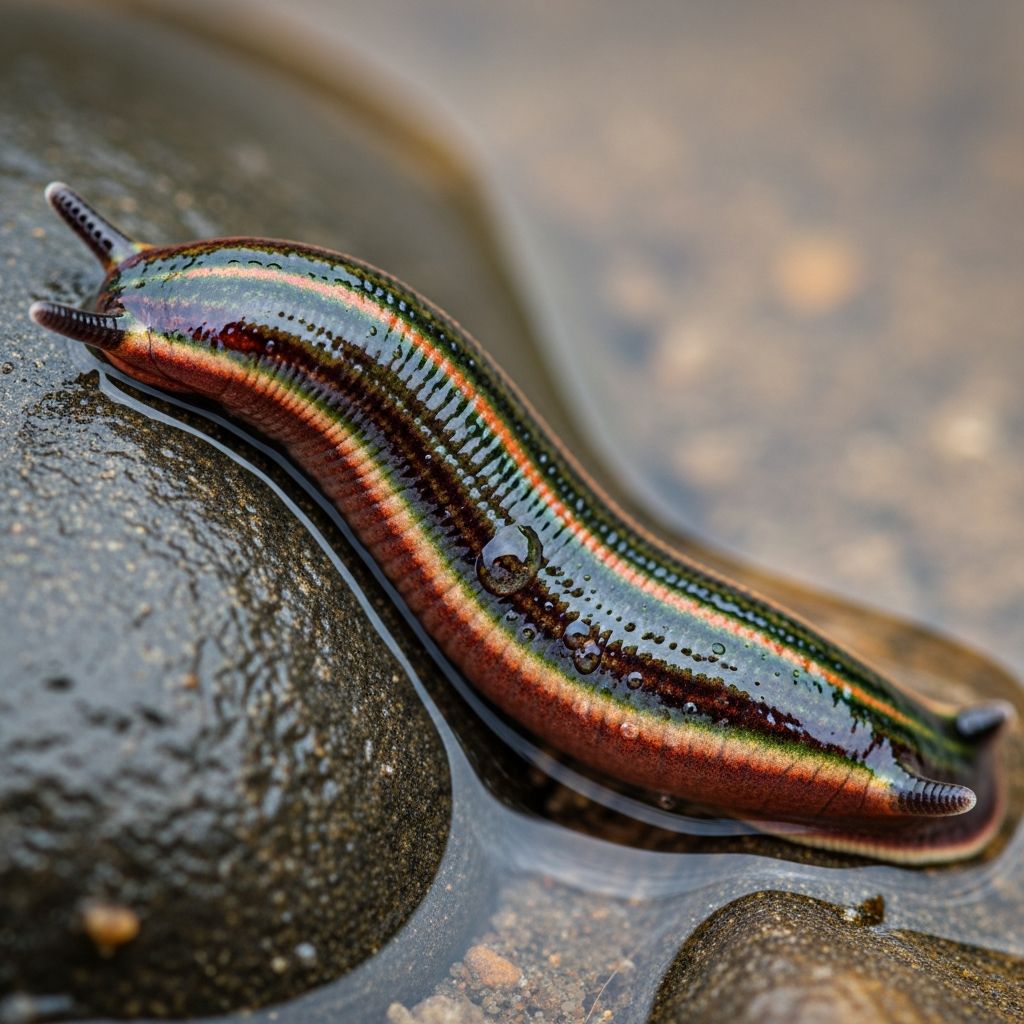
Medicinal leeches, primarily Hirudo medicinalis and Hirudo verbana, are used in hirudotherapy to treat venous congestion and certain skin conditions through their anticoagulant saliva and blood-sucking mechanism.
Introduction
Leeches have been employed in medicine for centuries, evolving from ancient bloodletting practices to targeted modern applications in dermatology and reconstructive surgery. Hirudotherapy involves applying live leeches to the skin, where they ingest blood and secrete bioactive saliva containing anticoagulants, vasodilators, and antimicrobial agents.
Leeches in medicine
Historically, leeches were used to balance bodily humours, treating conditions like headaches, obesity, and mental illnesses. In the 19th century, their use peaked with up to 5 million leeches supplied annually to French apothecaries. Today, hirudotherapy is evidence-based for specific indications, backed by bioactive molecules in leech saliva such as hirudin (anticoagulant), bdellins (anti-inflammatory), and hyaluronidase (tissue penetration).
Leech saliva contains over 20 identified proteins with analgesic, anti-inflammatory, platelet-inhibitory, anticoagulant, and antimicrobial effects. Key components include:
- Hirudin: Direct thrombin inhibitor preventing clot formation.
- Collagenase and hyaluronidase: Degrade extracellular matrix to facilitate spread.
- Saratin, calin, apyrase: Inhibit platelet aggregation and function.
- Destabilase, chloromycetyn, theromacin: Provide antimicrobial activity.
Current use
In contemporary dermatology and surgery, leeches are primarily used for:
- Venous congestion post-reconstructive surgery, such as after skin flaps or replants, where they relieve pressure by extracting blood and maintaining flow via anticoagulants.
- Wound healing: Promote granulation and epithelialization through vasodilation and anti-inflammatory effects.
- Skin conditions: Exploratory use in atopic dermatitis, psoriasis, and hyperpigmentation, with studies showing EASI score reductions of 54.5% and SCORAD improvements.
A typical session involves 1-10 leeches per 5 cm² area, applied for 20-60 minutes until engorged. Bleeding continues 6-24 hours post-detachment due to saliva.
| Indication | Mechanism | Evidence Level |
|---|---|---|
| Post-surgical congestion | Anticoagulation, vasodilation | High (clinical guidelines) |
| Atopic dermatitis | Anti-inflammatory | Moderate (case series) |
| Wound repair | Antimicrobial, matrix degradation | Promising (animal studies) |
Origin and biology
Medicinal leeches belong to the phylum Annelida, class Hirudinea. Hirudo medicinalis is native to Europe, while Hirudo verbana is used in breeding programs. They are hermaphroditic, carnivorous, and thrive in freshwater.
Key biological features:
- Anatomy: Anterior and posterior suckers; 102 coelomic channels forming pseudosegments.
- Feeding: Can ingest 5-10 times body weight in one meal, storing blood for months.
- Salivary glands: Produce 100+ proteins; bite creates Y-shaped puncture.
- Breeding: Farmed in sterile conditions; used once per patient to prevent infection transmission.
Leeches digest blood using symbiotic Aeromonas hydrophila in their gut, which poses infection risk if not prophylaxed.
What are leeches used for?
Beyond dermatology:
- Reconstructive surgery: Salvage flaps in breast reconstruction, digit replants.
- Ophthalmology: Periorbital haematomas.
- Other: Osteoarthritis, varicose veins, though evidence varies.
In skin surgery, leeches decongest tissues where anticoagulants alone fail, with minimal risks when managed properly.
Who performs leech therapy?
Hirudotherapy is conducted by trained dermatologists, plastic surgeons, or nurses in hospital settings with protocols for supply, application, and monitoring. Leeches are ordered from certified breeders, stored at 5°C, and discarded post-use.
Procedure
Preparation: Clean site; administer prophylactic antibiotics (e.g., ciprofloxacin for Aeromonas coverage).
Related Stories



- Application: Place leech on target; use saline if non-adherent. Secure with gauze.
- Monitoring: Observe 15-30 min intervals for bleeding, vital signs, allergy.
- Duration: Leech detaches when full (20-70 min); site oozes 24-48h.
- Post-care: Dress wound, continue antibiotics 5 days.
Complications
Potential issues include:
- Infection: Aeromonas hydrophila (5-20%); prevented by antibiotics.
- Excessive bleeding: Rare, managed with pressure.
- Allergic reactions: Rash, anaphylaxis (uncommon).
- Leech migration/retained parts: Minimal with proper removal.
Contraindications: Bleeding disorders, pregnancy, immunosuppression. Single-use leeches eliminate cross-infection.
Frequently asked questions
Do leeches hurt?
The bite is painless due to anesthetic saliva components.
How long do leeches bleed after removal?
6-24 hours, up to 100mL total from hirudin effect.
Are leeches sterile?
Farmed leeches are gut-sterilized; antibiotics mitigate gut flora risks.
Can leeches transmit diseases?
No, when used once; screened for pathogens.
How many leeches per treatment?
1-15 depending on area; e.g., 3-5 for small flaps.
Post-leech therapy care
Elevate limb, apply pressure dressings, monitor for infection (redness, pus). Avoid aspirin; continue antibiotics.
Hirudotherapy remains a valuable adjunct in dermatologic surgery, with ongoing research elucidating saliva’s full therapeutic potential.
References
- Medicinal leech therapy—an overall perspective — Sig AK, Guney M. Integr Med Res. 2017-08-10. https://pmc.ncbi.nlm.nih.gov/articles/PMC5741396/
- Leech Therapy in Cutaneous Surgery and Disease — Mamelak AJ et al. J Drugs Dermatol. 2010. https://jddonline.com/articles/leech-therapy-in-cutaneous-surgery-and-disease-S1545961610P0252X
- Medical leech therapy (Hirudotherapy) — Wollina U et al. Our Dermatol Online. 2016-01. https://www.odermatol.com/odermatology/20161/24.Medical-WollinaU.pdf
- Leech Therapy (Medicinal) – SESLHDGL 035 — SESLHD. Accessed 2021. https://www.seslhd.health.nsw.gov.au/sites/default/files/documents/Leech%20Therapy%20(Medicinal)%20-%20SESLHDGL%20035.pdf
- The leech makes a comeback — Hektoen International. 2020-02-06. https://hekint.org/2020/02/06/the-leech-makes-a-comeback/
Similar Articles








Read full bio of medha deb