Leflunomide: Essential Guide To Uses, Risks, And Monitoring
Comprehensive guide to leflunomide: uses in rheumatoid arthritis, dermatological effects, dosing, side effects, and monitoring.

Authoritative facts about leflunomide from high-quality medical sources including NCBI, MedlinePlus, and rheumatology experts.
What is leflunomide?
Leflunomide is a
disease-modifying antirheumatic drug (DMARD)
used primarily to treat rheumatoid arthritis (RA). It belongs to the class of non-biological DMARDs and is marketed under the brand nameArava
. This oral medication exhibits anti-inflammatory and immunomodulatory properties, helping to reduce joint inflammation, pain, swelling, and structural damage associated with RA.Leflunomide functions by suppressing overactive immune responses that attack joint tissues. It is particularly valuable for adults with moderate to severe active RA, improving physical function and slowing disease progression. While FDA-approved for RA, it has off-label uses in other inflammatory conditions and transplant rejection prevention.
Who gets leflunomide?
Leflunomide is indicated for adults with active rheumatoid arthritis, either as monotherapy or in combination with other DMARDs like methotrexate. Patients typically have persistent joint inflammation despite initial treatments. It is not approved for juvenile idiopathic arthritis or psoriatic arthritis but may be used off-label.
- Adults with moderate-to-severe RA
- Patients requiring disease modification beyond NSAIDs or steroids
- Those intolerant to methotrexate seeking an alternative DMARD
Contraindications include pregnancy (teratogenic), severe hepatic impairment, and hypersensitivity. Caution is advised in patients with renal impairment, immunosuppression, or lung disease.
Clinical features in dermatology
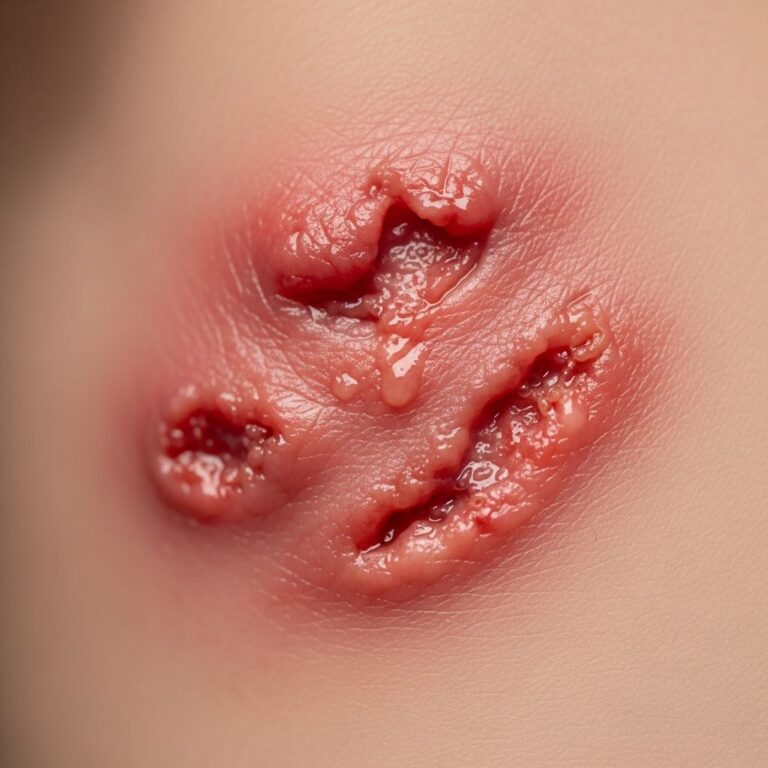
Although primarily a rheumatologic agent, leflunomide is relevant in dermatology due to its potential to cause or exacerbate skin conditions. Common dermatological adverse effects include rash, alopecia, pruritus, and dry skin. Rare but serious reactions encompass
Stevens-Johnson syndrome (SJS)
, toxic epidermal necrolysis (TEN), and drug reaction with eosinophilia and systemic symptoms (DRESS).- Rash: Maculopapular eruptions, often mild and resolving with dose adjustment.
- Alopecia: Reversible hair thinning in up to 10% of patients.
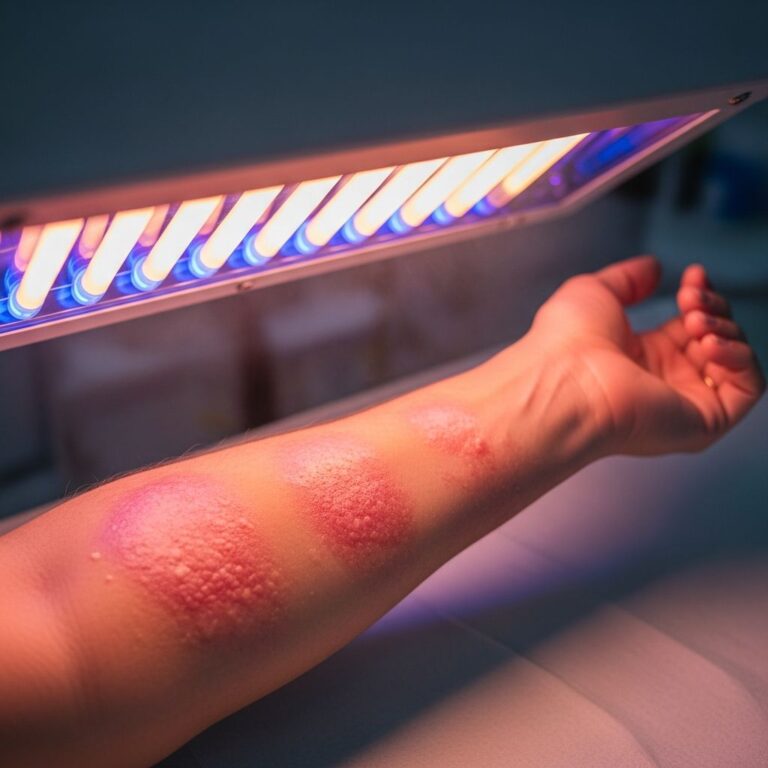
- Photosensitivity: Increased risk of sunburn; sunscreen recommended.
- Serious reactions: Blistering, mucosal involvement requiring immediate discontinuation.
Skin reactions usually appear within 4-8 weeks of initiation, correlating with peak efficacy onset. Dermatologists may manage these through symptomatic treatment or drug washout procedures.
Pathophysiology
Leflunomide is a prodrug rapidly metabolized to its active metabolite
teriflunomide (A77-1726)
, which inhibitsdihydroorotate dehydrogenase (DHODH)
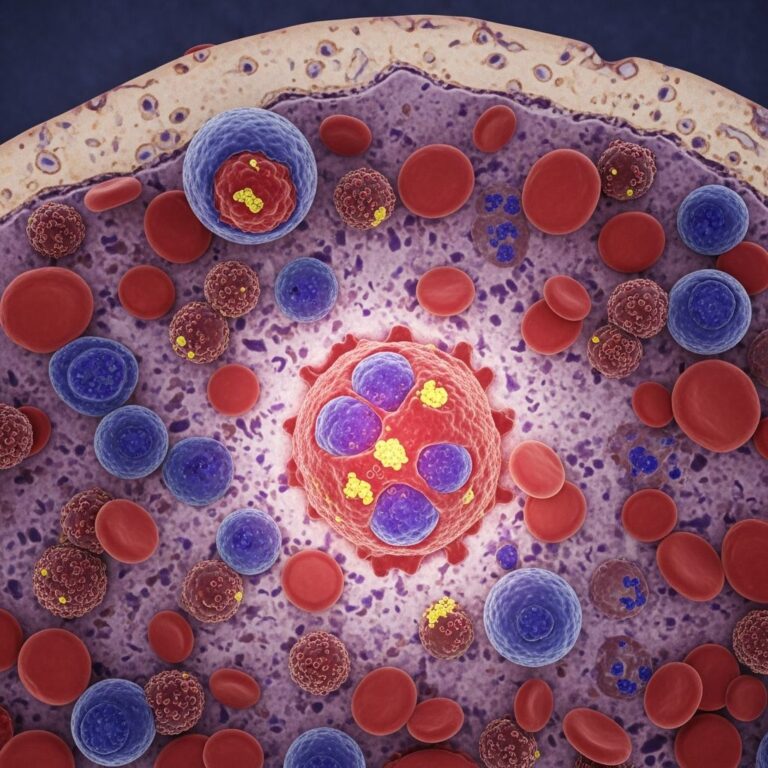
, a mitochondrial enzyme crucial for de novo pyrimidine synthesis. This halts T-cell proliferation in the G1 phase of the cell cycle, reducing autoimmune lymphocyte expansion without cytotoxicity via salvage pathways.The immunomodulatory effects include decreased autoantibody production by B cells, reduced synovial inflammation, and increased immunosuppressive cytokines like TGF-β. Additional tyrosine kinase inhibition contributes to anti-proliferative actions. In dermatology, immune dysregulation may trigger keratinocyte apoptosis or hypersensitivity reactions.
Diagnosis and monitoring
Diagnosis of leflunomide-related adverse effects relies on clinical history, timing post-initiation, and exclusion of infection or comorbidity. Key monitoring parameters include:
| Parameter | Frequency | Action if Abnormal |
|---|---|---|
| Liver enzymes (ALT/AST) | Monthly x6, then q2-3 months | >3x ULN: Discontinue |
| Complete blood count (CBC) | Monthly x6, then q2-3 months | Pancytopenia: Hold/Discontinue |
| Blood pressure | Baseline and periodic | Hypertension: Manage |
| Pregnancy test (women) | Baseline and monthly | Positive: Immediate washout |
Related Stories



Skin exams are recommended at baseline and follow-up for high-risk patients. Pulmonary function tests if interstitial lung disease suspected.
Management
Dosing regimens
Standard RA dosing: Loading dose of
100 mg daily for 3 days
(optional, increases early side effects), followed by maintenance10-20 mg daily
. Take with or without food; steady-state reached in 2 months without loading.Adverse effect management
- Hepatotoxicity: Most common; resolves 7 days post-discontinuation.
- Drug elimination (washout): Cholestyramine 8g TID x11 days or activated charcoal accelerates clearance (half-life 2 weeks).
- Skin reactions: Topical steroids, antihistamines; severe cases require hospitalization and washout.
- Hypertension: Occurs in 5-10%; ACE inhibitors effective.
Drug interactions
- NSAIDs/SSRIs: Increase leflunomide levels; monitor.
- Methotrexate: Additive hepatotoxicity; caution.
- Live vaccines: Contraindicated.
- Rifampin: Reduces efficacy.
Pregnancy category X: Teratogenic in animals; effective contraception mandatory for 6 months post-discontinuation.
Prognosis and prevention
With proper monitoring, leflunomide controls RA in 40-60% of patients, delaying joint damage. Dermatologic reactions resolve upon discontinuation, though alopecia may persist months. Prevention involves baseline labs, patient education on symptoms (rash, dyspnea, jaundice), and prompt reporting.
Long-term use requires annual TB screening and malignancy vigilance due to immunosuppression.
Frequently asked questions
What are the most common side effects of leflunomide?
Diarrhea, nausea, alopecia, rash, and elevated liver enzymes. Serious risks include hepatotoxicity, pancytopenia, and interstitial lung disease.
How long does leflunomide take to work?
Clinical improvement typically begins after 4-8 weeks, with full effects in 3-6 months.
Is leflunomide safe during pregnancy?
No; it is teratogenic. Women must use contraception and undergo washout before conception.
What if I develop a rash on leflunomide?
Contact your doctor immediately. Mild rashes may resolve; severe ones (blistering, fever) require discontinuation and washout.
Can leflunomide cause hair loss?
Yes, reversible alopecia affects ~10% of users, usually mild.
How is leflunomide removed from the body if needed?
Cholestyramine 8g three times daily for 11 days reduces plasma levels by 40-50%.
References
- Leflunomide – StatPearls – NCBI Bookshelf — NCBI. 2023-07-17. https://www.ncbi.nlm.nih.gov/books/NBK557799/
- Leflunomide: MedlinePlus Drug Information — MedlinePlus (NIH). 2023. https://medlineplus.gov/druginfo/meds/a600032.html
- Leflunomide: Uses, Interactions, Mechanism of Action | DrugBank — DrugBank. 2024. https://go.drugbank.com/drugs/DB01097
- Leflunomide (Arava) | American College of Rheumatology — American College of Rheumatology. 2023. https://rheumatology.org/patients/leflunomide-arava
- Leflunomide (Arava®) Drug Information Sheet — Johns Hopkins Arthritis Center. 2023. https://www.hopkinsarthritis.org/patient-corner/drug-information/leflunomide-arava/
Similar Articles








Read full bio of medha deb