Left Anterior Descending Artery: Function, Anatomy, and Health
Understanding the LAD artery: anatomy, function, and why blockages matter for heart health.
Understanding the Left Anterior Descending Artery
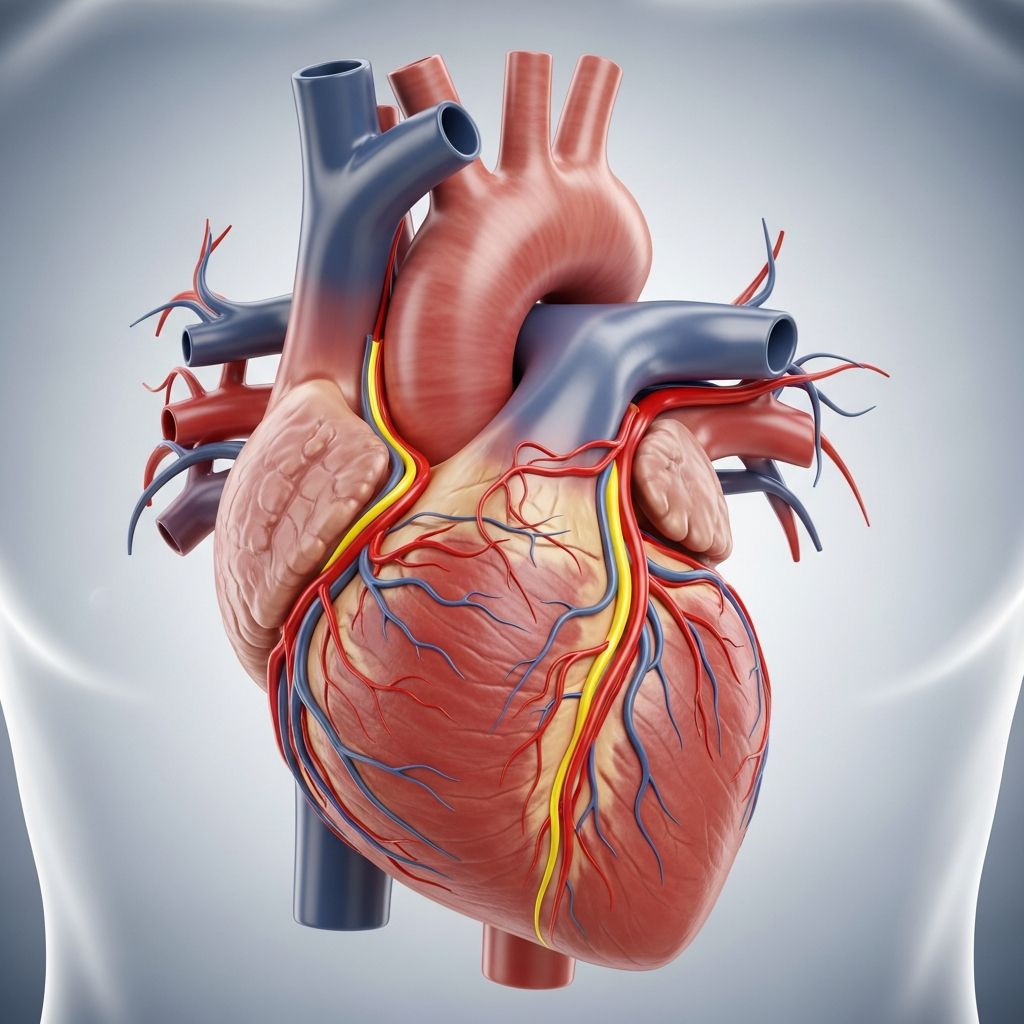
The left anterior descending artery, commonly abbreviated as LAD, is one of the most vital blood vessels in your body. It is a major branch of the left main coronary artery, which carries oxygenated blood to the left side of your heart. The term “anterior” refers to the front of your heart, and the LAD specializes in supplying blood to the anterior (front) portion of your heart, making it the biggest supplier of oxygenated blood to your heart’s lower left pumping chamber, known as the left ventricle. The LAD also supplies blood to the septum, the muscular tissue that separates the heart walls and is essential for the heart’s coordinated function.
Understanding the LAD is crucial for comprehending how your heart receives the oxygen-rich blood it needs to function effectively. When the LAD is healthy and unobstructed, it ensures that a significant portion of your heart muscle receives adequate blood supply, supporting your heart’s ability to pump blood throughout your body efficiently. However, when problems arise with the LAD, the consequences can be serious and life-threatening.
Anatomy and Location of the LAD Artery
The left anterior descending artery is located within your heart’s outer protective layer, known as the epicardium. From this location, it runs in a groove along the septum, traveling from the base of your heart to the apex, which is the bottom point of the heart. This strategic positioning allows the LAD to supply blood to multiple critical regions of the heart simultaneously.
The LAD originates from the left main coronary artery and continues as the largest coronary artery that runs anterior to the interventricular septum in the anterior interventricular groove. It extends from the base of the heart all the way to the apex, running along the epicardial surface to avoid being compressed by the cardiac muscle when it contracts. In approximately 78% of cases, the LAD reaches the apex of the heart, demonstrating its extensive reach and importance in cardiac blood supply.
Course and Pathway
The LAD follows a specific pathway through the heart. It first passes posterior to the pulmonary artery, then passes anteriorward between the pulmonary artery and the left atrium to reach the anterior interventricular sulcus. Once it reaches this groove, it descends along the sulcus toward the notch of the cardiac apex. This anatomical course ensures that the artery can effectively deliver oxygenated blood to the regions it serves.
While the typical course of the LAD is well-established, anatomical variations do exist. Although rare, multiple anomalous courses of the LAD have been described in medical literature, including unusual origins of the artery from the right aortic sinus. Recognizing these variations is important for accurate diagnosis and effective treatment planning, particularly when patients require interventions such as angioplasty or bypass surgery.
Branches and Blood Supply Distribution
The LAD gives off two primary types of branches: septal branches and diagonal branches. Each type serves specific regions of the heart and plays an important role in distributing oxygenated blood throughout the left ventricle.
Septal Branches
Septal branches originate from the LAD at 90-degree angles to the surface of the heart. These branches perforate the interventricular septum and supply the anterior two-thirds of the interventricular septum. The septal branches are numbered sequentially (S1, S2, and so on) starting from the base of the heart and proceeding toward the apex. Because they perforate the septum perpendicularly, they effectively penetrate the muscular wall that divides the two ventricles, ensuring that this critical tissue receives adequate oxygenation.
Related Stories



Diagonal Branches
Diagonal branches, in contrast, run along the surface of the heart rather than perforating it. These branches course over the anterior aspect of the left ventricle and are numbered sequentially as D1, D2, and beyond, starting from the proximal region and extending distally toward the apex. The diagonal branches supply the lateral wall of the left ventricle and the anterolateral papillary muscle. The left anterior ventricular branch can give off as many as seven or eight diagonal branches, highlighting the complex branching pattern of the LAD.
Regional Blood Supply
Through its septal and diagonal branches, the LAD supplies blood to several critical regions of the heart:
- Anterolateral myocardium (the muscular wall of the left ventricle)
- Cardiac apex (the bottom point of the heart)
- Anterior interventricular septum (the front portion of the wall separating the ventricles)
- Anterolateral papillary muscle (muscles that anchor the mitral valve)
The LAD typically supplies 45 to 55 percent of the left ventricle, making it the most critical vessel in terms of myocardial blood supply. This extensive supply territory underscores why blockages of the LAD can result in such severe cardiac events.
Function and Importance of the LAD
The primary function of the LAD is to deliver oxygen-rich blood to the front and bottom of the left ventricle and the front of the septum. Because it supplies such a vital area of the heart, blockages or anomalies in the LAD can lead to significant cardiac events, including myocardial infarction (heart attack) and sudden cardiac death.
The left ventricle is the heart’s main pumping chamber, responsible for ejecting oxygenated blood to the entire body. Therefore, any disruption in blood flow to this region can have profound consequences for your overall cardiovascular health. The LAD’s role in supplying such a large portion of the left ventricle makes it the artery most directly linked to your heart’s ability to pump blood effectively.
The “Widow Maker” and LAD Blockage
The LAD is sometimes referred to colloquially as the “widow maker” artery. This grim nickname reflects the high mortality rate associated with blockages of this vessel. When the LAD becomes blocked, it can quickly lead to an extensive heart attack because of the large area of heart muscle that depends on it for blood supply. Unlike blockages in other coronary arteries that may affect smaller regions of the heart, a complete LAD blockage can damage a substantial portion of the left ventricle.
Blockage of the LAD is often called “widow-maker infarction” due to the high risk of death associated with acute occlusion of this artery. The proximal LAD, in particular, is highly susceptible to atherosclerotic disease, which is a primary reason for heart attacks in this region. Atherosclerosis is the buildup of plaque inside the artery, which can narrow the vessel and eventually block blood flow entirely.
LAD Dominance and Circulatory Patterns
While the LAD is a major supplier of blood to the left ventricle, the coronary circulation also involves the right coronary artery. In about 8 in 10 people, the right main coronary artery supplies blood to the posterior descending artery (PDA), which carries blood to the inferior (lower) and posterior (back) portions of your heart and part of your septum. Providers call this pattern “right-dominant circulation.”
At the apex of the heart, the LAD anastomoses (connects) with the terminal branches of the posterior descending artery. This connection ensures that even if one artery becomes partially blocked, collateral circulation may partially compensate for the loss of blood flow. However, this collateral circulation is often insufficient to prevent serious damage if the LAD becomes completely occluded.
Clinical Variations and Anomalies
While the typical anatomy of the LAD is well-characterized, variations and anomalies do occur in some individuals. One notable anomaly is the presence of a dual LAD, where two arteries run in the anterior interventricular sulcus. In this variation, one LAD is typically shorter and terminates high in the sulcus, while the other extends to the cardiac apex, ensuring blood supply to this critical region. Recognizing dual LAD is important for accurate diagnosis and management, especially during interventions like angioplasty or bypass surgery, as missing one branch can lead to inadequate revascularization and poor outcomes.
Other LAD variations include hyper-dominant LAD (where the LAD supplies territory typically supplied by other arteries), anomalous origins (where the LAD originates from an unusual location), and myocardial bridging (where portions of the LAD pass through the heart muscle rather than along its surface). Early recognition and thorough imaging are key to ensuring proper management and preventing serious cardiac complications in patients with these anatomical variations.
Imaging and Diagnosis
Understanding the LAD’s anatomy and recognizing its variants is essential for effective diagnosis, risk assessment, and treatment planning in patients with coronary artery disease or congenital anomalies. Imaging studies such as coronary angiography, CT angiography, and other advanced cardiovascular imaging techniques help visualize the LAD and identify any abnormalities or blockages.
These imaging modalities allow healthcare providers to assess the degree of blockage, identify the location of narrowing, and determine the best course of treatment. In some cases, imaging may reveal anatomical variations that require special consideration during invasive procedures or medication planning.
Risk Factors and Prevention
Several risk factors can increase your likelihood of developing LAD blockages. These include high cholesterol, high blood pressure, smoking, diabetes, obesity, sedentary lifestyle, and a family history of heart disease. The proximal LAD is particularly prone to atherosclerosis, making it especially vulnerable to plaque buildup and narrowing.
Prevention strategies include maintaining a healthy diet, engaging in regular physical activity, managing stress, avoiding tobacco use, and controlling chronic conditions such as diabetes and hypertension. Regular medical check-ups and appropriate screening can help identify early signs of coronary artery disease before a critical blockage develops.
Treatment Considerations
When LAD blockages are detected, treatment options may include medications to reduce plaque formation and improve blood flow, angioplasty with stent placement to open the blocked artery, or coronary artery bypass surgery to create an alternative route for blood flow. The choice of treatment depends on the severity of the blockage, the patient’s overall health status, and other individual factors.
Accurate identification of LAD anatomy and its variants is essential for effective diagnosis and treatment planning. Providers must carefully assess the extent of blockage and consider any anatomical variations that might affect the success of interventions.
Frequently Asked Questions
Q: What does LAD stand for?
A: LAD stands for Left Anterior Descending artery. It is also called the anterior interventricular artery or the anterior interventricular branch of the left coronary artery.
Q: Why is the LAD called the “widow maker”?
A: The LAD is nicknamed the “widow maker” because blockage of this artery can cause extensive heart damage and carries a high risk of death, given the large portion of the left ventricle that depends on it for blood supply.
Q: What percentage of the left ventricle does the LAD supply?
A: The LAD typically supplies 45 to 55 percent of the left ventricle, making it the most critical vessel in terms of myocardial blood supply and the most important vessel supplying the left ventricle.
Q: What are the branches of the LAD?
A: The LAD has two main types of branches: septal branches, which perforate the interventricular septum and supply the anterior two-thirds of the septum, and diagonal branches, which run along the surface of the heart and supply the lateral wall of the left ventricle and the anterolateral papillary muscle.
Q: What happens if the LAD becomes blocked?
A: If the LAD becomes blocked, it can lead to a myocardial infarction (heart attack) affecting a large portion of the left ventricle. This can result in severe cardiac dysfunction, heart failure, arrhythmias, or sudden cardiac death.
Q: How can I reduce my risk of LAD blockage?
A: You can reduce your risk by maintaining a healthy diet, exercising regularly, managing stress, avoiding smoking, controlling blood pressure and cholesterol levels, maintaining a healthy weight, and managing chronic conditions such as diabetes.
Q: What is right-dominant circulation?
A: Right-dominant circulation is a pattern where the right coronary artery supplies the posterior descending artery, which occurs in approximately 8 in 10 people. This describes how blood supply to the heart is distributed among the coronary arteries.
Q: What is a dual LAD anomaly?
A: A dual LAD is a rare anatomical variation where two LAD arteries run in the anterior interventricular sulcus, with one typically shorter and one extending to the cardiac apex. This variation requires special consideration during surgical or interventional procedures.
References
- Anatomy, Thorax, Heart Left Anterior Descending (LAD) Artery — National Center for Biotechnology Information (NCBI). 2023. https://www.ncbi.nlm.nih.gov/books/NBK482375/
- Left Anterior Descending Artery — Cleveland Clinic. https://my.clevelandclinic.org/health/body/23985-left-anterior-descending-artery
- Left anterior descending artery (LAD artery) — Kenhub. https://www.kenhub.com/en/library/anatomy/left-anterior-descending-artery-lad
- Left Anterior Descending Artery — Atlas of Human Cardiac Anatomy, University of Minnesota. https://www.vhlab.umn.edu/atlas/coronary-arteries/lad-left-anterior-descending-artery/index.shtml
- Left Anterior Descending Artery Function: Anatomy and Blood Supply — Consensus. https://consensus.app/questions/left-anterior-descending-artery-function/
Similar Articles








Read full bio of Sneha Tete