Left Atrial Appendage: Anatomy, Function & Health
Understanding your heart's LAA: structure, function, and its role in stroke prevention.
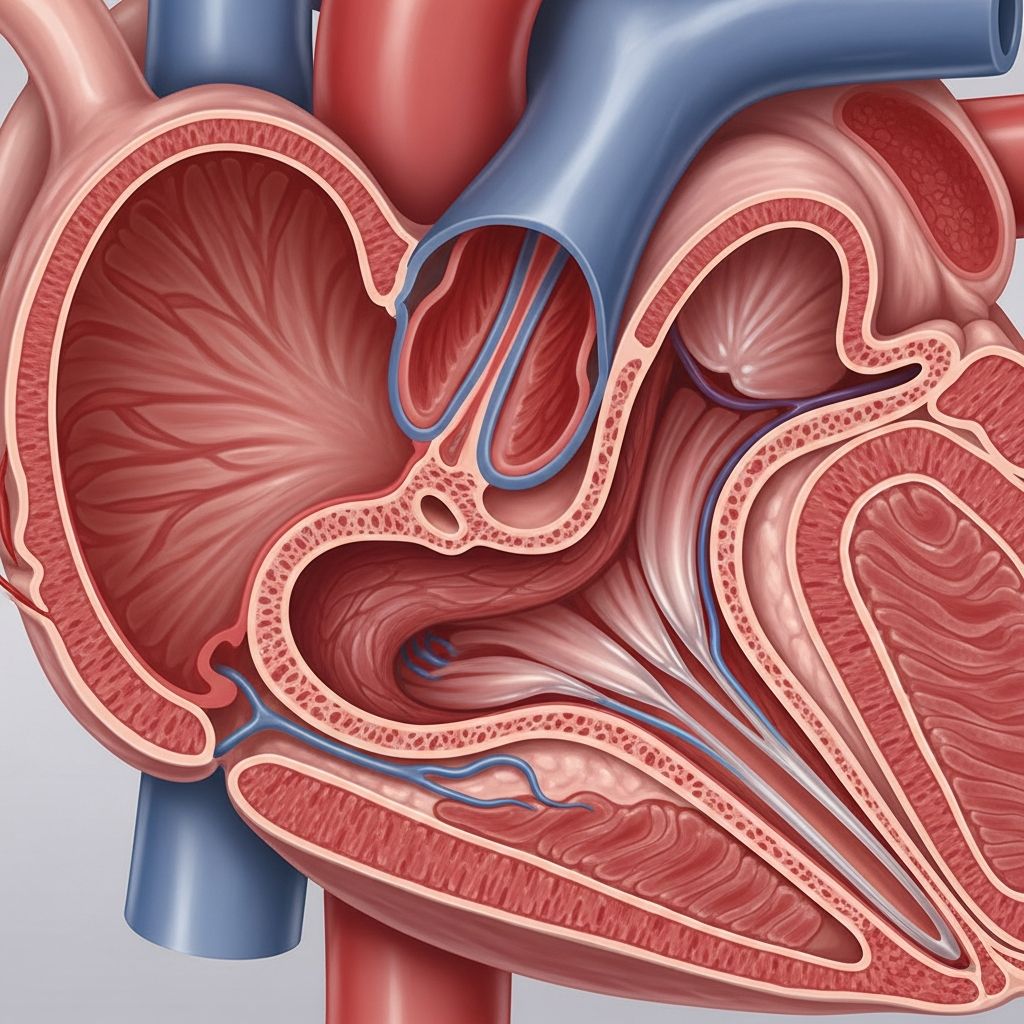
Understanding the Left Atrial Appendage
The left atrial appendage (LAA) is a small pouch of muscular tissue that extends from your left atrium, which is the upper left chamber of your heart. Although many people have never heard of this anatomical structure, it plays a measurable role in your cardiovascular system and has become increasingly important in modern cardiac medicine, particularly for patients with atrial fibrillation who face elevated stroke risks. Understanding what your LAA is, where it’s located, and how it functions can help you make informed decisions about your heart health with your healthcare provider.
Anatomical Structure and Location
Your left atrial appendage is situated in a groove between your left atrium and your left ventricle, the lower left chamber of your heart. It lies on top of your left ventricle or main pulmonary artery and runs in the same direction as your left superior pulmonary vein. Like the rest of your heart, your LAA is enclosed within your heart’s protective sac called the pericardium.
Size and Shape Characteristics
The left atrial appendage is typically about 46 millimeters (just under 2 inches) in length, though it can vary considerably from person to person, ranging between 27 to 60 millimeters—roughly comparable to the short edge of a credit card. Your LAA can hold approximately 9 milliliters of blood, which equals about 2 teaspoons. The opening to your LAA is usually oval in shape, though it can be round or take on other configurations depending on individual anatomy.
Variable Morphology
One fascinating aspect of LAA anatomy is its variability. The number of lobes in your LAA differs from person to person, and so does its overall shape. The most common shape resembles a chicken wing, though other variations exist. Your LAA’s anatomy consists of an opening and a pouch of muscular tissue that contracts, allowing blood to flow in and out through the opening and into the pouch itself.
Physiological Function
Despite being relatively unknown to many people, the left atrial appendage does serve specific physiological functions in your cardiovascular system. Understanding these functions helps explain why the LAA is important for overall heart health and blood pressure regulation.
Blood Volume Management
The primary function of your left atrial appendage is to manage the amount of blood in your heart. When your heart experiences increased blood volume, the walls of your LAA stretch. This stretching triggers an important biological response: your LAA releases natriuretic peptides, which are specialized proteins designed to help regulate blood volume and pressure. When these peptides are released into your bloodstream, they work in multiple ways to reduce excess blood volume and lower blood pressure.
Mechanisms of Blood Pressure Regulation
Once natriuretic peptides are released from your LAA, they travel through your bloodstream and encourage your kidneys to eliminate more salt and water through urination. Simultaneously, these peptides cause your blood vessels to relax and dilate. These combined actions—increased urinary sodium and water excretion along with vasodilation—work together to lower your blood pressure and reduce the overall volume of blood circulating through your cardiovascular system. This elegant regulatory mechanism represents one of your body’s natural ways of maintaining cardiovascular homeostasis.
Related Stories



Clinical Significance in Atrial Fibrillation
While the left atrial appendage serves important regulatory functions under normal circumstances, it becomes clinically significant in patients with atrial fibrillation (AFib). Understanding why the LAA matters in this context is crucial for anyone diagnosed with or at risk for this common arrhythmia.
Blood Clot Formation Risk
In atrial fibrillation, the irregular heartbeat disrupts normal blood flow patterns within the heart chambers. Because your LAA is essentially a pouch, blood tends to collect and pool within it, particularly when the heart’s rhythm is irregular. When blood becomes stagnant in this pouch, it creates ideal conditions for blood clots to form. These clots can become dangerous if they break free and enter your bloodstream, potentially traveling to your brain and causing a stroke.
Stroke Risk Elevation
People with atrial fibrillation are three to five times more likely to experience a stroke compared to the general population. This dramatically elevated risk exists precisely because of the propensity for blood clots to form in the LAA during AFib episodes. Research has shown that approximately 90% of strokes originating from an upper heart chamber begin in the left atrial appendage, underscoring its critical role in stroke pathophysiology.
Clinical Management and Prevention Strategies
Because the LAA poses a stroke risk in atrial fibrillation patients, healthcare providers have developed multiple strategies to address this risk. These approaches fall into two main categories: pharmacological prevention and structural intervention.
Medical Management
Traditionally, physicians have managed LAA-related stroke risk through blood-thinning medications (anticoagulants) that make it more difficult for blood clots to form within the appendage. These medications, such as warfarin or newer direct oral anticoagulants (DOACs), effectively reduce clot formation and significantly lower stroke risk in most patients with AFib.
Structural Solutions
For patients who cannot tolerate blood-thinning medications or who prefer an alternative approach, left atrial appendage closure or occlusion represents an option. This intervention involves either surgically removing or blocking off the LAA to prevent blood clots from escaping into the bloodstream. By sealing or removing this structure, physicians can substantially reduce stroke risk without requiring long-term anticoagulation therapy.
Can You Function Without Your LAA?
An important question many patients ask is whether they can live normally without their left atrial appendage. The answer is yes. Although your LAA does serve a physiological purpose in managing blood volume and regulating blood pressure through natriuretic peptide release, you can function well without it. The natriuretic peptide system involves multiple sources throughout your body, not just your LAA. Additionally, your kidneys and other regulatory mechanisms can compensate effectively for the loss of LAA function. If your LAA is putting you at significant risk of stroke—particularly if you have atrial fibrillation—removing or blocking it is a medically sound approach that can free you from the need to take blood-thinning medications indefinitely.
Frequently Asked Questions
Q: What does LAA stand for?
A: LAA stands for left atrial appendage, a small pouch of tissue that extends from the left atrium, the upper left chamber of your heart.
Q: Why is the LAA called a “chicken wing”?
A: The most common shape of the left atrial appendage resembles a chicken wing, which is why cardiologists often use this descriptor when discussing LAA morphology with patients and colleagues.
Q: How much blood can the LAA hold?
A: The left atrial appendage can hold approximately 9 milliliters of blood, roughly equivalent to 2 teaspoons.
Q: Is everyone’s LAA the same size and shape?
A: No, LAA anatomy varies significantly from person to person. Size typically ranges from 27 to 60 millimeters, and the number of lobes and overall shape can differ considerably between individuals.
Q: What triggers natriuretic peptide release from the LAA?
A: Natriuretic peptides are released when the LAA walls stretch due to increased blood volume in your heart. This stretching signals your LAA to release these regulatory proteins into your bloodstream.
Q: Can I have a normal life without my LAA?
A: Yes, absolutely. While your LAA does serve physiological functions, your body can compensate effectively without it. If removing or closing your LAA reduces your stroke risk, the benefits typically outweigh any concerns about losing this structure.
Q: Why do people with AFib have higher stroke risk?
A: The irregular heartbeat in atrial fibrillation disrupts normal blood flow, causing blood to pool and stagnate in the LAA where clots can form. These clots can then travel to the brain and cause a stroke.
Q: What percentage of strokes from the heart start in the LAA?
A: Approximately 90% of strokes that originate from the upper heart chambers begin in the left atrial appendage.
References
- Left Atrial Appendage (LAA) — Cleveland Clinic. 2024. https://my.clevelandclinic.org/health/body/left-atrial-appendage
- Left Atrial Appendage Closure — Cleveland Clinic. 2024. https://my.clevelandclinic.org/health/treatments/17167-left-atrial-appendage-closure
- Left atrial appendage closure — Cleveland Clinic Journal of Medicine, 2015. https://www.ccjm.org/content/ccjom/82/3/167.full.pdf
- Insights from the LAAOS III trial of left atrial appendage occlusion — Cleveland Clinic Journal of Medicine, 2023. https://www.ccjm.org/content/92/7/415
- LAA Closure in the Setting of Atrial Fibrillation Ablation – OPTION Trial — Cleveland Clinic Consult QD. 2024. https://consultqd.clevelandclinic.org/laa-closure-in-setting-of-atrial-fibrillation-ablation-option-trial
- Comparative outcomes of left atrial appendage occlusion with and without concurrent atrial fibrillation ablation — National Center for Biotechnology Information (NCBI). 2024. https://pmc.ncbi.nlm.nih.gov/articles/PMC12287916/
Similar Articles








Read full bio of medha deb