Left Bundle Branch Block: Causes, Symptoms & Treatment
Understanding LBBB: Essential guide to causes, symptoms, diagnosis, and effective treatment options.
Understanding Left Bundle Branch Block
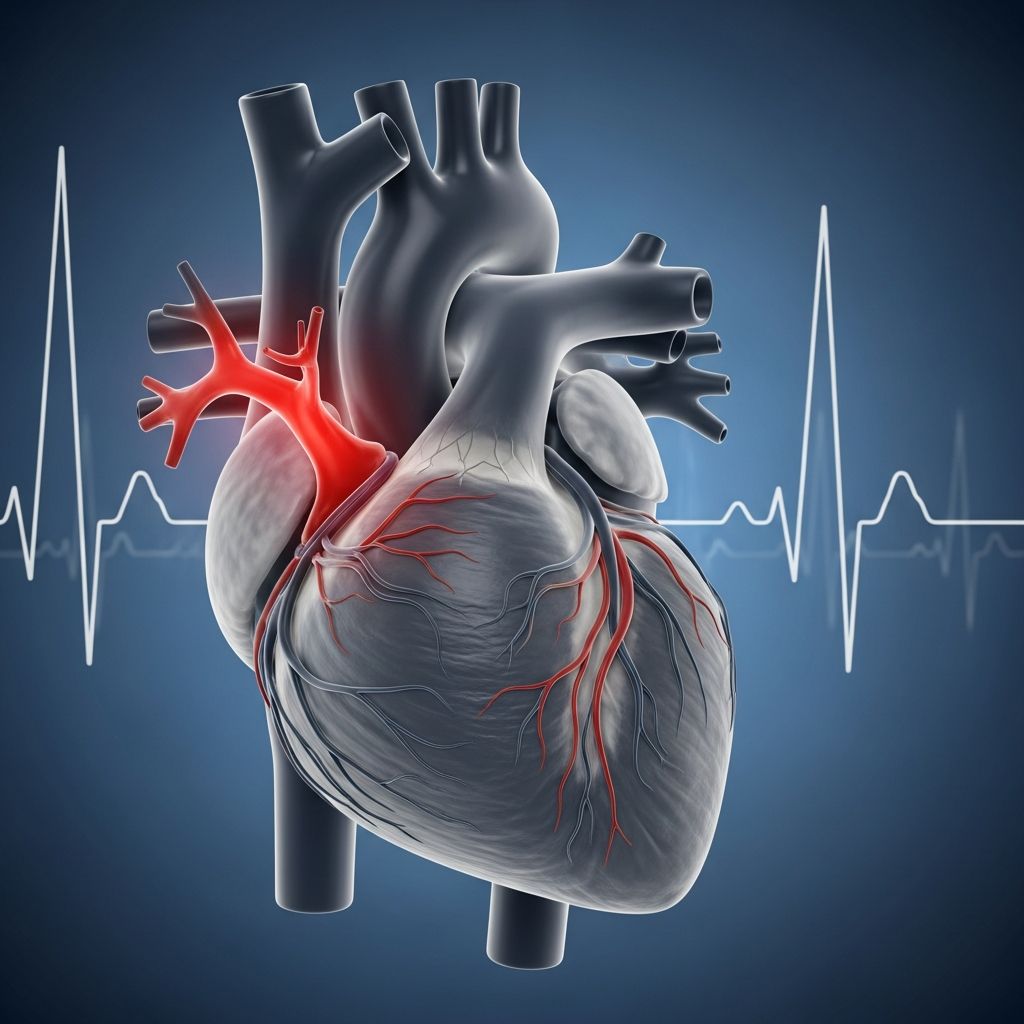
Left bundle branch block (LBBB) occurs when something blocks or disrupts the electrical impulse that causes your heart to beat. This block leads to an abnormal heart rhythm, and a diagnosis of left bundle branch block often means that you have an underlying heart condition. Understanding this condition is essential for managing your cardiovascular health and preventing serious complications.
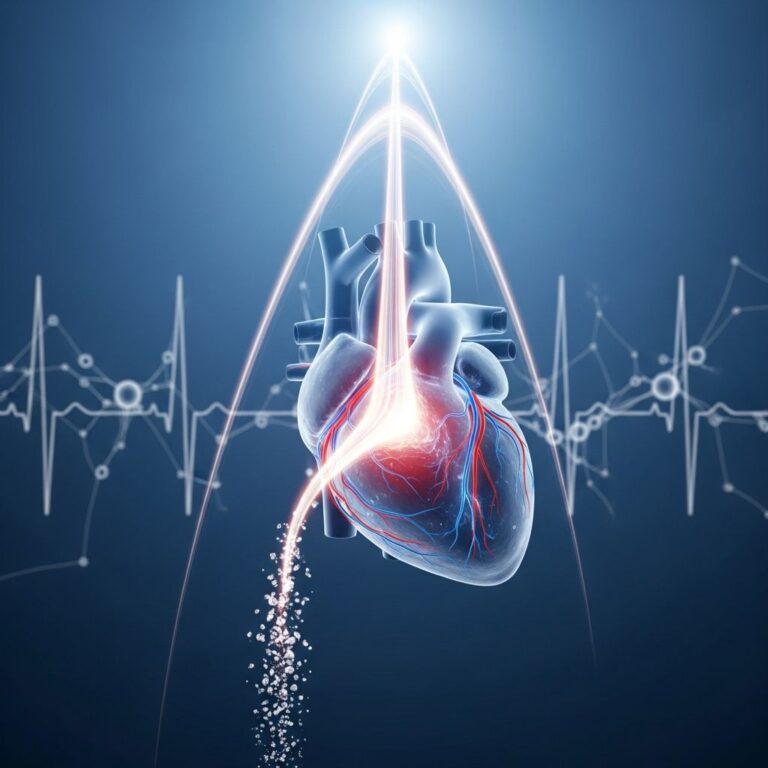
Your heart sends electrical impulses to the bottom chambers of your heart, known as the ventricles. These impulses signal for these chambers to beat. Typically, the two bottom chambers or ventricles should beat in sync. If you have LBBB, the bundle branch that carries the electrical impulse to your left ventricle is either partially or completely blocked. This problem causes your right ventricle to contract before your left ventricle, making it harder for your heart to pump blood efficiently.
How the Heart’s Electrical System Works
The heart’s conduction system is a sophisticated network that ensures proper blood flow and oxygen delivery throughout your body. In left bundle branch block, as the name implies, electrical conduction along the left bundle branch is blocked or delayed. Ventricular activation therefore begins in the right ventricle and the right side of the interventricular septum. Transseptal activation from the right ventricle to the left ventricle is slow, because it is transmyocardial. Left ventricular basal and posterolateral wall segments become activated last. Due to delay in the onset of left ventricular contraction, ventricular contraction is dyssynchronous, meaning the chambers don’t contract in a coordinated manner.
Causes of Left Bundle Branch Block
Left bundle branch block often results from heart damage. Various conditions can trigger the development of LBBB, including:
– Coronary artery disease- Heart failure- Cardiomyopathy- High blood pressure- Aortic valve disease- Heart attack- Myocarditis (inflammation of heart muscle)- Cardiac procedures or surgery- Certain medications- Age-related degeneration
Sometimes, left bundle branch block has no known cause. It can occur in people whose hearts otherwise function normally and who have no underlying conditions. In some cases, LBBB can be an isolated finding without any obvious pathological significance.
Recognizing Symptoms of LBBB
Left bundle branch block may not cause any symptoms. However, when this condition does cause symptoms, they may include:
– Fatigue or extreme tiredness- Shortness of breath, especially during physical activity- Dizziness or lightheadedness- Chest pain or discomfort- Rapid heartbeat- Syncope (fainting)- Palpitations or feeling your heart racing
Many people with LBBB discover the condition incidentally during routine medical examinations or ECG testing for other reasons. If you experience any of these symptoms, it’s important to consult your healthcare provider promptly for proper evaluation and monitoring.
Diagnostic Procedures and Testing
Diagnosing left bundle branch block typically begins with an electrocardiogram (ECG), which can clearly identify the characteristic electrical pattern associated with LBBB. Your healthcare provider may recommend additional testing to determine if there are underlying heart conditions or if you have coronary artery disease.
Related Stories



Electrocardiogram (ECG)
The ECG is the primary diagnostic tool for identifying LBBB. It records the electrical activity of your heart and shows the characteristic pattern of delayed electrical conduction in the left bundle branch.
Imaging Tests for Coronary Artery Disease Assessment
For patients with LBBB and suspected coronary artery disease, several imaging strategies are available. Exercise stress echocardiography is recommended by current guidelines; however, it cannot reliably detect significant obstructive CAD in patients with resting left bundle branch block, as its specificity and diagnostic accuracy are poor.
Alternative imaging strategies include:
– CT angiography- Pharmacologic nuclear myocardial perfusion imaging using coronary vasodilators- Dobutamine stress echocardiography
CT angiography can assess for significant obstructive CAD in patients with resting left bundle branch block. However, its diagnostic accuracy can be affected by coronary calcification in older patients. Additionally, each scan is associated with a small amount of radiation exposure, and a small number of patients will have a true contrast allergy.
Treatment Options for Left Bundle Branch Block
When No Treatment is Needed
If you’re healthy with no underlying conditions, left bundle branch block shouldn’t impact your overall health. In such cases, treatment may not be necessary, and regular monitoring is typically sufficient to ensure your condition remains stable.
Pacemaker Implantation
Your healthcare provider may recommend a pacemaker if you experience symptoms related to LBBB or if you have an underlying heart condition. A pacemaker is a small electronic device implanted under your skin that sends regular electrical pulses to keep your heart beating at a healthy rate.
Cardiac Resynchronization Therapy (CRT)
If you have heart failure, your provider may suggest cardiac resynchronization therapy (CRT). This type of pacemaker helps your ventricles contract at the same time, improving the heart’s pumping efficiency. CRT can help reduce symptoms such as fatigue and shortness of breath. In patients with LBBB and heart failure, CRT has been shown to significantly improve quality of life and reduce hospital admissions.
Treating Underlying Conditions
Healthcare providers often focus on treating the underlying health problems that cause or contribute to LBBB. Managing conditions such as high blood pressure, heart disease, and diabetes can help slow the progression of bundle branch block and reduce complications.
Risk Factors and Health Implications
Age and Increased Risk
The risk of left bundle branch block increases significantly with age. If you’re over 65 and have heart disease or another cardiovascular disorder, untreated LBBB can be serious. This condition is associated with a higher risk of death, especially if you have heart failure or have experienced a heart attack. When LBBB occurs at rest, the risk of death from a cardiovascular event is three to four times higher compared to those without the condition.
LBBB and Acute Myocardial Infarction
Acute left bundle branch block accompanying acute myocardial infarction is associated with a high risk of death. Research has shown that in patients with acute myocardial infarction and left bundle branch block, the in-hospital mortality rate is significantly elevated, with one-year mortality rates also substantially increased.
Impact on Daily Life and Work
A left bundle branch block may be the first sign of a complete heart block. Therefore, the U.S. and U.K. restrict pilots with LBBB from flying an airplane. Otherwise, having a bundle branch block usually won’t affect your work, unless you have severe symptoms that limit your physical activity.
If you have no underlying conditions, bundle branch block may not affect your overall health or life span. However, if you have other conditions that affect your heart, LBBB may make your heart deteriorate faster and worsen your symptoms.
Living with Left Bundle Branch Block
Lifestyle Modifications
You can reduce your risk of complications and improve your overall health through making healthy lifestyle choices:
– Maintain a heart-healthy diet low in sodium and saturated fats- Exercise regularly as recommended by your healthcare provider- Manage stress through relaxation techniques or counseling- Avoid smoking and limit alcohol consumption- Maintain a healthy weight- Control blood pressure and diabetes if applicable- Get adequate sleep- Take medications as prescribed
Regular Medical Monitoring
If you have been diagnosed with LBBB, regular follow-up appointments with your healthcare provider are essential. These visits allow your provider to monitor your condition, assess any changes, and adjust treatment as needed. If you see a new doctor, always tell them if you have left bundle branch block. This information will help them better monitor your heart health and overall wellness.
When to Seek Emergency Care
See your healthcare provider immediately if you experience any new symptoms, including chest pain, severe shortness of breath, fainting, or rapid heartbeat. These could indicate a serious complication requiring urgent medical attention.
Prognosis and Long-Term Outlook
The long-term prognosis for LBBB depends largely on whether you have underlying heart conditions. For individuals without underlying cardiac disease, the prognosis is generally favorable. However, in patients with heart failure, coronary artery disease, or other significant cardiac conditions, LBBB can indicate a need for closer monitoring and more aggressive management strategies.
Modern treatment options, particularly cardiac resynchronization therapy for appropriate candidates, have significantly improved outcomes for patients with LBBB and heart failure. Many patients experience symptom improvement and enhanced quality of life with proper treatment and management.
Frequently Asked Questions
Q: Is left bundle branch block serious?
A: LBBB can range from being a benign finding in healthy individuals to a serious condition in those with underlying heart disease. Its significance depends on your overall heart health and whether you have other cardiovascular conditions.
Q: Can left bundle branch block go away on its own?
A: LBBB typically does not resolve spontaneously. Once the conduction pathway is blocked, it usually remains. However, treatment can help manage symptoms and reduce complications.
Q: Do I need a pacemaker if I have LBBB?
A: Not everyone with LBBB requires a pacemaker. Your healthcare provider will determine if a pacemaker or cardiac resynchronization therapy is necessary based on your symptoms, underlying conditions, and test results.
Q: Can I exercise if I have left bundle branch block?
A: Many people with LBBB can exercise safely. However, consult your healthcare provider about appropriate exercise levels based on your specific condition and symptoms.
Q: How often should I have follow-up appointments?
A: The frequency of follow-up appointments depends on your individual situation. Your healthcare provider will recommend an appropriate schedule based on your condition severity and overall health.
Q: Will LBBB affect my life expectancy?
A: If you have no underlying heart conditions, LBBB should not affect your life expectancy. However, if you have other cardiac conditions, proper management and treatment are important for maintaining long-term health.
Moving Forward
If you or a loved one has left bundle branch block, talk to your healthcare provider about the best ways to improve your quality of life. If you aren’t experiencing symptoms, you may not need treatment. If you do have symptoms, talk to your provider about whether a pacemaker or cardiac resynchronization therapy can help you. With proper diagnosis, monitoring, and management, many people with LBBB lead full and active lives.
References
- In Patients with Left Bundle Branch Block, What’s the Best Test for Coronary Artery Disease? — Cleveland Clinic, ConsultQD. https://consultqd.clevelandclinic.org/in-patients-with-left-bundle-branch-block-whats-the-best-test-for-cad
- Left Bundle Branch Block: Causes, Symptoms & Treatment — Cleveland Clinic. https://my.clevelandclinic.org/health/diseases/23287-left-bundle-branch-block
- Bundle Branch Block: Causes, Symptoms & Treatment — Cleveland Clinic. https://my.clevelandclinic.org/health/diseases/22938-bundle-branch-block
- Prognostic Significance of Exercise-Induced Left Bundle-Branch Block — JAMA, Cleveland Clinic Foundation. https://jamanetwork.com/journals/jama/fullarticle/1150333
- LBBB and Heart Failure—Relationships Among QRS Amplitude, QRS Duration, and Left Ventricular Mass — Journal of Cardiovascular Electrophysiology, Wiley Online Library. https://onlinelibrary.wiley.com/doi/10.1111/jce.16097
Similar Articles








Read full bio of medha deb