Left-Side Chest Pain: Causes, Symptoms & Treatment
Understanding left-side chest pain: Heart, lung, and digestive causes explained.
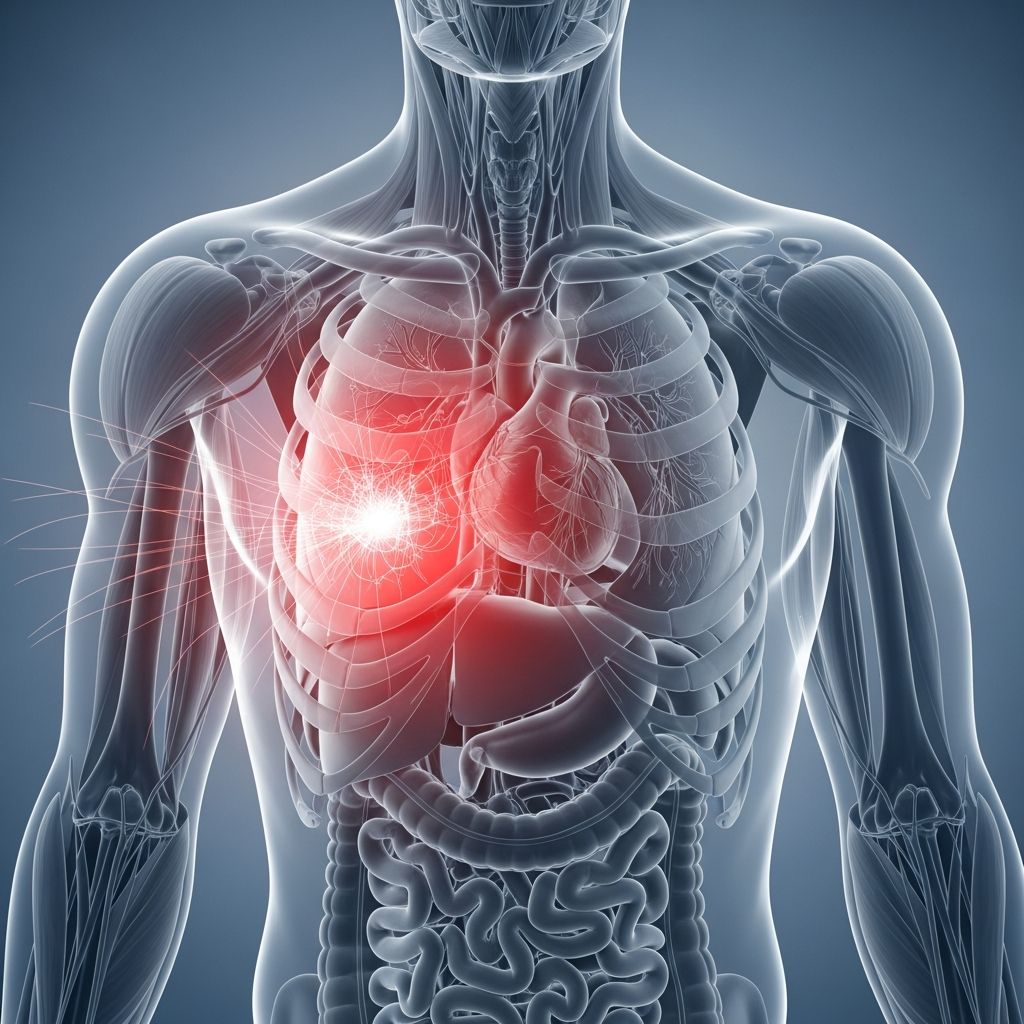
Understanding Left-Side Chest Pain
Left-side chest pain can be alarming and concerning, often prompting immediate worry about heart health. However, chest pain on the left side of your body can stem from numerous causes, many of which are not life-threatening. While heart-related issues are certainly a possibility that requires attention, problems with your lungs, digestive system, muscles, and bones can also produce left-side chest pain. Understanding the potential causes and knowing when to seek medical attention is crucial for your health and peace of mind.
The key to managing left-side chest pain effectively is recognizing that while some causes demand emergency care, others can be managed with appropriate medical treatment or lifestyle modifications. A qualified healthcare provider can help you determine the underlying cause of your pain and recommend the most appropriate course of action.
Common Causes of Left-Side Chest Pain
Left-side chest pain can originate from several different systems in your body. Understanding these potential sources can help you provide better information to your healthcare provider and recognize when symptoms warrant immediate attention.
Heart and Blood Vessel Issues
Heart-related causes of left-side chest pain often involve problems with blood flow and oxygen delivery. These conditions can range from minor to life-threatening and require professional medical evaluation. Issues with your heart or blood vessels frequently involve blockages in blood vessels or weaknesses in their walls that restrict blood flow to the heart muscle.
Heart-related chest pain typically feels like pressure, tightness, or heaviness in the chest. Many people describe the sensation as feeling like an elephant sitting on their chest. This type of pain may radiate to your left arm, neck, jaw, or back. Additional symptoms often accompanying cardiac chest pain include shortness of breath, sweating, nausea, and dizziness.
Lung-Related Causes
Medical conditions affecting your lungs can produce left-side chest pain, particularly when they interfere with breathing or oxygen exchange. Some lung issues require immediate treatment, especially if they make breathing difficult. Lung-related chest pain may improve when you change your body position or may worsen with deep breathing.
Several lung conditions can cause chest discomfort, including pneumonia, asthma, chronic obstructive pulmonary disease (COPD), and pulmonary embolism. The nature and severity of chest pain from lung issues varies depending on the specific condition, but difficulty breathing often accompanies the pain.
Digestive System Issues
Your digestive system can produce left-side chest pain through various conditions that affect the esophagus, stomach, and nearby organs. Gastroesophageal reflux disease (GERD), also known as acid reflux, is a common cause of non-cardiac chest pain. The acidic contents of your stomach irritate the esophagus, creating a burning sensation that can mimic heart-related chest pain.
Other digestive conditions causing left-side chest pain include gastritis, esophageal spasms, and peptic ulcers. These conditions may produce chest discomfort along with other symptoms such as bloating, gas, indigestion, or abdominal pain.
Related Stories



Musculoskeletal Causes
Pain originating from your muscles and bones represents another category of left-side chest pain. Costochondritis, inflammation of the cartilage connecting your ribs to your breastbone, commonly causes chest wall pain. This condition may develop following an injury, excessive coughing, or overexertion.
Precordial catch syndrome presents as a sudden, sharp, stabbing pain typically located on the left side of your chest near your heart. This condition is harmless and usually resolves within minutes. Poor posture often triggers precordial catch syndrome, and the pain typically worsens with certain body positions.
Recognizing Serious Symptoms
While many causes of left-side chest pain are not emergencies, certain symptoms require immediate medical attention. Understanding these warning signs can be lifesaving.
Heart Attack Warning Signs
Left-side chest pain represents one symptom of a heart attack, but it rarely occurs in isolation. Additional heart attack symptoms include:
- Pressure, tightness, or heaviness in your chest
- Pain radiating to your left arm, neck, jaw, or back
- Shortness of breath
- Profuse sweating
- Nausea or vomiting
- Dizziness or lightheadedness
- Fatigue or weakness
If your chest discomfort lasts for three minutes or longer, worsens rapidly, or occurs with any of these additional symptoms, call your local emergency number immediately. Do not wait or attempt to drive yourself to the hospital.
Other Serious Conditions
Beyond heart attacks, several other conditions producing left-side chest pain require emergency care. An aortic aneurysm, a weakening of the aorta wall, can be fatal if it ruptures. Pulmonary embolism, a blood clot in your lungs, restricts oxygen flow and demands immediate treatment. Pneumothorax, a collapsed lung, also causes severe chest pain and breathing difficulty requiring emergency intervention.
When to Seek Medical Attention
Determining when to seek emergency care versus scheduling a regular appointment with your healthcare provider can be challenging. However, certain guidelines can help you make the right decision.
Emergency Situations
Call your local emergency number immediately if you experience:
- Left-side chest pain lasting more than five minutes that doesn’t improve with rest or medication
- Difficulty breathing or shortness of breath accompanying chest pain
- Chest pain with pressure, heaviness, or tightness sensations
- Pain radiating to your arm, neck, jaw, or back
- Chest pain with sweating, nausea, or dizziness
- Sudden, severe chest pain unlike anything you’ve experienced before
Non-Emergency Medical Consultation
Contact your healthcare provider as soon as possible if you experience left-side chest pain that:
- Comes and goes intermittently
- Improves with rest or position changes
- Occurs with specific activities or triggers
- Lasts for extended periods but without severe symptoms
- Accompanies other symptoms like heartburn or bloating
Distinguishing Heart-Related from Non-Heart-Related Pain
Understanding the characteristics that differentiate heart-related chest pain from other causes can help you assess your situation more accurately, though professional medical evaluation remains essential.
Cardiac Chest Pain Characteristics
Heart-related chest pain typically presents as:
- Pressure, heaviness, or tightness rather than sharp stabbing sensations
- Persistent or building crescendo pattern
- Pain that doesn’t improve with position changes
- Symptoms triggered by exertion or emotional stress
- Associated breathing difficulties
- Pain radiating to multiple body areas
Non-Cardiac Chest Pain Characteristics
Chest pain from non-cardiac sources often exhibits these features:
- Sharp, stabbing, or localized pain
- Pain concentrated in a small area
- Symptoms improving with position changes or rest
- Quick resolution, often within minutes
- Reproducible pain with touching or palpating the area
- Associated symptoms like heartburn or bloating
Treatment Options for Left-Side Chest Pain
Treatment for left-side chest pain varies considerably depending on the underlying cause. Healthcare providers tailor treatment plans to address the specific condition responsible for your symptoms.
Medical Treatments
Many causes of left-side chest pain require medication to manage symptoms and address the underlying condition. Treatment options may include:
- Nitrates for cardiac conditions to improve blood flow
- Antacids or proton pump inhibitors for acid reflux and digestive issues
- Antibiotics for infections like pneumonia
- Anti-inflammatory medications for musculoskeletal pain
- Beta-blockers or other cardiac medications for heart conditions
- Anticoagulants for blood clot-related conditions
Procedures and Surgery
Some causes of left-side chest pain require interventional procedures or surgery for proper treatment. These may include:
- Angioplasty or stent placement for blocked blood vessels
- Bypass surgery for severe coronary artery disease
- Surgery for aortic aneurysms
- Lung surgery for pneumothorax or cancer
- Radiation and chemotherapy for lung cancer
Home Management
While most causes of left-side chest pain require professional medical attention, you can support your treatment with home care strategies. Over-the-counter antacids may provide temporary relief for digestive-related chest pain, but only use these if you’ve confirmed the cause with a healthcare provider. Rest, avoiding triggering activities, and maintaining proper posture can help manage musculoskeletal chest pain.
Prevention Strategies
While you cannot prevent all causes of left-side chest pain, many are preventable through lifestyle modifications and healthy habits.
Preventing Heart-Related Chest Pain
Reduce your risk of developing heart conditions that cause chest pain by:
- Maintaining a heart-healthy diet low in saturated fats
- Exercising regularly as recommended by your healthcare provider
- Managing stress through relaxation techniques or counseling
- Avoiding tobacco use and limiting alcohol consumption
- Managing blood pressure and cholesterol levels
- Maintaining a healthy weight
- Getting adequate sleep and managing chronic conditions
Preventing Other Causes
Additional prevention strategies include:
- Maintaining proper posture to prevent musculoskeletal pain
- Avoiding excessive coughing and protecting your respiratory health
- Managing acid reflux through dietary modifications and medication
- Getting vaccinated against pneumonia and influenza
- Staying active and avoiding prolonged immobility
- Managing stress effectively
Risks of Ignoring Left-Side Chest Pain
Delaying treatment for left-side chest pain can have serious health consequences. Many conditions causing chest pain become more difficult to treat when diagnosed late, and some can become life-threatening.
Untreated heart conditions may progress to heart attacks or heart failure. An undiagnosed aortic aneurysm can rupture, causing fatal internal bleeding. Untreated lung cancer, COPD, and asthma can all progress to stages where treatment becomes significantly more difficult. Chronic untreated gastritis can develop into stomach cancer in some cases. Pulmonary embolism can be fatal if not treated promptly.
Any condition that prevents adequate oxygen delivery to your cells and organs can become life-limiting over time. Seeking prompt medical attention ensures early diagnosis and optimal treatment outcomes.
When Home Treatment Isn’t Appropriate
You cannot treat most causes of left-side chest pain safely at home without professional medical guidance. While over-the-counter antacids may provide temporary relief for confirmed digestive issues, using them without proper diagnosis can delay treatment for serious conditions.
If you aren’t certain about the cause of your chest pain, avoid relying solely on over-the-counter medications. These treatments may mask symptoms of serious conditions, preventing you from seeking necessary emergency care. Always consult with a healthcare provider before beginning any treatment regimen.
Frequently Asked Questions About Left-Side Chest Pain
Q: Is all left-side chest pain a sign of heart attack?
A: No. While heart problems are a possibility that requires attention, many causes of left-side chest pain have nothing to do with your heart. Digestive issues, lung problems, and musculoskeletal pain commonly cause left-side chest discomfort. However, you should have any unexplained chest pain evaluated by a healthcare provider to rule out serious conditions.
Q: How long does heart attack chest pain typically last?
A: Heart attack chest pain typically lasts 30 minutes or longer, though it can persist for several hours. If your chest pain lasts three minutes or more and worsens, seek emergency care immediately. Chest pain that quickly resolves may indicate a less serious condition, but this requires professional evaluation to confirm.
Q: Can anxiety cause left-side chest pain?
A: While anxiety can cause chest discomfort through muscle tension and hyperventilation, you should have any new chest pain evaluated by a healthcare provider. Anxiety-related chest pain typically improves with relaxation techniques, but distinguishing it from cardiac or other serious causes requires professional assessment.
Q: What should I do if my chest pain improves with position changes?
A: Chest pain that improves with position changes may indicate musculoskeletal pain or lung-related issues rather than cardiac problems. However, contact your healthcare provider to confirm the cause and rule out serious conditions. Don’t assume the cause is benign without professional evaluation.
Q: Can I have a heart attack without chest pain?
A: Yes, some people experience heart attacks without chest pain, particularly women, older adults, and people with diabetes. Other symptoms like shortness of breath, nausea, fatigue, or pain in the neck, jaw, or back can indicate a heart attack. Seek emergency care immediately if you experience these symptoms.
Q: How do doctors diagnose the cause of left-side chest pain?
A: Doctors use various diagnostic tools including electrocardiograms (EKGs), blood tests, chest X-rays, CT scans, and stress tests to determine the cause. Your detailed symptom description and medical history guide which tests your doctor recommends. Never delay seeking medical attention while waiting for diagnostic results if you suspect a serious condition.
References
- Left-Side Chest Pain: Causes, Symptoms & Treatment — Cleveland Clinic. Accessed 2025. https://my.clevelandclinic.org/health/symptoms/25119-left-side-chest-pain
- Precordial Catch Syndrome: Causes, Symptoms & Treatment — Cleveland Clinic. Accessed 2025. https://my.clevelandclinic.org/health/diseases/precordial-catch-syndrome
- When To Worry About Chest Pain — Cleveland Clinic Health. Accessed 2025. https://health.clevelandclinic.org/how-to-tell-if-your-chest-pain-might-be-serious
- Chest Pain: What It Feels Like, Causes & Treatment — Cleveland Clinic. Accessed 2025. https://my.clevelandclinic.org/health/symptoms/21209-chest-pain
- Angina: Symptoms, Causes & Treatment — Cleveland Clinic. Accessed 2025. https://my.clevelandclinic.org/health/diseases/21489-angina
Similar Articles








Read full bio of medha deb