Left-Sided Heart Failure: Causes, Symptoms and Treatment
Understanding left-sided heart failure: symptoms, causes, diagnosis, and effective treatment options.
What Is Left-Sided Heart Failure?
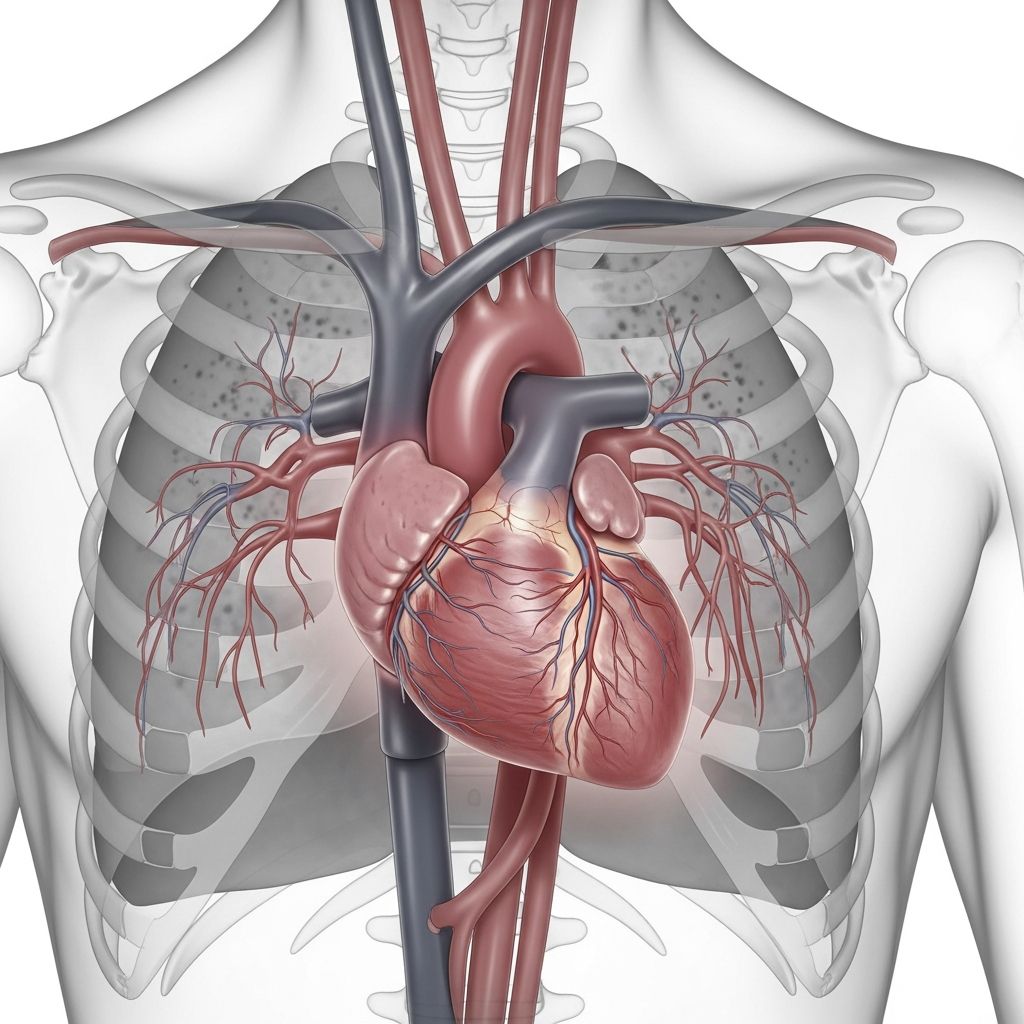
Left-sided heart failure occurs when the left ventricle of your heart becomes weak or stiff and cannot pump blood efficiently to the rest of your body. Your heart has four chambers: two upper chambers called atria and two lower chambers called ventricles. The left ventricle is the largest and strongest chamber, responsible for pumping oxygen-rich blood throughout your entire body. When this critical chamber fails to function properly, it can lead to serious health complications and significantly impact your quality of life.
Left-sided heart failure is the most common form of heart failure and typically develops gradually over time. It represents a serious condition that requires medical attention and ongoing management. Understanding the different types, symptoms, and treatment options can help you work with your healthcare provider to manage this condition effectively.
Types of Left-Sided Heart Failure
There are two primary types of left-sided heart failure, distinguished by how the heart is affected:
Systolic Heart Failure (Heart Failure with Reduced Ejection Fraction)
Systolic heart failure, also called heart failure with reduced ejection fraction (HFrEF), occurs when your left ventricle becomes weak and cannot contract properly. In this condition, the heart muscle itself is damaged or weakened, making it difficult to pump blood efficiently. The ejection fraction—the percentage of blood pumped out of the left ventricle with each heartbeat—is significantly reduced, typically below 40 percent. This type of heart failure accounts for a substantial portion of all heart failure cases and often results from conditions like coronary artery disease, high blood pressure, or previous heart attacks.
Diastolic Heart Failure (Heart Failure with Preserved Ejection Fraction)
Diastolic heart failure, also known as heart failure with preserved ejection fraction (HFpEF), occurs when the left ventricle becomes stiff and cannot relax properly between heartbeats. While the heart can still contract and pump blood out, it has difficulty filling with blood during the relaxation phase. The ejection fraction may appear normal, but the stiffened ventricle restricts the amount of blood entering the chamber, reducing the overall blood supply to your body. This type of heart failure is increasingly common, particularly in older adults and those with high blood pressure.
Causes and Risk Factors
Multiple conditions and factors can contribute to the development of left-sided heart failure. Understanding these risk factors can help you take preventive measures:
Common Causes
Coronary artery disease remains one of the leading causes of left-sided heart failure. When blood vessels supplying the heart become narrowed or blocked, the heart muscle doesn’t receive enough oxygen-rich blood, leading to weakness and dysfunction.
High blood pressure (hypertension) forces your heart to work harder to pump blood against increased resistance. Over time, this constant strain can damage and weaken the heart muscle, particularly affecting the left ventricle.
Previous heart attacks can cause scarring and damage to the heart muscle. The weakened area may not contract effectively, reducing the overall pumping efficiency of the heart.
Related Stories



Heart valve problems such as aortic stenosis or mitral regurgitation can force the left ventricle to work excessively hard. This prolonged stress can eventually lead to weakening and failure of the chamber.
Cardiomyopathy, a disease of the heart muscle itself, can cause the heart tissue to become enlarged, thickened, or rigid, directly contributing to heart failure development.
Arrhythmias or irregular heartbeats can reduce the heart’s pumping efficiency over time, potentially leading to left-sided heart failure.
Risk Factors That Increase Susceptibility
Certain demographic and lifestyle factors increase your likelihood of developing left-sided heart failure. Age is a significant factor, as the risk increases as you grow older. Men are generally at higher risk than women, though the risk for women increases after menopause. Family history of heart disease or heart failure suggests a genetic predisposition to these conditions.
Lifestyle factors play a crucial role in heart failure development. Smoking damages blood vessels and increases blood pressure, straining your heart. Obesity puts extra stress on your cardiovascular system and increases inflammation throughout the body. A sedentary lifestyle weakens your heart and cardiovascular system, while excessive alcohol consumption can directly damage heart muscle tissue.
Certain medical conditions significantly increase heart failure risk. Diabetes damages blood vessels and nerves, increasing heart disease risk. Sleep apnea disrupts sleep and increases blood pressure. Chronic kidney disease reduces the body’s ability to regulate fluids and blood pressure. Thyroid disorders can affect heart function and metabolism.
Symptoms of Left-Sided Heart Failure
Recognizing symptoms of left-sided heart failure is important for early intervention and management. Symptoms may develop gradually or appear suddenly, and they can vary in severity:
Shortness of breath (dyspnea) is one of the most common symptoms. You may feel breathless during physical activity or even at rest. Nighttime breathing difficulties can occur when lying flat, as fluid pools in your lungs. You might need extra pillows to sleep comfortably.
Fatigue and weakness are prevalent symptoms. You may feel persistently tired regardless of adequate rest, with everyday activities becoming exhausting. This fatigue results from inadequate oxygen delivery to your muscles and tissues.
Swelling (edema) typically occurs in your legs, ankles, and feet, though abdominal swelling can also develop. This swelling results from fluid retention as your heart cannot pump blood efficiently, causing fluid to accumulate in tissues.
Chest discomfort or pain may occur, particularly during physical exertion. This sensation differs from classic heart attack pain but still warrants medical evaluation.
Persistent cough or wheezing can develop as fluid accumulates in the lungs. The cough may produce a frothy or blood-tinged sputum in severe cases.
Rapid or irregular heartbeat may become noticeable, with your heart seeming to race or skip beats.
Decreased ability to exercise is often one of the first noticeable changes, with reduced tolerance for physical activity.
Symptoms often worsen gradually over time as the heart becomes progressively weaker. In some cases, symptoms can appear suddenly, particularly following a heart attack or acute cardiac event.
Diagnosis of Left-Sided Heart Failure
Accurate diagnosis is essential for appropriate treatment planning. Your healthcare provider will use multiple diagnostic approaches:
Physical examination begins the diagnostic process. Your provider will listen to your heart and lungs with a stethoscope, check for swelling in your legs and abdomen, and assess your overall cardiovascular status.
Echocardiogram is often the primary diagnostic test. This ultrasound imaging of your heart shows the structure and function of all chambers, measures ejection fraction, and identifies any valve problems or structural abnormalities.
Electrocardiogram (EKG) records the electrical activity of your heart, revealing any irregular rhythms or patterns suggesting heart damage or enlargement.
Chest X-ray shows if fluid has accumulated in your lungs or if your heart is enlarged.
Blood tests can measure biomarkers like B-type natriuretic peptide (BNP), which elevates when the heart is stressed. Blood tests also assess kidney and liver function, important for treatment planning.
Stress testing may be performed to evaluate how your heart responds to increased activity and demand.
Cardiac catheterization is an invasive test sometimes used to measure pressures within the heart chambers and assess blood flow and coronary arteries.
Treatment Options
Treatment for left-sided heart failure aims to manage symptoms, improve heart function, slow disease progression, and prevent complications. A comprehensive approach typically combines medications, lifestyle modifications, and sometimes medical devices or surgery:
Medications
ACE inhibitors or ARBs help relax blood vessels, reducing the heart’s workload and lowering blood pressure.
Beta-blockers slow your heart rate and reduce blood pressure, helping your heart work more efficiently.
Diuretics help remove excess fluid from your body, reducing swelling and breathing difficulties.
Aldosterone antagonists help prevent fluid retention and reduce heart strain.
SGLT2 inhibitors improve heart function and reduce hospitalization risk in certain heart failure types.
Inotropes may be used in severe cases to strengthen heart contractions.
Lifestyle Modifications
Following a heart-healthy diet low in sodium, saturated fats, and cholesterol helps manage symptoms and reduce complications. Limiting sodium intake helps prevent fluid retention. Regular, moderate exercise appropriate to your condition improves cardiovascular fitness and overall well-being.
Maintaining a healthy weight reduces stress on your heart. Limiting fluid intake as recommended by your provider prevents excessive fluid accumulation. Avoiding alcohol and not smoking are critical for heart health. Managing stress through relaxation techniques, meditation, or counseling supports overall cardiovascular health.
Medical Devices and Procedures
For advanced cases, several device-based therapies may be recommended. An implantable cardioverter-defibrillator (ICD) can prevent life-threatening arrhythmias. Cardiac resynchronization therapy (CRT) uses pacemaker technology to coordinate heart contractions more efficiently. Mechanical assist devices may temporarily support heart function in severe cases.
In end-stage heart failure, heart transplantation may be considered for eligible candidates.
Prognosis and Living with Left-Sided Heart Failure
While left-sided heart failure cannot be cured in most cases, with proper treatment and management, many people live full, active lives. The prognosis depends on the type of heart failure, severity, age, overall health, and adherence to treatment plans.
Regular medical follow-up appointments are essential for monitoring your condition and adjusting treatments as needed. Most people with left-sided heart failure can significantly improve their symptoms and quality of life through comprehensive medical management and lifestyle modifications.
Prevention of Left-Sided Heart Failure
You can reduce your risk of developing left-sided heart failure through several preventive measures. Maintain a healthy blood pressure through regular monitoring and medication if necessary. Achieve and maintain a healthy weight through balanced nutrition and regular exercise. Avoid smoking and limit alcohol consumption. Manage diabetes and other chronic conditions effectively. Eat a heart-healthy diet rich in fruits, vegetables, whole grains, and lean proteins. Exercise regularly as recommended by your healthcare provider. Manage stress through relaxation techniques and professional support when needed.
Frequently Asked Questions
Q: What is the difference between left-sided and right-sided heart failure?
A: Left-sided heart failure occurs when the left ventricle cannot pump blood efficiently to the body. Right-sided heart failure occurs when the right ventricle cannot pump blood to the lungs. Left-sided heart failure is often the cause of right-sided heart failure.
Q: Is left-sided heart failure curable?
A: Most cases of left-sided heart failure cannot be cured, but symptoms can be effectively managed with proper treatment, lifestyle modifications, and medications. Some underlying causes, if addressed early, may prevent heart failure development.
Q: How is diastolic heart failure different from systolic heart failure?
A: In systolic heart failure, the heart muscle is weak and cannot contract properly. In diastolic heart failure, the heart muscle is stiff and cannot relax properly to fill with blood. Both require different treatment approaches.
Q: Can I exercise with left-sided heart failure?
A: Yes, regular moderate exercise as recommended by your healthcare provider can improve symptoms and overall cardiovascular health. Your doctor will determine an appropriate exercise plan based on your specific condition.
Q: What should I eat if I have left-sided heart failure?
A: Follow a heart-healthy diet low in sodium, saturated fats, and cholesterol. Include plenty of fruits, vegetables, whole grains, and lean proteins. Your healthcare provider or a dietitian can provide specific dietary recommendations tailored to your needs.
Q: How often should I see my doctor if I have left-sided heart failure?
A: Regular follow-up appointments are essential for monitoring your condition. Initially, you may need frequent visits, but as your condition stabilizes, visits may be scheduled every few months or as recommended by your healthcare provider.
References
- Diastolic Heart Failure: HFPEF, Left-Sided Heart Failure, Symptoms — Cleveland Clinic. 2022-05-08. https://my.clevelandclinic.org/health/diseases/22950-diastolic-heart-failure
- Systolic Heart Failure: Symptoms, Causes and Treatment — Cleveland Clinic. https://my.clevelandclinic.org/health/diseases/23276-systolic-heart-failure
- Congestive Heart Failure: Symptoms, Stages & Treatment — Cleveland Clinic. https://my.clevelandclinic.org/health/diseases/17069-heart-failure-understanding-heart-failure
- Ejection Fraction: What It Is, Types and Normal Range — Cleveland Clinic. https://my.clevelandclinic.org/health/articles/16950-ejection-fraction
- Heart failure guidelines: What you need to know about the 2017 ACC/AHA/HFSA Focused Update — Cleveland Clinic Journal of Medicine, Volume 86, Issue 2. 2019. https://www.ccjm.org/content/86/2/123
- Diastolic Dysfunction: Causes, Symptoms and Treatment — Cleveland Clinic. https://my.clevelandclinic.org/health/diseases/23434-diastolic-dysfunction
Similar Articles








Read full bio of medha deb