Left Vs Right-Sided Heart Failure: Key Differences & Treatments
Understand the key differences between left-sided and right-sided heart failure, including symptoms, causes, diagnosis, and treatment options for better management.
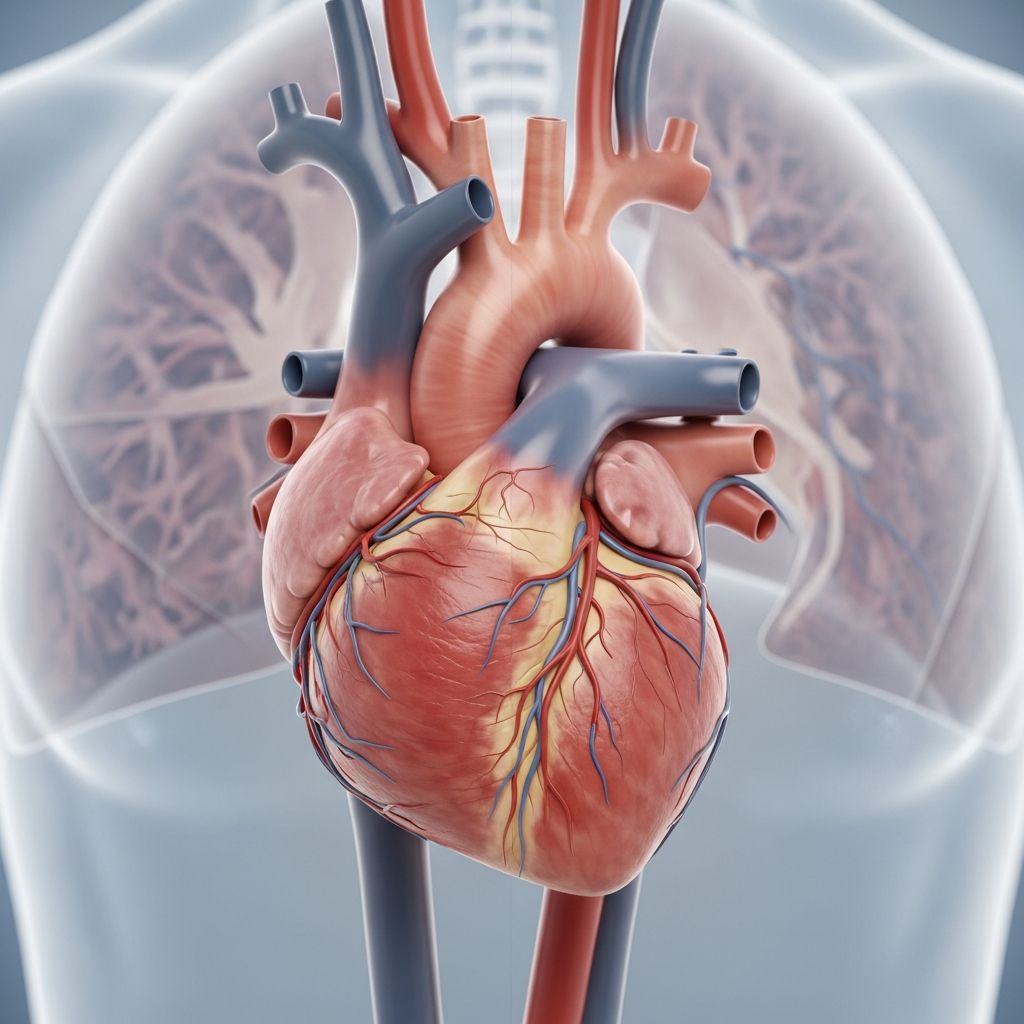
Heart failure occurs when the heart cannot pump blood effectively to meet the body’s needs, and it can affect the left side, right side, or both. Left-sided heart failure primarily impacts the lungs due to fluid backup, while right-sided heart failure leads to systemic swelling; understanding these differences is crucial for timely diagnosis and treatment.
What Is Heart Failure?
Heart failure, also known as congestive heart failure, is a chronic condition where the heart muscle weakens and cannot pump blood efficiently. This leads to inadequate oxygen delivery to tissues and fluid accumulation. It affects over 6 million Americans and is often progressive.
The heart has two main pumping systems: the right side sends deoxygenated blood to the lungs, and the left side pumps oxygenated blood to the body. Failure on one side can strain the other, leading to biventricular heart failure.
Left-Sided Heart Failure
Left-sided heart failure happens when the left ventricle, the heart’s main pumping chamber, cannot effectively push oxygenated blood into the aorta and throughout the body. This causes blood to back up into the lungs, resulting in pulmonary congestion.
There are two subtypes:
- Systolic heart failure (reduced ejection fraction): The left ventricle cannot contract forcefully enough, reducing the ejection fraction below 40%.
- Diastolic heart failure (preserved ejection fraction): The ventricle is stiff and cannot relax to fill properly with blood.
Right-Sided Heart Failure
Right-sided heart failure occurs when the right ventricle fails to pump blood adequately to the lungs for oxygenation. This leads to blood pooling in the body’s veins, causing peripheral edema.
Isolated right-sided failure is less common and often secondary to left-sided failure or lung diseases. Fluid backs up into the liver, abdomen, and extremities.
Symptoms of Left-Sided vs. Right-Sided Heart Failure
Symptoms differ based on the affected side. Left-sided failure mimics lung issues, while right-sided causes body-wide fluid retention.
| Symptom | Left-Sided Heart Failure | Right-Sided Heart Failure |
|---|---|---|
| Shortness of breath (dyspnea) | Common, worsens when lying down (orthopnea) or exerting | Less common, but possible if biventricular |
| Coughing/wheezing | Frequent, with frothy pink sputum from pulmonary edema | Rare |
| Fatigue | Common due to poor oxygenation | Common from reduced cardiac output |
| Swelling (edema) | In lungs (crackles on exam) | In legs, ankles, feet, abdomen (ascites) |
| Weight gain | From lung fluid | Rapid from systemic fluid retention |
| Other | Chest pain, palpitations | Jugular vein distention (JVD), enlarged liver, nausea |
Causes of Left-Sided Heart Failure
Common causes strain the left ventricle:
- Coronary artery disease (CAD) and heart attacks damaging the muscle.
- Chronic high blood pressure (hypertension) overworking the ventricle.
- Heart valve problems like aortic stenosis.
- Arrhythmias such as atrial fibrillation.
- Cardiomyopathy from alcohol, drugs, or infections.
These factors reduce the heart’s pumping efficiency over time.
Causes of Right-Sided Heart Failure
Right-sided failure often stems from:
- Left-sided heart failure, as pulmonary pressure increases.
- Chronic lung diseases like COPD or pulmonary hypertension.
- Pulmonary embolism blocking lung arteries.
- Right ventricular infarction (rare).
Lung conditions increase resistance, fatiguing the right ventricle.
Does Left-Sided Heart Failure Lead to Right-Sided?
Related Stories



Yes, left-sided heart failure frequently progresses to right-sided. When the left ventricle fails, blood backs into the lungs, raising pulmonary pressure (pulmonary hypertension). This overworks the right ventricle, leading to its failure in about 50% of cases.
Early intervention on the left side can prevent this cascade.
Diagnosis of Left- and Right-Sided Heart Failure
Diagnosis combines history, exam, and tests:
- Physical exam: Listening for lung crackles (left), checking for edema/JVD (right).
- Echocardiogram: Gold standard; measures ejection fraction, chamber sizes, and valve function.
- Blood tests: BNP/NT-proBNP elevated in failure; checks kidney function, electrolytes.
- ECG: Detects arrhythmias, prior infarcts.
- Chest X-ray: Shows pulmonary edema or enlarged heart.
- Stress test or cardiac MRI: For detailed assessment.
NYHA classification stages symptoms from I (none) to IV (at rest).
Treatment for Left-Sided Heart Failure
Treatment aims to reduce workload, improve pumping, and manage fluid:
- Medications: ACE inhibitors/ARBs, beta-blockers, diuretics, SGLT2 inhibitors, aldosterone antagonists.
- Lifestyle: Low-sodium diet, exercise, weight monitoring.
- Devices: ICDs, CRT pacemakers for dyssynchrony.
- Surgery: Valve repair, CABG, transplant.
Treatment for Right-Sided Heart Failure
Similar to left but addresses pulmonary issues:
- Diuretics: For edema.
- Treat underlying cause: Oxygen for COPD, anticoagulants for clots.
- Vasodilators: Cautiously to avoid hypotension.
- Advanced: Lung transplant if pulmonary hypertension severe.
Treatments overlap; biventricular cases use comprehensive regimens.
Left- vs. Right-Sided Heart Failure Prognosis
Prognosis depends on cause, stage, and treatment adherence. Left-sided has higher mortality if systolic dysfunction; five-year survival is about 50%. Right-sided fares better if isolated but worsens with biventricular involvement. Early diagnosis improves outcomes.
Prevention of Heart Failure
Prevent by managing risks:
- Control blood pressure and cholesterol.
- Quit smoking, maintain healthy weight.
- Exercise regularly, eat heart-healthy diet.
- Treat sleep apnea, diabetes.
- Regular check-ups for at-risk individuals.
Frequently Asked Questions (FAQs)
What is the main difference between left- and right-sided heart failure?
Left-sided affects lung function with breathing issues; right-sided causes body swelling.
Can you have both left- and right-sided heart failure?
Yes, it’s common; called congestive heart failure when both sides fail.
Is right-sided heart failure worse than left-sided?
Not necessarily; depends on cause and treatment. Left often precedes right.
How is heart failure diagnosed?
Via echocardiogram, blood tests, ECG, and physical exam.
What are the first signs of heart failure?
Shortness of breath, fatigue, swelling, persistent cough.
Can heart failure be cured?
No, but managed effectively with meds, lifestyle, and procedures to improve quality of life.
References
- Left-Sided Heart Failure vs Right-Sided Heart Failure — YouTube (Next Generation NCLEX review). Accessed 2026. https://www.youtube.com/watch?v=mGchzG3Ya7c
- Left-Sided Heart Failure vs. Right-Sided Heart Failure — Baptist Health. Accessed 2026. https://www.baptisthealth.com/blog/heart-care/left-sided-heart-failure-vs-right-sided-heart-failure
- Compare Right-Sided Heart Failure Symptoms vs Left — London Cardiovascular Clinic. Accessed 2026. https://www.londoncardiovascularclinic.co.uk/blog/right-sided-heart-failure-symptoms-vs-left-28542.html
- Left Versus Right Sided Heart Failure — Henry Ford Health. 2025-01. https://www.henryford.com/Blog/2025/01/Left-Versus-Right-Sided-Heart-Failure
- Left vs. right sided heart failure: Symptoms, treatment, and more — Medical News Today. Accessed 2026. https://www.medicalnewstoday.com/articles/left-vs-right-sided-heart-failure
- Right vs. Left Heart Failure: What You Should Know — Carda Health. Accessed 2026. https://www.cardahealth.com/post/right-vs-left-heart-failure
- Types of Heart Failure — American Heart Association. Accessed 2026. https://www.heart.org/en/health-topics/heart-failure/what-is-heart-failure/types-of-heart-failure
Similar Articles








Read full bio of medha deb