Leg Cramps Causes: 11 Common Triggers And Prevention Tips
Discover the common and serious causes of leg cramps, from muscle fatigue to underlying medical conditions, and learn when to seek help.
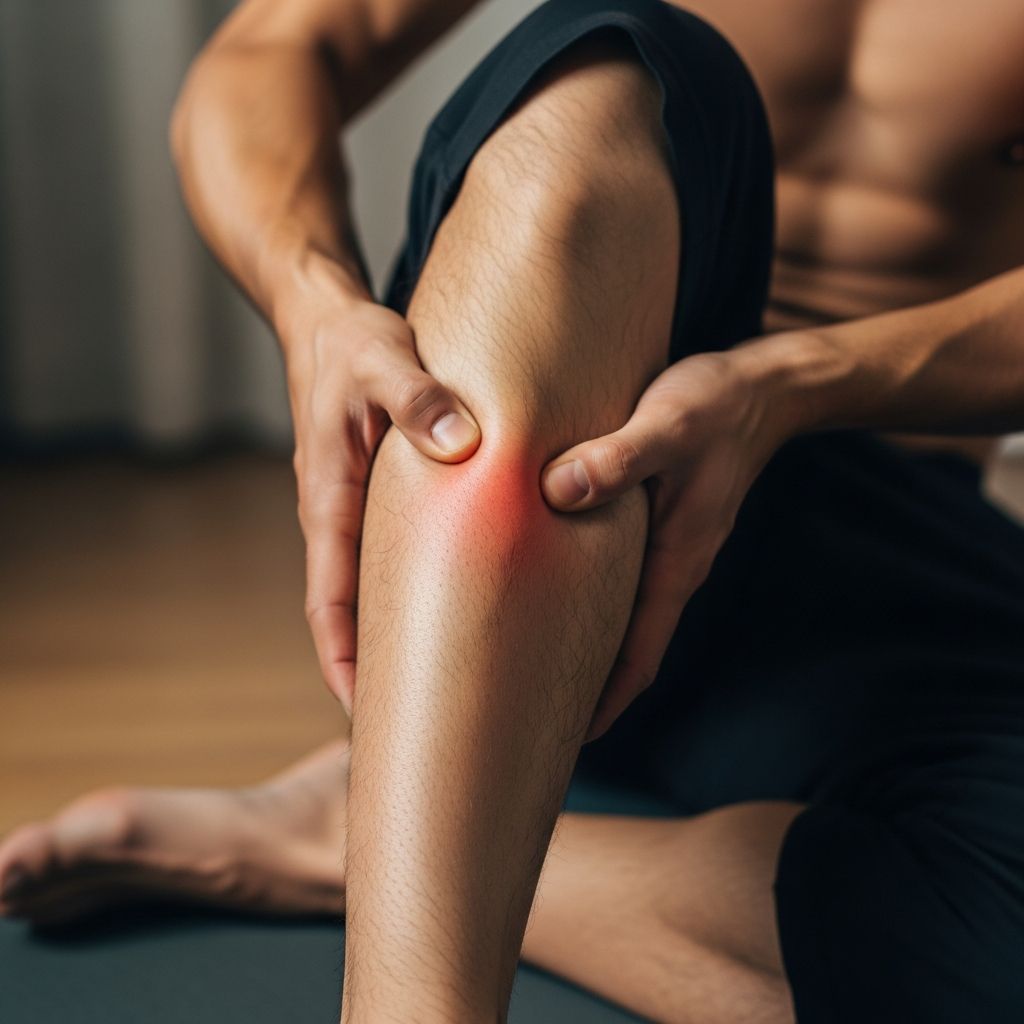
Leg cramps are sudden, involuntary contractions of the leg muscles, often striking at night or during exercise, causing intense pain that can disrupt sleep or activity. Commonly known as charley horses, they typically affect the calf but can involve thighs or feet, lasting seconds to minutes.12
While most leg cramps are benign and idiopathic—meaning no clear cause—they can signal underlying issues like electrolyte imbalances, medications, or vascular diseases. Understanding triggers helps in prevention and knowing when to consult a healthcare provider.13
What Causes Leg Cramps?
Leg cramps arise from muscle overstimulation, where nerves signal muscles to contract without relaxing. This can stem from fatigue, nerve dysfunction, or imbalances in the body. Theories include dehydration/electrolyte loss and neuromuscular fatigue, though evidence points to multifactorial origins rather than a single cause.1
Idiopathic cramps have no identifiable trigger, affecting up to 60% of adults nightly, especially over age 50. Risk rises with age as tendons shorten, in pregnancy due to added weight (40% prevalence), and in women more than men.3
11 Common Causes of Leg Cramps
Here are the primary culprits behind leg cramps, categorized for clarity:
1. Exercising in Hot Weather or Extreme Conditions
Intense workouts in heat lead to sweating, fluid loss, and electrolyte depletion, sensitizing nerves and causing cramps in muscles like calves or hamstrings. Football players in high-heat risk environments report 95% of cramps during hot months.1
2. Overexertion or Muscle Fatigue
Prolonged standing, walking, or unaccustomed exercise fatigues muscles, especially multi-joint ones contracting in shortened positions. Neuromuscular imbalance occurs when excitatory signals from muscle spindles overpower inhibitory Golgi tendon organ feedback.1
3. Sitting for Long Periods or Poor Posture
Immobility shortens muscles and compresses nerves, leading to cramps upon movement. Poor posture exacerbates this by unevenly stressing leg muscles.3
4. Sitting Incorrectly
Crossing legs or awkward positions for hours pinches blood vessels and nerves, reducing circulation and triggering spasms.3
5. Standing or Working on Concrete Floors
Hard surfaces jar leg muscles continuously, causing fatigue without relief. This is common in occupations like nursing or manufacturing.3
6. Pregnancy
The extra 25-35 pounds strains circulation and muscles, with cramps peaking in later trimesters due to fetal pressure on nerves and vessels. Up to 40% of pregnant individuals experience them.3
7. Dehydration
Insufficient fluid intake alters muscle cell hydration, increasing cramp risk during activity. Though debated, it’s a key factor in exercise-associated cramps.1
8. Electrolyte Imbalances
Loss of sodium, potassium, calcium, or magnesium disrupts nerve signaling. Low potassium from diuretics or magnesium deficiency heightens susceptibility.12
9. Medications
Many drugs list cramps as side effects:
- Diuretics (e.g., furosemide) deplete electrolytes.
- Statins for cholesterol cause muscle pain.
- Beta-blockers and asthma inhalers affect muscle function.
- Chemotherapy induces nerve damage.
Consult providers before changing meds.3
10. Medical Conditions
Serious issues include:
- Peripheral artery disease (PAD): Narrowed arteries reduce blood flow.
- Diabetes: Nerve damage (neuropathy).
- Kidney failure: Toxin buildup.
- Thyroid disorders: Metabolic imbalances.
- Multiple sclerosis: Nerve demyelination.
Related Stories



Cramps here are ‘secondary’ and accompany other symptoms.23
11. Deficiencies (Potassium, Calcium, Magnesium)
Low levels impair muscle relaxation. Causes include poor diet, GI disorders, or meds. Blood tests confirm deficiencies.1
Leg Cramps at Night (Nocturnal Leg Cramps)
Night leg cramps jolt 33% of those over 60 every two months, feeling like a tight knot in the calf. Likely from tired muscles and nerve misfiring during inactivity.2 About 75% of cramps occur at night, disrupting sleep and leaving soreness.3
Risk factors: Age, pregnancy, flat feet shortening calves. Differentiate from restless legs syndrome (urge to move) vs. cramps’ painful lock.3
Exercise-Associated Muscle Cramps (EAMC)
EAMC strike during or post-exercise in healthy people, targeting single muscles like triceps surae. Neuromuscular theory dominates: Fatigue alters spinal excitability, unlike dehydration theory lacking strong evidence.1
Prevention: Balance fluids/electrolytes, neuromuscular training like stretching.1
When to See a Doctor for Leg Cramps
Most cramps self-resolve, but seek care if:
- Cramps persist post-stretching or recur frequently.
- Accompanied by swelling, redness, skin changes, or weakness.
- Follow toxin exposure (e.g., lead).
- Severe pain or inability to walk.
- Linked to new meds or conditions like diabetes/PAD.
These signal circulation issues or neuropathy needing evaluation.23
Leg Cramp Prevention and Treatment Tips
Immediate relief: Stretch gently (e.g., calf stretch: heel down, toe up), massage, apply heat/ice.13
| Prevention Strategy | How It Helps |
|---|---|
| Stay Hydrated | Maintains electrolyte balance; drink water/electrolyte drinks during exercise. |
| Stretch Daily | Lengthens muscles, counters fatigue; focus on calves/hamstrings. |
| Warm-Up/Cool-Down | Prevents overload in multi-joint muscles. |
| Proper Footwear | Supports arches, reduces strain on concrete. |
| Balanced Diet | Boosts potassium (bananas), magnesium (nuts), calcium (dairy). |
| Adjust Position | Avoid prolonged sitting/standing; use footrests. |
For recurrent cramps, track triggers in a journal and discuss with a doctor for tests.1
Frequently Asked Questions (FAQs)
What causes most leg cramps at night?
Most nocturnal cramps are idiopathic, linked to overworked muscles and nerve issues, worsening with age or pregnancy.2
Do leg cramps indicate a serious condition?
Often not, but frequent cramps with other symptoms may signal PAD, diabetes, or kidney issues—see a doctor.3
How do I stop a leg cramp fast?
Stretch the muscle firmly (point toe up for calf), walk it off, massage, or use heat.13
Are leg cramps worse in pregnancy?
Yes, due to weight gain and circulation changes; stretching and hydration help.3
Can medications cause leg cramps?
Yes, statins, diuretics, and others deplete electrolytes or damage nerves—review with your provider.3
By addressing these causes proactively, most people can minimize leg cramps and improve quality of life. Persistent issues warrant professional assessment to rule out serious conditions.
References
- Exercise-Associated Muscle Cramps: Causes, Treatment, and Prevention — Schwellnus MP. 2012-08-21. https://pmc.ncbi.nlm.nih.gov/articles/PMC3445088/
- Night leg cramps Causes — Mayo Clinic Staff. 2023-10-01. https://www.mayoclinic.org/symptoms/night-leg-cramps/basics/causes/sym-20050813?p=1
- Leg Cramps at Night: Causes, Pain Relief & Prevention — Cleveland Clinic. 2023-11-15. https://my.clevelandclinic.org/health/diseases/14170-leg-cramps
Similar Articles








Read full bio of Sneha Tete