Leg Cramps Causes: Comprehensive Guide To Triggers And Relief
Discover the common and serious causes of leg cramps, from dehydration to underlying medical conditions, and learn when to seek help.
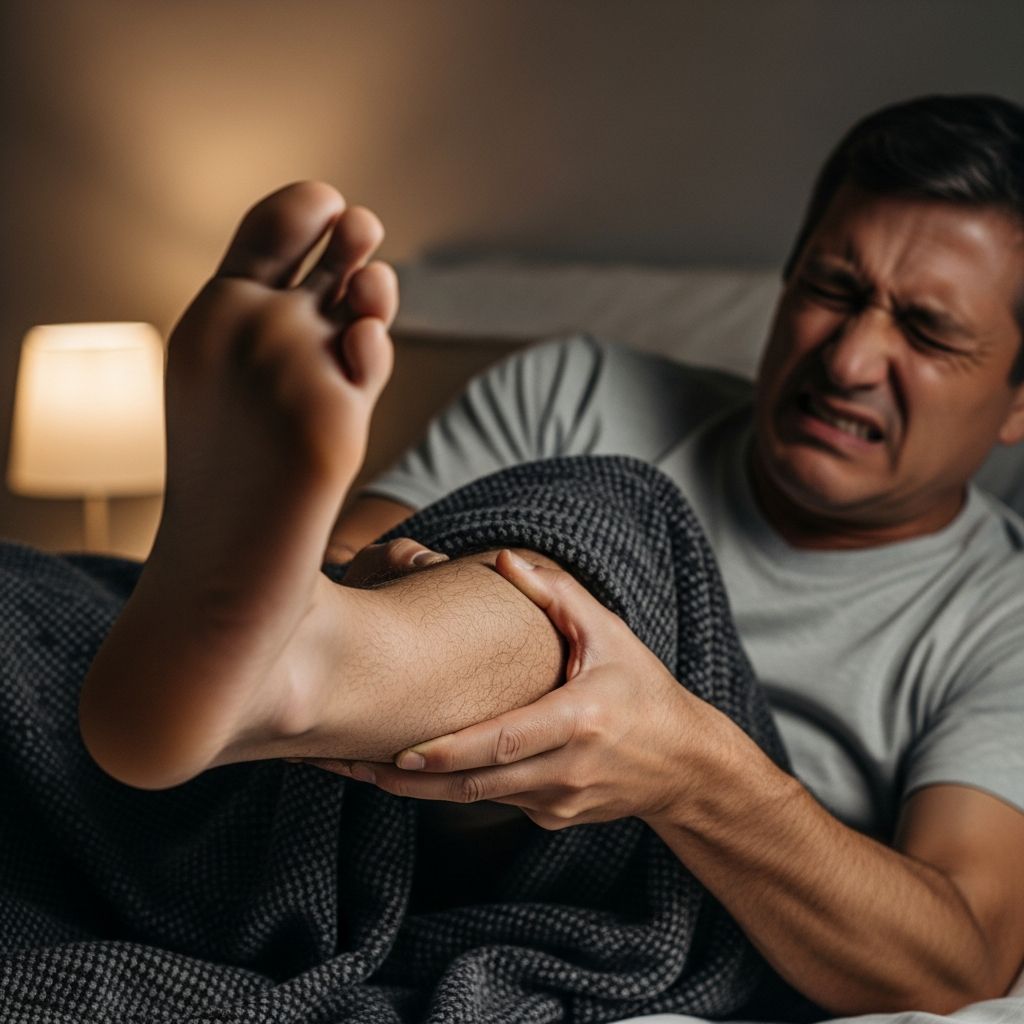
Leg cramps are sudden, involuntary muscle contractions that cause sharp pain, often in the calf, thigh, or foot. They can disrupt sleep, exercise, or daily activities, affecting millions worldwide, with up to 60% of adults experiencing them at night.
What Are Leg Cramps?
Leg cramps, also known as charley horses, involve intense tightening of leg muscles lasting seconds to minutes. Nocturnal leg cramps occur during sleep, primarily affecting calves but sometimes feet or thighs. These spasms feel like a knot in the muscle and may leave soreness for hours afterward. While usually harmless, frequent cramps warrant investigation into underlying causes.
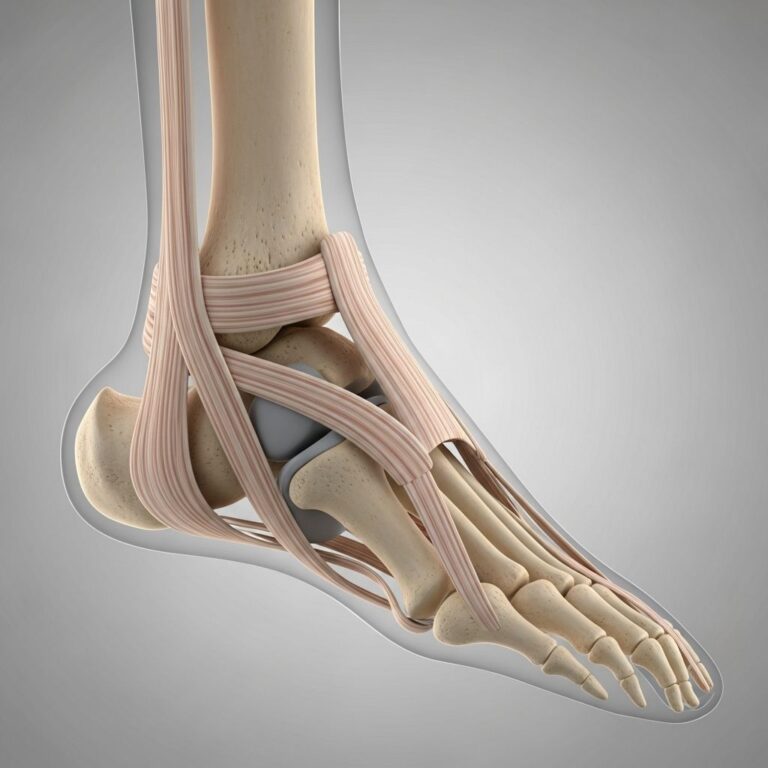
Exercise-associated muscle cramps (EAMC) strike during or after physical activity in otherwise healthy people. They typically affect large, multi-joint muscles like the triceps surae (calf) or quadriceps when shortened and contracting.
Common Causes of Leg Cramps
Many leg cramps arise from benign factors, though the exact mechanism often remains idiopathic (unknown). Key triggers include:
- Overuse or muscle fatigue: Prolonged standing, walking, or exercise fatigues muscles, leading to cramps, especially in hot, humid conditions.
- Dehydration and electrolyte loss: Sweating during workouts depletes fluids and minerals like sodium, potassium, and magnesium, sensitizing nerves and causing spasms. This theory dominates clinical views but lacks definitive proof.
- Poor circulation: Sitting or standing too long restricts blood flow, irritating muscles.
- Footwear issues: High heels or ill-fitting shoes alter leg positioning, straining calves.
- Pregnancy: Affecting up to 40% of pregnant individuals, extra weight and circulatory changes strain leg muscles.
Medical Conditions That Cause Leg Cramps
Secondary leg cramps signal underlying health problems. Consult a doctor if cramps are frequent, severe, or accompanied by swelling, weakness, or numbness. Common conditions include:
- Diabetes: High blood sugar damages nerves (diabetic neuropathy), causing painful cramps.
- Kidney disease: Dialysis or failure disrupts electrolyte balance, triggering spasms.
- Thyroid disorders: Hypothyroidism slows metabolism, leading to muscle stiffness and cramps.
- Peripheral artery disease (PAD): Narrowed arteries reduce leg blood flow, causing cramp-like pain during activity (claudication).
- Neurological issues: Conditions like Parkinson’s or multiple sclerosis affect nerve signals to muscles.
- Varicose veins: Enlarged veins impair circulation, common in legs.
In older adults, age-related tendon shortening increases risk, with 33% over 60 experiencing cramps bi-monthly.
Medications That Can Cause Leg Cramps
Many drugs list leg cramps as a side effect by affecting electrolytes, nerves, or muscles. Common culprits:
| Medication Class | Examples | How It Causes Cramps |
|---|---|---|
| Diuretics | Furosemide, hydrochlorothiazide | Flush electrolytes like potassium. |
| Statins | Atorvastatin, simvastatin | May damage muscles (rhabdomyolysis). |
| Beta-blockers | Metoprolol | Alter nerve signals. |
| Chemotherapy | Taxanes, platinum drugs | Nerve damage (neuropathy). |
| Asthma meds | Albuterol | Electrolyte shifts. |
Discuss alternatives with your provider if cramps start after new prescriptions.
Exercise-Associated Muscle Cramps (EAMC)
EAMC affect athletes in hot environments, targeting calves or hamstrings. Two main theories explain them:
Related Stories



- Dehydration/electrolyte imbalance: Sweat losses in heat deplete fluids, increasing nerve sensitivity. Supported by observational data from miners and football players.
- Neuromuscular fatigue: Overloaded muscles disrupt signals between spindles (excitatory) and Golgi tendon organs (inhibitory), causing hyperexcitability. Backed by stronger experimental evidence from human and animal studies.
Evidence suggests multifactorial causes, varying by individual fatigue thresholds.
Night Leg Cramps (Nocturnal)
Three-quarters of cramps happen at night, often without clear cause. Risk rises with age, pregnancy, and inactivity. Mayo Clinic attributes most to tired muscles and nerve abnormalities. Stretch calves before bed to prevent.
When to See a Doctor for Leg Cramps
Most cramps resolve with stretching, but seek care if:
- Cramps are severe, frequent, or last >10 minutes.
- Accompanied by swelling, redness, or skin changes.
- Follow toxin exposure (e.g., lead).
- Linked to new medications or uncontrolled conditions like diabetes.
Doctors may test for electrolytes, nerve function, or circulation.
Prevention and Treatment Tips
Immediate relief: Gently stretch the muscle (e.g., pull toes toward shin for calf cramps), massage, apply heat/ice.
Prevention strategies:
- Stay hydrated; replace electrolytes during exercise.
- Warm up, stretch post-workout, and build endurance gradually.
- Wear supportive shoes; avoid pointed toes.
- Elevate legs; use compression socks for circulation.
- Adjust diet for potassium (bananas), magnesium (nuts), calcium (dairy).
For EAMC, neuromuscular training like stretching shows promise over fluids alone.
Frequently Asked Questions (FAQs)
Why do I get leg cramps at night?
Night cramps often stem from muscle fatigue, nerve issues, or age-related changes. They’re idiopathic in most cases but increase with inactivity.
Do leg cramps mean poor circulation?
Possibly; PAD or varicose veins reduce blood flow, mimicking cramps. Pain during walking suggests claudication.
Can dehydration alone cause cramps?
It contributes, especially in heat, but evidence favors combined factors like fatigue. Drink fluids preemptively.
Are leg cramps dangerous in pregnancy?
Common and benign (40% affected), but monitor for preeclampsia if with swelling/headaches.
How to stop a cramp fast?
Stand and lean into the wall for calf stretch, or walk on heels. Heat helps relax muscles.
References
- Exercise-Associated Muscle Cramps: Causes, Treatment, and Prevention — Miller KC et al. Sports Health. 2010-08-01. https://pmc.ncbi.nlm.nih.gov/articles/PMC3445088/
- Night leg cramps Causes — Mayo Clinic Staff. Mayo Clinic. 2023. https://www.mayoclinic.org/symptoms/night-leg-cramps/basics/causes/sym-20050813
- Leg Cramps at Night: Causes, Pain Relief & Prevention — Cleveland Clinic. 2023-10-19. https://my.clevelandclinic.org/health/diseases/14170-leg-cramps
Similar Articles








Read full bio of medha deb