Leg Dermatitis: 5 FAQs And Proven Prevention Tips
Comprehensive guide to causes, symptoms, diagnosis, and management of leg dermatitis, including stasis eczema and gravitational dermatitis.
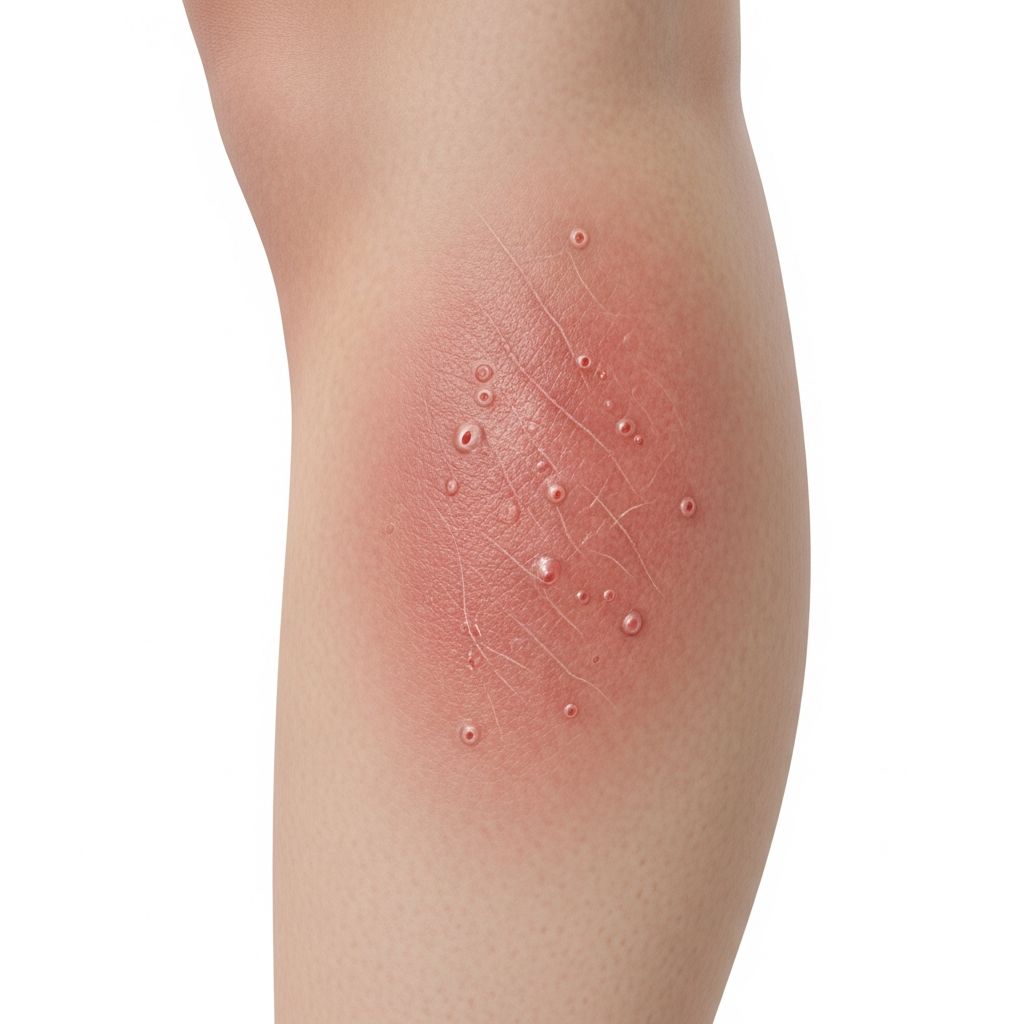
Leg dermatitis, commonly referred to as stasis dermatitis, venous eczema, or gravitational dermatitis, is an inflammatory skin condition primarily affecting the lower legs due to chronic venous insufficiency. It arises when blood pools in the veins, leading to fluid leakage into surrounding tissues, causing swelling, redness, scaling, and itching. This condition is prevalent in older adults and those with venous disease, impacting quality of life through discomfort and potential complications like ulcers.
Who Gets Leg Dermatitis?
Leg dermatitis predominantly affects individuals over 50 years of age, with a higher incidence in women due to factors like pregnancy and hormonal influences on veins. Risk factors include obesity, family history of venous insufficiency, deep vein thrombosis (DVT), high blood pressure, varicose veins, and prolonged standing or sitting. Surgical interventions such as hip or knee replacements and leg injuries can disrupt venous flow, precipitating the condition. Not all people with venous insufficiency develop dermatitis, but poor circulation significantly elevates risk.
- Aging: Vein valves weaken over time, impairing blood return to the heart.
- Obesity and pregnancy: Increase venous pressure.
- History of DVT or varicose veins: Damage vein function.
- Occupational factors: Jobs requiring long periods of standing, such as teaching or nursing.
History and Physical Examination
Patients typically present with a history of leg swelling, aching, or heaviness, worsening after prolonged standing. Itching leads to scratching, exacerbating skin damage. Physical exam reveals erythematous, scaly patches on the medial ankles and shins, often with haemosiderin pigmentation (brownish discoloration from leaked blood cells). Skin may be thickened (lichenified), cracked, or weeping in acute phases. Varicose veins, edema, and lipodermatosclerosis (indurated, inverted skin resembling an ‘inverted champagne bottle’) are common. Severe cases show white atrophy or atrophie blanche.
Clinical Features
The hallmark of leg dermatitis is red, scaly, itchy skin on the lower legs, often circumferential but starting medially. Acute flares feature vesicles, bullae, oozing, and crusting, resembling eczema craquelé (cracked, dry skin). Chronic changes include hyperpigmentation, fibrosis, and a woody texture. Swelling is pitting initially, becoming firm. Pain or ache accompanies itching, and untreated cases progress to venous ulcers on the medial malleolus.
| Stage | Symptoms | Appearance |
|---|---|---|
| Early | Itch, swelling, ache | Red, scaly, edematous |
| Acute | Oozing, crusting | Vesicles, bullae, weeping |
| Chronic | Pain, tightness | Brown pigmentation, thickening, ulcers |
Complications
If unmanaged, leg dermatitis leads to serious complications. Venous stasis ulcers develop in 20-30% of cases, characterized by shallow, exudative sores prone to infection. Secondary bacterial infections like cellulitis cause spreading redness, fever, and systemic illness. Contact dermatitis from topical treatments (e.g., lanolin in emollients) worsens inflammation. Chronic lichenification and fibrosis impair mobility, while scarring post-ulcer healing increases recurrence risk. Lipodermatosclerosis can cause chronic pain and deformity.
- Venous ulcers: Painful, slow-healing.
- Infections: Cellulitis, erysipelas.
- Skin changes: Permanent pigmentation, atrophy.
Differential Diagnosis
Distinguishing leg dermatitis from mimics is crucial. Cellulitis presents with acute fever and tenderness, unlike chronic itch. Contact dermatitis lacks venous signs. Pretibial myxoedema (thyroid-related) is bilateral and waxy. Necrobiosis lipoidica (diabetes-associated) has yellow centers. Erythema nodosum features tender nodules. Biopsy may be needed for ambiguous cases, showing spongiosis, haemosiderin, and fibrosis in stasis dermatitis.
| Condition | Key Features | Distinguishing Test |
|---|---|---|
| Cellulitis | Fever, rapid spread | Culture, WBC count |
| Contact Dermatitis | History of irritant | Patch testing |
| Pretibial Myxoedema | Thyroid disease | TSH levels |
| Venous Ulcer | Exudative, medial | Duplex ultrasound |
Related Stories



Investigations
Diagnosis relies on clinical findings, but investigations confirm venous pathology. Hand-held Doppler assesses valve competence. Duplex ultrasound evaluates vein patency, reflux, and deep system issues. Ankle-brachial pressure index (ABPI) rules out arterial disease (ABPI <0.9). Blood tests check for heart failure or renal disease. Patch testing identifies allergens. Biopsy is reserved for atypical presentations.
- Duplex ultrasound: Gold standard for venous insufficiency.
- ABPI: Ensures safe compression therapy.
Management
Treatment targets underlying venous insufficiency and skin inflammation. Compression therapy is cornerstone: stockings (20-40 mmHg) or bandages reduce edema. Leg elevation above heart level for 30 minutes, 3-4 times daily, aids drainage. Emollients restore barrier function; topical corticosteroids (potent for flares) control inflammation. Wet dressings manage acute weeping. Salt restriction and exercise promote circulation. For ulcers, multilayer bandaging and pentoxifylline accelerate healing. Surgery (vein ablation) for severe reflux.
Acute Blistering
Apply potassium permanganate soaks or wet compresses to dry exudate, followed by emollients and steroid-antibiotic combinations if infected.
Eczema Craquelé
Intensive emollient application under occlusion prevents cracking.
Topical Steroids
Intermittent use (e.g., mometasone 0.1%) prevents tachyphylaxis; avoid long-term.
- Compression garments: First-line.
- Elevation and exercise: Daily self-care.
- Wound care: For ulcers.
Prevention
Prevent recurrence by maintaining compression, weight control, and skin hydration. Avoid trauma, tight garments, and high-salt diets. Early varicose vein treatment reduces risk. Patient education on self-monitoring for swelling or skin changes is vital.
Crossword
(Educational tool for reinforcement; in digital format, integrate interactive quiz: e.g., ‘Condition caused by venous stasis?’)
Frequently Asked Questions (FAQs)
Q: What causes leg dermatitis?
A: Primarily chronic venous insufficiency leading to blood pooling and tissue inflammation.
Q: Is leg dermatitis contagious?
A: No, it is not infectious; it stems from circulatory issues.
Q: How is it treated?
A: Compression therapy, elevation, emollients, and topical steroids.
Q: Can it lead to ulcers?
A: Yes, untreated cases often progress to venous leg ulcers.
Q: Who is at risk?
A: Older adults, obese individuals, those with varicose veins or DVT history.
References
- Stasis Dermatitis: Symptoms, Causes, Treatment — National Eczema Association. 2023. https://nationaleczema.org/types-of-eczema/stasis-dermatitis/
- Venous Stasis Dermatitis: Causes, Symptoms & Treatment — Cleveland Clinic. 2023-10-27. https://my.clevelandclinic.org/health/diseases/24388-venous-stasis-dermatitis
- Stasis Dermatitis – Dermatologic Disorders — Merck Manuals (Professional). 2024. https://www.merckmanuals.com/professional/dermatologic-disorders/dermatitis/stasis-dermatitis
- Symptoms & Treatment of Dermatitis — Legs Matter. 2023. https://legsmatter.org/information-and-support/skin-concerns/dermatitis-dry-and-itchy-skin/
- Stasis Dermatitis – Treatment, Symptoms, Causes — Mount Sinai Health System. 2023. https://www.mountsinai.org/care/dermatology/services/eczema/stasis-dermatitis
- Leg Dermatitis — DermNet NZ. 2024. https://dermnetnz.org/cme/dermatitis/leg-dermatitis
- Varicose Eczema — NHS UK. 2023-01-23. https://www.nhs.uk/conditions/varicose-eczema/
Similar Articles








Read full bio of medha deb