Leg Fractures: 3 Types, Treatment And Recovery Guide
Comprehensive guide to leg fractures: types, symptoms, treatment, and recovery.
Understanding Leg Fractures: A Comprehensive Guide
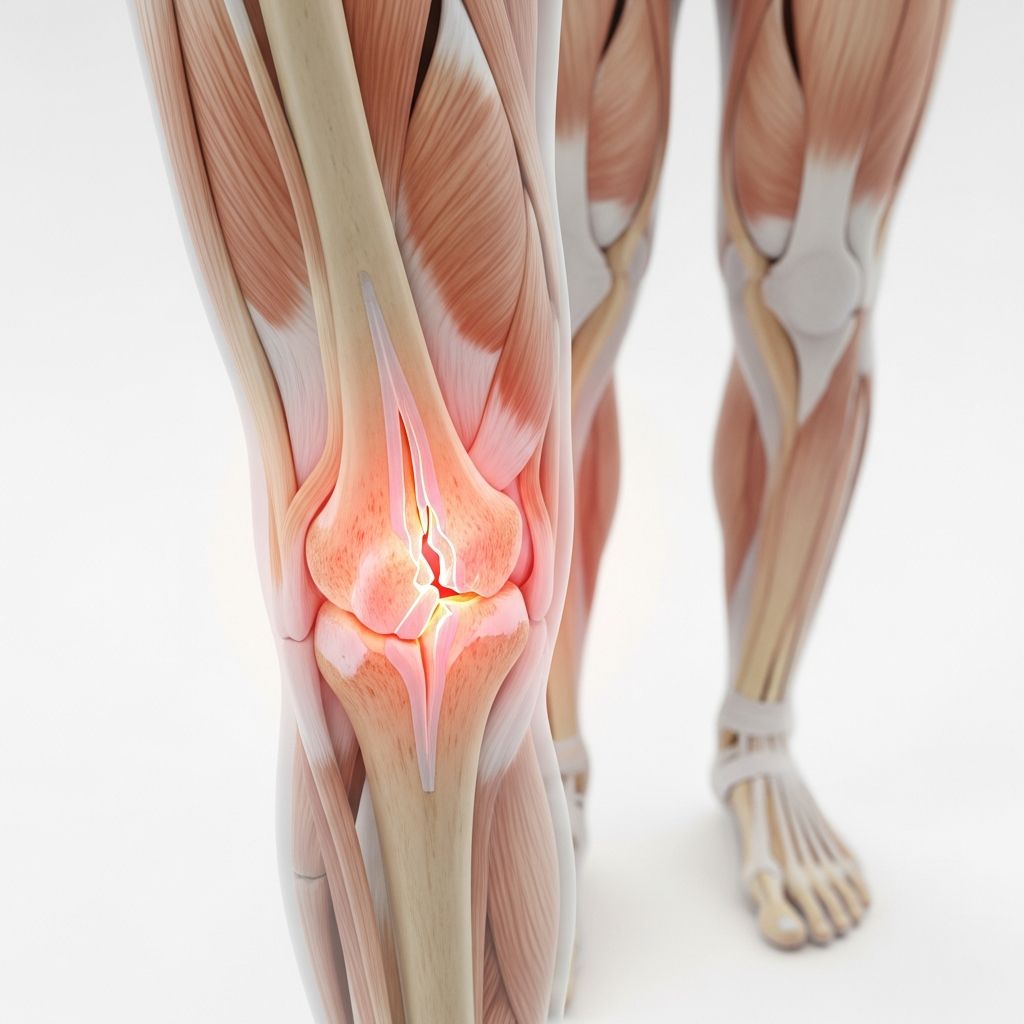
A leg fracture is a break in one or more of the bones that make up your lower extremity. The leg contains three major bones: the femur (thighbone), the tibia (shinbone), and the fibula (smaller bone in the lower leg). Fractures can range from simple breaks where the bone cracks but remains aligned to complex fractures involving multiple bone fragments and damage to surrounding tissues. Understanding the different types of leg fractures, their causes, symptoms, and treatment options is essential for proper recovery and return to normal function.
Types of Leg Fractures
Femur Fractures (Thighbone Breaks)
The femur is the strongest bone in the human body, and it typically requires significant force to fracture in a healthy person. The most common causes include high-speed motor vehicle accidents, falls from great heights, or direct trauma. In elderly individuals or those with weakened bones (such as those with osteoporosis or cancer), a femur fracture can result from a simple fall or low-impact injury.
Femur fractures are classified into three main categories based on their location: femoral head fractures, femoral neck fractures, and femoral shaft fractures. Each type requires different management approaches and has varying recovery timelines. Femoral neck fractures are particularly concerning because they can disrupt blood supply to the femoral head, potentially leading to complications if not treated promptly.
Tibia Fractures (Shinbone Breaks)
The tibia is the larger of the two lower leg bones and bears most of the body’s weight during weight-bearing activities. Tibia fractures can result from high-impact trauma such as falls from height or motor vehicle accidents, but they can also occur from low-impact injuries if the lower leg is bent or twisted forcefully. Approximately 75 to 85 percent of tibia fractures are accompanied by fractures of the fibula as well.
Tibia fractures are classified as either tibial plateau fractures (affecting the upper portion of the bone), tibial shaft fractures (affecting the middle section), or distal tibia fractures (affecting the lower portion near the ankle). Tibial plateau fractures are intra-articular, meaning they involve the knee joint and may require surgical intervention to restore proper joint alignment.
Fibula Fractures (Lower Leg Bone Breaks)
The fibula is the smaller bone on the outer side of the lower leg that runs parallel to the tibia. While fibula fractures are often less severe than tibia fractures, they still require proper treatment and rehabilitation. Fibula fractures can occur in isolation or in combination with tibia fractures. These fractures typically result from direct impact, falls, or twisting injuries.
Symptoms and Diagnosis
Common Symptoms of Leg Fractures
The symptoms of a leg fracture depend on the specific bone involved and the severity of the break. However, common signs include:
Pain and Swelling: Immediate and intense pain at the fracture site, accompanied by swelling and bruising that may develop over hours or days.
Deformity: Visible misalignment of the leg, shortening of the affected limb, or abnormal positioning of the foot or knee.
Inability to Bear Weight: Difficulty or inability to put weight on the affected leg or move the hip, knee, or ankle on the injured side.
Muscle Spasms: Involuntary muscle contractions around the fracture site due to pain and injury response.
Related Stories



Open Fractures: In severe cases, the broken bone may pierce through the skin, creating an open wound and increasing the risk of infection.
Diagnosis Methods
Physicians use several diagnostic techniques to confirm a leg fracture and determine its severity. X-rays are the primary diagnostic tool and provide clear images of the bone structure, allowing doctors to identify the fracture location, pattern, and alignment. X-rays typically include anterior-posterior (AP) and lateral views, and sometimes additional views such as traction views to assess fracture patterns more clearly.
Computed tomography (CT) scans may be ordered when there is concern for complex, intra-articular fractures or when the fracture involves multiple fragments. CT imaging is particularly useful for detecting concomitant injuries, such as femoral neck fractures accompanying femoral shaft fractures, which occur in approximately 9 percent of cases.
Initial Management and Treatment
Emergency Management
Proper initial management of a leg fracture is critical for optimal outcomes. The primary goals are to restore blood supply, reduce pain, and prevent further injury. Upon arrival at the emergency department, physicians perform a thorough examination to assess neurovascular status, rule out associated injuries, and determine the fracture type.
For femur fractures, emergency reduction is performed in a native hip to restore blood supply to the femoral head and prevent avascular necrosis. Conscious sedation is typically used to facilitate reduction. For prosthetic hips, the approach depends on whether the hip has a constrained liner or is a dual-mobility hip, which often cannot be reduced through closed methods and may require open reduction.
Immobilization Techniques
Immobilization is essential for maintaining bone alignment and promoting healing. Different fracture types require different immobilization methods:
Splinting: Posterior slab splints are commonly used for tibial and ankle fractures. A properly constructed posterior slab uses 10 to 12 layers of 6-inch plaster, extending from the posterior proximal thigh down to just past the tips of the toes for tibial shaft fractures. A stirrup component wraps around the heel and extends up to mid-thigh both medially and laterally.
Long Leg Splints: For more complex fractures or those with significant comminution (multiple fragments), long leg splints provide greater stability and immobilization of both the knee and ankle.
Knee Immobilizers: Unicondylar tibial plateau fractures may be managed with a knee immobilizer, while comminuted fractures require a long leg splint.
Short Leg Splints: Simple ankle fractures with adequate reduction may be treated with short leg splints and non-weight-bearing status.
Surgical Intervention
Many leg fractures require surgical intervention for optimal outcomes. Displaced femoral neck fractures in younger patients are taken to the operating room as soon as feasible for closed or open reduction and internal fixation. Femoral shaft fractures with significant shortening may require tibial traction pin placement to help restore length.
Tibial plateau fractures, particularly those that are comminuted or significantly displaced, typically require surgical fixation to restore joint congruency and prevent long-term complications such as arthritis. Tibial shaft fractures may be managed surgically with intramedullary nailing or plate fixation depending on the fracture pattern and associated injuries.
Healing Timeline and Recovery
Bone Healing Timeframes
The time required for a leg fracture to heal depends on the specific bone involved, the severity of the fracture, and individual factors such as age and overall health. According to the American Academy of Orthopedic Surgeons, a femur fracture typically requires three to six months to heal. Tibia fractures generally take four to six months to achieve bony union, though this timeline can extend if complications develop.
Younger patients generally heal more quickly than older adults. Additionally, patients who maintain good nutrition and avoid smoking typically experience faster healing times. Smoking and poor nutrition can significantly delay bone healing and increase the risk of complications.
Pain Management During Recovery
Effective pain management is an important component of the healing process. Doctors may recommend various pain management strategies including acetaminophen, nonsteroidal anti-inflammatory drugs (NSAIDs), gabapentinoids, muscle relaxants, opioids, or topical pain medications. It is important to use medications as directed by your healthcare provider, particularly with opioids, which carry risk of addiction and should be used only under careful medical supervision.
Physical Therapy and Rehabilitation
Early Mobilization
Physical therapy and rehabilitation are critical components of recovering full leg function after a fracture. In some cases, doctors may encourage weight-bearing immediately after surgery, while in other situations, patients must wait for the fracture to achieve sufficient healing before bearing weight. For fibula fractures, using a walking boot can help patients stay mobile while the fracture heals, reducing muscle atrophy and facilitating better long-term outcomes.
Progressive Rehabilitation
As healing progresses, rehabilitation exercises prescribed by your physical therapist will focus on reducing stiffness, restoring mobility, and rebuilding muscle strength and flexibility. Early interventions may include gentle range-of-motion exercises, and as healing continues, resistance exercises and weight-bearing activities are gradually introduced.
Serial compartment checks should be performed throughout the immobilization period to monitor for compartment syndrome, a serious condition where increased pressure within the muscle compartments can compromise blood flow and tissue viability.
Return to Activities
The timeline for returning to normal activities varies depending on the fracture severity and individual healing progress. Physical therapy helps ensure that you regain the muscle strength, endurance, and flexibility necessary for daily activities and desired recreation. Working with your physical therapist to progress through rehabilitation safely helps prevent re-injury and promotes optimal long-term outcomes.
Complications and Special Considerations
Neurovascular Status
Assessment of neurovascular status is critical in the acute management of leg fractures. Physicians must evaluate distal motor and sensory function to rule out nerve injuries such as sciatic nerve palsy in hip dislocations or other neurological complications. Compromised blood flow can lead to tissue damage, infection, and poor wound healing, particularly in open fractures.
Concomitant Injuries
Leg fractures may occur in combination with other injuries. For example, femoral neck fractures can accompany femoral shaft fractures, and high-energy mechanisms may result in multiple fracture sites. Comprehensive imaging is essential to identify all injuries and plan appropriate treatment strategies.
Open Fractures
Open fractures, where the broken bone pierces the skin, carry increased risk of infection and require emergency surgical intervention. Comprehensive wound management, including debridement and appropriate antibiotic therapy, is essential to prevent serious complications.
Prevention Strategies
While not all leg fractures can be prevented, certain measures can reduce your risk. Maintaining strong bones through adequate calcium and vitamin D intake, engaging in regular weight-bearing exercise, and avoiding smoking all contribute to bone health. For older adults, fall prevention strategies including home safety modifications, proper lighting, and appropriate footwear can significantly reduce fracture risk. Additionally, using protective equipment during high-risk activities and practicing proper technique in sports can help prevent traumatic injuries.
Frequently Asked Questions
Q: How long does it take to recover from a leg fracture?
A: Recovery time depends on the type and severity of the fracture, but femur fractures typically take 3-6 months to heal, while tibia fractures generally require 4-6 months. Full functional recovery, including strength and flexibility restoration, may take longer.
Q: Can I walk on a broken leg?
A: This depends on the specific fracture type and treatment plan. Some fractures may allow early weight-bearing, while others require a period of non-weight-bearing immobilization. Always follow your physician’s specific instructions regarding weight-bearing status.
Q: What is the difference between a fracture and a break?
A: Medically, the terms “fracture” and “break” refer to the same injury—a break in bone continuity. The terms are used interchangeably in medical practice.
Q: How important is physical therapy for leg fracture recovery?
A: Physical therapy is essential for optimal recovery. It helps restore mobility, rebuild muscle strength, reduce stiffness, and prevent complications. Patients who engage in appropriate rehabilitation typically achieve better long-term functional outcomes.
Q: What should I do if I suspect a leg fracture?
A: Seek immediate medical attention. Apply ice to reduce swelling, elevate the leg if possible, and immobilize the area to prevent further injury. Do not attempt to straighten a deformed leg.
References
- A Brief Guide to Initial Management of Orthopedic Injuries — Orthopaedic Journal at HMS. 2024. https://orthojournalhms.org/20/article52_61.html
- Exercising Your Leg After a Broken Bone — Rausch Physical Therapy. October 1, 2022. https://rauschpt.net/exercising-your-leg-after-a-broken-bone/
- Fractures — Massachusetts General Hospital. 2024. https://www.massgeneral.org/condition/fractures
- Treatment of Common Fractures in the Emergency Department — American Academy of Orthopedic Surgeons. 2023. https://orthoinfo.aaos.org/
- Bone Health and Osteoporosis — National Institutes of Health, National Institute of Arthritis and Musculoskeletal and Skin Diseases. 2023. https://www.niams.nih.gov/
Similar Articles








Read full bio of medha deb