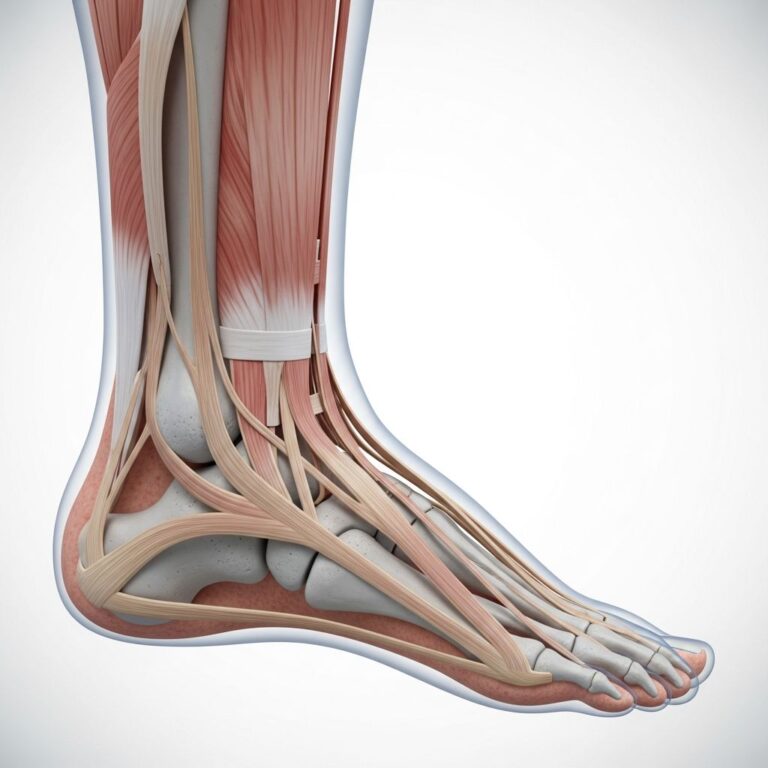
Leg Strain: Causes, Symptoms, and Treatment Guide
Complete guide to understanding, treating, and preventing leg strain injuries.
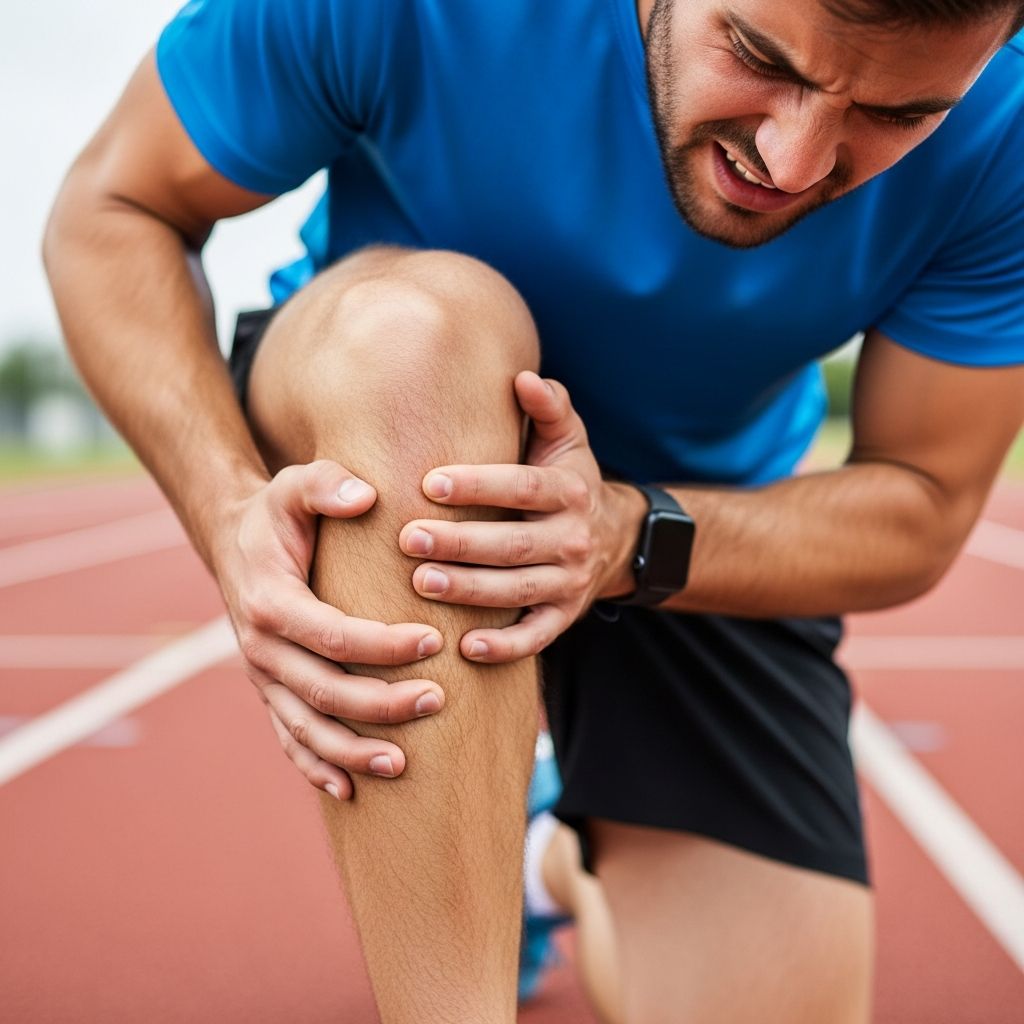
A leg strain, commonly referred to as a pulled muscle, occurs when muscle fibers in the leg are stretched beyond their normal capacity or partially torn. This type of injury is one of the most common musculoskeletal complaints affecting people of all ages and activity levels. Whether you’re an athlete, weekend warrior, or someone who experienced an unfortunate accident, understanding leg strains can help you manage the condition effectively and prevent future occurrences.
What Is a Leg Strain?
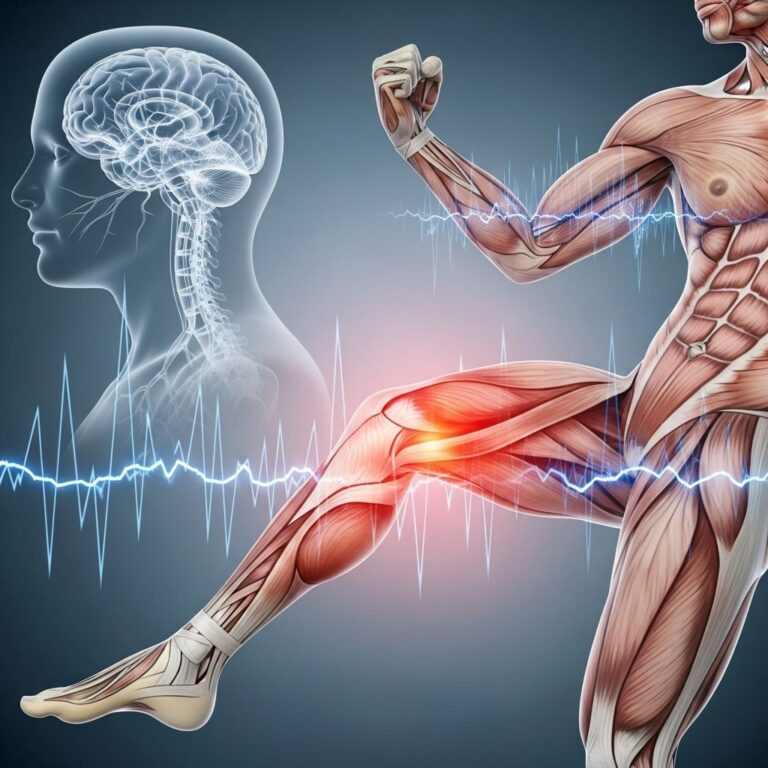
A leg strain involves damage to muscle fibers or the tendons that connect muscles to bones in the leg. The injury typically occurs when muscles are forced to contract forcefully or are stretched beyond their normal range. The severity of a leg strain can vary significantly, ranging from minor micro-tears in muscle fibers to complete rupture of the muscle or tendon.
Leg strains are classified into three distinct grades based on severity:
- Grade 1 Strain: Mild overstretching of muscle fibers with minimal tearing. Pain and swelling are usually minimal, and most people can continue with limited activity.
- Grade 2 Strain: Partial tearing of muscle fibers causing moderate pain, swelling, and loss of function. Bruising may be visible, and movement becomes restricted.
- Grade 3 Strain: Complete tear of the muscle or tendon. This severe injury causes significant pain, swelling, and complete loss of function in the affected muscle.
Common Causes of Leg Strain
Leg strains develop through various mechanisms, and understanding what causes them is essential for prevention. The following are the most common causes:
Sports and Athletic Activities
Athletes are particularly susceptible to leg strains due to the intense and repetitive nature of physical activity. Common sports-related causes include:
- Sudden acceleration or deceleration during running or sprinting
- Jumping and landing improperly
- Rapid changes in direction without adequate warm-up
- Overuse of specific muscle groups without sufficient rest
- Inadequate stretching or improper conditioning
Daily Activities and Accidents
Leg strains aren’t limited to athletes. Many people experience strains during everyday activities such as:
- Tripping or falling unexpectedly
- Lifting heavy objects with improper technique
- Stepping into a hole or uneven surface
- Sudden forceful movements
- Overexertion during physical labor
Risk Factors
Certain factors increase your likelihood of experiencing a leg strain:
- Poor flexibility: Tight muscles are more prone to strain
- Muscle fatigue: Tired muscles cannot support joints properly
- Inadequate warm-up: Cold muscles are less resilient
- Previous injuries: Scarring and weakness from past strains increase vulnerability
- Age: Muscles become less elastic as we age
- Deconditioning: Lack of regular exercise weakens muscles
Recognizing Symptoms of Leg Strain
Symptoms of a leg strain vary depending on the severity of the injury and can range from mild discomfort to severe pain. Most people experience symptoms immediately following the injury, though some may develop gradually over time.
Related Stories



Common Symptoms Include:
- Sudden pain in the affected muscle, particularly during or immediately after activity
- Muscle weakness in the injured area, making normal movements difficult
- Swelling and inflammation that may develop within hours of the injury
- Bruising or discoloration of the skin in severe cases
- Muscle spasm or cramping in the affected leg
- Stiffness that worsens after rest and improves with gentle movement
- Limited range of motion in the leg or inability to bear weight
- Audible pop or tearing sensation at the moment of injury, typically in severe strains
Diagnosis and Medical Evaluation
Most leg strains can be diagnosed through a physical examination by a healthcare provider. During the evaluation, your doctor will:
- Review your medical history and the circumstances of the injury
- Perform a physical examination to assess pain, swelling, and range of motion
- Test muscle strength to determine the extent of damage
- Palpate the affected area to identify specific locations of pain
In some cases, imaging studies may be ordered to rule out other injuries or assess the severity of the strain:
- Ultrasound: Often the first imaging choice for muscle injuries, providing real-time visualization of muscle damage
- MRI: Offers detailed images of soft tissue damage, useful for severe strains or when other imaging is inconclusive
- X-rays: Typically taken to rule out bone fractures rather than to evaluate muscle strain
Treatment Options and Recovery
The good news is that most leg strains heal well with appropriate treatment. Recovery time depends on the severity of the strain and can range from days to several weeks.
Immediate Care: The RICE Protocol
The first step in treating a leg strain is to implement the RICE protocol, which has been the gold standard for acute injury management:
- Rest: Stop the activity immediately and avoid further stress on the injured muscle. Use crutches if weight-bearing causes pain.
- Ice: Apply ice packs to the affected area for 15-20 minutes every 2-3 hours during the first 48-72 hours to reduce swelling and pain.
- Compression: Wrap the leg with an elastic bandage or compression sleeve to minimize swelling and provide support.
- Elevation: Keep your leg elevated above heart level when resting to help reduce swelling.
Medication and Pain Management
Over-the-counter medications can help manage pain and inflammation during recovery:
- Nonsteroidal anti-inflammatory drugs (NSAIDs): Ibuprofen or naproxen can reduce pain and swelling
- Acetaminophen: Offers pain relief for those unable to take NSAIDs
- Topical analgesics: Creams and gels can provide localized pain relief
Physical Therapy and Rehabilitation
As the initial pain and swelling diminish, physical therapy becomes essential for proper healing and preventing reinjury. A physical therapist will guide you through:
- Gentle stretching exercises to restore flexibility
- Progressive strengthening exercises to rebuild muscle power
- Range of motion exercises to restore normal movement
- Balance and coordination training
- Sport-specific rehabilitation for athletes
When to Seek Professional Help
While many leg strains resolve with home care, certain situations warrant professional medical attention:
- Severe pain that doesn’t improve with rest and over-the-counter medications
- Inability to bear weight on the affected leg
- Significant swelling that doesn’t decrease after 48 hours
- Visible deformity or signs of a severe tear
- Symptoms that persist beyond two weeks
- Recurrent strains in the same area
Prevention Strategies
Preventing leg strains is far more desirable than treating them. Implementing these strategies can significantly reduce your risk of injury:
Proper Warm-Up and Cool-Down
Always begin exercise with a gradual warm-up period and end with a cool-down. This allows your muscles to prepare for activity and recover properly afterward.
Maintain Flexibility
Regular stretching exercises improve muscle elasticity and reduce strain risk. Aim for at least 10-15 minutes of stretching daily, focusing on major leg muscles.
Gradual Progression
Increase exercise intensity and duration gradually. The “10% rule” suggests increasing activity by no more than 10% per week to allow your body to adapt.
Strength Training
Regular resistance exercises strengthen muscles and improve their ability to handle stress. Include exercises targeting all major leg muscle groups.
Proper Technique
Whether exercising or performing daily tasks, using correct body mechanics prevents unnecessary strain on muscles. Consider working with a coach or trainer to ensure proper form.
Adequate Rest and Recovery
Allow sufficient rest between intense activities. Your muscles need time to recover and adapt to training stress.
Frequently Asked Questions About Leg Strain
Q: How long does it take for a leg strain to heal?
A: Recovery time varies by severity. Grade 1 strains may heal in a few days to a week, Grade 2 strains typically take 2-4 weeks, and Grade 3 strains can require 6-12 weeks or longer for complete healing.
Q: Can I exercise with a leg strain?
A: It depends on the severity. Grade 1 strains may allow gentle movement and stretching, while Grade 2 and 3 strains require complete rest initially. Always consult your healthcare provider before resuming activity.
Q: When should I switch from ice to heat?
A: Apply ice for the first 48-72 hours after injury to reduce acute inflammation. After this period, heat can be beneficial for stiffness and muscle relaxation, though ice remains appropriate if swelling persists.
Q: Is a leg strain the same as a muscle cramp?
A: No. A muscle cramp is an involuntary contraction that’s painful but temporary. A leg strain involves actual damage to muscle fibers and typically causes lasting pain and swelling.
Q: Can leg strains become chronic?
A: Most leg strains resolve completely with proper treatment. However, inadequate rehabilitation or repeated reinjury can lead to chronic pain and weakness. Proper physical therapy is crucial for prevention.
Q: What’s the difference between a strain and a sprain?
A: A strain involves muscle or tendon damage, while a sprain affects ligaments that connect bones. Both are common injuries but require slightly different treatment approaches.
When to Seek Emergency Care
Seek immediate emergency medical attention if you experience:
- Severe, unbearable pain
- Complete inability to move the leg
- Signs of severe bleeding or deep bruising
- Numbness or tingling that doesn’t resolve
- Signs of compartment syndrome (severe pain with passive stretching)
- Symptoms suggesting a fracture or other serious injury
Conclusion
Leg strains are common injuries that respond well to appropriate treatment and rehabilitation. By understanding the causes, recognizing symptoms early, and implementing proper recovery strategies, you can minimize downtime and prevent recurrence. Most importantly, incorporating preventive measures into your daily routine—such as maintaining flexibility, using proper technique, and gradually progressing activities—will significantly reduce your risk of experiencing leg strain in the future. If you’re unsure about the severity of your injury or have persistent symptoms, always consult a healthcare professional for proper evaluation and personalized treatment recommendations.
References
- Muscle Strain — Harvard Health Publishing. 2024. https://www.health.harvard.edu
- Acute muscle injuries and strains — Mayo Clinic. 2024. https://www.mayoclinic.org/diseases-conditions/muscle-strains/diagnosis-treatment/drc-20405179
- Muscle Strain Rehabilitation — American Academy of Orthopaedic Surgeons. 2024. https://orthoinfo.aaos.org
- Prevention and Treatment of Muscle Injuries — National Center for Biotechnology Information. 2023. https://www.ncbi.nlm.nih.gov/pmc/articles/PMC3956896/
- RICE Protocol and Modern Injury Management — American College of Sports Medicine. 2024. https://www.acsm.org
Similar Articles








Read full bio of Sneha Tete