Legumes Benefits: 7 Reasons To Eat More Beans And Peas
Discover the powerful health benefits of legumes, from heart health to diabetes prevention and weight management.
Legumes—think beans, lentils, peas, and chickpeas—are nutritional powerhouses that deserve a starring role in your diet. These plant-based foods are packed with protein, fiber, vitamins, and minerals, offering benefits like improved heart health, better blood sugar control, and weight management. Affordable, versatile, and sustainable, legumes are recommended by health authorities for everyone, not just vegetarians.
According to the U.S. Dietary Guidelines, adults should aim for about 3 cups of legumes per week. Research from Harvard’s Nutrition Source emphasizes their role in preventing chronic diseases due to high fiber, folate, and low glycemic index. This article breaks down the top health benefits, types of legumes, and practical tips for adding them to meals.
What Are Legumes?
Legumes are the seeds or pods of plants in the Fabaceae family, including beans, lentils, peas, soybeans, and peanuts. They are fleshy, nutrient-dense foods that grow in pods and are harvested for their edible seeds. Unlike vegetables, legumes are classified as a unique food group due to their high protein content, making them a staple in plant-based diets worldwide.
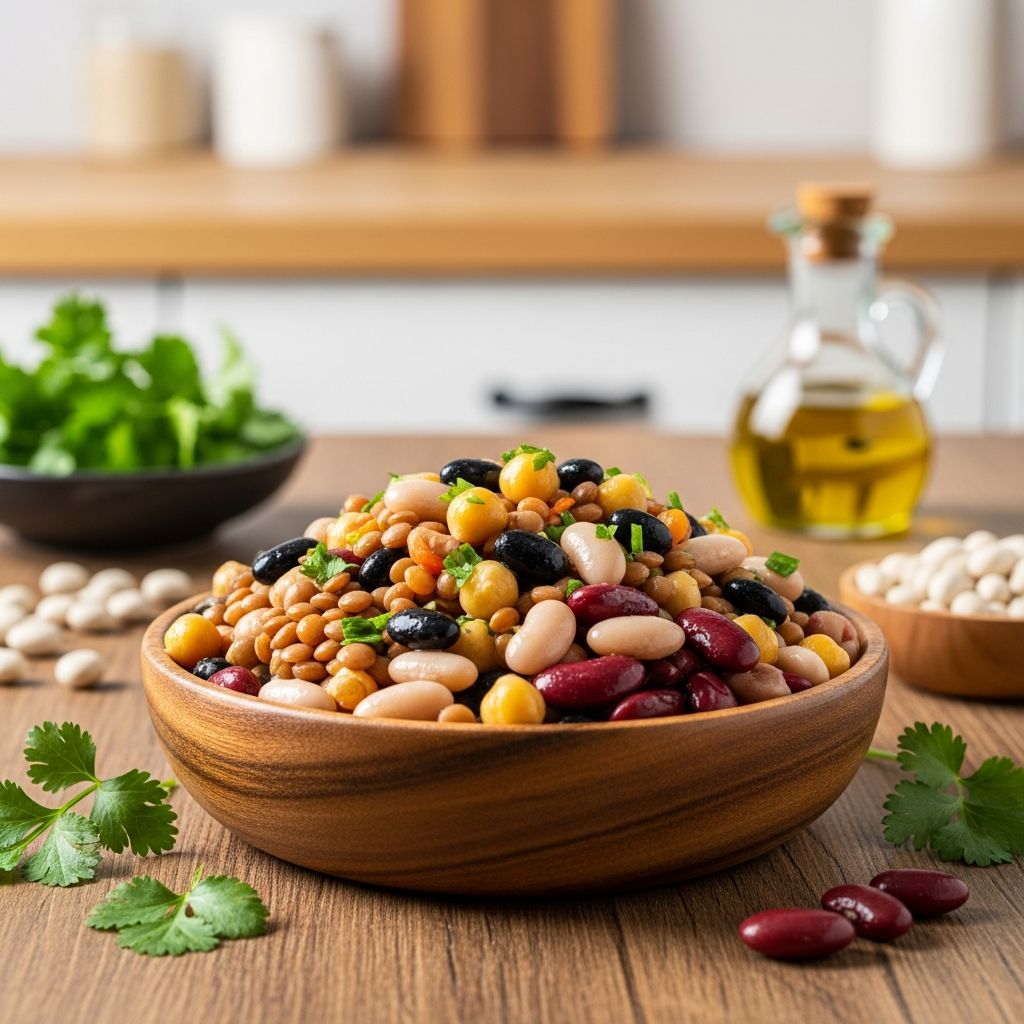
Common examples include black beans, kidney beans, chickpeas (garbanzo beans), lentils (red, green, brown), split peas, green peas, edamame, and soybeans. They come fresh, dried, canned, or frozen, with dried varieties being the most economical. The USDA recommends including them in diets like the Mediterranean, DASH, and plant-based plans for optimal health.
- Beans: Black, pinto, navy, kidney, lima
- Lentils: Red, green, brown, black (beluga)
- Peas: Green peas, split peas, chickpeas
- Soy products: Edamame, tofu, tempeh
Nutritional Profile of Legumes
Legumes are low in fat, calories, and have a low glycemic index (GI), providing steady energy without blood sugar spikes. A single cup of cooked legumes delivers 15g of fiber—over half the daily recommendation—plus 15-20g of plant protein.
| Nutrient (per 1 cup cooked) | Black Beans | Lentils | Chickpeas |
|---|---|---|---|
| Calories | 227 | 230 | 269 |
| Protein (g) | 15 | 18 | 15 |
| Fiber (g) | 15 | 16 | 12 |
| Folate (% DV) | 64% | 90% | 71% |
| Iron (mg) | 3.6 | 6.6 | 4.7 |
Data adapted from USDA nutrient databases via reliable sources. They also provide B-vitamins, potassium, phosphorus, zinc, and antioxidants like polyphenols.
7 Key Health Benefits of Legumes
1. Promote Heart Health
Legumes reduce cardiovascular risk through soluble fiber, which lowers LDL cholesterol by 6-7% and total cholesterol by 7%, per meta-analyses of clinical trials. A cohort study of over 9,600 participants found eating legumes 4+ times weekly linked to 22% lower heart disease risk and 11% lower CVD events after 19 years.
Folate, potassium, and phytochemicals further support blood pressure control. Substituting legumes for red meat cuts triglycerides and blood pressure, as shown in 36 RCTs.
2. Help Control Blood Sugar and Prevent Diabetes
With a low GI, high fiber, and resistant starch, legumes slow carbohydrate digestion, stabilizing blood sugar. Reviews link legume consumption to lower diabetes risk and better glycemic control in diabetics. A Chinese cohort of 64,000 women showed 38% reduced type 2 diabetes risk with daily intake (1/3 cup).
Related Stories



The DASH diet, rich in legumes, improves lipid control and hypertension management.
3. Aid Weight Management
Protein and fiber promote satiety, helping control appetite and prevent obesity. Legumes’ slow-digesting carbs provide sustained energy, reducing overeating. Studies associate regular intake with better weight control in Mediterranean and plant-based diets.
4. Support Gut Health and Digestion
15g fiber per cup fosters regular bowel movements and feeds beneficial gut bacteria, increasing microbiome diversity. Insoluble fiber prevents constipation, while prebiotic compounds support immune function. Antioxidants protect against digestive cancers.
5. Provide High-Quality Plant Protein
Comparable to meat in protein but without saturated fats, legumes are ideal for vegetarians. Combining with grains (e.g., beans and rice) yields complete proteins with all essential amino acids.
6. Boost Immunity and Fight Disease
Zinc, selenium, and phytic acid enhance immune function and reduce oxidative stress. Phytochemicals have anti-cancer potential in animal studies, inhibiting tumor growth.
7. Sustainable and Affordable Nutrition
Legumes emit up to 7x less greenhouse gases, fix nitrogen in soil, and are inexpensive (under $1 per pound dried). The EAT-Lancet planetary health diet recommends 50g daily.
How to Add More Legumes to Your Diet
- Breakfast: Add lentils to oatmeal or make chickpea flour pancakes.
- Lunch: Bean salads, hummus with veggies, or lentil soup.
- Dinner: Chili, stir-fries with edamame, or legume-based curries.
- Snacks: Roasted chickpeas or edamame.
Start with canned (rinsed to reduce sodium) or soak dried overnight: 1 part legumes to 3 parts water, boil 1-2 minutes, simmer 1-2 hours.
Potential Drawbacks and How to Overcome Them
Antinutrients like phytates and lectins can bind minerals, but soaking, sprouting, and cooking reduce them by 50-80%. Gas from oligosaccharides improves with gradual introduction and digestive enzymes like Beano. Most people tolerate 1/2 cup daily without issues.
Frequently Asked Questions (FAQs)
What are the main types of legumes?
Beans (black, kidney), lentils, peas, chickpeas, soybeans, and peanuts.
Are legumes good for weight loss?
Yes, their fiber and protein promote fullness and steady energy, aiding weight control.
Do legumes cause gas?
Initially yes, due to fiber; start small, soak, and cook thoroughly to minimize.
How much legumes should I eat weekly?
3 cups cooked, per U.S. Dietary Guidelines.
Are canned legumes healthy?
Yes, rinse to cut sodium by 40%; choose low-sodium options.
Recipe Ideas
- Black Bean Burgers: Mash beans with oats, spices; grill.
- Lentil Dal: Simmer with tomatoes, cumin, turmeric.
- Chickpea Salad: Mix with cucumber, feta, lemon dressing.
Incorporate legumes for lasting health gains. Consult a doctor for personalized advice, especially with digestive issues.
References
- Healthy food trends – beans and legumes — MedlinePlus, U.S. National Library of Medicine. 2023. https://medlineplus.gov/ency/patientinstructions/000726.htm
- Legumes: Benefits, drawbacks, ways to eat them — Medical News Today. 2023-05-12. https://www.medicalnewstoday.com/articles/what-are-legumes
- Legumes and Pulses — Harvard T.H. Chan School of Public Health, The Nutrition Source. 2024. https://nutritionsource.hsph.harvard.edu/legumes-pulses/
Similar Articles








Read full bio of medha deb