Leiomyosarcoma: Symptoms, Treatment & Prognosis
Understanding leiomyosarcoma: rare cancer, aggressive tumors, and comprehensive treatment options.
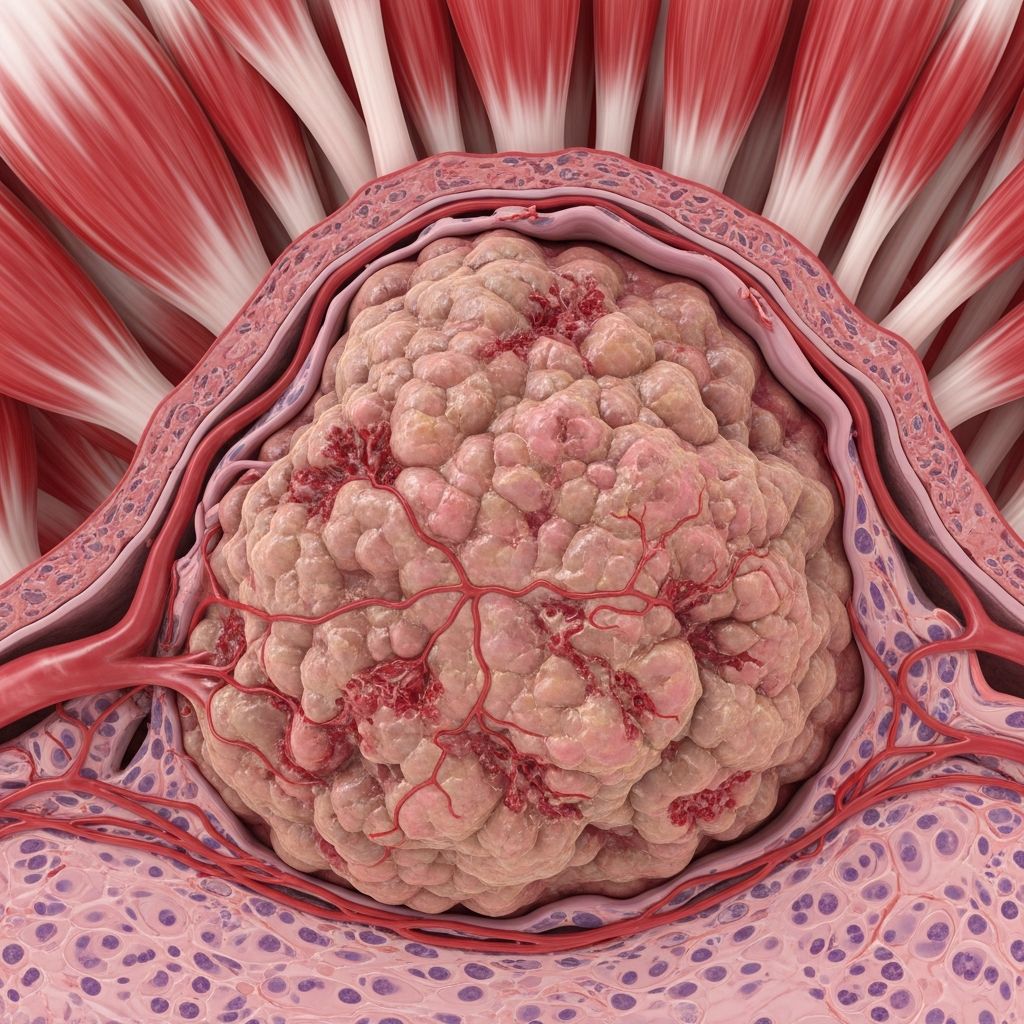
What is Leiomyosarcoma?
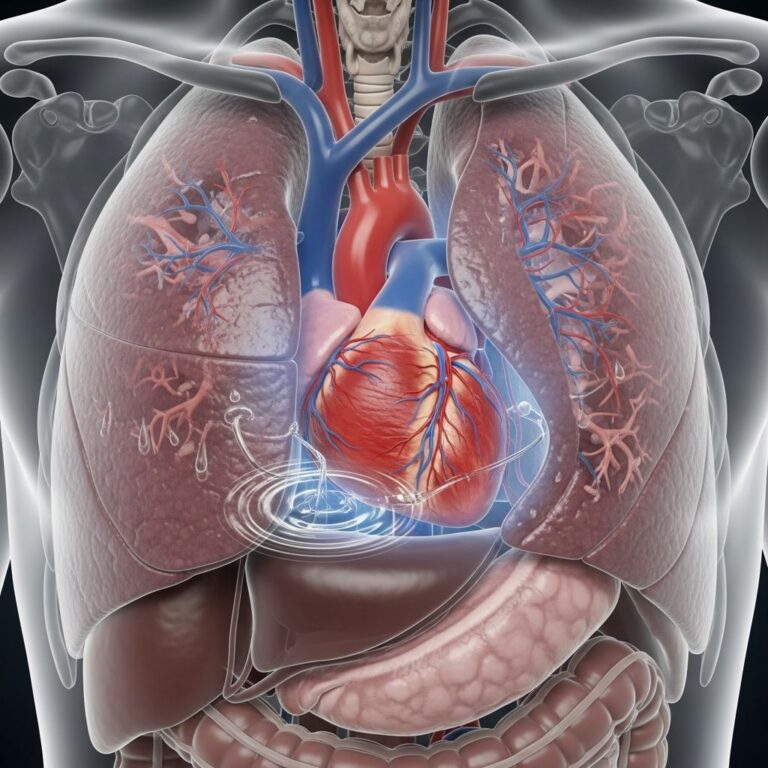
Leiomyosarcoma (LMS) is a rare, aggressive cancer that originates in smooth muscle tissue. Unlike skeletal muscles that you can control voluntarily, smooth muscles are involuntary and line various organs throughout your body, including the stomach, bladder, intestines, and blood vessels. When cancerous cells develop in this smooth muscle tissue, they grow rapidly and can spread to other parts of the body if left untreated. The rarity of this condition means that many healthcare providers may have limited experience diagnosing and treating it, making specialized care essential for optimal outcomes.
Leiomyosarcoma falls into the broader category of soft tissue sarcomas, which are malignant tumors affecting connective tissues. This aggressive nature means that early detection and prompt treatment are critical for improving survival rates and quality of life. The condition can occur in various locations throughout the body, with some of the most common sites being the abdomen, pelvis, and retroperitoneum (the space behind the abdominal organs).
Symptoms of Leiomyosarcoma
The symptoms of leiomyosarcoma vary considerably depending on where the tumor is located in your body. Since these tumors can develop in numerous locations, recognizing symptoms requires awareness of both general cancer indicators and location-specific manifestations.
General Symptoms
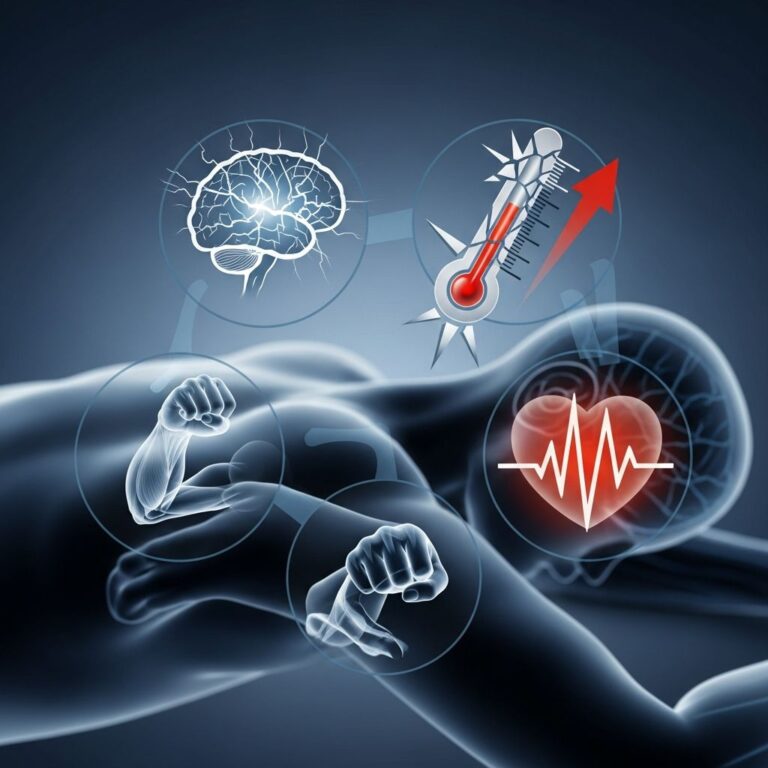
Common symptoms that may indicate leiomyosarcoma include:
- Fatigue and weakness
- Unexplained weight loss
- General malaise and feeling unwell
- Abdominal bloating or distention
- Persistent pain in the affected area
Location-Specific Symptoms
Depending on where the tumor develops, you may experience additional symptoms. Tumors in the gastrointestinal tract may cause digestive issues, nausea, vomiting, or changes in bowel habits. Uterine leiomyosarcomas may present with abnormal vaginal bleeding or unusual vaginal discharge. Abdominal or pelvic tumors might create a palpable mass that you or your doctor can feel during examination, or they may cause localized pain and pressure in the affected region.
Diagnosis of Leiomyosarcoma
Diagnosing leiomyosarcoma requires a comprehensive evaluation process involving multiple steps to confirm the presence of cancer, determine its characteristics, and plan appropriate treatment.
Initial Evaluation
Your healthcare provider will begin with a thorough physical examination and take a detailed medical history. They will ask you about your symptoms, when they started, their severity, and how they have progressed over time. Understanding your complete medical background, including any past or current health conditions, helps your provider assess your risk factors and overall health status.
Imaging Tests
Imaging studies are essential to visualize the tumor and determine its size, location, and whether it has spread to other parts of your body. Your provider may recommend several types of imaging tests:
- CT Scan: X-rays taken from multiple angles are combined to create detailed cross-sectional images of your body, providing excellent visualization of tumors and their relationship to surrounding structures.
- MRI (Magnetic Resonance Imaging): Using powerful magnets and radio waves, MRI produces highly detailed images that are particularly useful for soft tissue assessment and determining tumor margins.
- Ultrasound: Sound waves create images of internal organs and structures, often used as an initial screening tool to identify abnormalities.
- PET Scan: This imaging technique uses radioactive tracers to identify areas of increased metabolic activity, helping determine if cancer has spread to distant sites.
Biopsy
Related Stories



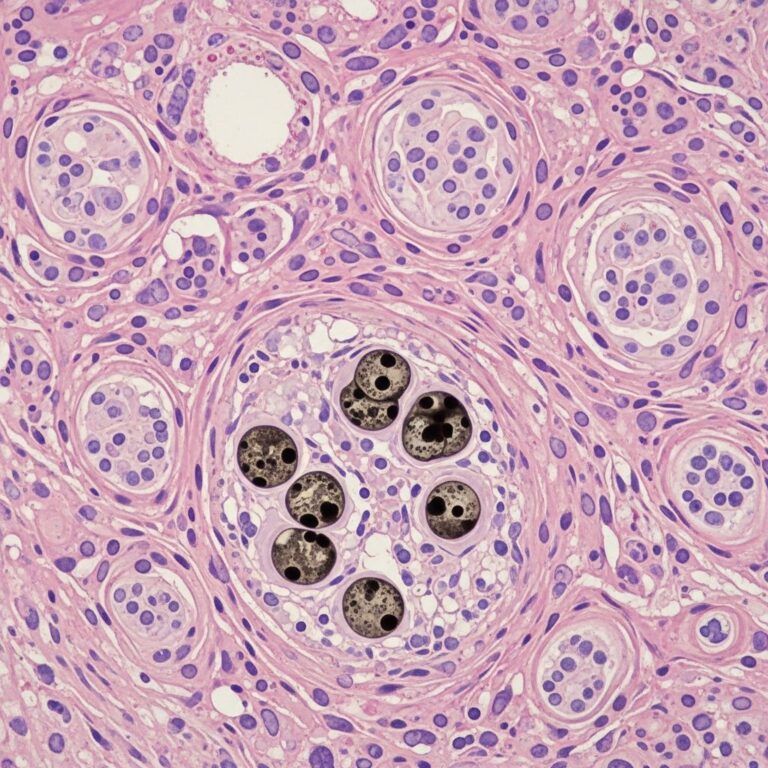
To confirm a leiomyosarcoma diagnosis, a biopsy is almost always necessary. During this procedure, your healthcare provider obtains small tissue samples from several different parts of the tumor using either a needle biopsy or a small surgical incision. Taking samples from multiple areas helps ensure accurate diagnosis and assessment of the cancer’s characteristics. These tissue samples are then sent to a pathologist who examines them under a microscope and performs specialized tests to confirm that the cells are indeed cancerous smooth muscle cells and to determine the tumor’s grade and other important characteristics.
Staging and Grading
Once leiomyosarcoma is confirmed, your healthcare team will determine the stage and grade of your cancer, which are critical for predicting prognosis and planning treatment.
Tumor grading uses a three-tier system (known as the FNCLCC grading system for soft tissue sarcomas) that evaluates three factors: cytologic atypia (how abnormal the cells appear), mitotic activity (how rapidly cells are dividing), and tumor necrosis (areas of dead tissue within the tumor). These grades range from low-grade (slower growing) to high-grade (more aggressive) cancers.
Staging determines how advanced the cancer is and whether it has spread beyond its original location. Staging considers the tumor’s size, depth, grade, and whether it has metastasized to lymph nodes or distant organs. This information helps your healthcare team understand how aggressive your particular cancer is and guides treatment decisions.
Treatment Options for Leiomyosarcoma
Treatment for leiomyosarcoma typically involves a multidisciplinary approach, with your specific treatment plan tailored to your individual circumstances. Several factors influence treatment recommendations, including the tumor’s location, size, grade, whether it has spread, your age, and your overall health status.
Surgery
Surgery is the primary and most effective treatment for leiomyosarcoma. During surgical intervention, your surgeon will remove the tumor along with a margin of surrounding healthy tissue to reduce the risk of cancer recurrence. The extent of surgery depends on the tumor’s location and size. For uterine leiomyosarcoma, this may involve hysterectomy (removal of the uterus). In some cases, your surgeon may also remove nearby lymph nodes, fallopian tubes, or ovaries. Depending on the tumor’s location and extent, your surgeon may be able to use minimally invasive approaches, such as laparoscopic or robotic surgery, which can result in faster recovery times and less postoperative pain compared to traditional open surgery.
Chemotherapy
Chemotherapy uses powerful medications designed to destroy cancer cells throughout your body. These drugs may be administered before surgery (neoadjuvant chemotherapy) to shrink the tumor, after surgery (adjuvant chemotherapy) to eliminate any remaining cancer cells, or as the primary treatment if surgery is not an option. However, it’s important to note that leiomyosarcoma is not particularly responsive to chemotherapy alone, so it is typically combined with other treatment modalities for optimal effectiveness.
Radiation Therapy
Radiation therapy uses high-energy beams to target and destroy cancer cells. Your healthcare team may recommend radiation therapy after surgery to eliminate any remaining cancer cells, after chemotherapy, or if you are unable to undergo surgery. In specialized centers, additional radiation options may be available, including proton beam therapy and neutron beam treatments, which can deliver more precise doses to the tumor while minimizing damage to surrounding healthy tissue.
Advanced Treatment Options
Specialized sarcoma centers may offer additional cutting-edge treatment modalities. These include:
- Radio Frequency Ablation (RFA): Uses heat generated by radiofrequency energy to destroy tumor tissue.
- Cryosurgery: Uses extreme cold to freeze and destroy cancer cells.
- Chemoembolization: Delivers chemotherapy directly to the tumor while blocking its blood supply.
- Hyperthermia: Uses controlled heat to enhance the effectiveness of other treatments.
- Anti-angiogenesis Therapy: Targets the formation of new blood vessels that feed tumors.
- Immunotherapy: Harnesses the body’s immune system to fight cancer cells.
Prognosis and Outlook
The prognosis for leiomyosarcoma varies significantly depending on multiple factors related to your specific cancer. Early detection and treatment offer the best opportunity for cure, especially when the tumor is small, has not spread, and is completely surgically resected with clear margins. Some cases of leiomyosarcoma can be cured, particularly when diagnosed in early stages.
However, the outlook becomes more complicated when leiomyosarcoma is discovered in later stages. Advanced, Stage 4 leiomyosarcoma that has spread to distant organs cannot be cured but can often be managed effectively with treatment to extend survival and maintain quality of life. Your specific prognosis depends on factors including the tumor’s size, grade, depth, location, whether it has spread to lymph nodes or other organs, your age, and your overall health status.
Your healthcare provider can give you a more personalized prognosis based on these specific details and the characteristics of your individual tumor. It’s important to have detailed discussions with your treatment team about realistic expectations and available options.
Building Your Healthcare Team
Because leiomyosarcoma is aggressive and requires specialized expertise, building a strong multidisciplinary healthcare team is essential for achieving the best outcomes. This team should ideally include:
- Your primary care physician experienced with your type of leiomyosarcoma
- A surgical oncologist with a history of treating sarcomas and leiomyosarcoma
- A medical oncologist who can provide information about the latest chemotherapy options
- A radiation oncologist experienced in treating soft tissue sarcomas
- A reputable pathologist who can accurately interpret biopsy findings
- A qualified psychologist or mental health professional to help manage the emotional impact of your diagnosis
This comprehensive team approach ensures you receive cutting-edge, coordinated care tailored to your specific needs and circumstances.
Living with Leiomyosarcoma
Beyond medical treatment, maintaining good overall health and emotional well-being is important during your cancer journey. Focus on eating a nutritious diet, managing stress through relaxation techniques or counseling, engaging in appropriate physical activity as tolerated, and seeking emotional support from family, friends, and support groups. Many cancer centers offer supportive services including nutritional counseling, physical therapy, and psychological support to help you navigate treatment and recovery.
Frequently Asked Questions
Q: How common is leiomyosarcoma?
A: Leiomyosarcoma is a rare cancer, accounting for a small percentage of all soft tissue sarcomas. Its rarity makes it important to seek care at specialized sarcoma centers with experience treating this specific tumor type.
Q: Can leiomyosarcoma be cured?
A: In some cases, leiomyosarcoma can be cured, especially when detected and treated early. Complete surgical resection with clear margins offers the best chance for cure. Advanced-stage disease can be managed but is typically not curable.
Q: What is the survival rate for leiomyosarcoma?
A: Survival rates depend on multiple factors including stage at diagnosis, tumor grade, size, and location. Your healthcare provider can discuss specific survival statistics based on your individual tumor characteristics.
Q: Is leiomyosarcoma hereditary?
A: Leiomyosarcoma typically develops sporadically and is not inherited. Most cases are not associated with hereditary cancer syndromes, though genetic factors may play a role in individual cases.
Q: What should I do if I suspect I have symptoms of leiomyosarcoma?
A: Contact your healthcare provider immediately if you experience persistent symptoms such as unexplained abdominal pain, bloating, weight loss, or a palpable mass. Your provider can perform appropriate evaluations and refer you to specialists if needed.
Q: How often will I need follow-up care after treatment?
A: Follow-up care schedules vary based on your specific situation, but typically include regular imaging studies, physical examinations, and blood tests to monitor for recurrence. Your oncology team will establish an appropriate surveillance plan.
References
- Leiomyosarcoma: Symptoms, Treatment & Prognosis — Cleveland Clinic. 2024. https://my.clevelandclinic.org/health/diseases/22059-leiomyosarcoma
- Leiomyosarcoma (Cancer in Muscles): Symptoms, Causes, Treatment — WebMD. 2024. https://www.webmd.com/cancer/leiomyosarcoma
- New Genomic Models for Leiomyosarcoma Treatment — Cleveland Clinic Cancer Advances Podcast. 2024. https://my.clevelandclinic.org/podcasts/cancer-advances/new-genomic-models-for-leiomyosarcoma-treatment
- Sarcoma: What it Is, Symptoms & Treatment — Cleveland Clinic. 2024. https://my.clevelandclinic.org/health/diseases/17934-sarcoma
- Get Sarcoma Treatment — Cleveland Clinic Department of Cancer. 2024. https://my.clevelandclinic.org/services/sarcoma-treatment
Similar Articles








Read full bio of medha deb