Leishmaniasis: Symptoms, Diagnosis, And Treatment Guide
Comprehensive guide to leishmaniasis: parasitic skin disease transmitted by sandflies, covering causes, symptoms, diagnosis, and treatments.
Author: Expert Dermatology Panel
Synonyms: Leishmania infection, sandfly fever (cutaneous form)
What is leishmaniasis?
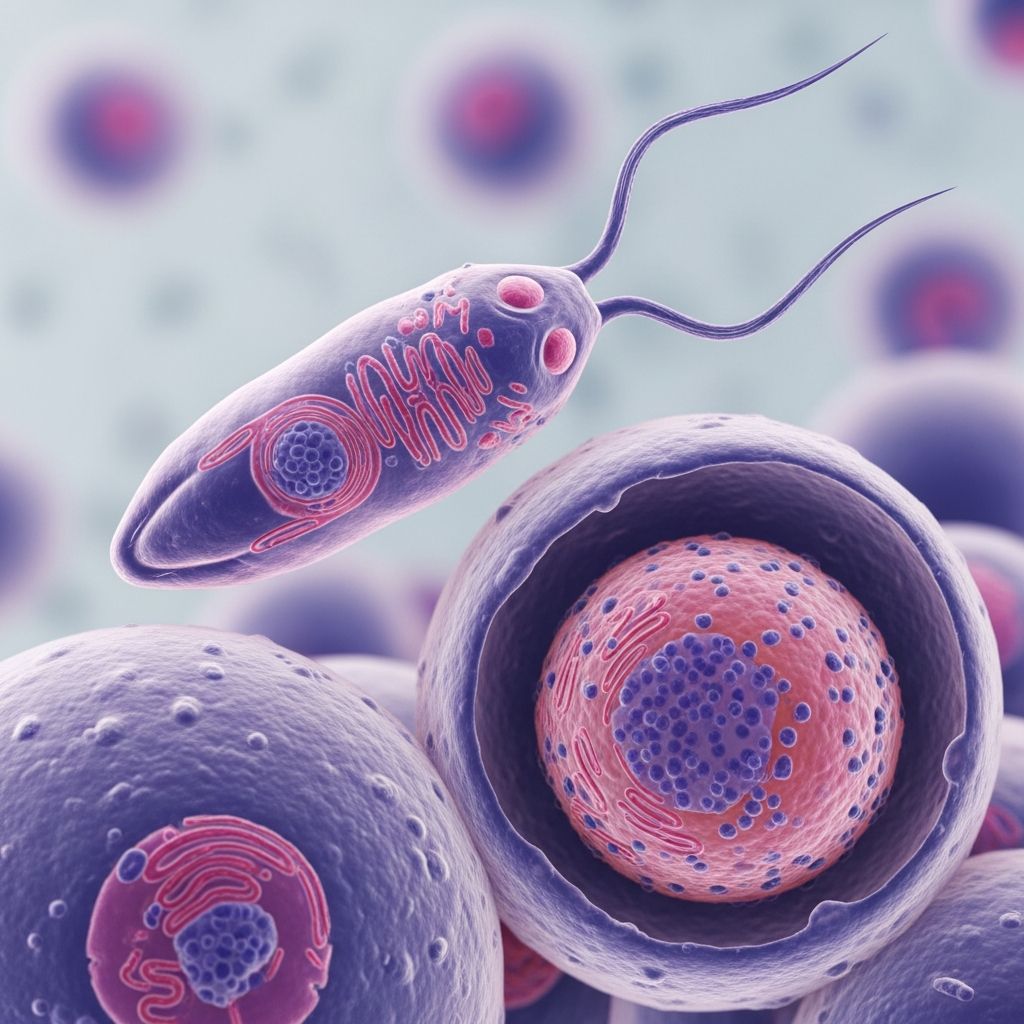
Leishmaniasis is a parasitic disease caused by protozoan parasites of the genus Leishmania, transmitted to humans through the bites of infected female phlebotomine sandflies. It manifests in three primary clinical forms: cutaneous leishmaniasis (CL), mucocutaneous leishmaniasis (MCL), and visceral leishmaniasis (VL, also known as kala-azar). Cutaneous leishmaniasis is the most common, affecting the skin with ulcers on exposed areas, while visceral form impacts internal organs like the spleen and liver, potentially fatal if untreated. The disease is endemic in over 90 countries across Africa, Asia, the Americas, and the Mediterranean, with an estimated 700,000 to 1 million new cases annually, predominantly in tropical and subtropical regions.
The parasite’s life cycle involves sandflies as vectors, where promastigotes are injected into the human host during a blood meal. Inside macrophages, they transform into amastigotes, multiplying and causing infection. Factors like species-specific tropism, host immunity, and environmental conditions determine disease severity. Women and children in endemic areas face heightened social stigma from disfiguring scars.
Who gets leishmaniasis?
Leishmaniasis affects individuals of all ages, with higher incidence in impoverished communities in endemic zones. Risk groups include:
- Residents and travelers to tropical/subtropical regions (e.g., Middle East, Latin America, South Asia).
- Military personnel, refugees, and migrants in conflict zones.
- Immunosuppressed patients (e.g., HIV co-infection increases visceral risk).
- Occupations exposing skin to sandflies, such as farmers or construction workers.
Incubation periods vary: 2-4 weeks for CL, up to months for VL. Imported cases are rising in non-endemic areas due to travel.
What causes leishmaniasis?
The causative agents are over 20 Leishmania species, divided into Old World (e.g., L. major, L. tropica) and New World (e.g., L. braziliensis, L. mexicana) groups. Sandflies (Phlebotomus in Old World, Lutzomyia in New World) transmit promastigotes. Dogs serve as reservoirs for L. infantum. Climate change, urbanization, and deforestation expand vector habitats, fueling outbreaks.
What are the clinical features of leishmaniasis?
Cutaneous leishmaniasis
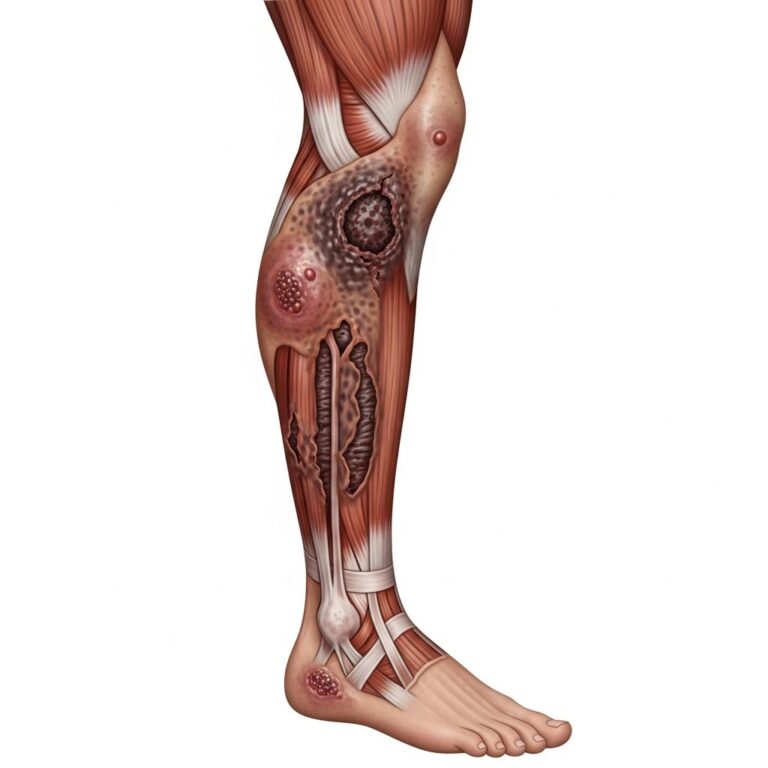
CL presents as painless papules or nodules at bite sites (face, arms, legs), evolving into ulcers with raised borders after 2-8 months incubation. Lesions may be single or multiple, healing spontaneously in 2-5 years but leaving atrophic scars. Variants include:
- Localized CL: Classic ulcer with granulating base.
- Diffuse CL: Non-ulcerative nodules spreading widely, common in anergic hosts (e.g., L. amazonensis).
- Leishmaniasis recidiva: Chronic relapsing lesions mimicking lupus.
Lesions on visible sites cause psychological distress, especially in women.
Mucocutaneous leishmaniasis
MCL, prevalent in South America (L. braziliensis), starts as CL but progresses to mucosal destruction (nose, mouth, throat) months to years later, causing partial or total amputation (espundia). Early nasal stuffiness progresses to perforation.
Visceral leishmaniasis
VL affects spleen, liver, bone marrow, causing fever, weight loss, hepatosplenomegaly, pancytopenia. Mortality reaches 95% untreated; post-kala-azar dermal leishmaniasis (PKDL) follows in 5-10% as hypopigmented macules.
Diagnosis of leishmaniasis
Related Stories



Diagnosis combines clinical suspicion, geography, and lab confirmation:
- Microscopy: Giemsa-stained smears from lesion scrapings show amastigotes (LD bodies) in 50-70% cases.
- Culture/Histology: Parasite isolation or PCR for species ID.
- Serology/Molecular: rK39 for VL; PCR most sensitive for CL.
Differential includes sporotrichosis, mycobacterial ulcers, squamous cell carcinoma.
What is the treatment for leishmaniasis?
Treatment depends on form, location, species, and complexity (simple: <4cm, single, not on face/joints; complex: otherwise). Many CL self-resolve, but therapy prevents scarring/disfigurement.
Local therapies (simple CL)
- Cryotherapy: Liquid nitrogen freeze-thaw cycles; effective but hypopigmentation risk.
- Intralesional antimonials: Sodium stibogluconate; first-line for limited lesions.
- Topical paromomycin: 15% ointment.
Systemic therapies (complex CL, MCL, VL)
| Drug | Dose/Regimen | Indications | Side Effects |
|---|---|---|---|
| Pentavalent antimonials (e.g., meglumine antimoniate) | 20 mg/kg/day IM/IV, 20 days | First-line CL/MCL/VL | Cardiotoxicity, pancreatitis |
| Miltefosine | 2.5 mg/kg/day oral, 28 days | CL/VL; teratogenic | GI upset |
| Pentamidine | 2-4 mg/kg IM/IV, 4-7 doses | L. guyanensis CL | Hypoglycemia |
| Liposomal amphotericin B | 3 mg/kg/day IV, total 18-21 mg/kg | VL, refractory CL | Infusion reactions |
Photodynamic therapy shows promise for localized lesions. Follow-up: Improvement in 4-6 weeks, healing in 3-6 months.
Complications of leishmaniasis
Scarring (CL), mucosal destruction (MCL), secondary bacterial infection, dissemination in immunosuppressed, VL fatality.
How can leishmaniasis be prevented?
- Avoid sandfly bites: Insecticide-treated nets, repellents (DEET), long clothing at dusk/dawn.
- Vector control: Indoor spraying, environmental management.
- Vaccines: None widely available; Leish-Tec for dogs in Brazil.
- Screen blood donations in endemic areas.
Related information
Frequently Asked Questions
What does leishmaniasis look like?
CL: Volcano-like ulcers with raised violaceous edges on exposed skin.
Is leishmaniasis contagious?
No, not person-to-person; requires sandfly vector.
Can leishmaniasis be cured?
Yes, with timely treatment; untreated CL scars, VL fatal.
How long does cutaneous leishmaniasis last?
Months to years if untreated; weeks with therapy.
References
- Cutaneous leishmaniasis: A neglected disfiguring disease for women — Al-Kamel MA. PMC. 2019-07-01. https://pmc.ncbi.nlm.nih.gov/articles/PMC6637076/
- An Update on the Clinical Management of Cutaneous Leishmaniasis — Skin Therapy Letter. 2023-01-01. https://www.skintherapyletter.com/cutaneous-leishmaniasis/update-clinical-management/
- Leishmaniasis – StatPearls — NCBI Bookshelf. 2023-08-08. https://www.ncbi.nlm.nih.gov/books/NBK531456/
- Leishmaniasis – DermNet — DermNet NZ. 2024-01-01. https://dermnetnz.org/topics/leishmaniasis
- Leishmaniasis: Causes, Symptoms, Diagnosis & Treatment — Cleveland Clinic. 2023-05-15. https://my.clevelandclinic.org/health/diseases/24539-leishmaniasis
- Leishmaniasis — World Health Organization. 2023-03-08. https://www.who.int/news-room/fact-sheets/detail/leishmaniasis
Similar Articles








Read full bio of Sneha Tete