Leisure Pursuits for Parkinson’s Wellness
Discover adaptive hobbies and strategies to maintain joy, mobility, and social bonds while living with Parkinson's disease.
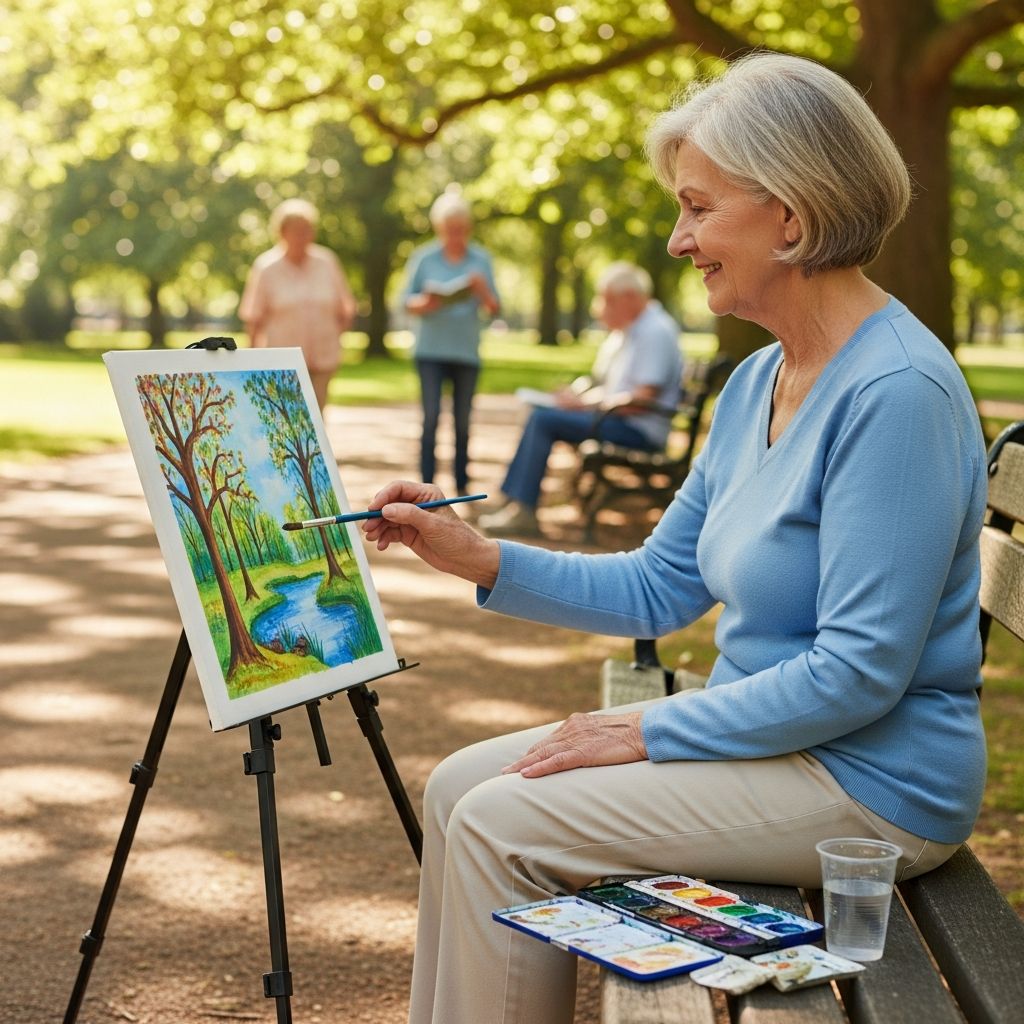
Engaging in leisure activities offers profound benefits for individuals with Parkinson’s disease, supporting physical vitality, mental clarity, and emotional resilience. These pursuits help counteract symptoms like stiffness, fatigue, and isolation by promoting movement, creativity, and connection.
Why Leisure Matters in Parkinson’s Management
Leisure activities extend beyond mere entertainment; they serve as therapeutic tools that enhance overall well-being. Regular participation can improve motor function, reduce stress, and foster a sense of accomplishment, which is crucial as Parkinson’s progresses. Physical engagement through hobbies may slow symptom advancement, while mental stimulation combats cognitive challenges. Social elements in group activities prevent isolation, a common issue as fatigue and mobility limitations intensify.
Research underscores that structured leisure, including exercise-infused hobbies, boosts dopamine-related functions and endorphin release, mimicking medication effects in mild cases. Mentally, diversifying interests replenishes energy, allowing individuals to momentarily set aside disease concerns and reclaim identity through enjoyable tasks.
Essential Strategies for Safe and Sustainable Engagement
To maximize benefits, thoughtful planning is key. Align activities with medication ‘on’ periods for optimal energy and mobility. Incorporate rest intervals and energy-saving techniques, such as segmenting tasks or using seated positions.
- Adapt equipment: Thicken grips on tools like brushes or clubs with wraps or foam for better control.
- Warm-up routines: Perform gentle stretches prior to any physical effort to avert strains.
- Group involvement: Opt for classes or support networks tailored to Parkinson’s for shared experiences and motivation.
- Balance rest and action: Alternate vigorous pursuits with calmer ones to manage fatigue.
- Explore novelties: Use interest inventories to uncover fresh hobbies that align with capabilities.
Always consult healthcare providers before new regimens, especially high-intensity ones, to ensure safety amid balance and reflex changes.
Physical Activities to Build Strength and Coordination
Targeted exercises disguised as leisure can significantly enhance balance, flexibility, and gait. High-intensity options like boxing or cycling increase brain oxygenation and neurochemical support.
| Activity | Key Benefits | Adaptations for Parkinson’s |
|---|---|---|
| Cycling (recumbent or stationary) | Improves cardio health, balance; may slow progression | Seated models reduce fall risk; group classes for support |
| Tai Chi or Yoga | Enhances stability, reduces stiffness | PD-specific classes; chair-based variations |
| Swimming/Aquatic Therapy | Boosts mobility without joint strain | Water buoyancy aids movement; fun group sessions |
| Dancing | Promotes rhythm, coordination; high adherence | Partnered or therapeutic styles for mild-moderate PD |
| Walking/Hiking | Strengthens muscles, mood elevation | Paced trails, walking aids; nature integration |
Studies show 30-45 minutes of aerobic activity thrice weekly rivals drug efficacy for mild symptoms. Dance, in particular, excels in long-term engagement due to enjoyment.
Creative and Sedentary Hobbies for Mental Stimulation
Not all leisure demands exertion; cognitive pursuits sharpen memory and fine motor skills while seated. These provide low-impact outlets for expression and achievement.
- Arts and Crafts: Painting, drawing, or ceramics refine hand control and unleash creativity. Use adaptive brushes for tremor management.
- Knitting/Sewing: Repetitive motions aid dexterity; weighted needles stabilize grips.
- Gardening: Raised beds minimize bending; yields sensory rewards and light exercise.
- Writing/Photography: Journaling processes emotions; camera grips assist steady shots.
Related Stories



These activities elevate self-esteem by enabling task completion, fostering relaxation amid daily challenges.
Gaming and Tech-Driven Fun
Modern technology opens accessible recreation. Video games and virtual reality hone reflexes, strategy, and coordination without intense physical demand.
- Controller-based games practice fine motors.
- Reflex toys like Simon build quick responses.
- VR simulations offer immersive movement training.
Such options blend entertainment with therapy, ideal for indoor days or varying energy levels.
Social and Mind-Sharpening Games
Interactive play combats loneliness and cognitive decline. Card games demand strategy and memory, with aids for shuffling. Birdwatching connects to nature quietly or socially.
- Bridge or Gin Rummy: Mental workouts in groups.
- Birdwatching: Passive observation boosts mood.
- Group outings: Invite partners for shared leisure.
These reinforce community, vital as withdrawal risks rise with symptoms.
Overcoming Common Barriers
Fatigue, tremors, and confidence loss often deter participation, but adaptations restore access. Break routines into digestible segments, prioritize joys, and leverage support groups for encouragement. Positive mindsets transform perceived impossibilities into achievable joys.
FAQs
Are high-intensity exercises safe for Parkinson’s?
Yes, with doctor approval; they boost dopamine-like effects but start gradually.
How do I adapt hobbies for tremors?
Use grip enhancers, seated setups, or tech aids like stabilized tools.
Can leisure slow Parkinson’s progression?
Evidence suggests regular activity, especially aerobic and dance, aids symptom management and may delay advancement.
What if I’m too fatigued for activities?
Schedule around ‘on’ times, include rests, and choose low-energy options like puzzles.
Where to find PD-specific classes?
Contact helplines or local centers for tailored programs.
Getting Started: Your Personalized Plan
Assess interests, consult professionals, and trial activities. Track progress to refine choices, ensuring leisure enriches life despite Parkinson’s. Consistency yields compounding rewards in health and happiness.
References
- Leisure Activities for People with Parkinson’s — HealthXchange.sg. 2023. https://www.healthxchange.sg/how-to-manage/parkinsons-disease-and-movement-disorders/managing-parkinsons-disease-safe-activities
- Staying Active: Hobbies and Leisure Pursuits — Parkinson.org. 2024-02-23. https://www.parkinson.org/blog/tips/hobbies-leisure
- 7 Beneficial Crafts and Activities for People with Parkinson’s — Healthline. 2023. https://www.healthline.com/health/parkinsons/what-kind-of-crafts-for-people-with-parkinsons
- Living with Parkinson’s: How Recreational Therapy Improves Daily Function — Caliber Therapies. 2024. https://calibertherapies.com/blogs/news/living-with-parkinson-s-how-recreational-therapy-improves-daily-function
- Hobbies and Exercises For Parkinson’s Disease — Duly Health and Care. 2024. https://www.dulyhealthandcare.com/health-topic/hobbies-and-exercises-for-parkinsons-disease
- The Benefits of Exercise Related to Parkinson’s Disease — YMCA GBW. 2023. https://ymcagbw.org/blog/benefits-exercise-related-parkinsons-disease
- Role of Physical Activity in Parkinson’s Disease — PMC (NCBI). 2018-11-26. https://pmc.ncbi.nlm.nih.gov/articles/PMC6238554/
- The best exercises for Parkinson’s disease & their benefits — HealthPartners. 2024. https://www.healthpartners.com/blog/the-best-exercises-for-parkinsons-disease-and-why-physical-activity-is-important/
Similar Articles








Read full bio of medha deb