Lemon Balm Benefits And Uses: A Comprehensive Guide
Discover the calming power of lemon balm, from stress relief and better sleep to heart health and more.
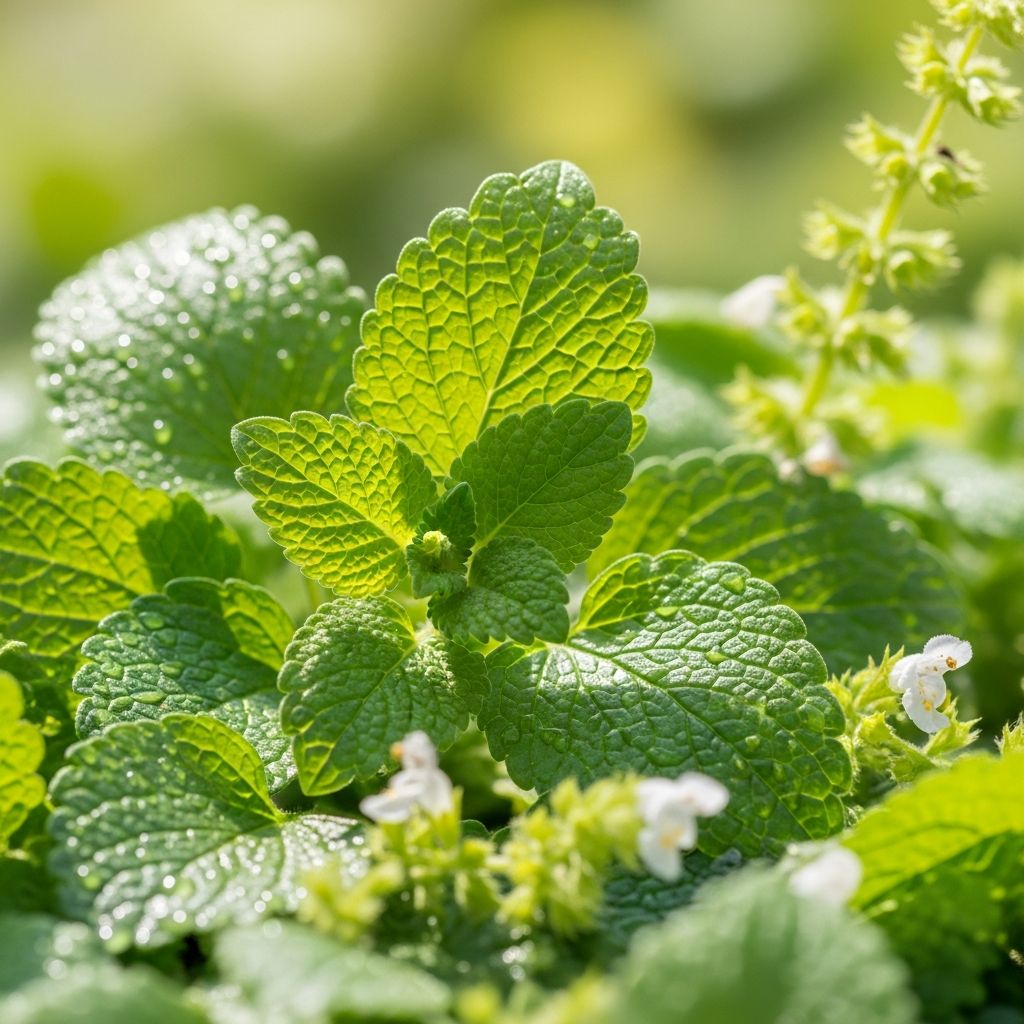
Lemon balm (Melissa officinalis), a lemon-scented perennial herb from the mint family, has been used for centuries in traditional medicine for its calming and restorative properties. Native to Europe, North Africa, and West Asia, it’s now cultivated worldwide and recognized for potential benefits in reducing anxiety, improving sleep, aiding digestion, and supporting heart health. While promising, many benefits stem from preliminary studies, and more human research is needed.
What Is Lemon Balm?
Lemon balm is a flowering shrub with fragrant leaves that release a fresh lemon aroma when crushed. Also called bee balm, sweet balm, or Melissa, it contains bioactive compounds like rosmarinic acid, flavonoids, and essential oils contributing to its
antioxidant
,anti-inflammatory
, andantiviral
effects. These compounds may influence GABA receptors in the brain, promoting relaxation without sedation.Traditionally used for nervousness, insomnia, menstrual issues, and digestive complaints, lemon balm is generally recognized as safe by health authorities. It’s available as teas, extracts, capsules, tinctures, or topical creams.
Health Benefits of Lemon Balm
Research highlights several evidence-based benefits, though results vary by dosage, form, and individual response. Key areas include mental health, sleep, skin conditions, digestion, and cardiovascular support.
Relieves Stress and Anxiety
**Lemon balm** is best known for easing stress and anxiety. A 2022 review found its compounds promote calmness by modulating GABA activity, similar to some anti-anxiety medications but milder. Studies on lab-induced stress showed reduced anxiety symptoms with concentrated extracts.
In clinical trials, 300-600 mg doses improved mood and alertness. Combined with valerian, it enhanced relaxation without drowsiness. Animal studies suggest it lowers oxidative stress linked to anxiety disorders.
Improves Sleep Quality
For
insomnia
and poor sleep, lemon balm shows promise. A 2019 study of 80 post-surgery patients taking 500 mg three times daily reported 54% sleep improvement and 49% anxiety reduction over 7 days—significant versus placebo.Its mild sedative effects support restful sleep without morning grogginess. Often paired with herbs like hops or valerian for better results. Postmenopausal women in trials noted better sleep scores with 1 g daily.
Treats Cold Sores
Lemon balm’s
antiviral
properties target herpes simplex virus type 1 (HSV-1), causing cold sores. A 2023 review indicated it prevents viral binding and replication, even in acyclovir-resistant strains. Topical creams reduced healing time in studies.Test-tube evidence is strong, but human trials confirm cream application shortens outbreaks. Apply at first tingle for best results.
Aids Digestion and Relieves Indigestion
Historically used for
indigestion
, lemon balm relaxes gastrointestinal muscles. A 2023 rat study showed ethanolic extracts protected against alcohol-induced ulcers via gastroprotective and anti-inflammatory effects.Human use in teas or capsules eases bloating, cramps, and IBS symptoms. Antispasmodic action calms gut spasms.
Supports Heart Health
**Cardiovascular** benefits include reduced palpitations and improved lipid profiles. A 2021 review noted better HDL, LDL balance, and triglycerides in animal models. Human studies with 3 g daily lowered LDL cholesterol.
It may reduce oxidative stress contributing to heart disease. Patients with angina reported less depression and stress with supplementation.
Related Stories



Other Potential Benefits
- Cognitive Function: May enhance memory and alertness; preliminary studies show benefits for Alzheimer’s symptoms.
- Menstrual Relief: Eases dysmenorrhea pain and bleeding.
- Antiviral Effects: Potential against SARS-CoV-2 and HIV in lab tests.
- Sexual Health: Improved desire and satisfaction in postmenopausal women.
How to Take Lemon Balm
Dosage varies by use: 300-500 mg extract for anxiety/sleep (1-3x daily); 1-3 g dried leaves as tea; topical cream for cold sores. Start low and consult a doctor.
| Use | Form | Typical Dosage |
|---|---|---|
| Anxiety/Stress | Capsule/Extract | 300-600 mg, 1-3x/day |
| Sleep | Tea/Combination | 1-3 g leaves or 500 mg extract |
| Cold Sores | Topical Cream | Apply 2-4x/day |
| Digestion | Tea/Tincture | 1-2 cups tea daily |
Forms: Tea (steep 1-2 tsp dried leaves in hot water 5-10 min); capsules; tinctures (15-30 drops); essential oil (diluted).
Side Effects and Precautions
Lemon balm is well-tolerated with few side effects: mild headache, dizziness, or stomach upset in rare cases. No links to liver injury or serious adverse events in trials.
- Interactions: May enhance sedatives, thyroid meds, or glaucoma drugs. Avoid before surgery.
- Pregnancy/Breastfeeding: Insufficient data; consult doctor.
- Children: Safe in small doses under supervision.
Quality matters—choose third-party tested products to avoid contaminants.
Frequently Asked Questions (FAQs)
Is lemon balm safe for daily use?
Yes, up to 500 mg 3x daily short-term is generally safe. Long-term data limited; cycle use and monitor.
Can lemon balm help with anxiety?
Yes, studies show it reduces acute anxiety and stress effectively, especially in extracts.
How long does lemon balm take to work?
Effects on anxiety/sleep often within 1 hour; cold sores improve in days. Cumulative benefits over weeks.
Does lemon balm interact with medications?
Possible with sedatives, thyroid hormones, or HIV drugs. Always check with a healthcare provider.
Can I grow lemon balm at home?
Yes, it’s easy in sunny spots with well-drained soil. Harvest leaves for fresh use.
References
- Lemon Balm: Uses, Benefits, and More — Healthline. 2024-10-02. https://www.healthline.com/health/lemon-balm-uses
- Lemon Balm — National Center for Biotechnology Information (NCBI), LiverTox. 2024. https://www.ncbi.nlm.nih.gov/books/NBK600583/
- Bioactive Compounds, Medicinal Benefits, and Contemporary… — Food Science & Nutrition (Wiley). 2024. https://onlinelibrary.wiley.com/doi/full/10.1002/fsn3.70864
Similar Articles








Read full bio of medha deb