Lemongrass Benefits: 7 Science-Backed Health Advantages
Discover the science-backed health benefits of lemongrass, from antioxidants and anti-inflammatory effects to digestive aid and blood pressure support.
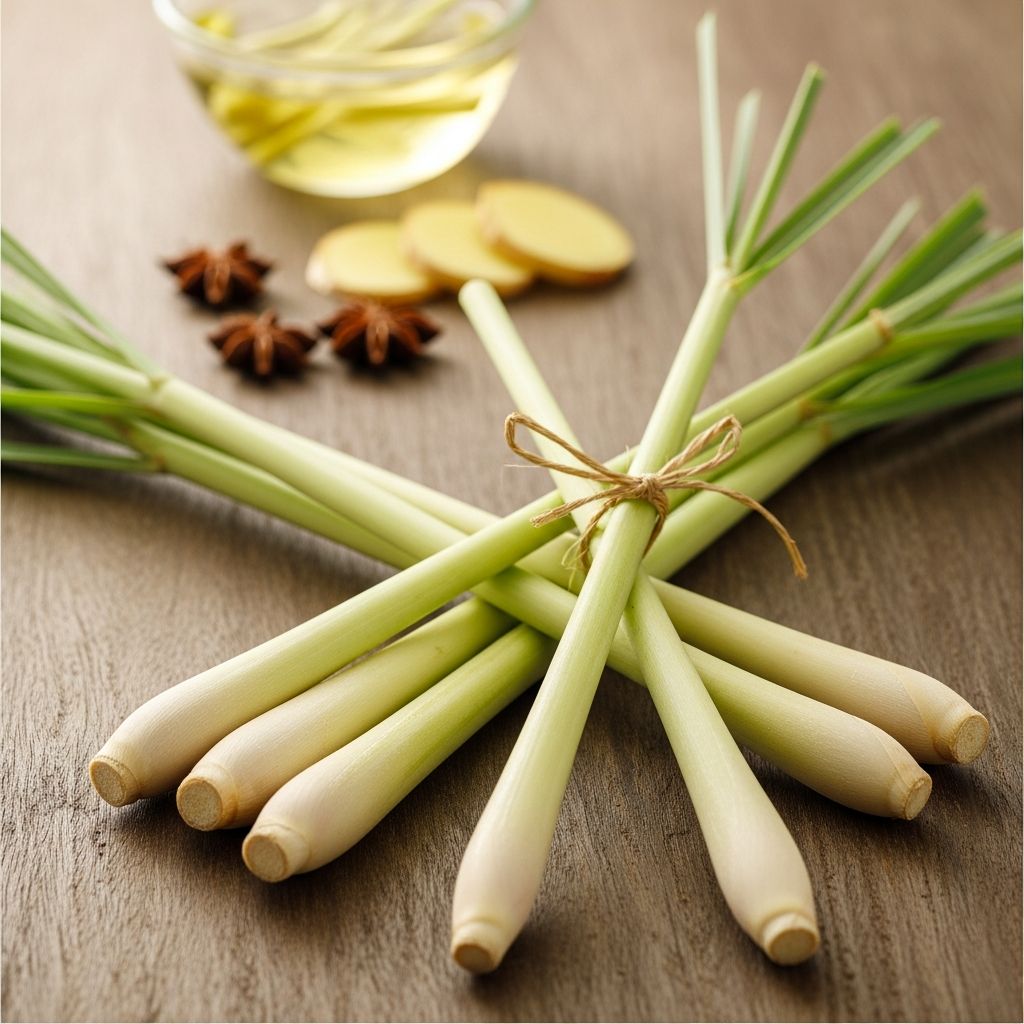
Lemongrass (*Cymbopogon citratus*), a fragrant tropical grass native to Southeast Asia, has been used for centuries in traditional medicine and cuisine. Packed with bioactive compounds like citral, flavonoids, and phenolic acids, it offers promising health benefits supported by emerging research. From fighting inflammation to aiding digestion, lemongrass is gaining attention as a natural remedy.
What Is Lemongrass?
Lemongrass is a perennial plant thriving in warm climates, now cultivated in Africa, Australia, and the Americas. Its stalks provide a lemony flavor in teas, soups, and curries, while essential oils are used in aromatherapy. Rich in antioxidants such as chlorogenic acid, isoorientin, and swertiajaponin, it combats oxidative stress. Traditionally, it’s employed for digestive woes, high blood pressure, and pain relief.
Nutrition Facts of Lemongrass
A 100-gram serving of raw lemongrass delivers about 99 calories, primarily from carbohydrates (25.3g). It provides 1.8g protein, 0.5g fat, 8.1g fiber, and essential minerals like potassium (723mg), iron (8.2mg), and calcium (65mg). Vitamins include A (100 IU), C (2.6mg), and folate (75μg). Its low calorie, high fiber profile supports weight management and gut health.
| Nutrient | Amount per 100g | % Daily Value |
|---|---|---|
| Calories | 99 kcal | 5% |
| Carbohydrates | 25.3g | 8% |
| Fiber | 8.1g | 32% |
| Potassium | 723mg | 15% |
| Iron | 8.2mg | 46% |
This nutrient density makes lemongrass a valuable addition to diets focused on heart health and immunity.
7 Science-Backed Health Benefits of Lemongrass
1. Packed With Antioxidants
Lemongrass is loaded with flavonoids and phenolic compounds that neutralize free radicals, reducing cellular damage linked to chronic diseases. A 2021 review highlighted chlorogenic acid and isoorientin as key antioxidants protecting coronary arteries. Quercetin in lemongrass further shields against oxidative stress, supporting overall vitality.
2. Antibacterial and Antifungal Properties
Citral, lemongrass’s primary compound, exhibits strong antimicrobial effects. Studies show lemongrass essential oil combats *Streptococcus mutans* (tooth decay culprit) and various fungi. Combined with silver ions, it targets multiple pathogens in vitro, making it useful for oral health and infection prevention.
3. May Reduce Inflammation
Chronic inflammation fuels heart disease and cancer. Lemongrass inhibits inflammatory markers, with 2024 research confirming its benefits. Quercetin’s anti-inflammatory action curbs cancer cell growth and protects the heart. Folk medicine leverages this for pain and fever relief.
4. Contains Anticancer Compounds
Citral induces apoptosis in cancer cells and boosts immunity. Components in lemongrass fight breast, colon, and skin cancers in lab studies. Used adjunctively in chemotherapy, it requires oncologist supervision.
5. Supports Healthy Digestion
Lemongrass tea eases stomach cramps, bloating, and ulcers. A 2012 rodent study found its essential oil protects gastric lining from aspirin and alcohol damage, promoting mucosal healing and gut balance.
6. Acts as a Natural Diuretic
Promoting urine output, lemongrass aids fluid and sodium removal, beneficial for edema, heart, and liver issues. A 2015 human study (105 participants) showed lemongrass tea outperformed other drinks in increasing urination.
7. Other Potential Benefits
Related Stories



- Lowers Cholesterol: African traditional use for heart disease is backed by rat studies showing significant LDL reduction after seven days. A 2022 in vitro study confirmed cholesterol absorption blockade.
- Regulates Blood Pressure: Citral causes vasodilation, calms nerves, and diuresis. Human and animal trials report drops in systolic/diastolic pressure.
- Relieves Menstrual Symptoms: Eases cramps, bloating, and stimulates milk production per a 2019 study.
- Boosts Oral Health: Fights cavity-causing bacteria.
How to Use Lemongrass
Tea: Steep 1-2 teaspoons chopped stalks in boiling water for 5-10 minutes. Drink 1-3 cups daily.
Culinary: Bruise stalks for soups, curries, or marinades. Use in stir-fries or salads for flavor and health perks.
Essential Oil: Dilute for topical use (massages, insect repellent) or diffuse for calm. Avoid ingesting undiluted.
Supplements: Capsules (300-500mg) for concentrated benefits; consult a doctor.
Risks and Side Effects
Generally safe in food amounts, but high doses may cause dry mouth, dizziness, or allergic reactions. Pregnant/breastfeeding individuals should avoid medicinal use. A human study noted increased creatinine and acidosis at 8g doses, suggesting moderation. Drug interactions possible with diuretics or blood thinners.
- Lung sensitivity in children from essential oil inhalation.
- Potential kidney strain in excess.
Frequently Asked Questions (FAQs)
What are the main health benefits of lemongrass?
Antioxidant protection, antimicrobial action, inflammation reduction, digestion support, cholesterol lowering, blood pressure regulation, and menstrual relief.
Is lemongrass tea good for you?
Yes, it offers antioxidants, aids digestion, acts as a diuretic, and may lower cholesterol and blood pressure. Limit to 2-3 cups daily.
Can lemongrass lower blood pressure?
Research shows citral promotes vasodilation, diuresis, and nervous system calming, reducing systolic/diastolic pressure in studies.
Does lemongrass help with digestion?
It protects stomach lining, reduces cramps, and supports gut health, effective against ulcers in animal models.
Is lemongrass safe for daily use?
Moderate culinary/tea use is safe; high supplement doses may cause side effects. Consult healthcare providers for conditions.
Lemongrass bridges tradition and science, offering versatile wellness support. Incorporate it mindfully for optimal benefits.
References
- Lemongrass: Are There Health Benefits? — WebMD. 2024. https://www.webmd.com/diet/lemongrass-health-benefits
- 10 Potential Health Benefits of Lemongrass Tea — Healthline. 2024-10-04. https://www.healthline.com/health/food-nutrition/lemongrass-tea
- Cooking with Lemongrass for Flavor and Health — American College of Healthcare Sciences. 2024. https://achs.edu/blog/cooking-with-lemongrass-for-flavor-and-health/
- Lemongrass tea: Benefits, uses, and recipe — Medical News Today. 2024. https://www.medicalnewstoday.com/articles/321969
- Exploring the Anti-Hypertensive Potential of Lemongrass — PMC (PubMed Central). 2022. https://pmc.ncbi.nlm.nih.gov/articles/PMC9598547/
Similar Articles








Read full bio of medha deb