Lentigo (Liver Spots): Causes, Symptoms, Treatment
Discover everything about lentigo, commonly known as liver spots: causes from sun exposure, symptoms, diagnosis, treatments, and prevention strategies for clearer skin.
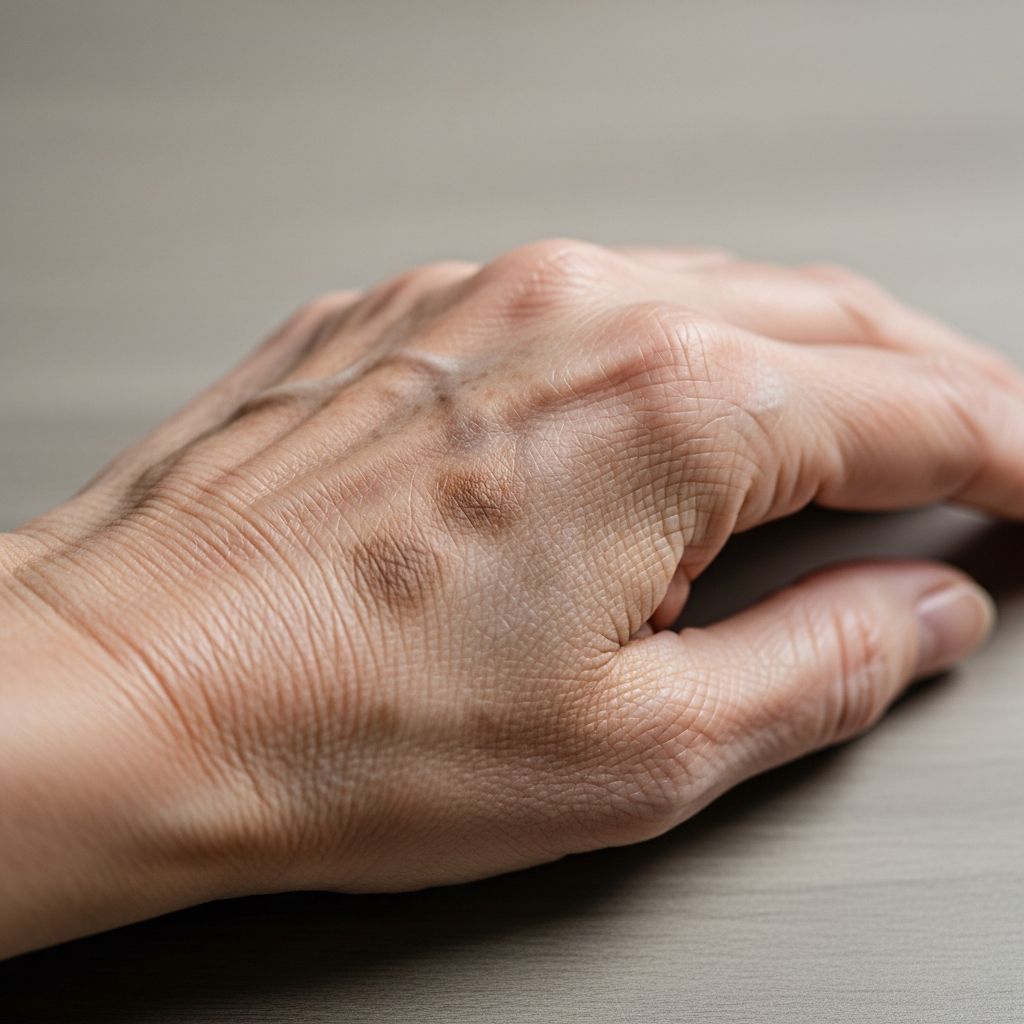
Lentigo, commonly referred to as
liver spots
orage spots
, are flat, darkened patches on the skin that appear due to prolonged sun exposure and aging. These noncancerous spots primarily affect sun-exposed areas like the face, hands, arms, and shoulders, and while harmless, many seek treatment for cosmetic reasons.What Are Lentigo (Liver Spots)?
Lentigo, or lentigines in plural form, represents a benign skin condition characterized by flat spots darker than the surrounding skin tone. Despite the name “liver spots,” they have no connection to liver function; the term arises from their brownish color resembling lentils. These spots develop when ultraviolet (UV) radiation stimulates melanocytes—skin cells responsible for pigment production—to overproduce melanin, leading to clustered pigmentation.
Typically emerging in adults over 40, lentigines can appear in younger individuals with significant sun exposure. They range from freckle-sized to about half an inch (13 mm) in diameter, often tan to dark brown, and may grow slowly over years or appear suddenly. Unlike freckles, which fade without sun, lentigines persist and darken with further UV exposure.
Symptoms of Lentigo (Liver Spots)
**Lentigo spots** cause no physical discomfort; they are painless, non-itchy, and do not irritate the skin. The primary “symptom” is their visible appearance: flat, oval or irregular patches of increased pigmentation, light brown to black, on sun-exposed areas such as the backs of hands, face, forearms, shoulders, and upper back.
- Size: From 1/10 inch (0.25 cm) to 1/2 inch (1 cm) across.
- Color: Tan, brown, or black, sometimes grouping to form larger patches.
- Texture: Completely flat, without raised edges or scaling.
- Locations: Predominantly sun-damaged sites; rarely on covered areas.
Any change like rapid growth, irregular borders, bleeding, or color variation warrants medical evaluation to rule out skin cancer.
Causes of Lentigo (Liver Spots)
The main cause of lentigo is cumulative
UV exposure
from the sun or tanning beds, which accelerates melanin production and clumps it into visible spots. Fair-skinned individuals, those with light hair/eyes, or people over 50 are at higher risk due to less natural UV protection.Other factors include:
- Aging: Natural decline in skin cell turnover allows pigment buildup.
- Genetics: Family history increases susceptibility.
- Radiation therapy: Can mimic sun damage, causing spots.
- Phototherapy or PUVA treatments: Used for skin conditions, these promote pigmentation changes.
Solar lentigines form when UV rays repeatedly damage the epidermis, prompting melanocyte hyperplasia (overgrowth).
Types of Lentigo
Lentigines are classified by cause and location. The most common is solar lentigo, but others exist:
| Type | Description | Common Locations | Key Features |
|---|---|---|---|
| Solar Lentigo | Caused by chronic UV exposure; aka liver/age/sun spots. | Face, hands, arms, shoulders. | Grows slowly; common post-40. |
| Ink-spot Lentigo | Dark, ink-like spots from intense sun. | Sun-exposed areas. | Very dark, small. |
| Mountain-top Lentigo | Appears on high-altitude skin from UV reflection. | Extremities. | Rare, elevation-related. |
| Lentigo Simplex | Present at birth or childhood; not sun-related. | Anywhere on body. | May fade over time. |
Related Stories



Solar lentigo accounts for most cases in older adults.
Lentigo vs. Skin Cancer: Key Differences
Lentigines mimic some skin cancers, prompting confusion. A dermatologist’s exam distinguishes them.
| Feature | Lentigo (Liver Spots) | Skin Cancer (e.g., Melanoma, BCC) |
|---|---|---|
| Shape | Oval/round, regular edges. | Irregular, asymmetrical. |
| Color | Uniform tan-brown. | Multi-colored, variegated. |
| Size | <1/2 inch, stable. | Grows >6mm, changes. |
| Symptoms | None. | Itchy, bleeding, crusting. |
| Border | Smooth. | Notched, ragged. |
Use ABCDE rule for concern: Asymmetry, Border irregularity, Color variation, Diameter >6mm, Evolving.
Diagnosis of Lentigo (Liver Spots)
Diagnosis is visual: dermatologists identify lentigines by appearance in sun-exposed, older skin. No symptoms beyond cosmetics aid confirmation. If atypical (e.g., irregular), a skin biopsy removes a sample for microscopic analysis to exclude melanoma or basal cell carcinoma.
Biopsy involves numbing, sampling, and lab review—quick and low-risk.
Treatment Options for Lentigo (Liver Spots)
Treatment is cosmetic, as lentigines pose no health risk. Options lighten or remove spots, often requiring multiple sessions:
- Topical Creams: Hydroquinone (2-4%) bleaches pigment; retinoids/AHAs exfoliate. Results in 2-3 months; may irritate.
- Cryotherapy: Freezes spots with liquid nitrogen; scabs heal lighter skin.
- Laser Therapy: Targets melanin (Q-switched, IPL); precise, minimal downtime.
- Chemical Peels: Acids remove top layers, fading spots.
- Microdermabrasion: Exfoliates surface pigment.
Consult a dermatologist; side effects include redness, peeling, recurrence without sun protection.
Prevention of Lentigo (Liver Spots)
Prevent new spots and recurrence with rigorous sun protection—the most effective strategy.
- Apply broad-spectrum SPF 30+ sunscreen daily, reapply every 2 hours.
- Avoid peak sun (10 a.m.-4 p.m.); seek shade.
- Wear protective clothing, hats, UV sunglasses.
- Use antioxidants (vitamins C/E) topically.
Early habits reduce risk significantly.
When to See a Doctor for Lentigo
Seek care if spots change: grow, bleed, itch, or look irregular. Routine checks for high-risk individuals (fair skin, sun history) aid early cancer detection.
Frequently Asked Questions (FAQs)
Are lentigo spots cancerous?
No, lentigines are benign, but resemble cancer; get checked if changing.
Do liver spots go away on their own?
Rarely; most persist without treatment.
Can young people get liver spots?
Yes, with heavy sun exposure, though common over 50.
Is hydroquinone safe for liver spots?
Generally yes in low doses, but consult a doctor for sensitivity.
How long do laser treatments take to work?
1-3 sessions, results in weeks; full fading months.
References
- Lentigo (Liver Spots): Pictures, Causes, Removal & Prevention — Healthline. 2023. https://www.healthline.com/health/lentigo
- Liver Spots: Causes, Symptoms and Treatment — Cleveland Clinic. 2023-10-12. https://my.clevelandclinic.org/health/diseases/21723-liver-spots
- Liver spots — MedlinePlus (U.S. National Library of Medicine). 2023. https://medlineplus.gov/ency/article/001141.htm
- Age spots (liver spots) – Symptoms & causes — Mayo Clinic. 2023-08-25. https://www.mayoclinic.org/diseases-conditions/age-spots/symptoms-causes/syc-20355859
- Molecular and histological characterization of age spots — PMC (National Center for Biotechnology Information). 2017-02-13. https://pmc.ncbi.nlm.nih.gov/articles/PMC5342934/
Similar Articles








Read full bio of Sneha Tete