Lentils: Nutrition, Benefits, and Downsides
Discover the impressive nutrition profile of lentils, their powerful health benefits, and simple ways to add them to your diet for better health.
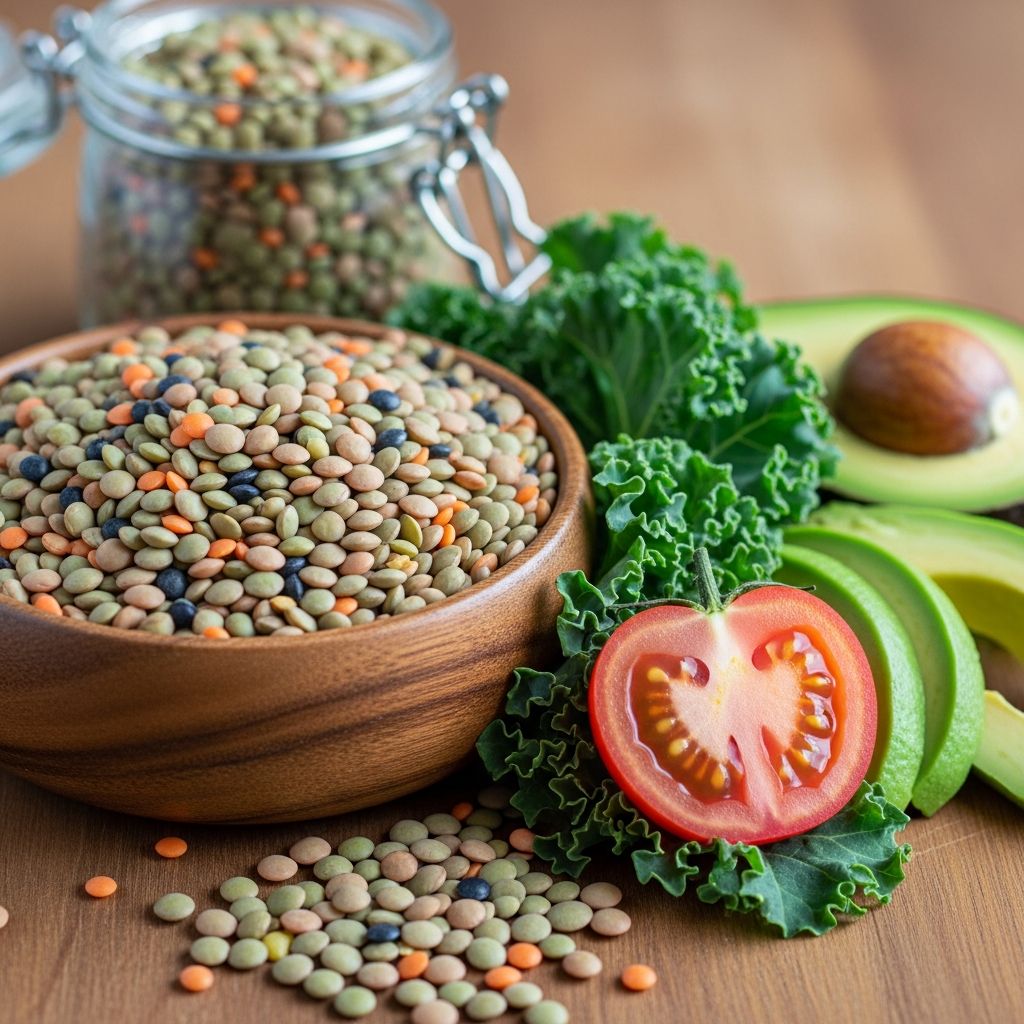
Lentils are lens-shaped edible seeds from the legume family, renowned for their high nutritional value and versatility in cooking. Packed with
protein
,fiber
, vitamins, and minerals, they offer numerous health benefits while being affordable and easy to prepare.What Are Lentils?
Lentils (*Lens culinaris*) are among the oldest cultivated crops, originating from regions in the Middle East and now primarily produced in Canada, India, and Turkey. They come in various colors including green, brown, red, yellow, and black, each with subtle differences in texture and cooking time. Unlike many legumes, lentils typically do not require soaking and cook quickly, making them ideal for soups, stews, salads, and side dishes.
Available whole or split (dehusked), lentils provide a complete plant-based protein source when paired with grains. Their nutty flavor and ability to thicken dishes naturally make them a staple in cuisines worldwide, from Middle Eastern mujaddara to Indian dal.
Lentils Nutrition Facts
One cup (198g) of cooked lentils delivers approximately 230 calories, 18g of protein, 40g of carbohydrates (16g fiber), and just 0.8g of fat. They are an excellent source of
folate
(358mcg, 90% DV),iron
(6.6mg, 37% DV),potassium
(731mg, 16% DV),magnesium
(71mg, 17% DV), andzinc
(2.5mg, 23% DV), along with B vitamins like thiamin and B6.The high fiber content, particularly soluble fiber, contributes to their low glycemic index, aiding steady blood sugar levels. Lentils also contain polyphenols and other phytochemicals that enhance their antioxidant capacity.
| Nutrient | Amount per 1 Cup Cooked (198g) | % Daily Value |
|---|---|---|
| Calories | 230 | 12% |
| Protein | 18g | 36% |
| Fiber | 16g | 57% |
| Folate | 358mcg | 90% |
| Iron | 6.6mg | 37% |
| Potassium | 731mg | 16% |
Potential Health Benefits of Lentils
Lentils’ nutrient density supports multiple aspects of health, backed by research on their anti-inflammatory, antioxidant, and metabolic effects.
Extremely Nutritious
Lentils rank high among legumes for antioxidants, second only to black beans in some studies. They provide plant-based protein comparable to meat, essential for muscle maintenance, especially in vegetarian diets. Their mineral profile combats deficiencies affecting over 2 billion people globally.
May Strengthen Your Gut Health
The 16g of fiber per cup feeds beneficial gut bacteria, promoting a healthy microbiome. Prebiotic fibers like resistant starch in lentils reduce inflammation and support digestion. Regular intake may alleviate constipation and lower risks of gut-related disorders.
Can Help You Lose Weight
High in satiating protein and fiber, lentils promote fullness, reducing overall calorie intake. Studies show legume consumption aids weight management by stabilizing hunger hormones and improving metabolic health.
May Benefit Heart Health
Lentils lower
LDL cholesterol
and triglycerides while raising HDL, as shown in an 8-week study where 60g daily improved lipid profiles in people with type 2 diabetes. Their potassium, low sodium (1:30 ratio), and ACE-inhibitory proteins help reduce blood pressure. Folate prevents homocysteine buildup, a heart disease risk factor.Can Help Manage or Prevent Diabetes
With a low glycemic index, lentils slow carbohydrate digestion via α-amylase inhibition (up to 94% in extracts). They improve glycemic control, beneficial for diabetes prevention and management. Animal studies confirm blood sugar-lowering effects beyond macronutrients.
Have Antioxidants and May Fight Cancer
Rich in polyphenols like procyanidin and flavanols, lentils exhibit strong antioxidant and anti-inflammatory effects. Lab tests show they inhibit cancer cell growth, particularly skin cancer cells, without losing potency after cooking.
Potential Downsides of Eating Lentils
While highly beneficial, lentils have antinutrients and fermentable carbs that may cause issues for some.
- Antinutrients: Lectins and tannins can bind minerals like iron, though cooking and soaking mitigate this. Tannins offer antioxidants despite absorption concerns. Trypsin inhibitors affect protein digestion but are reduced by proper preparation.
- Digestive Issues: Oligosaccharides (raffinose, stachyose) ferment in the gut, causing gas and bloating initially. Adaptation occurs within weeks; start small and rinse well. Those with IBS may experience discomfort.
- Pesticides: Opt for organic or thoroughly rinse conventional lentils to minimize residues.
Related Stories



How to Cook Lentils Perfectly Every Time
Prep: Rinse under cold water; no soaking needed except for firmer varieties like green or black.
Ratio: 1 cup lentils to 3 cups water or broth.
Cook: Boil, then simmer 20-45 minutes (red: 20min, green/brown: 30-40min). Season post-cooking to avoid tough texture.
Storage: Refrigerate up to 5 days or freeze 6 months.
Recipe Ideas
- Red lentil curry with coconut milk and spices.
- Green lentil salad with feta, tomatoes, and vinaigrette.
- Lentil soup with carrots, onions, and herbs.
- Brown lentil patties as a burger alternative.
Types of Lentils
| Type | Color | Cook Time | Texture/Use |
|---|---|---|---|
| Brown/Green | Brown/Green | 30-40 min | Firm; salads, soups |
| Red | Orange-Red | 15-20 min | Creamy; dals, purees |
| French Green (Puy) | Dark Speckled | 40-45 min | Holds shape; sides |
| Black (Beluga) | Black | 40 min | Caviar-like; salads |
| Yellow | Yellow | 20-30 min | Mild; Indian dishes |
Sprouted lentils double antioxidant content, enhancing nutrition.
Frequently Asked Questions (FAQs)
Are lentils a complete protein?
Yes, they provide all essential amino acids, especially when combined with grains like rice.
Do lentils cause gas?
Initially yes, due to oligosaccharides, but gut adaptation reduces this over time. Rinse and cook thoroughly.
Can lentils help with blood sugar control?
Absolutely; their low GI and α-amylase inhibition support stable glucose levels, aiding diabetes management.
Are canned lentils healthy?
Yes, if low-sodium and rinsed to cut salt by 40%. They match dry-cooked nutrition.
How much lentils should I eat daily?
1/2 to 1 cup cooked (3-4 times weekly) boosts health without excess.
References
- Health-promoting benefits of lentils: Anti-inflammatory and anti … – NIH — National Institutes of Health (PMC). 2024. https://pmc.ncbi.nlm.nih.gov/articles/PMC10945126/
- Lentils: Nutrition, Benefits, and How to Cook Them – Healthline — Healthline. 2023-10-12. https://www.healthline.com/nutrition/lentils
- Lentils and Nutrition: The Latest Research | NutritionFacts.org — NutritionFacts.org. 2024. https://nutritionfacts.org/topics/lentils/
Similar Articles








Read full bio of medha deb