Lentils Vs. Beans: Protein, Fiber, And How To Choose
Discover which legume powerhouse—lentils or beans—delivers more protein, fiber, and key nutrients for your health goals.
Legumes like lentils and beans are nutritional powerhouses, packed with
protein
andfiber
that support muscle health, digestion, and sustained energy. Both are staples in plant-based diets, but subtle differences in nutrient profiles make one occasionally edge out the other depending on your goals.What Are Lentils?
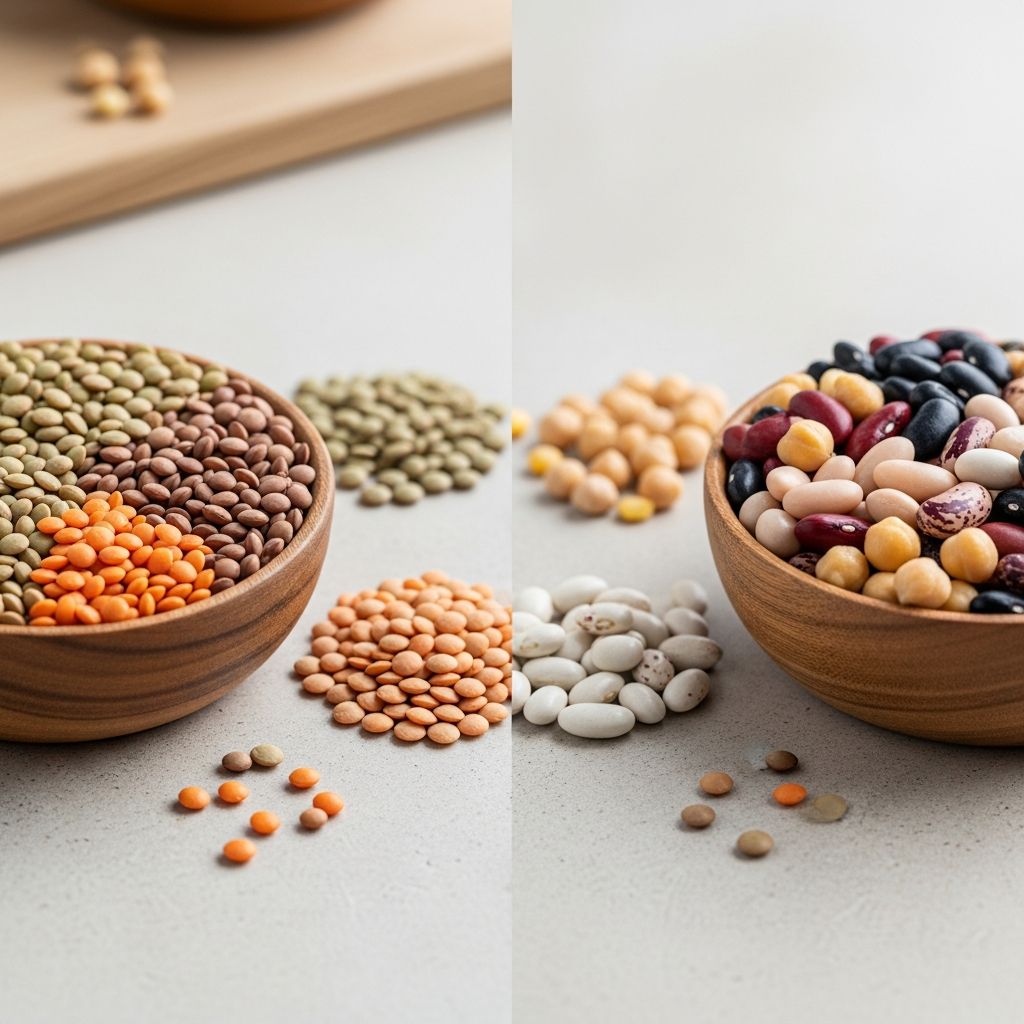
Lentils are small, lens-shaped seeds from the Lens culinaris plant, available in green, brown, red, black, and yellow varieties. They cook quickly—often in 15-30 minutes—and have a mild, earthy flavor that absorbs spices well. Per 100g cooked, lentils provide about 9g protein, 8g fiber, 114 calories, and stand out for high folate and iron.
- Green/Brown Lentils: Hold shape for salads and soups; firmer texture.
- Red Lentils: Split and hulled; mushy when cooked, ideal for dals and purees.
- French Green (Puy): Tiny, peppery; premium for side dishes.
What Are Beans?
Beans encompass a diverse family from the Phaseolus genus, including black, kidney, pinto, navy, chickpeas, and more. They require longer soaking and cooking (45-90 minutes dry, or use canned). A 100g serving of cooked navy beans offers 6.5g protein, 7g fiber, and 119 calories, excelling in antioxidants and versatility.
- Black Beans: Creamy, mild; great in burritos.
- Kidney Beans: Robust flavor; chili staple (note: must be fully cooked to neutralize toxins).
- Chickpeas (Garbanzo): Nutty; for hummus and curries.
Nutrition Comparison: Lentils vs. Beans
Lentils often lead in protein density and certain minerals, while beans match closely in fiber and offer broader variety. Data is for 100g cooked portions unless noted.
| Nutrient | Lentils (cooked) | Beans (navy, cooked) | Winner |
|---|---|---|---|
| Calories | 114 kcal | 119 kcal | Tie |
| Protein | 9g | 6.5-15g (varies) | Lentils |
| Fiber | 8g | 7-19g (varies) | Beans (some types) |
| Carbs (net) | 11.5g | 13g | Lentils |
| Iron | 3.3mg (18% DV) | 1.5-2mg | Lentils |
| Folate | High (39% more than beans) | Moderate | Lentils |
Lentils have 87.9% more protein per 100g and superior essential amino acids like leucine and lysine. Beans shine in calcium, selenium, and resistant starch for gut health.
Protein Breakdown
One cup cooked lentils: 18g protein, 16g fiber. One cup kidney beans: 15g protein, 15g fiber. Both complete proteins when paired with grains.
Fiber Deep Dive
Lentils: 7.9g/100g (mostly soluble for cholesterol reduction). Beans: Up to 19g/cup navy, promoting microbiome diversity and satiety.
Health Benefits of Lentils and Beans
Protein for Muscle and Satiety
Plant proteins from both aid muscle repair and fullness. Lentils’ edge (9g vs. 6.5g/100g) suits vegans targeting 1.6g/kg body weight.
Fiber for Digestion and Heart Health
Both lower LDL cholesterol and stabilize blood sugar. A study in Obesity Science & Practice linked high legume intake to greater weight loss via protein-fiber synergy.
Iron and Folate for Energy
Lentils provide 11x more iron than some beans, combating anemia (pair with vitamin C). Folate supports DNA synthesis per NIH.
Weight Loss and Blood Sugar Control
Low GI (lentils 29, beans 33) prevents spikes. High fiber-protein combo excels for weight management.
Other Benefits
- Antioxidants: Beans higher in polyphenols.
- Bone Health: Beans’ calcium advantage.
- Gut Health: Prebiotic fibers feed beneficial bacteria.
Lentils vs. Beans: Which Is Healthier?
Related Stories



Neither is superior overall—lentils win for quick protein/iron boosts, beans for fiber variety and recipes. Aim for 3 cups/week combined per dietary guidelines. Dietitians note: “Get more of both.”
Cooking and Storage Tips
Preparing Lentils
Rinse; no soaking. Simmer 15-40 min. Store dry up to 2 years, cooked 5 days fridge.
Preparing Beans
Soak dry overnight, drain/rinse. Pressure cook 20-40 min. Canned: Rinse to cut sodium 40%.
- Safety: Discard lentil soak water; cook kidneys fully.
Delicious Recipes with Lentils and Beans
Lentil Recipes
- Red Lentil Dal: Simmer with turmeric, coconut milk; serve over rice.
- Lentil Salad: Green lentils, feta, veggies, vinaigrette.
- Lentil Soup: Carrots, onions, cumin; batch-freeze.
Bean Recipes
- Black Bean Burgers: Mash with oats, bake.
- Chickpea Curry: Spinach, tomatoes, spices.
- Three-Bean Chili: Kidney, pinto, black; slow-cooker friendly.
Substitution Guide
| Recipe Use | Lentils Sub | Beans Sub |
|---|---|---|
| Soups/Stews | Red lentils (thicken) | Any canned bean |
| Salads | French green | Chickpeas/black beans |
| Meat Replacement | Brown lentils | Pinto/kidney |
Frequently Asked Questions (FAQs)
Do lentils or beans have more protein?
Lentils edge out with 9g vs. 6.5-15g per 100g cooked, but beans like lentils hit 18g per cup.
Are lentils or beans better for weight loss?
Both excel due to high protein-fiber; no clear winner—variety key.
Can you eat lentils and beans every day?
Yes, 1.5-3 cups/week recommended; rotate for nutrient diversity.
Which has more fiber: lentils or beans?
Beans vary higher (up to 19g/cup), lentils consistent 8g/100g.
Are canned beans as healthy as dry?
Yes, if low-sodium and rinsed; comparable nutrition.
References
- Lentil vs. Beans — Health Impact and Nutrition Comparison — FoodStruct. 2024. https://foodstruct.com/nutrition-comparison-text/lentil-vs-bean
- Beans, Lentils, and Quinoa: Nutritional Comparison — The Queen Anne Diet. 2016-09-20. https://thequeenannediet.com/2016/09/20/beans-lentils-and-quinoa/
- Beans Vs. Lentils: Which Is More Nutritious? Dietitians Explain — Prevention. 2024. https://www.prevention.com/food-nutrition/healthy-eating/a69474291/beans-vs-lentils/
- Protein: How Much Is In Beans, Peas & Lentils — Camellia Brand. 2024. https://www.camelliabrand.com/protein-how-much-is-in-beans-peas-lentils/
- The Nutritional Difference Between Beans And Lentils — Tasting Table. 2024. https://www.tastingtable.com/1111683/the-nutritional-difference-between-beans-and-lentils/
Similar Articles








Read full bio of medha deb