Leprosy (Hansen’s Disease): Causes, Symptoms & Treatment
Understanding leprosy: A treatable chronic infection affecting skin and nerves.
Leprosy (Hansen’s Disease): A Comprehensive Guide
Leprosy, medically known as Hansen’s disease, is a chronic infectious disease caused by bacteria that primarily affects the skin and peripheral nerves. Despite its historical reputation as a devastating and highly contagious condition, modern medicine has transformed leprosy into a manageable and curable disease. Today, healthcare providers understand that leprosy is difficult to contract and responds well to appropriate treatment. However, individuals diagnosed with the condition often face significant social stigma and discrimination, particularly in regions where the disease remains prevalent. This comprehensive guide explores the causes, symptoms, diagnosis, and treatment of leprosy to provide patients and families with evidence-based medical information.
What Is Leprosy?
Leprosy is a chronic bacterial infection caused primarily by the microorganism Mycobacterium leprae, with a secondary causative agent identified as Mycobacterium lepromatosis. The disease affects multiple body systems, including the skin, peripheral nerves, eyes, and the mucous membranes lining the nose and throat. The hallmark characteristic of leprosy is its ability to destroy peripheral nerves—the network of nerves extending outside the brain and spinal cord—resulting in progressive loss of sensation and potential tissue degeneration. Left untreated, leprosy can cause permanent disabilities and severe disfigurement. However, when diagnosed early and treated appropriately, the progression of the disease can be halted and disabilities prevented.
Causes and Transmission
The Causative Bacteria
Leprosy is caused by rod-shaped, slow-growing bacteria classified as acid-fast organisms. These bacteria are obligate intracellular pathogens, meaning they can only survive and reproduce within certain human and animal cells. The bacteria grow extremely slowly, which explains why leprosy has a characteristically long incubation period. Medical professionals identify these bacteria under the microscope using special staining techniques, such as the Ziehl-Neelsen stain, which causes the acid-fast organisms to appear red against a blue background due to the mycolic acid content in their cell walls.
How Leprosy Spreads
Contrary to historical beliefs, leprosy is not easily transmitted between individuals. The bacteria are spread primarily through respiratory droplets from the nose and mouth during close and prolonged contact with untreated cases. Importantly, approximately 95% of the human population possesses natural immunity to Mycobacterium leprae infection. Most people exposed to the bacteria do not develop the disease, even after significant contact with infected individuals. Transmission typically requires repeated, close exposure over extended periods. People with Hansen’s disease can live active lives during and after treatment, and with appropriate medical management, the risk of transmission to others is substantially reduced.
Signs and Symptoms
Timeline of Development
One of the distinctive features of leprosy is its extremely slow progression. After initial exposure to the bacteria, symptoms may not appear for months or even years. In fact, the incubation period can range from six months to 40 years, with an average of approximately 5 to 7 years. Healthcare providers must consider this extended timeline when evaluating patients with potential exposure histories. The bacteria grows so slowly that individuals may unknowingly carry the infection before symptoms become apparent. This delayed presentation underscores the importance of early screening and diagnosis in at-risk populations.
Common Symptoms and Signs
Related Stories



The clinical manifestations of leprosy primarily involve the skin and nervous system. Characteristic skin findings include:
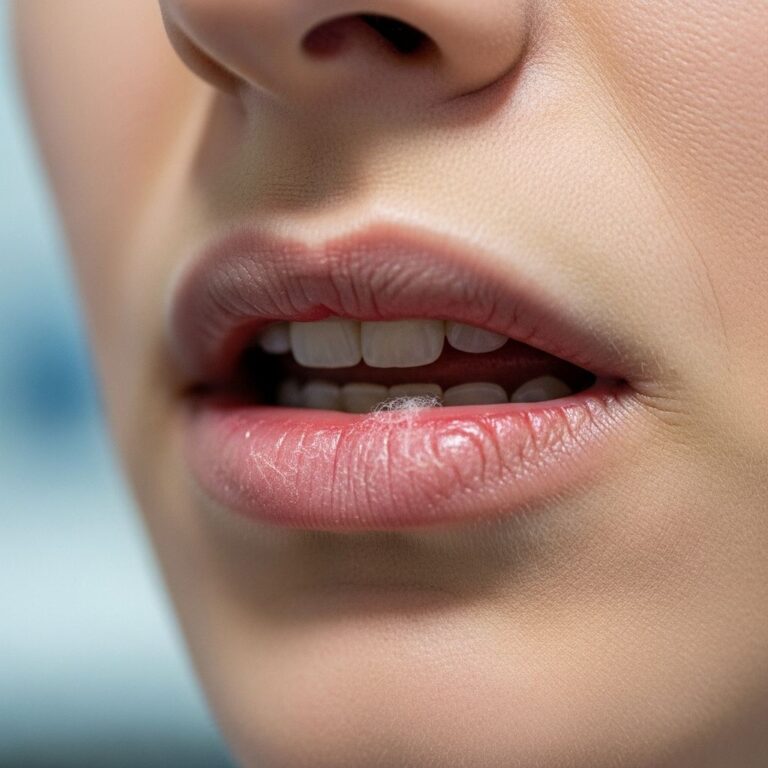
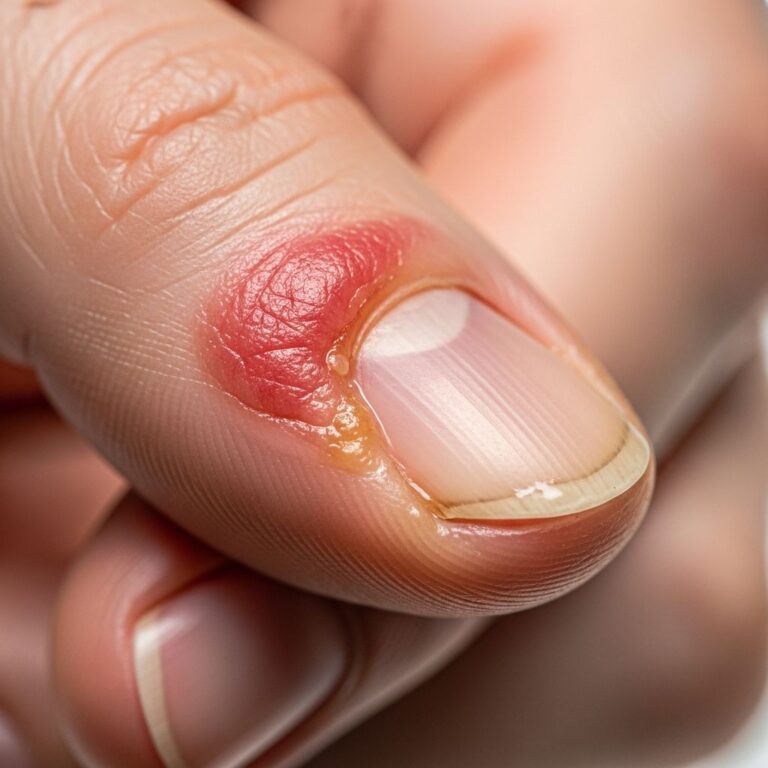
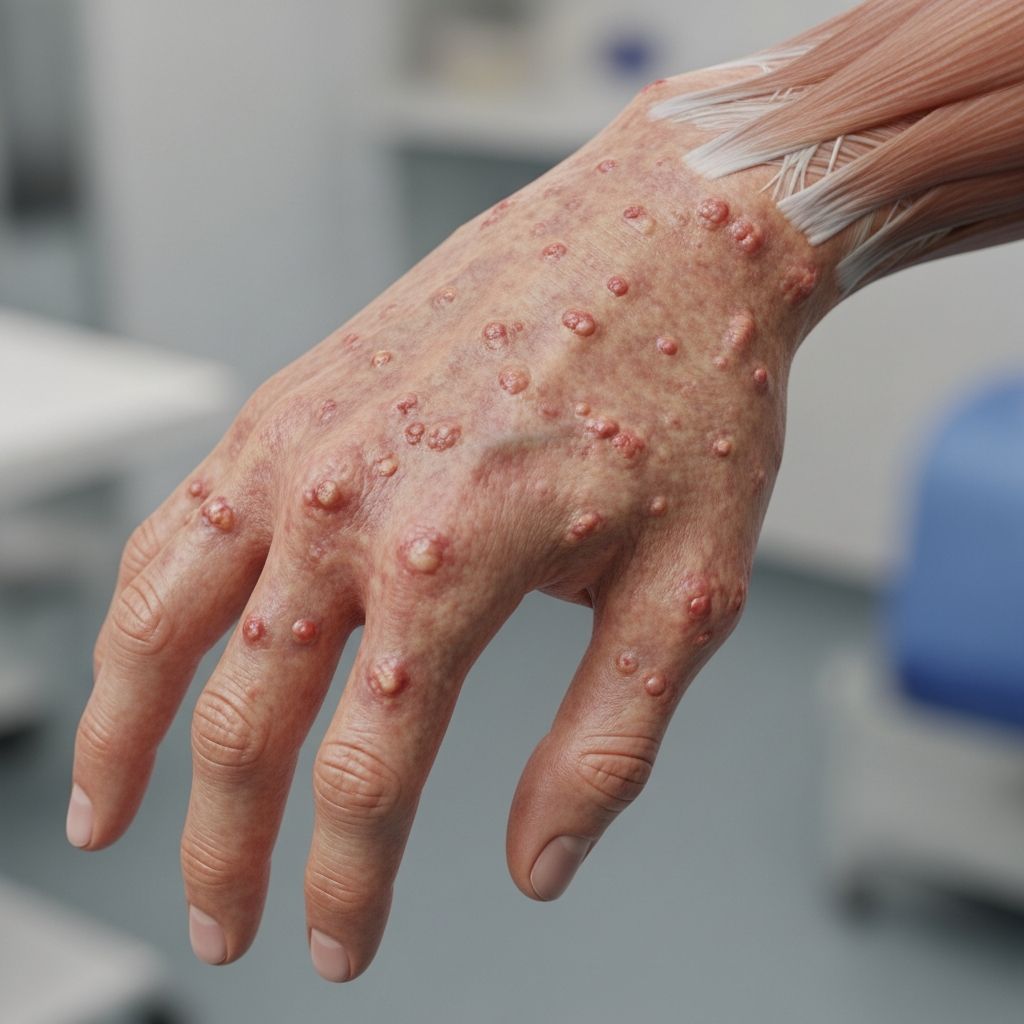
– Hypopigmented macules (flat, pale areas of skin that have lost color)- Reddish or erythematous patches or plaques- Blisters and rashes- Relatively painless ulcers- Progressive hair loss, particularly of the eyebrows and eyelashes- Skin nodules in advanced cases
Neurological symptoms involve progressive nerve damage and include:
– Sensory loss, typically beginning in the extremities (hands and feet)- Numbness and anesthesia in affected areas- Muscle weakness and paralysis of muscle groups supplied by damaged nerves- Thickened or enlarged peripheral nerves that may be palpable on physical examination
Advanced Complications
When left untreated, leprosy progresses to cause severe complications. Sensory loss in the extremities increases the risk of unnoticed injuries, including cuts, burns, and abrasions. Without pain sensation, individuals may develop wounds without realizing the injury has occurred, leading to infections and poor wound healing. Progressive tissue damage can result in:
– Loss of digits (fingers and toes)- Severe facial disfigurement, including loss of the nose- Eye damage with reduced blinking and dryness- Aseptic necrosis (tissue death from insufficient blood supply)- Permanent deformity and disability
Classification of Leprosy
Healthcare providers classify leprosy into several distinct types based on clinical presentation, bacterial load, and immune response. This classification system helps guide treatment decisions and predict disease progression:
Indeterminate Leprosy
This is the earliest form of leprosy, characterized by a few hypopigmented macules on the skin. The disease may spontaneously resolve at this stage, or it may persist and advance to other forms of leprosy. Early diagnosis and treatment at this stage can prevent progression to more severe forms.
Tuberculoid Leprosy
In this form, patients develop a few hypopigmented macules, some of which become large and lose pain sensation. Some neural involvement occurs, with thickened nerves evident on examination. The immune system mounts an effective cell-mediated response against the bacteria. Without treatment, this form may spontaneously resolve over several years, persist, or advance to borderline forms.
Borderline Forms
The borderline tuberculoid, mid-borderline, and borderline lepromatous forms represent intermediate presentations between tuberculoid and lepromatous leprosy. These forms are characterized by varying numbers of skin lesions with macules, papules, plaques, and nodules, often with asymmetric distribution. The immune response is progressively less effective in these forms, and the disease can persist, regress to tuberculoid forms, or progress toward lepromatous leprosy.
Lepromatous Leprosy
This is the most severe form of leprosy, representing a failure of the cell-mediated immune response. Patients develop numerous diffuse and symmetric skin lesions containing very high bacterial loads. Characteristic features include widespread alopecia (hair loss), loss of eyebrows and eyelashes, and progressive nerve involvement. Without treatment, this form leads to aseptic necrosis, formation of lepromas (skin nodules), and extensive facial and bodily disfigurement. Importantly, lepromatous leprosy does not regress spontaneously to less severe forms.
Histoid Leprosy
Histoid leprosy is a clinical variant of lepromatous leprosy presenting with clusters of histiocytes (immune cells involved in inflammatory response). On microscopic examination, these lesions show a characteristic “grenz zone,” an area of collagen tissue separating the lesion from normal surrounding skin.
Diagnosis and Testing
Clinical Examination
Leprosy diagnosis begins with careful clinical evaluation. Healthcare providers look for characteristic skin patches that may appear lighter, darker, or redder than the patient’s normal skin tone. A critical component of the examination involves testing for loss of sensation in suspicious skin lesions. The provider may use a light touch, temperature testing, or pinprick examination to assess sensory function. Thickened or enlarged peripheral nerves with associated sensory loss or muscle weakness are also diagnostic clues.
Diagnostic Testing
To confirm the diagnosis, healthcare providers typically obtain skin or nerve tissue samples through slit-skin smear microscopy or skin biopsy. Under the microscope, specially stained preparations are examined for the presence of acid-fast bacilli characteristic of Mycobacterium leprae. Laboratory-based testing becomes particularly important in atypical or difficult-to-diagnose cases. Skin biopsies provide histopathological examination of tissue architecture and bacterial presence, aiding in classification of the disease type. Additionally, healthcare providers may perform tests to exclude other dermatologic and neurologic conditions that might mimic leprosy.
Treatment Options
Multidrug Therapy (MDT)
The gold standard treatment for leprosy is multidrug therapy (MDT), a combination of antibiotics specifically designed to eliminate Mycobacterium leprae. MDT has revolutionized leprosy care and has made the disease curable in nearly all cases when treatment is completed as prescribed. The specific antibiotic regimen depends on the classification of leprosy and the severity of disease presentation.
Treatment Duration and Outcomes
Most patients with leprosy require between one to two years of continuous antibiotic therapy. Adherence to the complete treatment course is essential for cure and prevention of relapse. With proper treatment completion, leprosy can be completely cured. Patients can typically return to normal activities during treatment, and the disease does not significantly restrict lifestyle or work capacity when properly managed. Early treatment is particularly important as it prevents progression of nerve damage and reduces the risk of permanent disability.
Specialized Treatment Centers
In the United States, the National Hansen’s Disease Program provides specialized expertise in leprosy treatment and management. Several federally supported outpatient clinics throughout the U.S. and Puerto Rico offer comprehensive care for patients with Hansen’s disease, including diagnosis, treatment planning, and long-term follow-up.
Living with Leprosy and Preventing Complications
Self-Care and Nerve Protection
Because sensory loss is a significant complication of leprosy, patients must take special precautions to protect their extremities. Regular daily inspection of hands and feet for injuries, blisters, or signs of infection is essential. Patients should wear protective footwear to prevent trauma and maintain meticulous hygiene to reduce infection risk.
Addressing Social and Psychological Impact
Despite being a treatable disease, leprosy carries considerable social stigma and discrimination, particularly in endemic regions. Patients may experience social isolation and psychological distress. Mental health support, patient education, and community awareness programs are important components of comprehensive leprosy care. Healthcare providers should address these psychosocial aspects alongside medical treatment.
Frequently Asked Questions
Q: Is leprosy highly contagious?
A: No. Leprosy is not highly contagious. Approximately 95% of people have natural immunity to the bacteria. Close and prolonged contact with untreated cases is typically required for transmission. With appropriate treatment, the risk of transmission is substantially reduced.
Q: Can leprosy be cured?
A: Yes. Leprosy is completely curable with multidrug therapy (MDT). Treatment usually lasts one to two years, and when completed as prescribed, the disease can be cured. Early treatment prevents disability and complications.
Q: How long does it take for symptoms to appear?
A: Leprosy has a long incubation period. Symptoms may not appear for months or even years after exposure. The average incubation period is 5 to 7 years, though it can range from 6 months to 40 years.
Q: What happens if leprosy is left untreated?
A: Untreated leprosy progresses slowly and can cause permanent nerve damage, loss of sensation, muscle weakness, and severe disfigurement. Early diagnosis and treatment are essential to prevent these complications.
Q: Can people with leprosy work and live normal lives?
A: Yes. With appropriate treatment, people with leprosy can live active lives during and after treatment. They can continue working and participating in normal activities while undergoing therapy.
References
- Leprosy (Hansen’s Disease) — World Health Organization. 2024. https://www.who.int/news-room/fact-sheets/detail/leprosy
- About Hansen’s Disease (Leprosy) — Centers for Disease Control and Prevention. 2024. https://www.cdc.gov/leprosy/about/index.html
- National Hansen’s Disease (Leprosy) Program — Health Resources and Services Administration (HRSA). 2024. https://www.hrsa.gov/hansens-disease
- Leprosy — Britannica. 2024. https://www.britannica.com/science/leprosy
- Leprosy (Hansen’s Disease): Causes, Symptoms, & Treatment — MedicineNet. 2024. https://www.medicinenet.com/leprosy/article.htm
Similar Articles








Read full bio of medha deb