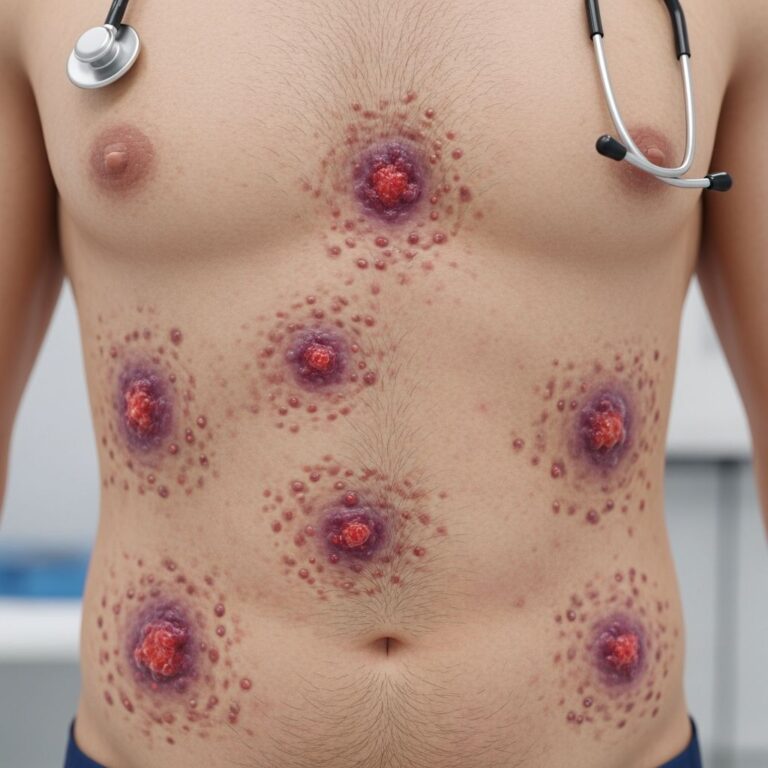
Leprosy Symptoms: Guide To Signs, Types, Diagnosis & Treatment
Recognizing the early signs of leprosy: skin patches, nerve damage, and more to prevent complications.
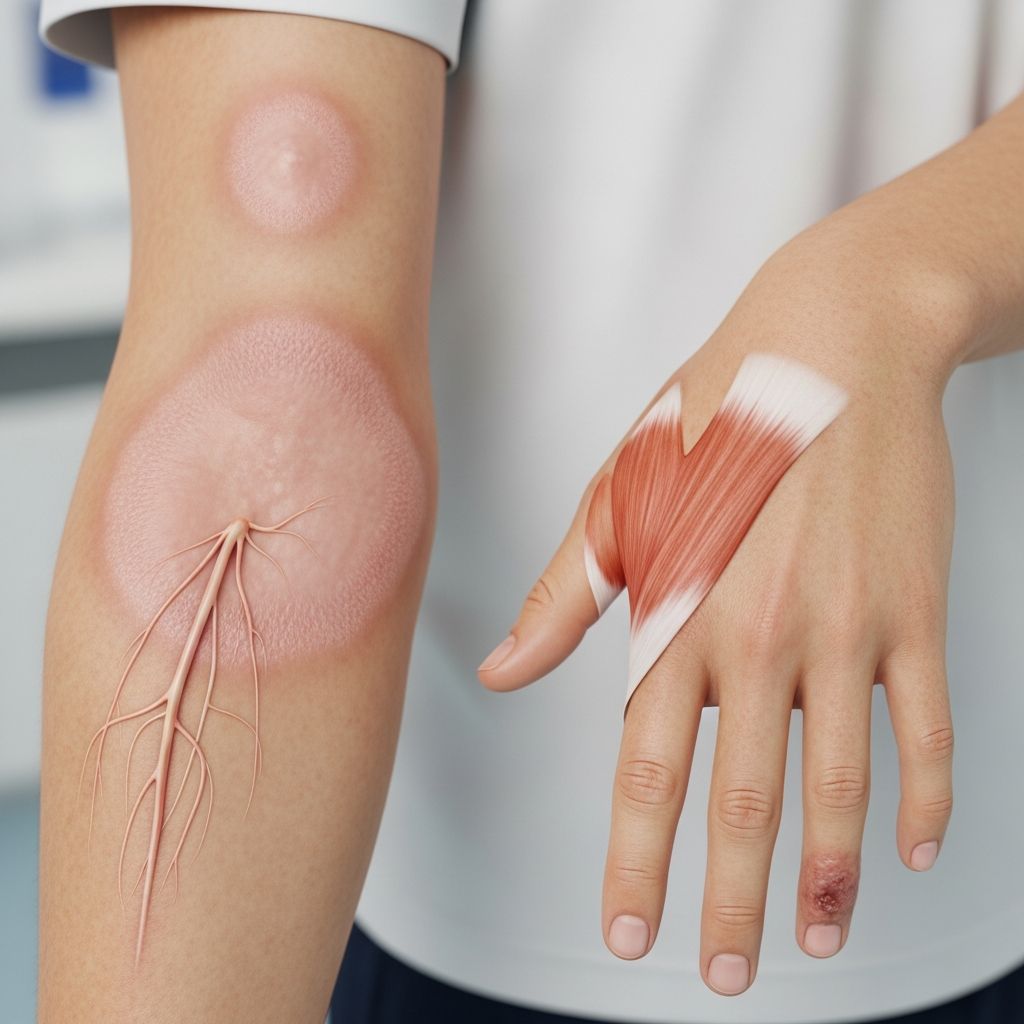
Leprosy, also called Hansen’s disease, is a chronic infectious disease caused by the bacterium Mycobacterium leprae. It primarily affects the skin, peripheral nerves, mucosa of the upper respiratory tract, and eyes. While curable with multidrug therapy, early recognition of symptoms is crucial to prevent permanent nerve damage and disabilities.
What Is Leprosy?
Leprosy is a slowly progressing bacterial infection that targets cooler areas of the body like the skin, peripheral nerves, and mucous membranes. The disease is not highly contagious and spreads mainly through droplets from the nose and mouth during close, prolonged contact with untreated cases. Symptoms can take years—up to 20 years—to appear after exposure. Globally, over 200,000 new cases are reported annually, predominantly in tropical regions, though cases occur worldwide, including in the U.S..
The bacterium Mycobacterium leprae multiplies slowly, with an incubation period of 5-20 years. It cannot be cultured in labs but can be seen in skin smears or biopsies. Most people (over 95%) have natural immunity, making infection rare.
Leprosy Symptoms
Symptoms develop gradually and mainly involve the skin and nerves. The first noticeable sign in over 90% of cases is numbness or loss of sensation in affected areas. Common symptoms include:
- Skin lesions: Pale (hypopigmented), reddish, or discolored patches that are flatter, drier, and hairless compared to normal skin. These patches often have sharply defined borders and loss of sensation to touch, heat, pain, or temperature.
- Nerve thickening and damage: Enlarged peripheral nerves (e.g., around elbows, knees, neck) causing numbness, tingling, muscle weakness, or paralysis in hands, feet, arms, or legs.
- Painless ulcers: Open sores on hands or feet that do not heal due to lack of sensation, leading to injuries going unnoticed.
- Facial changes: Loss of eyebrows or eyelashes (madarosis), thickened earlobes, broad nose, or leonine facies (lion-like face) in advanced cases.
- Eye problems: Reduced blinking, dryness, or corneal damage leading to vision loss.
- Nasal symptoms: Congestion, discharge, or nosebleeds in multibacillary forms.
Numbness progresses: temperature sensation is lost first, followed by light touch, pain, and deep pressure. Nerve damage can precede visible skin lesions by years. Rare symptoms include pain, itching (pruritus), muscle atrophy, or finger contractures.
Types of Leprosy
Leprosy is classified by Ridley-Jopling or WHO systems into paucibacillary (few bacteria, better immunity) and multibacillary (many bacteria, weaker immunity). The spectrum includes:
| Type | Bacterial Load | Key Features | Symptoms |
|---|---|---|---|
| Tuberculoid (Paucibacillary) | Low | 1-5 hypopigmented or red patches (<10 cm), sharply defined, anesthetic; thickened, tender nerves | Complete numbness in patches; dry, hairless skin |
| Borderline Tuberculoid | Low-moderate | Punch-out lesions; asymmetric nerve involvement | Sensory loss; possible weakness |
| Borderline Borderline | Moderate | Multiple reddish plaques; swollen nerves/lymph nodes | Increased numbness; risk of reactions |
| Borderline Lepromatous | High | Numerous flat lesions, plaques, nodules; symmetric | Shiny skin; early normal sensation |
| Lepromatous (Multibacillary) | Very high | Widespread nodules, plaques; leonine facies; nasal stuffiness | Symmetric; late numbness; ulcers; organ involvement |
Borderline types are unstable and prone to reactions.
Leprosy Reactions
Immune reactions complicate 30-50% of cases and can cause rapid nerve damage:
- Type 1 (Reversal Reaction): In borderline types; redness/swelling of lesions, nerve tenderness/pain. Occurs due to increased cell-mediated immunity.
- Type 2 (Erythema Nodosum Leprosum – ENL): In lepromatous; fever, painful red nodules, joint pain, iritis, orchitis. Triggered by immune complex deposition.
Reactions require urgent steroids to prevent disability.
Complications of Leprosy
Untreated or late-diagnosed leprosy leads to:
- Permanent neuropathy: Sensory loss causes unnoticed injuries, ulcers, infections, and amputations.
- Motor impairment: Claw hands, foot drop, facial paralysis.
- Blindness: From lagophthalmos (inability to close eyelids) or uveitis.
- Physical disability: Grade 1 (anesthesia), Grade 2 (visible deformities) in 25% of late cases.
- Nerve symptoms correlate with higher disability and diagnostic delays (up to 40 months).
Related Stories



Stigma exacerbates social isolation.
Causes and Risk Factors
M. leprae spreads via respiratory droplets from untreated multibacillary patients. Risk factors:
- Prolonged household contact with untreated cases.
- Genetic susceptibility (e.g., certain HLA types).
- Immunosuppression (HIV, diabetes).
- Endemic areas: India, Brazil, Indonesia (95% of cases).
Not spread by casual contact, fomites, or animals (except armadillos in U.S.).
Diagnosis of Leprosy
Clinical diagnosis based on WHO cardinal signs:
- Hypopigmented/red patch with definite sensory loss.
- Thickened nerve with sensory/motor loss.
- Acid-fast bacilli in slit-skin smear.
Tests include:
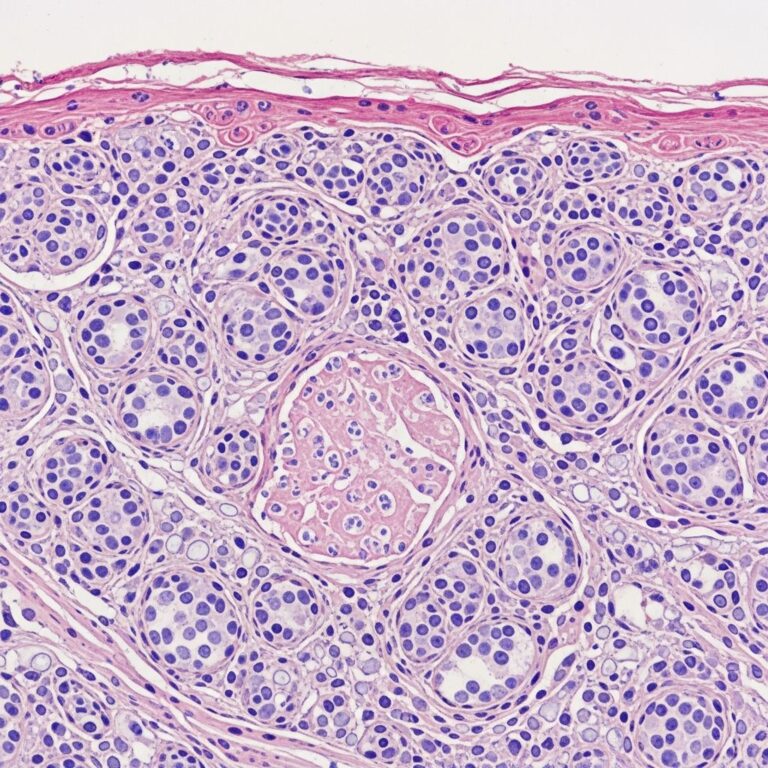
- Skin biopsy: Granulomas, foamy macrophages with bacilli (Ziehl-Neelsen stain).
- Slit-skin smear: Bacterial index (0-6+).
- Nerve conduction studies or PCR for confirmation.
Differentiate from vitiligo, tinea versicolor, lupus, or syphilis. Early nerve symptoms delay diagnosis.
Treatment for Leprosy
Free multidrug therapy (MDT) from WHO cures 100% if started early:
- Paucibacillary: Dapsone + Rifampicin for 6 months.
- Multibacillary: Dapsone + Rifampicin + Clofazimine for 12 months.
Reactions treated with prednisolone; ENL with thalidomide. Post-exposure prophylaxis: Single-dose Rifampicin. Relapse rare (<1%).
Prevention and Outlook
Vaccination (BCG offers partial protection); early case detection; contact tracing. Stigma reduction vital. With treatment, most recover fully without disability. Transmission stops 24 hours after MDT starts.
Frequently Asked Questions (FAQs)
What are the first signs of leprosy?
Skin patches lighter or redder than normal with numbness; thickened nerves.
Is leprosy contagious?
Very mildly; requires prolonged close contact with untreated cases.
Can leprosy be cured?
Yes, with free WHO multidrug therapy in 6-12 months.
How is leprosy diagnosed?
Clinically via skin lesions/nerve exam; confirmed by smear/biopsy.
Does leprosy cause deformities?
Only if untreated; early therapy prevents.
References
- Leprosy Symptoms, Causes, Treatment, Cure — NORD (National Organization for Rare Disorders). 2023. https://rarediseases.org/rare-diseases/leprosy/
- Hanson’s Disease (Leprosy) — Florida Department of Health. 2024-01-13. https://www.floridahealth.gov/diseases-and-conditions/disease/hansons-disease-leprosy/
- Leprosy — MedlinePlus (U.S. National Library of Medicine). 2023-11. https://medlineplus.gov/ency/article/001347.htm
- Presenting symptoms of leprosy at diagnosis: Clinical evidence — PMC (PubMed Central). 2021-11-04. https://pmc.ncbi.nlm.nih.gov/articles/PMC8610243/
- Leprosy: Symptoms, Pictures, Types, and Treatment — Healthline. 2023. https://www.healthline.com/health/leprosy
- About Leprosy (Hansen’s Disease) — CDC (Centers for Disease Control and Prevention). 2024. https://www.cdc.gov/leprosy/about/index.html
- Leprosy Fact Sheet — World Health Organization (WHO). 2024-01-29. https://www.who.int/news-room/fact-sheets/detail/leprosy
Similar Articles








Read full bio of Sneha Tete