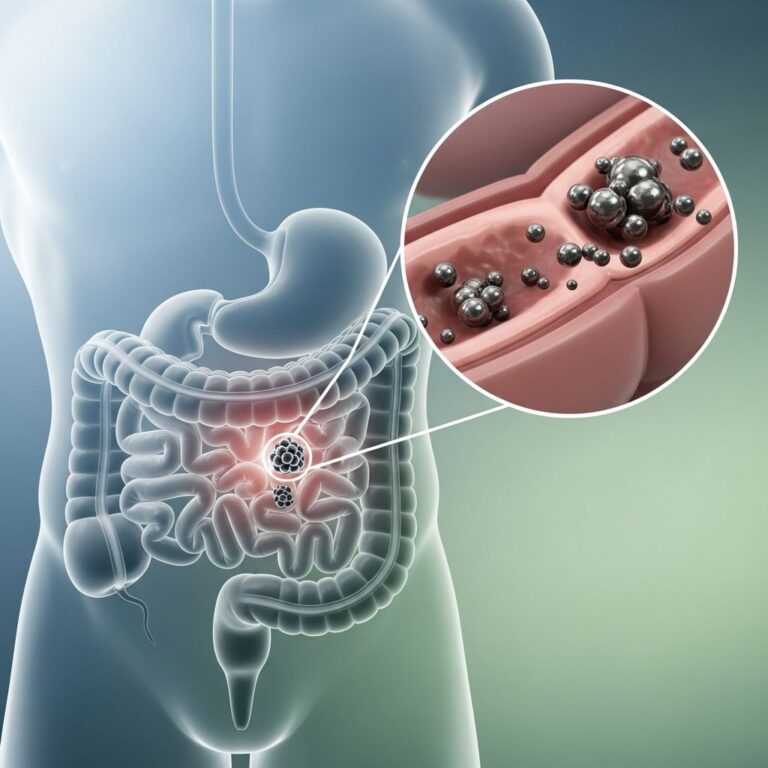
Leptospirosis And Weil’s Disease: A 2025 Comprehensive Guide
Comprehensive guide to leptospirosis symptoms, causes, diagnosis, treatment, and prevention strategies.
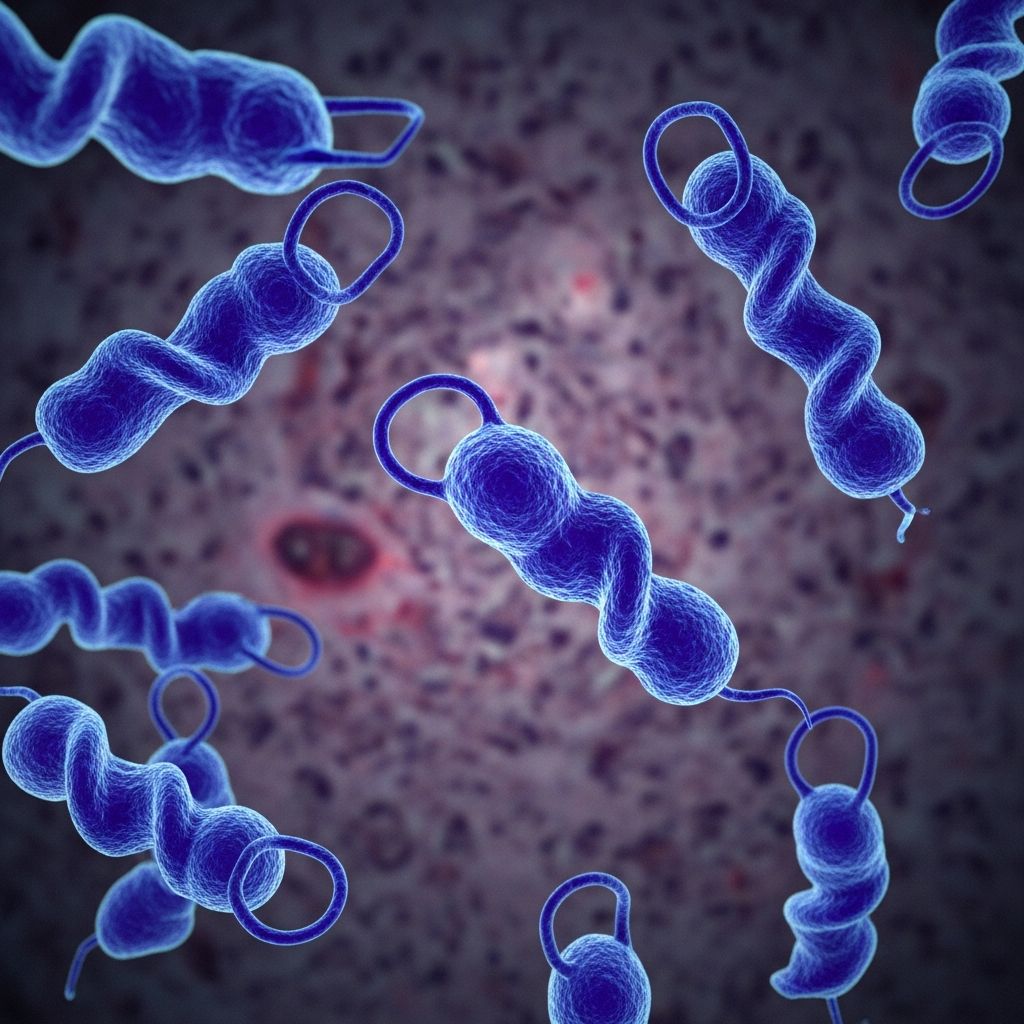
Leptospirosis is a bacterial infection caused by Leptospira species, transmitted through contact with urine from infected animals. It ranges from mild flu-like illness to severe Weil’s disease, involving liver and kidney failure.
What is Leptospirosis?
Leptospirosis is a zoonotic disease spread by spirochete bacteria of the genus Leptospira. Over 300 serovars exist, thriving in contaminated water or soil. Humans acquire it via cuts or mucous membranes exposed to infected animal urine, commonly from rats, dogs, cattle, or wildlife.
The infection progresses in phases: an initial septic phase with bacteremia, followed by an immune phase with antibody response. Most cases (90-95%) are mild or asymptomatic, but 5-10% develop severe icteric leptospirosis, known as Weil’s disease, marked by jaundice, renal failure, hemorrhage, and high mortality.
Symptoms of Leptospirosis
Symptoms appear 2-30 days post-exposure, averaging 5-14 days. The disease often biphasic.
First Phase (Septic or Acute Phase)
Lasts 3-7 days, mimicking influenza:
- High fever and chills
- Severe headache
- Muscle aches, especially calves and thighs
- Conjunctival suffusion (red eyes without discharge)
- Nausea, vomiting, diarrhea
- Cough and chest pain
Patients may briefly improve before the immune phase.
Second Phase (Immune Phase)
Occurs in 10% of cases, with leptospirauria and organ targeting:
- Aseptic meningitis (headache, neck stiffness)
- Uveitis or optic neuritis
- In severe cases, Weil’s disease: jaundice, oliguria, hemorrhage, shock
Weil’s Disease Symptoms
Weil’s disease, the icteric form, involves multiorgan failure:
- Persistent fever
- Jaundice and hepatomegaly
- Acute kidney injury or failure
- Bleeding (petechiae, gastrointestinal)
- Respiratory distress or hemorrhage
- Cardiac arrhythmias, myocarditis
- Encephalitis or coma
Mortality reaches 10-50% without prompt care. Recovery from severe cases takes weeks to months.
Causes of Leptospirosis
Leptospira interrogans and relatives survive in moist environments, shed in animal urine. Reservoirs include rodents (primary), dogs, livestock, pigs. Flooding, poor sanitation heighten risk.
Direct contact unnecessary; bacteria penetrate skin breaks or oropharynx via contaminated water/soil. Person-to-person rare. Occupational risks: farmers, vets, abattoir workers. Recreational: kayaking, adventure racing in tropics.
Who is at Risk?
- Veterinarians and animal handlers
- Farmers and sewer workers
- Adventure travelers in endemic areas (Southeast Asia, Caribbean)
- Post-flood exposure
- Urban poor with rat infestations
Immunocompromised or elderly face worse outcomes.
Diagnosis
Clinical suspicion guides testing, as symptoms nonspecific.
Laboratory Tests
- Blood culture (first phase) or urine culture (immune phase)
- Serology: MAT (gold standard), ELISA, PCR
- CBC: thrombocytopenia, leukocytosis
- LFTs: elevated bilirubin, transaminases
- Renal: elevated creatinine, BUN
- CSF: pleocytosis in meningitis
PCR detects DNA early. Dark-field microscopy possible but insensitive.
Treatment
Treatment severity-based. Early antibiotics shorten duration, prevent severity.
Mild Cases
Outpatient: doxycycline 100mg BID x7 days, amoxicillin, azithromycin. Supportive: hydration, analgesics. Antibiotics optional if very mild.
Related Stories



Severe Cases (Weil’s)
Hospitalize, often ICU:
- IV penicillin G 1.5MU Q6H or ceftriaxone 1-2g daily
- Renal replacement (dialysis)
- Mechanical ventilation for ARDS
- Vasopressors, corticosteroids (controversial)
Jarisch-Herxheimer reaction possible post-antibiotics. Mild cases resolve days-weeks; severe 2+ weeks hospitalization, months recovery.
Complications
- Renal failure (dialysis-dependent)
- Liver failure
- Pulmonary hemorrhage (20-60% mortality)
- Meningitis, uveitis
- Chronic headaches, fatigue
- Multiorgan failure
Prevention
No human vaccine widely available. Strategies:
- Avoid contaminated water/soil: boots, gloves
- Rodent control, sanitation
- Doxycycline prophylaxis for high-risk (100mg daily)
- Vaccinate pets/livestock
- Post-exposure prophylaxis if early
When to See a Doctor
Seek care for fever + exposure history, red eyes, calf pain, jaundice. Urgent for oliguria, bleeding, dyspnea.
Leptospirosis and Pregnancy
Transplacental transmission possible, causing miscarriage, stillbirth, fetal hydrops. Treat aggressively.
Frequently Asked Questions
Can leptospirosis be fatal?
Yes, untreated Weil’s disease has 10-50% mortality. Early antibiotics improve survival.
How long does leptospirosis last?
Mild: days-weeks. Severe: weeks-months.
Is leptospirosis contagious person-to-person?
No, only via infected animal urine.
What antibiotic treats leptospirosis?
Doxycycline or penicillin; IV for severe.
Can you get leptospirosis from dogs?
Yes, unvaccinated dogs common source.
Table: Leptospirosis Phases Comparison
| Phase | Duration | Key Symptoms | Treatment Focus |
|---|---|---|---|
| First (Septic) | 3-7 days | Fever, headache, myalgia, red eyes | Supportive, oral antibiotics |
| Immune | Variable | Meningitis, jaundice (Weil’s) | IV antibiotics, organ support |
References
- Leptospirosis – StatPearls — NCBI Bookshelf. 2023. https://www.ncbi.nlm.nih.gov/books/NBK441858/
- Leptospirosis: symptoms, treatment, prevention — Institut Pasteur. 2023. https://www.pasteur.fr/en/medical-center/disease-sheets/leptospirosis
- About Leptospirosis — CDC. 2024-01-10. https://www.cdc.gov/leptospirosis/about/index.html
- Leptospirosis: Causes, Symptoms, Diagnosis & Treatment — Cleveland Clinic. 2023. https://my.clevelandclinic.org/health/diseases/24021-leptospirosis
- Leptospirosis (Weil’s disease) — SA Health. 2023. https://www.sahealth.sa.gov.au/wps/wcm/connect/public+content/sa+health+internet/conditions/infectious+diseases/leptospirosis/leptospirosis+weils+disease+-+including+symptoms+treatment+and+prevention
- Weil Syndrome — NORD. 2023. https://rarediseases.org/rare-diseases/weil-syndrome/
- Leptospirosis — Cornell Wildlife Health Lab. 2023. https://cwhl.vet.cornell.edu/disease/leptospirosis
Similar Articles








Read full bio of medha deb