Leptospirosis: Causes, Symptoms, Diagnosis & Treatment
Learn about leptospirosis, its causes, symptoms, diagnosis, and treatment options for this bacterial infection.

What Is Leptospirosis?
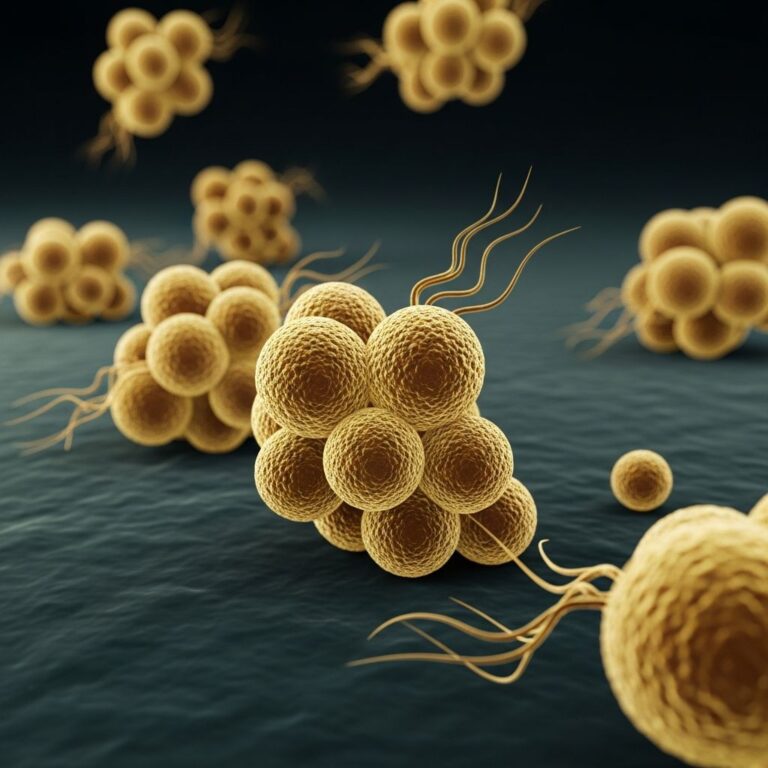
Leptospirosis is a bacterial infection caused by the Leptospira bacteria. This illness is contracted when humans come into contact with water or soil contaminated by the urine of infected animals. The bacteria can enter the body through cuts in the skin, mucous membranes, or by swallowing contaminated water. Leptospirosis is found worldwide, especially in tropical and subtropical regions, but outbreaks can occur anywhere, particularly after heavy rainfall or flooding.
Causes of Leptospirosis
Leptospirosis is caused by infection with pathogenic serotypes of the Leptospira bacteria. These bacteria are commonly found in the urine of infected animals, including:
- Rodents (such as rats and mice)
- Dogs
- Cattle
- Pigs
- Wildlife (such as raccoons, skunks, and opossums)
- Marine mammals
Humans become infected when they come into contact with contaminated water, soil, or vegetation. Activities that increase the risk of exposure include swimming, wading, or working in contaminated environments, such as farms, sewers, or floodwaters.
Symptoms of Leptospirosis
Leptospirosis typically presents with a biphasic illness, meaning it has two distinct phases:
Leptospiremic (Septicemic) Phase
This phase begins abruptly, usually within 5 to 14 days after exposure. Symptoms include:
- Fever
- Chills
- Headache
- Severe muscle aches (especially in the calves and lower back)
- Nausea and vomiting
- Conjunctival suffusion (redness of the eyes without pus)
- Cough
- Pharyngitis (sore throat)
- Chest pain
- Hemoptysis (coughing up blood) in some cases
This phase typically lasts 4 to 9 days. Fever may spike above 39°C (102.2°F), and symptoms may improve temporarily before the second phase begins.
Immune Phase
The immune phase begins between the 6th and 12th day of illness, as the body starts producing antibodies against the bacteria. Symptoms may recur and can include:
- Fever
- Meningitis (inflammation of the membranes around the brain and spinal cord)
- Hepatic (liver) involvement
- Pulmonary (lung) involvement
- Renal (kidney) involvement
- Iridocyclitis (inflammation of the iris and ciliary body)
- Optic neuritis (inflammation of the optic nerve)
- Peripheral neuropathy (nerve damage)
In severe cases, patients may develop Weil’s syndrome, which is characterized by:
- Internal bleeding
- Kidney damage
- Jaundice (yellowing of the skin and eyes)
This phase can last from 4 to 30 days, depending on the severity of the infection.
Diagnosis of Leptospirosis
Diagnosing leptospirosis can be challenging because its symptoms are similar to those of other illnesses, such as viral meningoencephalitis, hemorrhagic fever with renal syndrome, influenza, and hepatitis. The following diagnostic methods are used:
Physical Examination and Medical History
A healthcare provider will perform a physical examination and ask about recent activities, travel history, and potential exposure to contaminated water or soil.
Laboratory Tests
Several laboratory tests can help confirm a diagnosis of leptospirosis:
- Blood cultures: Blood samples are taken to look for the presence of Leptospira bacteria. Cultures are most likely to be positive during the first week of illness.
- Urine cultures: Urine samples are tested for the bacteria, which may be present from the first to the third week of illness.
- Serologic testing: Blood tests are performed to detect antibodies against Leptospira. These tests are most useful during the immune phase.
- Polymerase chain reaction (PCR): PCR testing can detect the genetic material of the bacteria in blood, urine, or cerebrospinal fluid (CSF).
- Cerebrospinal fluid (CSF) analysis: If meningitis is suspected, a lumbar puncture may be performed to analyze the CSF. The cell count is typically between 10 and 1000/mcL, with predominantly mononuclear cells. CSF glucose is normal, and protein levels are usually less than 100 mg/dL.
Related Stories



Imaging Studies
In severe cases, imaging studies such as chest X-rays or CT scans may be ordered to assess organ damage.
Treatment of Leptospirosis
Early treatment is crucial to reduce the severity and duration of leptospirosis. Antibiotics are the mainstay of treatment, and the choice of antibiotic depends on the severity of the illness.
Mild Cases
For mild cases, oral antibiotics are typically prescribed:
- Doxycycline (100 mg orally, twice daily for 7 days)
- Azithromycin (500 mg orally, once daily for 3 days)
- Ampicillin (500-750 mg orally, every 6 hours for 7 days)
- Amoxicillin (500 mg orally, every 6 hours for 7 days)
In some cases, mild symptoms may resolve without treatment, but close monitoring is recommended.
Severe Cases
For severe cases, intravenous (IV) antibiotics are required:
- Penicillin G (1.5 million units IV, every 6 hours for 7 days)
- Ceftriaxone (1 g IV, every 24 hours)
Supportive care is also important, including fluid and electrolyte therapy, renal replacement therapy (if kidney failure occurs), and blood transfusions (if severe bleeding is present). Jarisch-Herxheimer reactions (a temporary worsening of symptoms after starting antibiotics) have been reported in some patients.
Prevention of Leptospirosis
Preventing leptospirosis involves reducing exposure to contaminated water and soil. Key preventive measures include:
- Avoid swimming or wading in potentially contaminated water.
- Wear protective clothing (such as boots and gloves) when working in environments where exposure is likely.
- Practice good hygiene, including washing hands thoroughly after handling animals or working in contaminated areas.
- Vaccinate pets against leptospirosis.
- Control rodent populations around homes and workplaces.
Complications of Leptospirosis
Most people recover fully from leptospirosis, but complications can occur, especially in severe cases. These may include:
- Kidney failure
- Liver failure
- Meningitis
- Pulmonary hemorrhage
- Death (rare)
Frequently Asked Questions (FAQs)
Q: How is leptospirosis transmitted?
A: Leptospirosis is transmitted through contact with water or soil contaminated by the urine of infected animals. The bacteria can enter the body through cuts in the skin, mucous membranes, or by swallowing contaminated water.
Q: What are the symptoms of leptospirosis?
A: Symptoms include fever, chills, headache, muscle aches, nausea, vomiting, conjunctival suffusion, cough, pharyngitis, chest pain, and hemoptysis. In severe cases, symptoms may include meningitis, liver and kidney damage, and jaundice.
Q: How is leptospirosis diagnosed?
A: Diagnosis is made through a combination of physical examination, medical history, and laboratory tests, including blood and urine cultures, serologic testing, PCR, and CSF analysis.
Q: What is the treatment for leptospirosis?
A: Treatment involves antibiotics such as doxycycline, penicillin, or ceftriaxone, depending on the severity of the illness. Supportive care is also important for severe cases.
Q: Can leptospirosis be prevented?
A: Yes, leptospirosis can be prevented by avoiding contact with contaminated water and soil, wearing protective clothing, practicing good hygiene, vaccinating pets, and controlling rodent populations.
References
- Leptospirosis – Infectious Diseases – Merck Manuals — Merck Manuals. 2023. https://www.merckmanuals.com/professional/infectious-diseases/spirochetes/leptospirosis
- Clinical Overview of Leptospirosis – CDC — Centers for Disease Control and Prevention. 2023. https://www.cdc.gov/leptospirosis/hcp/clinical-overview/index.html
- Leptospirosis: Causes, Symptoms, Diagnosis & Treatment – Cleveland Clinic — Cleveland Clinic. 2023. https://my.clevelandclinic.org/health/diseases/24021-leptospirosis
Similar Articles








Read full bio of medha deb