Leptospirosis: Expert Guide to Symptoms, Diagnosis & Treatment
Comprehensive guide to leptospirosis: causes, symptoms, diagnosis, treatment, and prevention of this zoonotic bacterial infection.
Author: Reviewed by dermatologists and infectious disease specialists.
Updated: January 2026
What is leptospirosis?
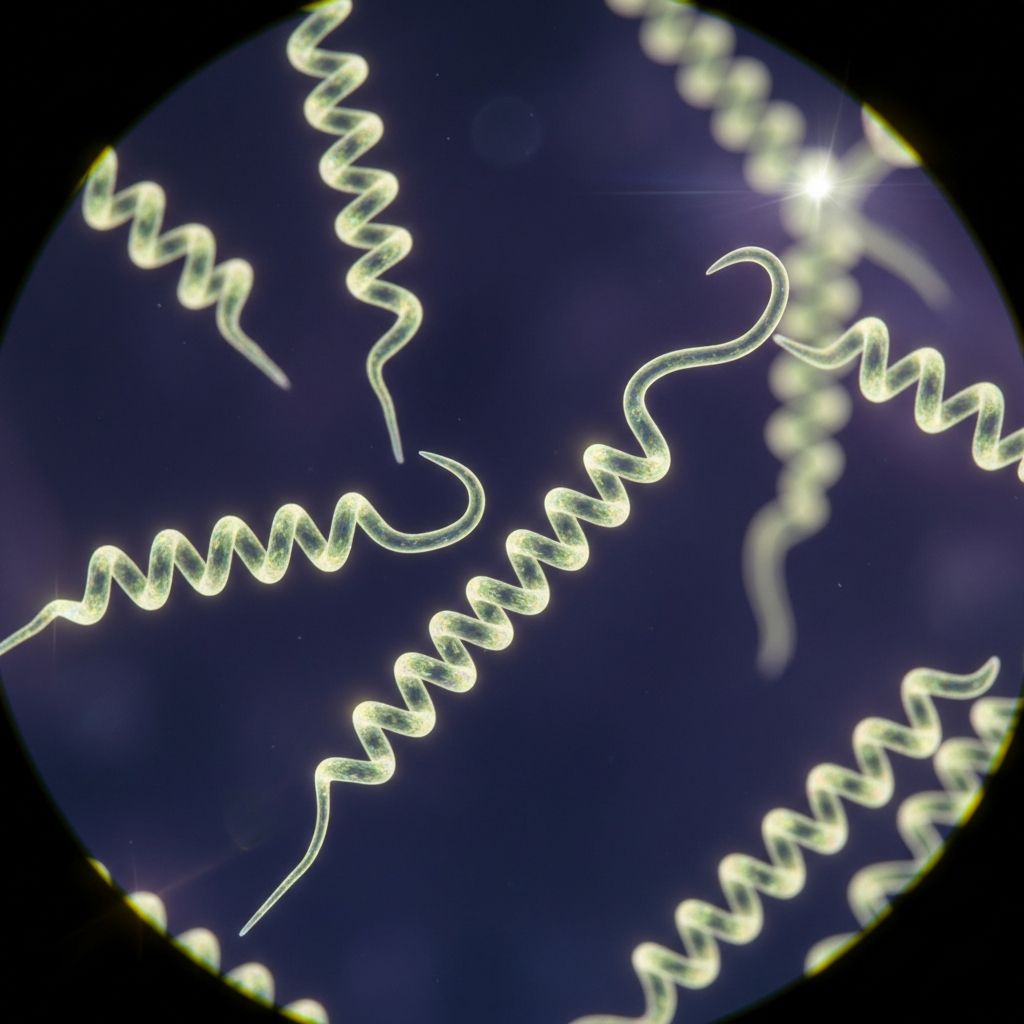
Leptospirosis is a zoonotic bacterial disease caused by spirochetes of the genus Leptospira. It affects humans and animals worldwide, thriving in tropical and temperate climates with high rainfall. The infection spreads through contact with water, soil, or food contaminated by urine from infected animals such as rodents, cattle, dogs, and wildlife. Humans are accidental hosts, typically acquiring the bacteria through cuts, mucous membranes, or ingestion.
The disease manifests in two phases: an acute septicemic phase with flu-like symptoms, followed by an immune phase where antibodies form and organ involvement peaks. Mild cases resemble influenza and resolve spontaneously, but 5-10% progress to severe Weil’s disease, characterized by jaundice, renal failure, and hemorrhage, with mortality up to 20-50% if untreated.
Globally, an estimated 1 million cases occur annually, with higher incidence in developing regions due to poor sanitation and flooding. Occupational risks include farming, veterinary work, and sewer maintenance.
Who gets leptospirosis?
At-risk populations include:
- Agricultural workers exposed to livestock urine in fields or floods.
- Veterinarians and animal handlers contacting infected pets or farm animals.
- Recreational users like swimmers, kayakers, or campers in contaminated freshwater.
- Urban dwellers in areas with rodent infestations, especially during monsoons.
- Military personnel in field exercises or disaster response.
Children, elderly, and those with chronic illnesses like diabetes or alcoholism face higher severe disease risk. No gender predominance exists, though males report more due to occupational exposure.
What causes leptospirosis?
Leptospira species, particularly L. interrogans, are motile, aerobic spirochetes surviving weeks in moist environments but dying quickly in dry conditions or seawater. Over 300 serovars exist, grouped into 20+ serogroups, with pathogenicity varying by strain.
Animals act as reservoirs, shedding bacteria in urine without illness. Common carriers: rats (urban), cattle/horses (rural), dogs (pets). Transmission occurs via:
- Abraded skin contact with contaminated mud/water.
- Mucosal exposure (eyes, mouth, nose).
- Ingestion of tainted food/water.
- Rarely, person-to-person or lab accidents.
Incubation averages 7-12 days (range 2-30 days). Bacteria penetrate tissues, enter bloodstream (septicemic phase), then localize in kidneys, liver, lungs, and CNS (immune phase).
What are the clinical features of leptospirosis?
Septicemic (acute) phase
Sudden onset fever (38-40°C), chills, severe headache, myalgias (especially calves/back), and conjunctival suffusion (red eyes without discharge) in 30%. Other symptoms: nausea, vomiting, diarrhea, cough. Duration: 3-10 days. Rash rare but possible as maculopapular or erythematous plaques.
Immune phase
Brief pyrexial gap, then aseptic meningitis, uveitis, or organ failure. Severe cases develop Weil’s disease: jaundice, oliguria, bleeding (petechiae, purpura, ecchymoses), hypotension. Pulmonary involvement includes hemorrhage and ARDS.
| Symptom | Frequency (%) |
|---|---|
| Fever | 90-100 |
| Headache | 70-90 |
| Myalgia | 50-90 |
| Conjunctival suffusion | 30 |
| Jaundice (severe) | 5-10 |
| Rash | 10-30 |
Related Stories



Skin manifestations
Cutaneous signs: nonspecific macular rash, urticaria, purpura from vasculitis/thrombocytopenia. Rare: erythema nodosum (EN) with tender nodules on limbs from hypersensitivity. Petechiae/purpura signal severe coagulopathy in Weil’s disease.
Diagnosis of leptospirosis
Clinical suspicion prompts lab confirmation. No pathognomonic sign; diagnosis relies on history (exposure) + serology.
- Microscopic Agglutination Test (MAT): Gold standard, detects serovar-specific antibodies. Paired sera (acute/convalescent) show ≥4-fold titer rise.
- ELISA/PCR: Early detection of IgM or DNA in blood/urine.
- Dark-field microscopy: Rarely positive in blood/urine.
Supportive labs: thrombocytopenia, elevated creatinine, bilirubin, transaminases, CPK. Chest X-ray for pulmonary infiltrates.
Treatment of leptospirosis
Supportive care + antibiotics. Mild cases: oral doxycycline 100mg BID x7 days or amoxicillin. Severe: IV penicillin G (1.5MU q6h) or ceftriaxone 1-2g daily.
Jarisch-Herxheimer reaction possible post-treatment. Dialysis for renal failure; mechanical ventilation for ARDS. Early antibiotics (<4 days) reduce severity.
Complications of leptospirosis
- Acute kidney injury (60% severe cases).
- Liver failure/hepatitis.
- Hemorrhagic vasculitis.
- Pulmonary hemorrhage/ARDS (mortality 20-70%).
- Meningitis, myocarditis, uveitis.
- Multiorgan failure.
Prevention of leptospirosis
No human vaccine widely available. Strategies:
- Avoid floodwater, animal urine.
- Wear protective clothing, boots, gloves.
- Post-exposure doxycycline prophylaxis (200mg weekly x2-3wks).
- Vaccinate pets/livestock.
- Rodent control, sanitation.
Related topics
- Erythema nodosum
- Weil’s disease
- Zoonoses
- Rickettsial infections
Frequently asked questions
What is the incubation period for leptospirosis?
Typically 5-14 days, ranging 2-30 days after exposure.
Can leptospirosis be transmitted person-to-person?
Rarely; mainly zoonotic via contaminated environment.
Is leptospirosis fatal?
Mild cases self-resolve; severe Weil’s disease mortality 5-15% with treatment, up to 50% without.
How to prevent leptospirosis during floods?
Avoid wading in floodwater, use barriers on skin cuts, boil water.
What does leptospirosis rash look like?
Maculopapular, petechial, or rare erythema nodosum nodules on limbs.
References
- Leptospirosis presented with erythema nodosum on four limbs — Haeri A, et al. Clin Case Rep. 2020-02-01. https://pmc.ncbi.nlm.nih.gov/articles/PMC6996038/
- About Leptospirosis — Centers for Disease Control and Prevention (CDC). 2024. https://www.cdc.gov/leptospirosis/about/index.html
- Leptospirosis Fact Sheet — University of Tennessee Occupational Health Program. 2025-02. https://ohp.utk.edu/wp-content/uploads/sites/61/2025/02/Leptospirosis.pdf
- Leptospirosis‐induced purpura: An atypical manifestation of Weil’s disease — Haeri A, et al. Clin Case Rep. 2021. https://onlinelibrary.wiley.com/doi/full/10.1002/ccr3.2692
- Leptospirosis — Iowa Department of Health and Human Services. 2024. https://hhs.iowa.gov/health-prevention/providers-professionals/center-acute-disease-epidemiology/epi-manual/information-other-diseases-and-conditions-fact-sheets/leptospirosis
- Leptospirosis: Causes, Symptoms, Diagnosis & Treatment — Cleveland Clinic. 2024. https://my.clevelandclinic.org/health/diseases/24021-leptospirosis
Similar Articles








Read full bio of medha deb