Lercanidipine tablets for high blood pressure
Effective calcium-channel blocker for managing hypertension and preventing heart complications.

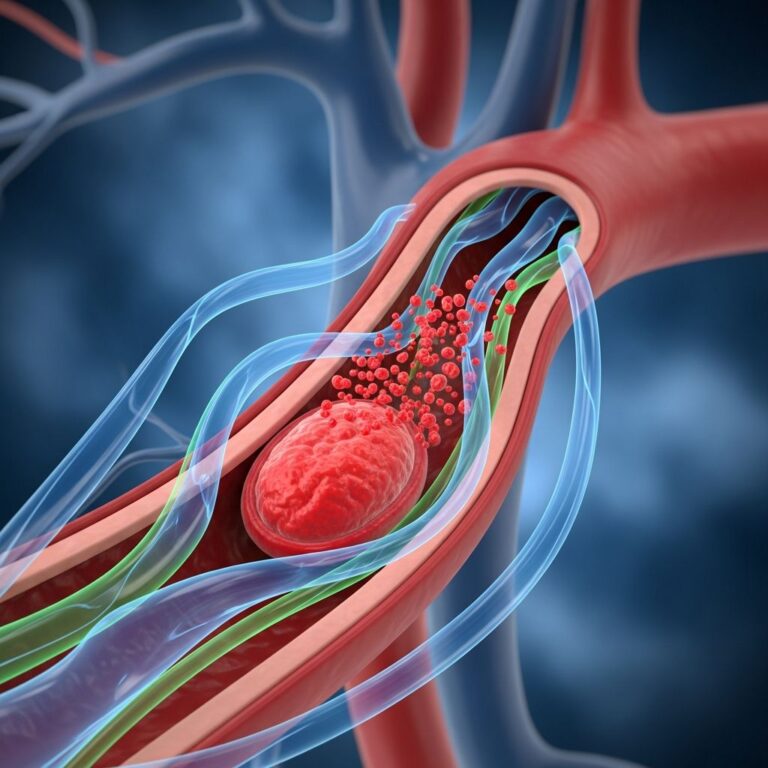
Lercanidipine is a medication specifically designed to manage high blood pressure (hypertension). As a calcium-channel blocker, it relaxes blood vessels, improving blood flow and reducing strain on the heart. This helps prevent serious complications like heart attacks and strokes, even if you feel fine.
| Type of medicine | Used for | Also called | Available as |
|---|---|---|---|
| Calcium-channel blocker | High blood pressure | Zanidip® | Tablets |
About lercanidipine
High blood pressure often goes unnoticed, but untreated it damages arteries, the heart, kidneys, and increases risks of heart disease, stroke, heart failure, and kidney failure. Lercanidipine lowers blood pressure by blocking calcium entry into vascular smooth muscle and cardiac muscle cells, causing vasodilation without significantly affecting heart contractility.
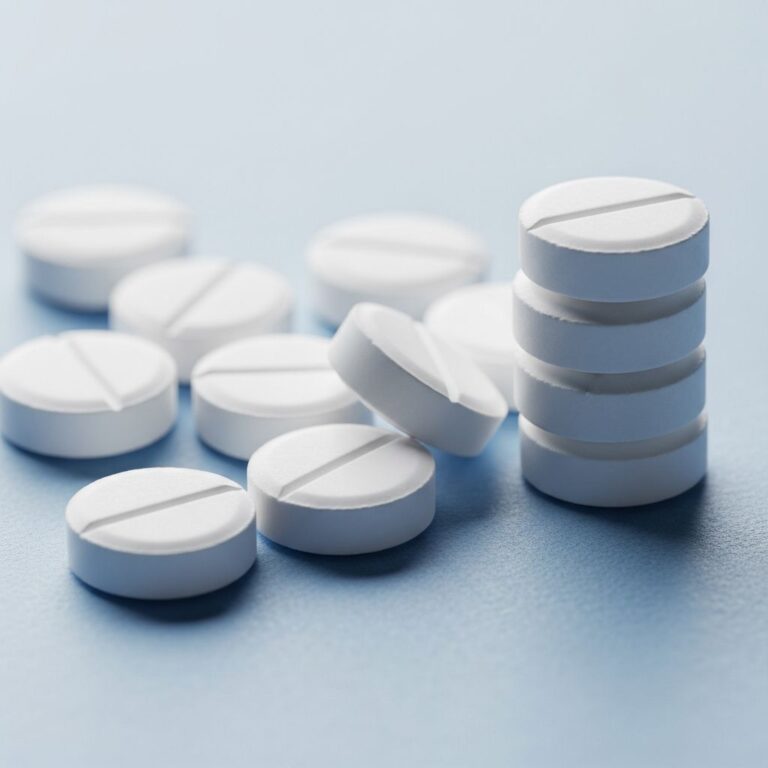
It is typically prescribed when other antihypertensives are unsuitable or as part of combination therapy. Available in 10 mg and 20 mg tablets, it is taken once daily. Treatment is long-term to maintain blood pressure control and reduce cardiovascular risks.
Key benefits include once-daily dosing for convenience and a favorable side effect profile compared to some other calcium channel blockers, with less edema in some studies. However, it is not a cure; blood pressure must be monitored regularly.
How to take lercanidipine
Always follow your doctor’s instructions and read the patient information leaflet (PIL) provided with the tablets for full details on usage, side effects, and warnings.
- Dosage: Start with 10 mg once daily, preferably in the morning at least 15-30 minutes before breakfast. Your doctor may increase to 20 mg after 2-4 weeks if needed.
- Administration: Swallow whole with water. Do not chew or crush. Take consistently at the same time each day.
- Missed dose: Take as soon as remembered unless near next dose. Do not double up.
- Duration: Long-term unless advised otherwise. Stopping suddenly may raise blood pressure; taper if instructed.
- Special populations:
- Elderly: No dose adjustment, but start cautiously.
- Liver/kidney impairment: Use lower doses; max 20 mg with caution.
- Children: Not recommended.
Before surgery or dental work, inform your healthcare provider, as lercanidipine may interact with anesthetics.
Getting the most from your treatment
To optimize lercanidipine’s effectiveness and minimize risks:
- Avoid grapefruit juice, as it inhibits metabolism and can dangerously increase drug levels.
- Monitor blood pressure regularly at home if advised.
- Combine with lifestyle changes: healthy diet (low salt), regular exercise (30 min most days), weight management, limit alcohol, quit smoking.
- Do not use over-the-counter drugs without consulting your doctor, especially NSAIDs or decongestants that raise blood pressure.
- If dizzy, rise slowly from sitting/lying to avoid falls.
Regular check-ups ensure the dose is appropriate and monitor for side effects.
Related Stories



Side-effects
Most side effects are mild and short-lived, especially when starting treatment. They often resolve within days to weeks.
| Common (up to 1 in 10) | Uncommon (up to 1 in 100) | Rare (up to 1 in 1000) |
|---|---|---|
| Headache Flushing Tachycardia/palpitations Ankle edema | Dizziness Hypotension Heartburn/nausea/abdominal pain Rash/itching Muscle pain Polyuria Fatigue | Somnolence Vomiting/diarrhea Urticaria Angina Chest pain |
- Headache: Usually passes; use paracetamol if needed.
- Dizziness: Avoid driving/operating machinery until resolved.
- Swelling/flushing/palpitations: Consult doctor if persistent.
- Serious (rare): Chest pain, severe dizziness, fainting, swelling of face/lips/tongue, or signs of overdose (irregular heartbeat, excessive sleepiness) – seek immediate medical help.
Report any new symptoms to your doctor or pharmacist.
Who can and cannot take lercanidipine
Lercanidipine is unsuitable for some people. Inform your doctor if:
- You are allergic to lercanidipine or excipients (e.g., lactose – caution if intolerant).
- Pregnant, breastfeeding, or planning pregnancy (not recommended).
- Severe liver/kidney disease or on dialysis.
- Recent heart attack (within 1 month), severe heart failure, or unstable angina.
- Porphyria (rare blood disorder).
- Taking certain drugs (see interactions).
Pregnancy and breastfeeding
Avoid lercanidipine if pregnant or breastfeeding, as safety data is limited. Use effective contraception if sexually active and of childbearing potential. Consult your doctor for alternatives.
Common questions about lercanidipine
How long does lercanidipine take to work?
Blood pressure starts lowering within 1-2 weeks, with full effect in 2-4 weeks. Regular monitoring is essential.
Can I drink alcohol while taking lercanidipine?
Limit alcohol, as it can further lower blood pressure and worsen dizziness.
Does lercanidipine cause weight gain?
Not typically; ankle swelling may occur but is usually mild.
Can I stop taking lercanidipine suddenly?
No, taper under medical supervision to avoid rebound hypertension.
What if I take too much?
Overdose causes dizziness, irregular heartbeat, sleepiness. Seek emergency care immediately.
Is lercanidipine safe for long-term use?
Yes, for most patients when monitored, to prevent cardiovascular events.
Frequently Asked Questions (FAQs)
Q: When should I take lercanidipine?
A: Once daily in the morning, 15-30 minutes before food, for best absorption.
Q: What foods should I avoid?
A: Grapefruit and its juice, as they increase drug levels and side effects.
Q: Can lercanidipine cause chest pain?
A: Rare, but contact your doctor immediately if it occurs.
Q: How does lercanidipine differ from amlodipine?
A: Both are calcium blockers, but lercanidipine may cause less ankle swelling.
Q: Can I take lercanidipine with other blood pressure meds?
A: Yes, often combined; inform your doctor of all medications.
References
- Lercanidipine tablets for high blood pressure (Zanidip) — Patient.info. 2023. https://patient.info/medicine/lercanidipine-tablets-for-high-blood-pressure-zanidip
- Lercanidipine Hydrochloride 10 mg Film-coated Tablets PIL — medicines.org.uk (MHRA). 2023-10-01. https://www.medicines.org.uk/emc/files/pil.9878.pdf
- Lercanidipine: medicine that lowers blood pressure — Health Service Executive (HSE.ie), Ireland. 2024. https://www2.hse.ie/medicines/lercanidipine/
- Lercanidipine AN Consumer Medicine Information — NPS MedicineWise (Australian Govt). 2023. https://www.nps.org.au/assets/medicines/920864be-b552-47d7-a54c-a53300ff987a.pdf
- How and when to take lercanidipine — NHS.uk. 2024-05-15. https://www.nhs.uk/medicines/lercanidipine/how-and-when-to-take-lercanidipine/
- About lercanidipine — NHS.uk. 2024. https://www.nhs.uk/medicines/lercanidipine/about-lercanidipine/
Similar Articles








Read full bio of Sneha Tete