Lesch-Nyhan Syndrome: Causes, Symptoms & Treatment
Understanding Lesch-Nyhan Syndrome: A rare metabolic disorder affecting brain, behavior, and movement in children.
What Is Lesch-Nyhan Syndrome?
Lesch-Nyhan syndrome (LNS) is an extremely rare metabolic disorder that occurs before birth, mostly affecting boys. It causes significant brain and behavior problems, including severe arthritis, poor muscle control, and intellectual disability. A defining characteristic of this condition is uncontrollable self-injury, which develops as children grow older. The syndrome results from a genetic deficiency that prevents the body from properly metabolizing certain compounds, leading to dangerous accumulation of uric acid throughout the body and nervous system. Despite being rare, affecting approximately one in every 380,000 births, Lesch-Nyhan syndrome has profound implications for those diagnosed and their families. Early detection and appropriate management can help improve quality of life, though the prognosis remains challenging.
Causes of Lesch-Nyhan Syndrome
Lesch-Nyhan syndrome is caused by a deficiency of the enzyme hypoxanthine-guanine phosphoribosyl transferase (HPRT), which plays a crucial role in the body’s purine metabolism pathway. This enzyme normally helps recycle certain genetic materials and regulate uric acid production. Without adequate HPRT activity, the body cannot properly process purines, leading to excessive production and accumulation of uric acid in all body fluids. This buildup affects multiple organ systems, particularly the nervous system and kidneys.
The condition is inherited as an X-linked recessive genetic disorder, meaning the defective gene is located on the X chromosome. Males, who have only one X chromosome, are predominantly affected by this condition. Females, who typically have two X chromosomes, are rarely affected because they usually have one normal gene that can partially compensate for the defective one. The syndrome was first described in 1964 when researchers Lesch and Nyhan identified two brothers who had previously been misdiagnosed with cerebral palsy but were found to have this previously unknown inherited metabolic disease.
Symptoms and Signs of Lesch-Nyhan Syndrome
Lesch-Nyhan syndrome presents with a complex array of neurological, behavioral, and physical symptoms that typically become apparent within the first year of life. Understanding these symptoms is crucial for early recognition and intervention.
Early Developmental Signs
Infants with Lesch-Nyhan syndrome typically appear normal at birth, but by approximately three months of age, developmental delays become evident. Parents often notice that their child cannot lift their head or sit up as expected. The affected child displays hypotonia, which is a lack of muscle tone that makes the body appear floppy and uncoordinated. Many infants fail to reach normal developmental milestones such as crawling, sitting upright, or walking. These early motor delays are among the first warning signs that alert healthcare providers to investigate further.
Neurological and Movement Disorders
As children with Lesch-Nyhan syndrome grow older, severe neurological complications develop. The characteristic movement problems include:
– Dystonia: involuntary muscle contractions and tensing that cause abnormal postures- Choreoathetosis: involuntary writhing movements similar to those seen in Huntington’s disease- Ballismus: flailing movements of the limbs- Spasticity: abnormally increased muscle tone and muscle rigidity- Dysarthria: slurred or slow speech due to poor motor control- Dysphagia: difficulty swallowing, which can complicate nutrition and pose aspiration risks
Most children with Lesch-Nyhan syndrome experience severe motor disability that prevents them from ever walking independently. They typically require a wheelchair or other mobility device for any movement outside their immediate space.
Related Stories



Behavioral and Psychological Symptoms
Perhaps the most distinctive and challenging aspect of Lesch-Nyhan syndrome is the severe self-injurious behavior that typically begins in the second year of life. These compulsive self-harming behaviors include:
– Lip biting and finger chewing- Head banging and limb striking- Eye poking- Aggressive behaviors toward others, including hitting, pinching, spitting, and verbal abuse
These behaviors appear to be compulsive and involuntary in nature, distinguishing them from typical behavioral problems. Children with Lesch-Nyhan syndrome often express distress about their inability to control these harmful urges. The self-injury can cause significant tissue damage and may require protective measures such as soft restraints or specialized protective gear to prevent serious harm.
Intellectual and Cognitive Effects
Most children with Lesch-Nyhan syndrome experience moderate intellectual disability that becomes apparent during early development. While the intellectual impairment is typically moderate rather than profound, it compounds the challenges posed by severe motor disabilities and behavioral problems. Children require significant educational support and specialized therapies to maximize their cognitive potential.
Health Complications from Uric Acid Buildup
The excessive accumulation of uric acid throughout the body causes several serious health complications:
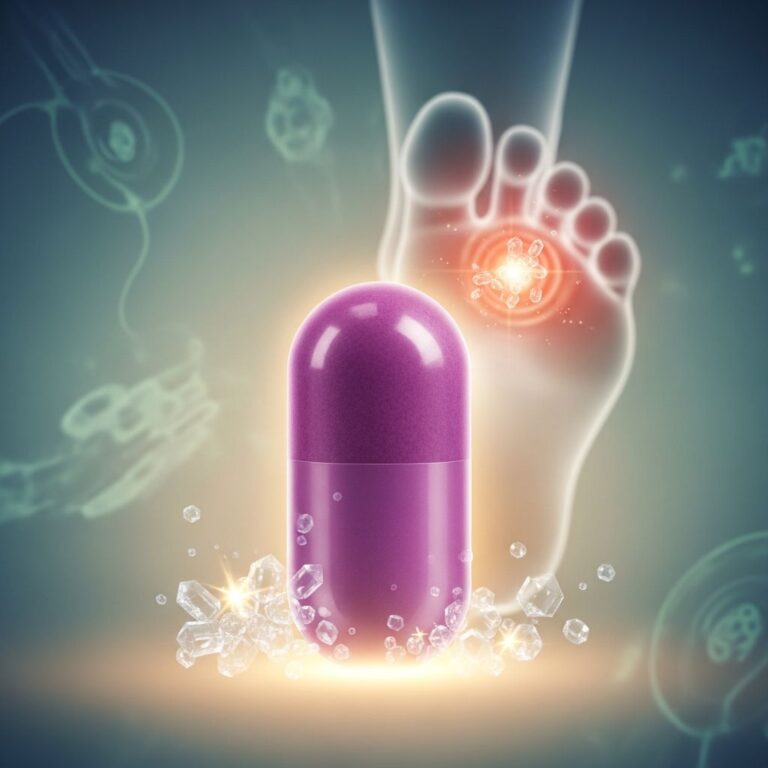
– Severe gout and gouty arthritis: uric acid deposits form in joints, causing painful inflammation and swelling, particularly in the feet and hands- Kidney and bladder stones: tiny crystalline stones develop in the urinary system and can block urine flow, causing severe pain and potential kidney damage- Megaloblastic and microcytic anemia: abnormal red blood cell production- Sandy or cloudy urine: visible uric acid crystals in urine- Renal failure: in severe cases, the kidneys may stop functioning properly
Diagnosis of Lesch-Nyhan Syndrome
Diagnosing Lesch-Nyhan syndrome requires a combination of clinical observation and laboratory testing. Healthcare providers typically follow a diagnostic approach that includes:
Clinical Examination
Medical history and thorough physical examination form the foundation of diagnosis. Healthcare providers look for characteristic signs including neurological abnormalities, developmental delays, self-injurious behaviors, movement disorders, and the presence of uric acid crystals in the urine. The combination of early developmental delay, progressive neurological symptoms, and distinctive self-injury behavior in a young male child raises strong suspicion for Lesch-Nyhan syndrome.
Laboratory and Genetic Testing
The definitive confirmation of Lesch-Nyhan syndrome comes through genetic testing that identifies mutations in the HPRT1 gene. Additionally, enzyme activity testing can measure HPRT enzyme levels in blood or other tissue cells. A diagnosis is confirmed when HPRT enzyme activity is less than 1.5 percent of normal levels. Other laboratory findings may include elevated uric acid levels in the blood and urine, presence of uric acid crystals in urine samples, and various blood count abnormalities.
Treatment Options for Lesch-Nyhan Syndrome
Currently, there is no cure for Lesch-Nyhan syndrome. Treatment focuses on managing symptoms, preventing complications, and maintaining the best possible quality of life for affected children and their families. A comprehensive care team approach is essential for optimal outcomes.
Uric Acid Management
Reducing uric acid levels is a primary treatment goal. Healthcare providers typically prescribe:
– Allopurinol: a medication that decreases uric acid production in the body- Febuxostat: an alternative xanthine oxidase inhibitor for uric acid reduction- Adequate hydration: maintaining proper fluid intake helps dilute urine and prevent crystal formation
Behavioral and Neurological Management
Managing the neurological and behavioral symptoms requires specialized approaches:
– Medications for movement disorders and muscle control- Protective equipment to prevent self-injury- Behavioral therapy and structured environments- Medications to address anxiety and aggressive behaviors when appropriate
Supportive Care and Rehabilitation
A comprehensive care team should include rehabilitation specialists, physical therapists, occupational therapists, speech-language pathologists, nutritionists, and mental health professionals. These specialists work together to maximize functional abilities, prevent complications, and address the complex needs of children with Lesch-Nyhan syndrome.
Prognosis and Life Expectancy
The outlook for individuals with Lesch-Nyhan syndrome is generally poor. Most children with this condition cannot walk and require a wheelchair for mobility. The typical lifespan for individuals with Lesch-Nyhan syndrome is quite limited, with most individuals rarely living beyond 20 years due to various disease complications. Some complications that may contribute to earlier mortality include kidney failure, infections, choking or aspiration related to swallowing difficulties, and sudden unexpected death in some cases. However, with early detection and comprehensive treatment approaches, healthcare providers can help improve quality of life and maximize comfort and functional abilities throughout childhood.
Living With Lesch-Nyhan Syndrome
Families caring for children with Lesch-Nyhan syndrome face significant emotional, physical, and financial challenges. The condition requires ongoing specialized medical care, therapy, and support services. Many parents experience feelings of being overwhelmed after receiving a diagnosis. However, connecting with support groups, working with experienced healthcare providers, and accessing evidence-based therapies can make a meaningful difference in managing the condition and improving the child’s quality of life. Effective treatment plans are individualized to address each child’s specific needs and should be developed in partnership with a care team experienced in managing rare genetic disorders.
Frequently Asked Questions
Q: Is Lesch-Nyhan syndrome curable?
A: No, there is currently no cure for Lesch-Nyhan syndrome. However, early detection and comprehensive management can help reduce symptoms and improve quality of life.
Q: Can females develop Lesch-Nyhan syndrome?
A: Lesch-Nyhan syndrome occurs almost exclusively in males because it is an X-linked recessive disorder. Females very rarely develop the condition due to having two X chromosomes.
Q: What causes the self-injurious behavior in Lesch-Nyhan syndrome?
A: The exact mechanism is not fully understood, but the compulsive self-injury appears to be related to abnormalities in brain chemistry and the neurological effects of the HPRT enzyme deficiency.
Q: Can medication reduce the symptoms of Lesch-Nyhan syndrome?
A: Medications can help manage some symptoms, particularly by reducing uric acid levels and controlling some movement and behavioral issues, but they cannot cure the underlying genetic disorder.
Q: How is Lesch-Nyhan syndrome inherited?
A: Lesch-Nyhan syndrome is inherited in an X-linked recessive pattern. Affected males have the mutation on their single X chromosome, while carrier females have one normal and one mutated X chromosome.
Q: What is the role of the HPRT enzyme?
A: HPRT (hypoxanthine-guanine phosphoribosyl transferase) is an enzyme that helps recycle genetic materials and regulate uric acid production. Its deficiency leads to excessive uric acid accumulation.
References
- Lesch-Nyhan Syndrome — Cleveland Clinic. 2024. https://my.clevelandclinic.org/health/diseases/23493-lesch-nyhan-syndrome
- Lesch-Nyhan Syndrome — National Center for Biotechnology Information (NCBI) MedlinePlus. 2024. https://medlineplus.gov/genetics/condition/lesch-nyhan-syndrome/
- Lesch-Nyhan Syndrome — Rare Diseases Information Center (GARD), National Institutes of Health. 2024. https://rarediseases.info.nih.gov/diseases/7226/lesch-nyhan-syndrome
- Lesch Nyhan Syndrome – Symptoms, Causes, Treatment — National Organization for Rare Disorders (NORD). 2024. https://rarediseases.org/rare-diseases/lesch-nyhan-syndrome/
- Lesch-Nyhan Syndrome — Physiopedia. 2024. https://www.physio-pedia.com/Lesch-Nyhan_Syndrome
- DI 23022.220 – Lesch-Nyhan Syndrome (LNS) — U.S. Social Security Administration. 2024. https://secure.ssa.gov/apps10/poms.nsf/lnx/0423022220
Similar Articles








Read full bio of medha deb