Less Butter, More Plant Oils: A Path to Longer Life
Discover how swapping butter for plant-based oils can significantly reduce mortality risk and improve longevity.
Decades of nutritional research have pointed to the importance of dietary choices in determining our lifespan and quality of life. A landmark study published in JAMA Internal Medicine has now provided compelling evidence that making a simple swap in your kitchen—replacing butter with plant-based oils—could add years to your life. The research, which tracked over 220,000 people for up to 33 years, demonstrates that this dietary substitution is not just beneficial but transformative for long-term health outcomes.
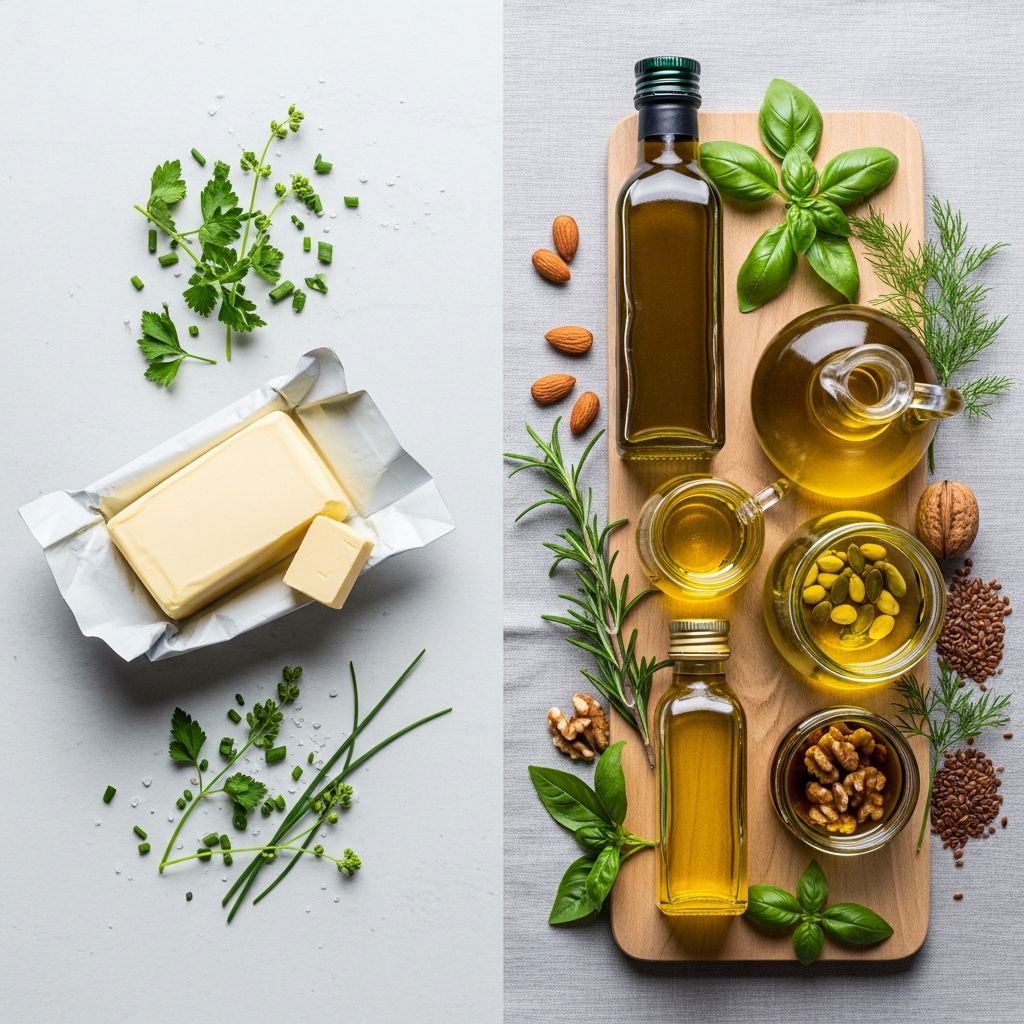
The implications are striking: replacing just 10 grams of butter daily with an equivalent amount of plant-based oils could reduce overall mortality by 17% and cancer mortality by the same percentage. These findings challenge long-held assumptions about dietary fats and provide clear, actionable guidance for anyone seeking to improve their health and extend their lifespan.
Understanding the Research: A Massive Long-Term Study
The study examined dietary data and health outcomes from 221,054 adults across three major cohorts: the Nurses’ Health Study, the Nurses’ Health Study II, and the Health Professionals Follow-up Study. Participants were tracked for up to 33 years, during which 50,932 deaths were documented, including 12,241 from cancer and 11,240 from cardiovascular disease.
What makes this research particularly robust is its scale and duration. Unlike shorter-term studies that might not capture the true effects of dietary patterns, this longitudinal approach allowed researchers to observe how consistent dietary choices influenced mortality rates over decades. Participants were categorized based on their butter and plant-based oil intake levels, with researchers then analyzing the associations between consumption patterns and mortality risk while accounting for other confounding variables.
The Butter Problem: Why Less Is Better
The research revealed a concerning relationship between butter consumption and mortality risk. Those who consumed the highest amounts of butter showed a 15% increased risk of total mortality compared to those who consumed the least. More specifically, higher butter intake was associated with increased cancer mortality, with participants in the highest consumption quartile facing a 12% elevated risk compared to the lowest group.
Butter, a saturated fat-rich food, has long been suspected of contributing to cardiovascular disease and other chronic conditions. The JAMA study provides clear evidence supporting these concerns. The mechanisms behind this association likely involve butter’s high saturated fat content, which can elevate LDL cholesterol levels, promote inflammation, and negatively affect endothelial function in blood vessels. These physiological changes create conditions favorable for disease development and premature mortality.
The Plant-Oil Advantage: A Protective Effect
In striking contrast to butter’s harmful associations, plant-based oils demonstrated protective effects across multiple health outcomes. Individuals consuming the highest amounts of plant-based oils showed a 16% lower risk of total mortality compared to those with the lowest intake. This protective effect extended to specific causes of death: every 10-gram daily increase in plant-based oil consumption was associated with an 11% lower risk of cancer mortality and a 6% lower risk of cardiovascular disease mortality.
The benefits were not uniform across all plant oils. The research identified three standout options with particularly strong associations with reduced mortality: olive oil, canola oil, and soybean oil. For every 5-gram daily increment of these oils, the reductions in total mortality were substantial, with hazard ratios demonstrating clear dose-response relationships.
Related Stories



Which Plant Oils Matter Most?
Not all plant-based oils produced equal benefits in the study. Three oils emerged as particularly protective:
Olive Oil: Associated with a 8% lower risk of total mortality per 5-gram daily increment, olive oil’s benefits align with decades of Mediterranean diet research showing its cardiovascular and longevity benefits.
Canola Oil: Demonstrated a 15% reduction in total mortality per 5-gram daily increment, making it one of the most protective options despite being less celebrated than olive oil.
Soybean Oil: Associated with a 6% lower risk of total mortality per 5-gram daily increment, soybean oil offers accessible benefits as a common cooking oil.
These oils share common characteristics that may explain their protective effects. They contain polyunsaturated and monounsaturated fats rather than saturated fats, along with beneficial compounds like polyphenols and vitamin E that possess anti-inflammatory and antioxidant properties.
The Substitution Strategy: Direct Swap for Maximum Benefits
Perhaps the most important finding involved a direct substitution analysis. When researchers modeled replacing 10 grams of butter daily with equivalent amounts of plant-based oils, the results were remarkable: a 17% reduction in total mortality and a 17% reduction in cancer mortality.
This substitution approach is particularly valuable because it’s practical and achievable. Ten grams of butter is less than a tablespoon—roughly the amount in a single pat of butter or spread on one or two slices of toast. Similarly, 10 grams of plant oil is a modest quantity that can be incorporated through salad dressings, cooking, or other everyday food preparation methods.
As study lead author Yu Zhang noted, the magnitude of this effect is striking. A 17% reduction in premature death from such a modest dietary change represents one of the most significant health benefits available through dietary modification. For context, many pharmaceutical interventions fail to achieve mortality reductions of this magnitude.
Understanding the Mechanisms: How Plant Oils Protect Health
The protective effects of plant-based oils operate through several biological mechanisms. First, these oils contain predominantly unsaturated fats that help maintain healthy cholesterol profiles. Unlike saturated fats in butter, which raise LDL cholesterol, the fatty acid composition of plant oils supports better cardiovascular function.
Second, plant-based oils contain numerous bioactive compounds with anti-inflammatory and antioxidant properties. Chronic inflammation and oxidative stress are underlying factors in cardiovascular disease, cancer, and numerous other conditions associated with premature mortality. By reducing these harmful processes, plant oils address root causes of disease rather than just treating symptoms.
Third, plant oils support healthy gut microbiota composition. Emerging research demonstrates that dietary choices influence our microbial communities, which in turn affect immune function, inflammation levels, and metabolic health. The shift from saturated fats to unsaturated fats with beneficial phytochemicals supports a healthier microbiome.
Practical Implementation: Making the Transition
For those looking to capitalize on these findings, the transition from butter to plant-based oils need not be drastic or unpleasant. Consider these practical strategies:
In Cooking: Replace butter with canola or soybean oil for sautéing vegetables, cooking proteins, and baking applications where neutral-flavored oils work well.
In Salad Dressings: Use olive oil as a base for vinaigrettes and dressings, which adds both health benefits and superior flavor.
For Spreads: Rather than butter on bread or vegetables, consider oils infused with herbs or simply drizzle quality olive oil.
In Baking: Many baked goods can be successfully made with plant-based oil substitutions, maintaining texture and moisture while improving nutritional profiles.
Gradual Transition: Rather than eliminating butter entirely, start by replacing half of your butter usage with plant oils, then gradually increase the proportion over weeks or months.
Comparison: Butter vs. Plant-Based Oils at a Glance
| Factor | Butter | Plant-Based Oils |
|---|---|---|
| Total Mortality Risk | 15% higher (highest vs. lowest intake) | 16% lower (highest vs. lowest intake) |
| Cancer Mortality | 12% higher | 11% lower per 10g/day increase |
| Cardiovascular Mortality | Associated with increased risk | 6% lower per 10g/day increase |
| Primary Fat Type | Saturated fats | Unsaturated fats |
| Anti-inflammatory Compounds | Minimal | Abundant (polyphenols, vitamin E) |
| Substitution Effect (10g swap) | Reference point | 17% reduction in total mortality |
Broader Dietary Context: Plant Oils as Part of Healthy Eating
While the butter-to-plant-oil substitution offers significant benefits, these findings work best as part of a broader commitment to healthy eating. The protective effects of plant-based oils are amplified when combined with abundant vegetables, fruits, whole grains, legumes, and lean proteins. Think of plant oils not as a standalone solution but as an essential component of a Mediterranean-style diet or similar plant-forward eating pattern.
The study participants who benefited most were likely those incorporating plant oils into an overall healthful dietary pattern rather than simply using plant oil while maintaining other unhealthy eating habits. The synergy between plant-based oils and other wholesome foods creates a powerful protective effect against premature death.
Special Considerations: Who Benefits Most?
The findings apply broadly across diverse populations represented in the study cohorts, which included healthcare professionals and nurses of various backgrounds followed over decades. However, the benefits may be particularly pronounced for:
Individuals with family history of cardiovascular disease or cancer: These individuals often have baseline risk factors that make dietary interventions particularly impactful.
Middle-aged and older adults: The study participants ranged in age, but the cumulative effect of decades of dietary patterns means that switching to plant oils later in life can still yield substantial mortality benefits.
Those currently consuming high amounts of butter: The greater the reduction in butter intake, the more pronounced the potential benefits.
Frequently Asked Questions
Q: Is this study saying I should never eat butter?
A: No. The study demonstrates associations with high consumption levels. The key finding is that replacing butter with plant-based oils offers significant benefits. Occasional butter consumption as part of an overall healthful diet is reasonable for most people. The focus should be on shifting the balance toward plant oils.
Q: Are all plant-based oils equally protective?
A: The study identified olive, canola, and soybean oils as particularly beneficial. However, other plant oils like sunflower and safflower oils would likely offer similar advantages compared to butter. Avoid highly processed oils with trans fats or excessive omega-6 content relative to omega-3.
Q: How quickly will I see health benefits from this change?
A: Some benefits, such as improved cholesterol profiles, can appear within weeks to months. However, the mortality benefits demonstrated in the study represent long-term cumulative effects. Start the transition now to benefit over time.
Q: Can I cook at high temperatures with plant oils?
A: Yes, but choose appropriate oils for the temperature. Canola and soybean oils work well for high-heat cooking. Olive oil is better for medium heat or finishing dishes. Checking smoke points ensures safety and maintains nutritional benefits.
Q: What if I have dietary restrictions that make this substitution difficult?
A: Even partial substitution offers benefits. If complete replacement isn’t possible, reducing butter intake by even 25-50% and replacing it with plant oils will still provide meaningful health advantages.
References
- Butter and Plant-Based Oils Intake and Mortality — Zhang Y, Chadaideh KS, Li Y, et al. JAMA Internal Medicine. 2025-05-06. https://doi.org/10.1001/jamainternmed.2025.0205
- Large Study of Dietary Habits Suggests More Plant Oils, Less Butter Lead to Better Health — Mass General Brigham Newsroom. 2025-04-28. https://www.massgeneralbrigham.org/en/about/newsroom/press-releases/dietary-habits-study-suggests-more-plant-oils-less-butter-lead-to-better-health
- Butter and Plant-Based Oils Intake and Mortality — PubMed Central, National Library of Medicine. 2025. https://pubmed.ncbi.nlm.nih.gov/40048719/
Similar Articles








Read full bio of medha deb