Lettuce Allergy: Key Insights On Causes, Symptoms, Management
Lettuce occasionally triggers allergic contact dermatitis, especially in food handlers, with potential for cross-reactions and severe reactions.
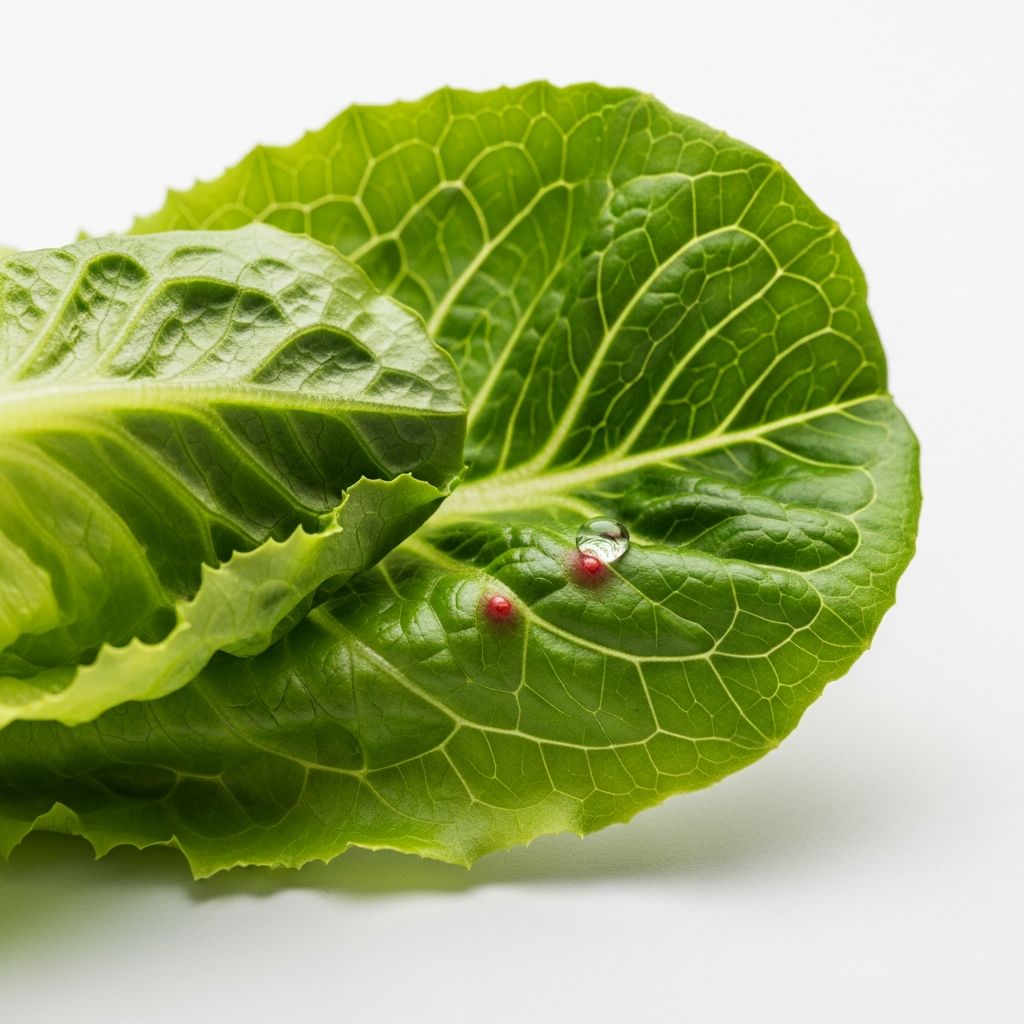
Lettuce (Lactuca sativa) is an occasional cause of
allergic contact dermatitis
, particularly affecting food handlers, chefs, and market gardeners. It primarily manifests as hand dermatitis that can spread to the forearms, with rare cases of immediate hypersensitivity including urticaria and anaphylaxis.What is lettuce?
Lettuce belongs to the
Asteraceae (Compositae)
family and is scientifically known as Lactuca sativa, deriving its name from the milky sap (latex) present in all parts of the plant. Originating from the wild Lactuca serriola in the Mediterranean and Near East (Persia), it has been cultivated for millennia. Paintings resembling Cos lettuce appear in Egyptian tombs from 4500 BC, with confirmed records from Greek histories in 450 BC and Roman cultivation by the first century AD.All cultivars—such as Cos (Romaine), Leaf, Butterhead, and Iceberg—are variants of Lactuca sativa. Through selective breeding, lettuce evolved from bitter, erect wild plants to the crisp, head-forming varieties common today, grown worldwide primarily for salads.
| Common Name | Botanical Name |
|---|---|
| Lettuce | Lactuca sativa (milk sap) |
| Family | Asteraceae (Compositae) |
| Origin | Wild Lactuca serriola, Mediterranean/Near East |
Uses of lettuce
Lettuce is a staple in salads due to its mild flavor and crisp texture. Numerous cultivars have been developed for diverse climates and preferences, making it one of the most consumed vegetables globally. Beyond salads, it features in sandwiches, wraps, and garnishes. While nutritious—providing vitamins A, C, K, folate, and hydration—its allergenic potential is underrecognized, especially occupationally.
Allergens in lettuce
The primary allergens are
lactucin
andlactucopicrin
, sesquiterpene lactones common in the Compositae family. These compounds in the latex cause type IV hypersensitivity reactions leading to allergic contact dermatitis. The milky sap, released upon cutting or handling, is the main culprit, irritating skin directly or via allergic mechanisms.Research into lettuce extracts highlights polyphenols and other compounds, but for allergies, sesquiterpenes dominate. These are concentrated in leaves and stems, explaining higher risk during handling.
Lettuce allergy
**Allergic contact dermatitis** from lettuce typically affects the hands of those frequently exposed: food handlers, chefs, market gardeners, and packers. Symptoms include red, itchy, eczematous rash on palms, fingers, and backs of hands, often spreading proximally to forearms. Chronic exposure leads to lichenified, hyperkeratotic hand dermatitis.
Rarely,
immediate (type I) hypersensitivity
occurs, presenting as urticaria, angioedema, or anaphylaxis after ingestion or contact. Cases report systemic reactions like throat swelling and hypotension. Occupational rhinitis and conjunctivitis also arise from airborne latex particles.In systemic contact dermatitis, ingested lettuce exacerbates pre-existing contact allergy, worsening hand eczema. Children and consumers rarely react unless sensitized occupationally.
Clinical features
- Acute contact dermatitis: Erythema, vesicles, weeping on hands.
- Chronic: Scaling, fissuring, thickening (lichen simplex).
- Immediate: Hives, swelling, anaphylaxis (rare).
- Distribution: Hands > forearms; perioral if facial contact.
Cross reactions
Lettuce allergy often cross-reacts with other
Compositae
family members due to shared sesquiterpene lactones. Common triggers include:- Chicory (Cichorium intybus) and endive: Frequent co-reactions; avoid entirely.
- Other Compositae: Ragweed, chamomile, artichoke, sunflower—may provoke via pollen or contact.
- Vegetables: In systemic dermatitis, endive, chamomile tea exacerbate.
Patch testing confirms cross-reactivity patterns. Avoidance extends to related foods/plants.
Related Stories



Differential diagnosis
Hand dermatitis mimics include irritant contact dermatitis (from wet work, detergents), chrome allergy (high in lettuce but distinct), fungal infections, or psoriasis. Immediate reactions differential: food allergy to other proteins, oral allergy syndrome.
| Condition | Key Features | Differentiator |
|---|---|---|
| Irritant dermatitis | Non-immunologic, burns/stings | No patch test reaction |
| Chrome allergy | Cement, leather; high-Cr foods like lettuce | Positive to potassium dichromate |
| Compositae mix allergy | Mulitple plants | Sesquiterpene lactone mix positive |
Patch testing for lettuce allergy
Diagnosis relies on clinical history and
patch testing
. Use fresh lettuce leaf “as is” applied to back; alsosesquiterpene lactone mix
(0.1% petrolatum) from baseline series. Positive reactions (D2-D4): erythema, vesicles confirm allergy.For immediate hypersensitivity, prick testing or serum IgE to lettuce. In occupational cases, test workplace samples. Persistent positivity years post-exposure common.
Management of lettuce allergy
Avoidance is cornerstone:
- Wear gloves (nitrile/vinyl; avoid latex if sensitized).
- Use barrier creams pre-handling.
- Avoid cross-reactors: chicory, endive, Compositae.
- Chefs/gardeners: delegate handling or use processed lettuce.
Topical treatments: Potent corticosteroids (e.g., clobetasol) for acute flares; emollients for chronic. Calcineurin inhibitors (tacrolimus) for perioral/hands.
Systemic: Oral prednisone for severe/spreading dermatitis; antihistamines for urticaria. Phototherapy (PUVA/NB-UVB) for refractory chronic cases.
For anaphylaxis: Epinephrine auto-injector, allergist referral. Occupational change if severe.
Prevention
High-risk workers: Education on risks, PPE (gloves, goggles), frequent handwashing post-gloves. Early patch testing for suspicious dermatitis. Monitor for cross-reactors in diet.
Historical context
Lettuce’s 6000-year history underscores its dietary dominance, yet allergy recognition grew recently with occupational dermatology focus. Ancient uses contrast modern sensitization risks.
Frequently Asked Questions
Who is at risk for lettuce allergy?
Primarily food handlers, chefs, gardeners with repeated sap exposure. Consumers rarely affected unless cross-sensitized.
Can lettuce cause anaphylaxis?
Yes, rare type I reactions post-ingestion/contact reported, life-threatening.
How to test for lettuce allergy?
Patch test with fresh leaf and sesquiterpene lactone mix.
What foods to avoid with lettuce allergy?
Chicory, endive, other Compositae like artichoke, chamomile.
Does lettuce allergy resolve?
Often persists; 2/3 remain positive years later, like chromate allergy.
References
- Lettuce – DermNet — DermNet NZ, Hon A/Prof Marius Rademaker. 2002 (updated). https://dermnetnz.org/topics/lettuce
- Systemic contact dermatitis – DermNet — DermNet NZ. https://dermnetnz.org/topics/systemic-contact-dermatitis
- Chrome contact allergy – DermNet — DermNet NZ. https://dermnetnz.org/topics/chrome-allergy
Similar Articles








Read full bio of Sneha Tete