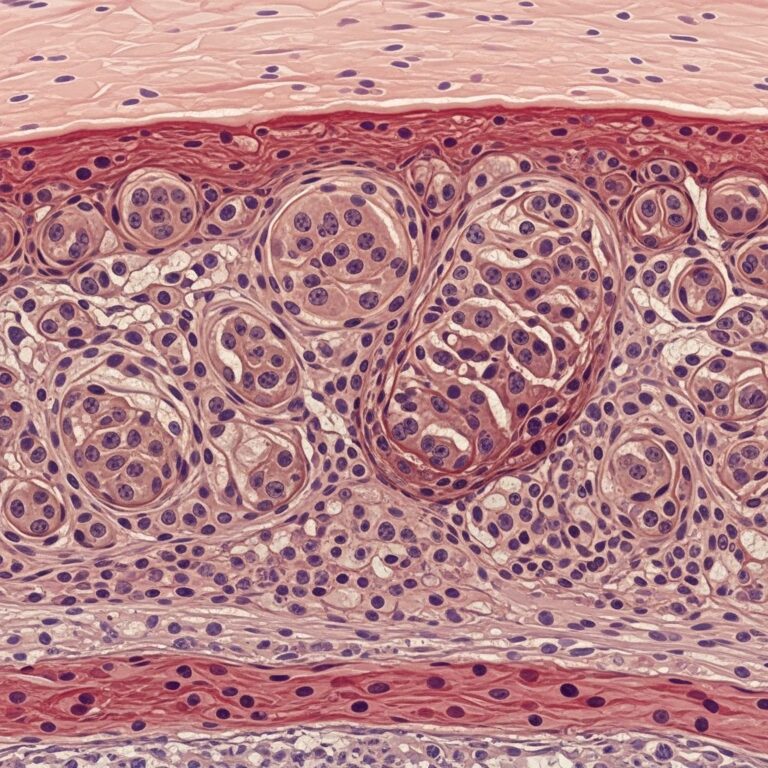
Leukemia Rash: Symptoms, Types, and Treatment Options
Understanding leukemia rashes: recognition, causes, and comprehensive treatment approaches.
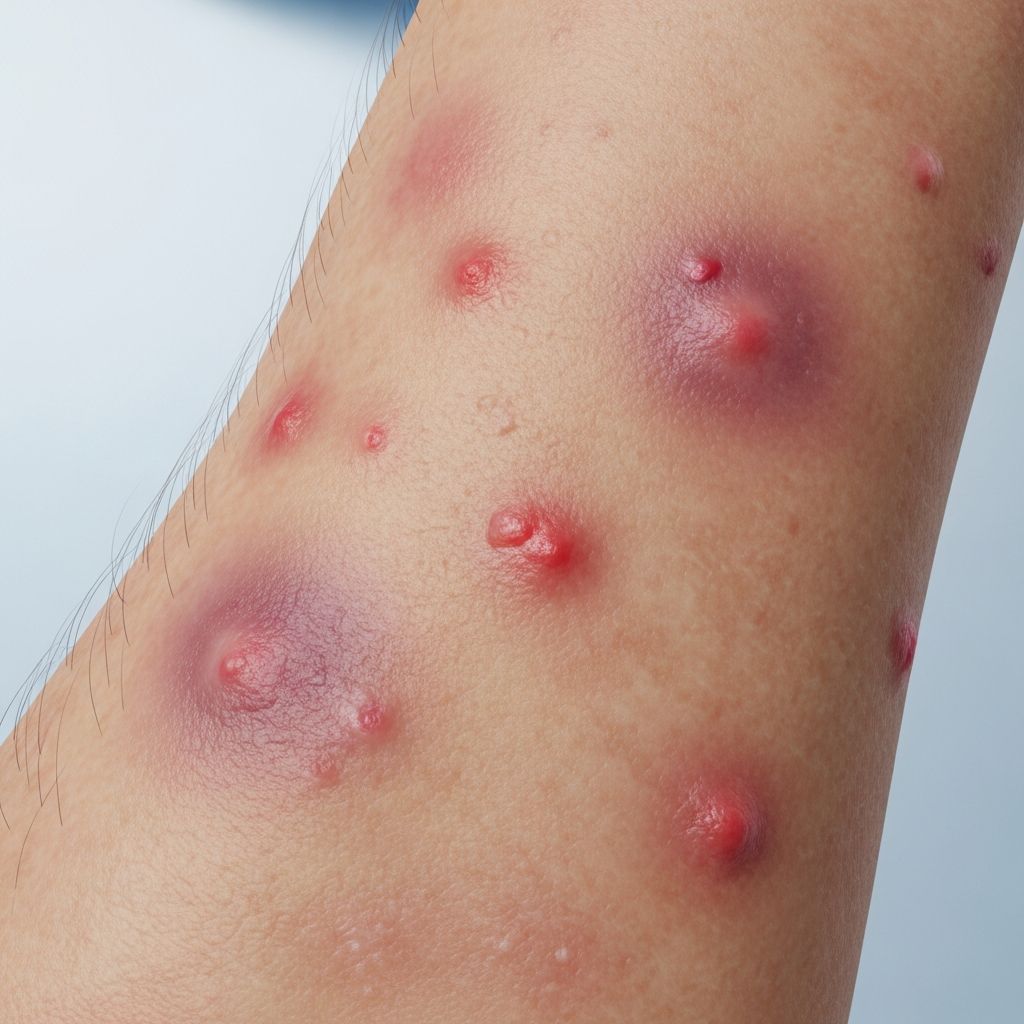
Understanding Leukemia Rash: A Comprehensive Guide
A leukemia rash represents one of the most visible symptoms of leukemia, a blood cancer characterized by abnormal white blood cell production. Skin manifestations can be among the first signs that prompt individuals to seek medical evaluation, making it essential to understand what these rashes look like and when they warrant medical attention. Leukemia affects the body’s blood-producing cells, and these changes can manifest visibly on the skin in several distinct ways.
The presence of a rash or unusual skin changes should never be ignored, particularly when accompanied by other symptoms such as fatigue, unexplained bruising, or frequent infections. While not all skin rashes indicate leukemia—many common conditions can cause similar appearances—recognizing potential warning signs allows for early diagnosis and prompt treatment.
What Is a Leukemia Rash?
A leukemia rash encompasses various skin manifestations that result from the disease’s effects on blood production and cell infiltration. Unlike typical rashes caused by infection or allergic reactions, leukemia-related skin changes stem from abnormal blood cell activity and reduced platelet counts. The rash may appear suddenly or develop gradually over time, and its characteristics vary depending on the underlying cause.
Leukemia rashes are typically non-blanching, meaning they do not fade when pressure is applied to the skin. This characteristic distinguishes them from many other common rashes and serves as an important diagnostic indicator. The appearance, location, and progression of these rashes provide valuable information about the disease’s severity and treatment response.
Common Types of Leukemia Rashes
Petechiae
Petechiae represents one of the most common leukemia-related skin manifestations. These appear as tiny red, brown, or purple spots caused by bleeding from small blood vessels called capillaries beneath the skin. The spots typically measure pinhead-sized or smaller and cluster together to create a rash-like appearance. In healthy individuals, platelets prevent excessive bleeding by facilitating blood clotting; however, leukemia reduces platelet counts, allowing blood to escape from capillaries and settle at the skin’s surface.
Petechiae commonly appears on the arms and legs but may also develop on the buttocks, inside the mouth, or the eyelids. Although petechiae looks like a typical rash of small red spots, it actually represents a cluster of tiny bruises. The non-blanching nature of petechiae—remaining visible even when pressed—distinguishes it from other rash types and helps clinicians identify potential leukemia.
Purpura
Purpura consists of larger purple or dark patches on the skin, typically resulting from bleeding into deeper skin layers. These patches are larger than petechiae and may vary in color, appearing red, purple, brown, or even bluish depending on the depth of bleeding and the individual’s skin tone. Like petechiae, purpura does not fade when pressure is applied, confirming its non-blanching characteristic.
Purpura may develop suddenly and can spread across larger body areas. These patches may feel tender or painful, particularly if they involve deeper tissue layers. The presence of both petechiae and purpura together often signals significant platelet dysfunction and warrants immediate medical evaluation.
Related Stories



Leukemia Cutis
Leukemia cutis represents a more specific skin manifestation where leukemia cells directly infiltrate the skin, creating visible nodules or bumps. This condition manifests as papules (small raised bumps), nodules that feel firm or rubbery, or plaques on the skin. Unlike petechiae and purpura, leukemia cutis results from direct leukemia cell invasion rather than bleeding from blood vessels.
The lesions in leukemia cutis may appear in various colors—red, brown, yellow, blue, gray, or purple—depending on the depth and nature of the infiltration. On darker skin tones, these lesions can be more challenging to visualize. Deeper lesions may not produce any skin color changes despite their presence. In some cases, leukemia cutis may progress to erythroderma, a widespread skin inflammation that can become life-threatening if untreated.
Acute Myeloid Leukemia (AML) Rash
Acute Myeloid Leukemia can produce characteristic rashes resulting from AML cells invading the skin. These rashes typically appear as discolored patches or bumps that may be raised or tender to the touch. The appearance differs from other leukemia types due to the specific characteristics of myeloid cells and their tendency to infiltrate skin tissues.
Other Skin Manifestations of Leukemia
Easy Bruising
Beyond petechiae and purpura, leukemia patients frequently experience easy bruising from minor trauma that would not typically cause visible bruising in healthy individuals. Low platelet counts and impaired clotting function make the skin fragile and prone to bruising from everyday activities. These bruises may appear in unusual locations or develop without any recalled injury.
Mouth Sores and Oral Issues
Leukemia can affect oral tissues, causing swollen gums, bleeding gums, mouth ulcers, and petechiae inside the mouth. Patients may also experience frequent oral infections and reduced jaw mobility. These oral manifestations can significantly impact eating, drinking, and overall quality of life. Proper oral hygiene and professional dental care become increasingly important for leukemia patients.
Increased Skin Infections
Leukemia compromises immune function, making patients more susceptible to bacterial, viral, and fungal skin infections. These secondary infections can complicate the clinical picture and require specific antimicrobial treatment. Skin integrity issues from petechiae, purpura, and other manifestations provide additional entry points for pathogens.
Mastocytosis
In some leukemia cases, mastocytosis may develop—a condition where mast cells trigger release of compounds that stimulate blood vessels. Symptoms can resemble allergic reactions and may include flushing, itching, rashes, and swelling under the skin (angioedema). In severe cases, anaphylaxis may occur, representing a life-threatening emergency requiring immediate medical intervention. Epinephrine administration may be necessary for anaphylactic reactions.
Where Do Leukemia Rashes Appear?
Leukemia rashes commonly develop on specific body areas, though they can appear anywhere on the body. The chest, abdomen, legs, and arms represent the most frequent initial sites for rash development. However, rashes may spread to other areas as the condition progresses. Understanding typical locations helps individuals and caregivers monitor for developing symptoms.
On darker skin tones, leukemia rashes may be more difficult to detect visually. Healthcare providers should examine lighter areas such as the hands, feet, palms, and soles more carefully, as rashes often appear more distinctly in these regions regardless of skin tone.
Do Leukemia Rashes Itch?
Leukemia rashes may or may not cause itching, depending on the rash type and individual factors. Some patients experience significant itching, while others report minimal to no itching sensations. When itching occurs, it typically results from inflammation, skin dryness, or irritation rather than the rash itself.
While itching itself does not directly cause bruising, intense scratching can damage the skin and rupture capillaries beneath the surface, leading to bruising. This risk increases significantly when skin is already fragile or sensitive due to the underlying leukemia or associated treatments. Gentle skin care and avoiding excessive scratching help prevent secondary complications.
Do Leukemia Rashes Come and Go?
Leukemia-related rashes may come and go intermittently or persist continuously, depending on disease progression and treatment response. Some patients experience temporary rash flare-ups that resolve partially before reappearing. Others develop persistent rashes that gradually improve as leukemia treatment becomes effective.
Several factors influence rash behavior, including disease progression rate, chosen treatment approach, and individual response to therapy. Successful cancer treatment often results in gradual disappearance of leukemia cutis and related skin manifestations. However, rashes may recur if leukemia relapses or becomes refractory to initial treatment.
Distinguishing Leukemia Rashes from Other Conditions
While petechiae and purpura can serve as early leukemia warning signs, these manifestations are not exclusively associated with blood cancer. Numerous other conditions can produce similar-appearing rashes, including strep throat, scarlet fever, scurvy, and sepsis. Certain medications such as blood thinners, sedatives, and antidepressants may also cause petechiae as side effects.
Non-blanching red or purple spots can also develop from strained blood vessels that tear during coughing, vomiting, or strenuous activity like weightlifting. This mechanical cause differs fundamentally from leukemia-related bleeding due to platelet dysfunction. A qualified healthcare professional must evaluate any new or persistent rash to determine the underlying cause and appropriate management.
Treatment Options for Leukemia Rashes
Primary Cancer Treatment
The most effective approach to managing leukemia rashes involves treating the underlying cancer. As leukemia treatment succeeds in reducing abnormal cell counts and restoring normal blood production, associated skin manifestations typically improve or resolve completely. Chemotherapy, targeted therapy, and other cancer treatments address the root cause of rash development.
Topical Treatments
Topical steroids and lidocaine mixtures can help relieve symptoms of leukemia cutis and associated discomfort. These medications reduce inflammation, itching, and pain without requiring systemic administration. Healthcare providers may recommend specific topical agents based on rash characteristics and patient skin sensitivity.
Antimicrobial Therapies
Antimicrobial medications including antibiotics and antivirals help prevent secondary skin infections, which represent a common complication in leukemia patients. These medications address both bacterial and viral pathogens that may exploit compromised immune function and damaged skin integrity.
Antihistamines for Mastocytosis
When mastocytosis accompanies leukemia, antihistamines and other medications help manage allergic-type symptoms. While no specific treatment targets mastocytosis itself, symptom management improves quality of life. In cases of anaphylaxis, epinephrine administration represents essential emergency treatment.
Supportive Care Measures
Supportive care strategies complement medical treatments. Gentle skin care, avoiding irritants, protecting skin from trauma, and maintaining proper hydration support healing. Patients should avoid excessive scratching and use soft clothing that minimizes skin irritation.
Frequently Asked Questions About Leukemia Rashes
Q: Is a rash always a symptom of leukemia?
A: No. While petechiae and purpura can indicate leukemia, many other conditions produce similar rashes. Medical evaluation is necessary to determine the cause. However, if you develop new or unusual skin symptoms, particularly with other concerning signs like fatigue or unexplained bruising, contact your healthcare provider promptly.
Q: When should I see a doctor about a suspicious rash?
A: Seek medical attention if you notice easy or excessive bruising, purple patches that don’t fade when pressed, frequent mouth sores, recurrent skin infections, or other concerning skin changes—especially when accompanied by fatigue, fever, or lymph node enlargement.
Q: Can leukemia rashes be contagious?
A: No. Leukemia rashes result from internal blood cell changes and are not contagious. However, secondary skin infections that develop in leukemia patients may require isolation precautions depending on the pathogen involved.
Q: Do all leukemia patients develop rashes?
A: No. While skin manifestations are common in leukemia, not all patients experience rashes. The presence and type of rash depend on disease type, stage, and individual factors. Some patients may have leukemia without any visible skin changes.
Q: Can leukemia rashes disappear on their own?
A: Leukemia-related rashes typically improve with successful cancer treatment but do not resolve on their own without addressing the underlying leukemia. If you have a diagnosed leukemia rash, follow your treatment plan closely and report any changes to your healthcare team.
Q: Are leukemia rashes painful?
A: Some leukemia rashes cause pain or tenderness, particularly leukemia cutis nodules. Others, like petechiae, may be asymptomatic. Individual experiences vary. If rash-related pain develops, inform your treatment team for appropriate management options.
Q: Can treatment for leukemia cause rashes?
A: Yes. Chemotherapy and other leukemia treatments can produce rashes as side effects. These treatment-related rashes may differ in appearance and cause from those directly caused by leukemia cells. Always report new skin changes to your oncology team during treatment.
When to Seek Medical Attention
Contact a healthcare provider if you notice any of the following:
- Easy or excessive bruising without apparent injury
- Red or purple spots on the skin that don’t fade when pressed
- Frequent or persistent mouth sores and oral problems
- New or unusual rashes that don’t improve with standard treatment
- Rashes accompanied by fever, fatigue, or lymph node enlargement
- Signs of skin infection such as increasing warmth, drainage, or spreading redness
- Severe itching or pain related to skin manifestations
If you have a leukemia diagnosis and develop concerning new skin symptoms, contact your oncology treatment team rather than waiting for a regular appointment. Prompt evaluation ensures appropriate management and helps prevent complications.
Key Takeaways
Leukemia rashes represent important clinical manifestations that can indicate serious underlying disease. Petechiae, purpura, leukemia cutis, and other skin changes serve as potential early warning signs prompting medical evaluation. While these rashes are not exclusively indicative of leukemia, their presence warrants professional assessment to determine the underlying cause.
Understanding rash characteristics—including appearance, location, behavior, and associated symptoms—helps patients and caregivers recognize concerning changes and seek timely medical care. With appropriate leukemia treatment, most rash-related symptoms improve or resolve completely. Supportive care measures and symptom management enhance quality of life during treatment. Always maintain open communication with your healthcare team regarding any new or changing skin manifestations.
References
- Leukemia Signs & Symptoms — Moffitt Cancer Center. Accessed January 2026. https://www.moffitt.org/cancers/leukemia/signs-symptoms/
- Leukemia Rash: Pictures, Symptoms, and More — Medical News Today. Accessed January 2026. https://www.medicalnewstoday.com/articles/323090
- Leukemia Cutis: Photos, Prevalence, and Treatment — MyLeukemiaTeam. Accessed January 2026. https://www.myleukemiateam.com/resources/leukemia-cutis-an-overview
- Red Spots on the Skin, a Sign of Leukemia? — HealthTree. Accessed January 2026. https://healthtree.org/cll/community/articles/skin-lesions-in-leukemia
- Leukemia Rash and Bruises: What to Know — Cancer Center. Accessed January 2026. https://www.cancercenter.com/community/blog/2024/11/leukemia-rash
- Leukemia: Symptoms, Signs, Causes, Types & Treatment — Cleveland Clinic. Accessed January 2026. https://my.clevelandclinic.org/health/diseases/4365-leukemia
Similar Articles








Read full bio of Sneha Tete