Leukemia: Symptoms, Signs, Causes, Types & Treatment
Comprehensive guide to understanding leukemia: types, symptoms, diagnosis, and treatment options.
Understanding Leukemia: A Comprehensive Guide
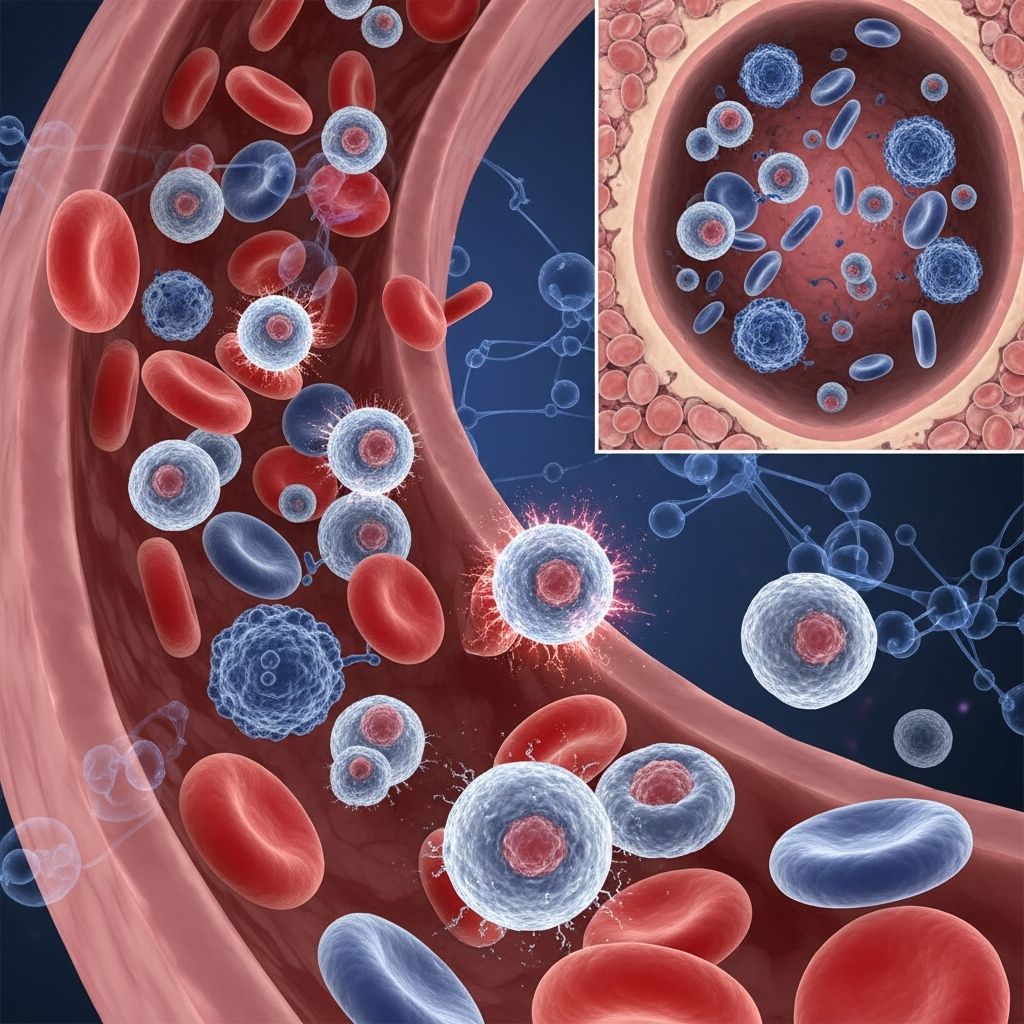
Leukemia is a serious form of cancer that affects the blood and bone marrow. It is characterized by the rapid, uncontrolled growth of abnormal blood cells. Unlike solid tumors that form masses in specific organs, leukemia develops within the bone marrow—the soft tissue inside bones that produces blood cells. This uncontrolled proliferation of abnormal cells interferes with the production of healthy blood cells, leading to various complications and symptoms. Understanding leukemia, its types, symptoms, and treatment options is crucial for patients and families facing this diagnosis.
What is Leukemia?
Leukemia originates in the bone marrow, where blood cells are produced. In healthy individuals, the bone marrow produces different types of blood cells in a controlled manner: red blood cells (which carry oxygen), white blood cells (which fight infections), and platelets (which help with blood clotting). However, in leukemia, this process goes awry. The bone marrow begins producing abnormal white blood cells (also called leukemic cells or blasts) at an accelerated rate. These abnormal cells multiply rapidly and crowd out healthy blood cells, preventing the bone marrow from functioning properly.
The abnormal cells can spread to other parts of the body, including the lymph nodes, spleen, liver, and central nervous system. This progressive infiltration of cancer cells disrupts normal bodily functions and leads to the various symptoms and complications associated with leukemia.
Types of Leukemia
Leukemia is classified into several types based on the speed of progression and the type of blood cell affected. Understanding these classifications helps determine treatment approaches and prognosis.
Acute vs. Chronic Leukemia
The primary distinction in leukemia classification is between acute and chronic forms:
Acute Leukemia: Acute leukemias develop rapidly and progress quickly. The abnormal cells multiply at an accelerated rate, and symptoms often appear suddenly. Acute leukemias require immediate treatment to prevent serious complications. The most common acute leukemias include acute myeloid leukemia (AML) and acute lymphocytic leukemia (ALL).
Chronic Leukemia: Chronic leukemias develop slowly over time. Patients may have few or no symptoms initially, and the disease can progress gradually over months or years. Chronic lymphocytic leukemia (CLL) and chronic myeloid leukemia (CML) are the most common chronic forms. Some patients with chronic leukemia may not require immediate treatment and can be monitored through watchful waiting.
Major Leukemia Types
Leukemias are further classified based on the type of white blood cell involved:
| Leukemia Type | Characteristics | Progression |
|---|---|---|
| Acute Myeloid Leukemia (AML) | Develops from myeloid cells; most common acute leukemia in adults | Rapid; requires immediate treatment |
| Acute Lymphocytic Leukemia (ALL) | Develops from lymphoid cells; common in children | Rapid; requires immediate treatment |
| Chronic Lymphocytic Leukemia (CLL) | Most common leukemia in adults; develops from lymphoid cells | Slow; may not require immediate treatment |
| Chronic Myeloid Leukemia (CML) | Develops from myeloid cells; often associated with specific genetic change | Slow initially; can accelerate over time |
Causes and Risk Factors
The exact cause of leukemia remains unclear in most cases. However, researchers have identified several risk factors that may increase the likelihood of developing the disease.
Related Stories



Genetic Factors: Certain inherited genetic conditions increase leukemia risk. People with Down syndrome, for example, have a higher risk of developing leukemia, particularly ALL.
Previous Cancer Treatment: Chemotherapy and radiation therapy used to treat other cancers can increase the risk of developing leukemia as a secondary malignancy years later.
Smoking: Tobacco use is a known risk factor for AML, particularly in adults.
Chemical Exposure: Long-term exposure to certain chemicals like benzene in occupational settings may increase leukemia risk.
Family History: Having a family member with leukemia slightly increases the risk, suggesting a genetic predisposition.
Bone Marrow Disorders: Existing bone marrow conditions such as myelodysplastic syndromes can progress to leukemia.
Radiation Exposure: Significant radiation exposure, such as from nuclear accidents or therapeutic radiation, is associated with increased leukemia risk.
HIV Infection: People with HIV have an increased risk of certain types of leukemia.
Symptoms and Signs of Leukemia
Leukemia symptoms vary depending on the type and stage of the disease. Some patients, particularly those with chronic leukemia, may have no symptoms initially and discover the disease during routine blood work. Others may experience various symptoms.
Common Symptoms Include:
– Fatigue and weakness resulting from anemia
– Frequent infections due to abnormal white blood cells that don’t function properly
– Easy bruising or bleeding, including nosebleeds and bleeding gums
– Petechiae (small red or purple spots on the skin)
– Bone or joint pain
– Swollen lymph nodes
– Enlarged spleen or liver
– Fever and night sweats
– Shortness of breath
– Headaches or neurological symptoms in severe cases
– Weight loss and loss of appetite
– Pale skin
These symptoms can develop suddenly in acute leukemia or gradually in chronic forms. Some symptoms may overlap with common illnesses, which is why professional medical evaluation is essential.
Diagnosis of Leukemia
Diagnosing leukemia typically involves several diagnostic tests and procedures to confirm the diagnosis, identify the specific type, and determine the extent of the disease.
Initial Evaluation
If leukemia is suspected, your healthcare provider will conduct a thorough medical history and physical examination. They will look for signs such as enlarged lymph nodes, spleen enlargement (splenomegaly), or liver enlargement (hepatomegaly).
Blood Tests
Complete Blood Count (CBC): This test measures the levels of red blood cells, white blood cells, and platelets. In leukemia, the white blood cell count is typically elevated, and red blood cells and platelets may be reduced.
Peripheral Blood Smear: A sample of blood is examined under a microscope to identify abnormal cells and assess their characteristics.
Bone Marrow Biopsy and Aspiration
A bone marrow biopsy and aspiration are essential for confirming leukemia diagnosis. A small sample of bone marrow (usually from the hip bone) is extracted and examined under a microscope to identify leukemic cells and determine the percentage of abnormal cells.
Advanced Testing
Cytochemical Staining: Special stains are used to identify specific characteristics of leukemic cells, helping to classify the leukemia type.
Flow Cytometry: This test uses fluorescent antibodies and laser technology to identify and characterize abnormal cells with high precision.
Cytogenetics and Molecular Testing: These tests identify specific genetic mutations and chromosomal abnormalities in leukemic cells, such as the Philadelphia chromosome in CML. These findings are crucial for determining prognosis and selecting targeted treatments.
Imaging Studies
Imaging tests such as chest X-rays, CT scans, or ultrasounds may be performed to assess whether leukemia has spread to other organs.
Treatment Options for Leukemia
Leukemia treatment is highly individualized and depends on factors including the type of leukemia, patient age, overall health, and genetic characteristics of the leukemic cells. Treatment goals typically aim for complete remission, meaning abnormal cells are no longer detectable in blood and bone marrow.
Chemotherapy
Chemotherapy is often the first-line treatment for acute leukemias. This systemic therapy uses powerful drugs to kill cancer cells. Chemotherapy is typically administered in cycles, with treatment phases followed by recovery periods. While effective, chemotherapy can cause significant side effects affecting healthy cells throughout the body.
Targeted Therapy
Targeted therapies focus on specific genetic mutations or proteins present in leukemic cells. These treatments are often more precise than chemotherapy and may have fewer side effects. Examples include tyrosine kinase inhibitors used in CML and various monoclonal antibodies used in other leukemias.
Immunotherapy
Immunotherapy enhances the body’s immune system to recognize and eliminate cancer cells. CAR-T cell therapy, a revolutionary immunotherapy approach, involves modifying a patient’s own immune cells to target leukemic cells more effectively.
Radiation Therapy
Radiation therapy may be used in certain situations, particularly when leukemia has spread to specific areas or to prepare for bone marrow transplantation.
Bone Marrow (Hematopoietic Stem Cell) Transplantation
Bone marrow transplantation involves replacing diseased bone marrow with healthy bone marrow cells from a donor. This intensive treatment can potentially cure leukemia but carries significant risks and is typically reserved for suitable candidates.
Watchful Waiting
For chronic leukemias without symptoms or with slow progression, doctors may recommend watchful waiting. Patients are monitored regularly with blood tests, and treatment begins only when symptoms develop or the disease progresses.
Prognosis and Survival Rates
Leukemia prognosis has improved significantly over recent decades with advances in treatment options. Survival rates vary depending on the leukemia type, patient age, genetic factors, and treatment response. Modern treatments have achieved remarkable success rates, particularly in certain leukemia subtypes. Many patients now experience long-term remission or cure, fundamentally changing the outlook for leukemia diagnosis.
Living with Leukemia
A leukemia diagnosis is life-altering, but comprehensive support and advanced treatment options provide hope. Patients benefit from working with experienced multidisciplinary teams, maintaining open communication with healthcare providers, and accessing supportive services including counseling, nutritional support, and peer support groups.
Frequently Asked Questions
Q: Is leukemia curable?
A: Many types of leukemia are now curable or controllable with modern treatments, particularly when diagnosed early and treated aggressively. Cure rates vary by leukemia type and individual factors.
Q: Can leukemia be prevented?
A: While specific prevention strategies are limited, avoiding known risk factors like smoking and excessive chemical exposure may reduce risk.
Q: What is the difference between leukemia and lymphoma?
A: Leukemia develops in bone marrow and affects blood cells circulating in the bloodstream, while lymphoma affects lymph nodes and lymphoid tissue.
Q: How long does leukemia treatment last?
A: Treatment duration varies significantly depending on leukemia type and treatment response, ranging from months to years of ongoing therapy.
Q: Can children get leukemia?
A: Yes, leukemia is the most common childhood cancer, with ALL being the most frequent type in children.
References
- Leukemia: Symptoms, Signs, Causes, Types & Treatment — Cleveland Clinic. 2024. https://my.clevelandclinic.org/health/diseases/4365-leukemia
- Leukemia and Myeloid Disorders Program — Cleveland Clinic Cancer Center. 2024. https://my.clevelandclinic.org/departments/cancer/depts/leukemia
- Acute Myeloid Leukemia (AML) Treatment — Cleveland Clinic. 2024. https://my.clevelandclinic.org/services/acute-myeloid-leukemia-treatment
- What Is Chronic Lymphocytic Leukemia (CLL)? — Cleveland Clinic. 2024. https://my.clevelandclinic.org/health/diseases/6210-chronic-lymphocytic-leukemia
- National Cancer Institute: Leukemia Treatment — National Institutes of Health. 2024. https://www.cancer.gov/types/leukemia
Similar Articles








Read full bio of medha deb