Leukocoria in Children: Detection and Treatment
Discover the critical signs, potential causes, and life-saving treatments for leukocoria, the white pupil reflex that demands immediate pediatric eye care.
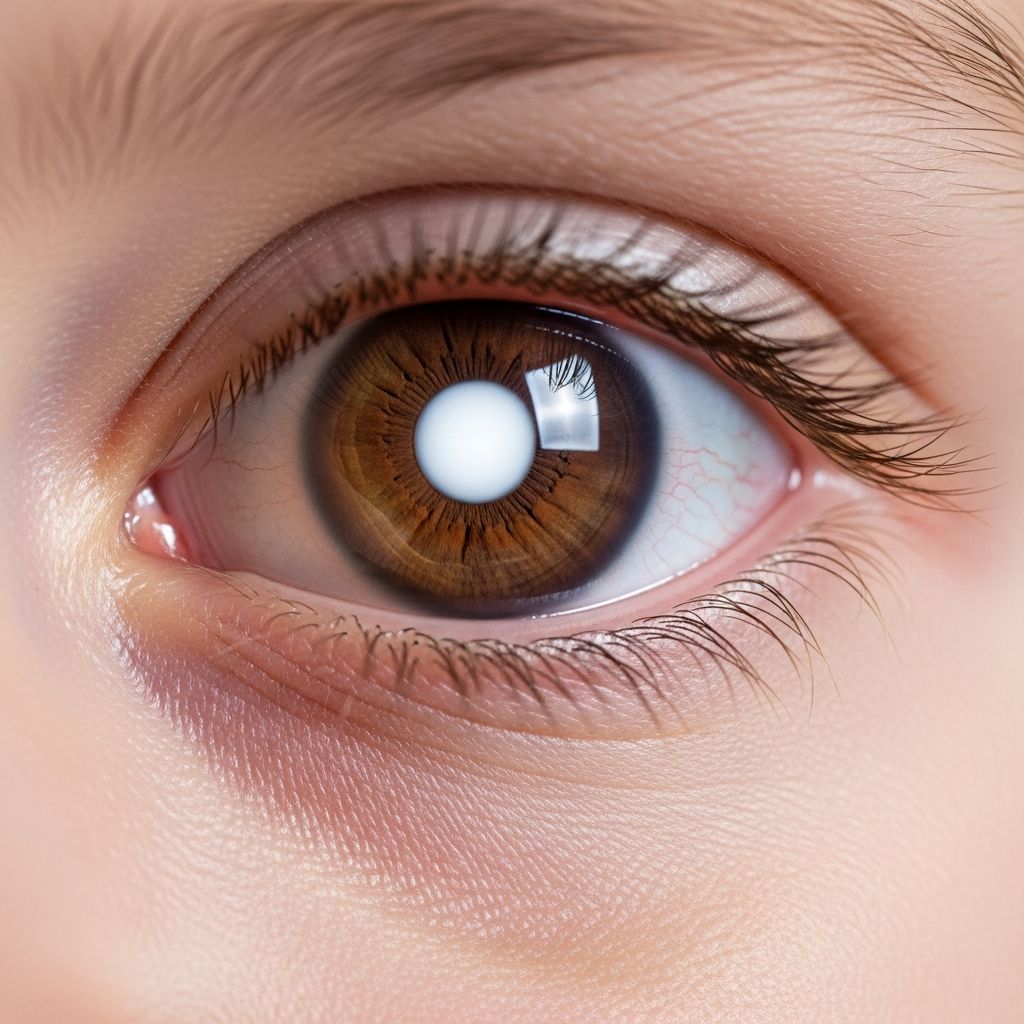
Leukocoria, often called the “white pupil,” manifests as an abnormal white, gray, silver, or yellowish reflection in a child’s pupil when light shines on it, replacing the typical red reflex. This sign warrants immediate attention from a pediatric ophthalmologist, as it may indicate conditions ranging from treatable lens opacities to aggressive eye cancers like retinoblastoma.
Understanding the White Pupil Phenomenon
The normal red reflex occurs when light passes through the eye’s clear structures—cornea, lens, vitreous humor—and reflects off the retina’s blood vessels, creating a reddish glow. Leukocoria disrupts this by scattering light differently due to abnormalities in any eye layer, such as opacities, masses, or detachments. In children, this is particularly alarming because 1 in 5 cases links to cancer, emphasizing the need for swift evaluation.
Common Causes Behind the White Reflex
Several conditions can trigger leukocoria, with varying severity. Cataracts top the list, accounting for about 75% of cases in some studies, where lens clouding blocks the red reflex. Retinoblastoma follows at around 21%, a malignant tumor primarily affecting young children. Other contributors include vascular anomalies and developmental issues.
- Cataracts: Cloudiness in the lens, often congenital, giving a blue-gray or white pupil appearance. Treatable if caught early to prevent amblyopia.
- Retinoblastoma: Rare eye cancer forming white retinal masses; hereditary in some cases, potentially spreading if untreated.
- Coats’ Disease: Abnormal retinal blood vessels leak fluid, causing detachments and yellowish reflexes; more common in boys.
- Retinopathy of Prematurity (ROP): Affects preterm infants with abnormal vessel growth leading to retinal issues.
- Other Factors: Retinal detachment, colobomas (structural gaps), vitreous hemorrhage, infections like toxoplasmosis or toxocariasis, and persistent fetal vasculature.
Family history, prematurity, or birth trauma guides suspicion toward specific etiologies, like genetic disorders (FEVR) or ROP.
Recognizing Accompanying Symptoms
Leukocoria rarely appears alone. Watch for:
- Strabismus (misaligned eyes), indicating poor vision in the affected eye.
- Nystagmus (involuntary eye movements) from visual impairment.
- Photophobia, redness, pain, or swelling, suggesting inflammation or pressure buildup.
- Vision deficits like lazy eye (amblyopia) or poor fixation.
These signs amplify urgency, as delays can lead to irreversible vision loss or systemic spread in cancerous cases.
Diagnostic Approaches for Accurate Identification
Diagnosis starts with a dilated pupil exam using an indirect ophthalmoscope to assess the red reflex and fundus. Key tools include:
| Method | Purpose | Details |
|---|---|---|
| Red Reflex Test | Initial Screening | Detects asymmetry in pupil reflection using a direct ophthalmoscope in dim light. |
| Fundus Photography | Visualization | Captures retinal images for tumors, detachments, or vascular issues. |
| Ultrasound (B-Scan) | Structural Analysis | Evaluates masses or opacities when view is obscured, e.g., in cataracts. |
| MRI/CT Imaging | Advanced Staging | Checks for extraocular extension in retinoblastoma or systemic involvement. |
| Genetic Testing | Risk Assessment | Identifies RB1 mutations for hereditary retinoblastoma. |
Pediatric ophthalmologists tailor exams considering age and cooperation, often under anesthesia for infants.
Treatment Strategies Tailored to the Cause
Treatments vary by underlying issue, focusing on preserving vision and life.
Related Stories



Cataracts
Surgical lens removal and intraocular lens implantation restore clarity. Early intervention prevents amblyopia; post-op patching or glasses aid development.
Retinoblastoma
Multimodal: Laser therapy, cryotherapy, or plaque brachytherapy for small tumors; chemotherapy (intra-arterial or systemic) shrinks larger ones; enucleation for advanced unilateral cases. Survival exceeds 95% with early detection. Bilateral cases prioritize globe salvage.
Coats’ Disease
Laser photocoagulation seals leaks; anti-VEGF injections control vessel growth. Advanced stages may need vitrectomy for detachments. Monitoring prevents complications like glaucoma.
ROP and Other Conditions
Laser ablation for ROP; anti-VEGF for aggressive cases. Infections require antimicrobials; colobomas may need observation or surgery.
Follow-up is crucial, with vision therapy for amblyopia and regular screenings for recurrence.
Prevention and Early Detection Tips
While not all causes are preventable, routine well-child visits include red reflex checks from birth. Parents should photograph children with flash in dim light—review for white spots. High-risk groups (preemies, family cancer history) benefit from specialized screening. Educate on symptoms to prompt timely referrals.
Prognosis: Impact of Timely Intervention
Outcomes hinge on speed: Cataracts treated neonatally yield near-normal vision; untreated lead to blindness. Retinoblastoma cure rates soar with early therapy, dropping sharply if metastatic. Coats’ preserves vision in 80% of mild cases. Long-term monitoring manages complications like glaucoma or strabismus.
Frequently Asked Questions (FAQs)
What should I do if I notice a white pupil in my child?
Seek immediate evaluation by a pediatric ophthalmologist. Do not delay, as conditions like retinoblastoma progress rapidly.
Is leukocoria always cancer?
No, cataracts are most common, but 20% of pediatric cases involve retinoblastoma. Full exam differentiates.
Can leukocoria affect both eyes?
Yes, especially in bilateral retinoblastoma (30% hereditary) or symmetric cataracts.
How is retinoblastoma treated without removing the eye?
Intra-arterial chemotherapy, cryotherapy, and laser target tumors while saving the globe in 80-90% of cases.
Are there home remedies for leukocoria?
No—professional diagnosis and treatment are essential. Self-treatment risks permanent damage.
Does family history increase risk?
Yes, for retinoblastoma (40% familial) and genetic conditions like FEVR.
Leukocoria underscores the value of vigilant eye health monitoring in children. Prompt action transforms potential tragedies into manageable scenarios, safeguarding precious vision.
References
- Leukocoria – MD Searchlight — MD Searchlight. 2023. https://mdsearchlight.com/eye-health/leukocoria/
- White Reflex in a Child’s Eye: When to Act — Eye Clinic London. 2023. https://www.eyecliniclondon.com/blog/white-reflex-child-eye-leukocoria/
- Leukocoria: What It Looks Like & Causes — Cleveland Clinic. 2023-10-24. https://my.clevelandclinic.org/health/symptoms/leukocoria
- Pediatric Leukocoria Specialists in North Texas — Pediatric Eye Specialists. 2023. https://www.pedieyes.com/pediatric-conditions-treatments/leukocoria/
- Leukocoria — EyeWiki (American Academy of Ophthalmology). 2024-01-15. https://eyewiki.org/Leukocoria
- What Is Leukocoria? — WebMD. 2023. https://www.webmd.com/eye-health/what-is-leukocoria
Similar Articles








Read full bio of Sneha Tete