Leukocoria: White Pupil Symptom Explained
Understanding leukocoria: causes, symptoms, diagnosis, and when to seek medical attention.
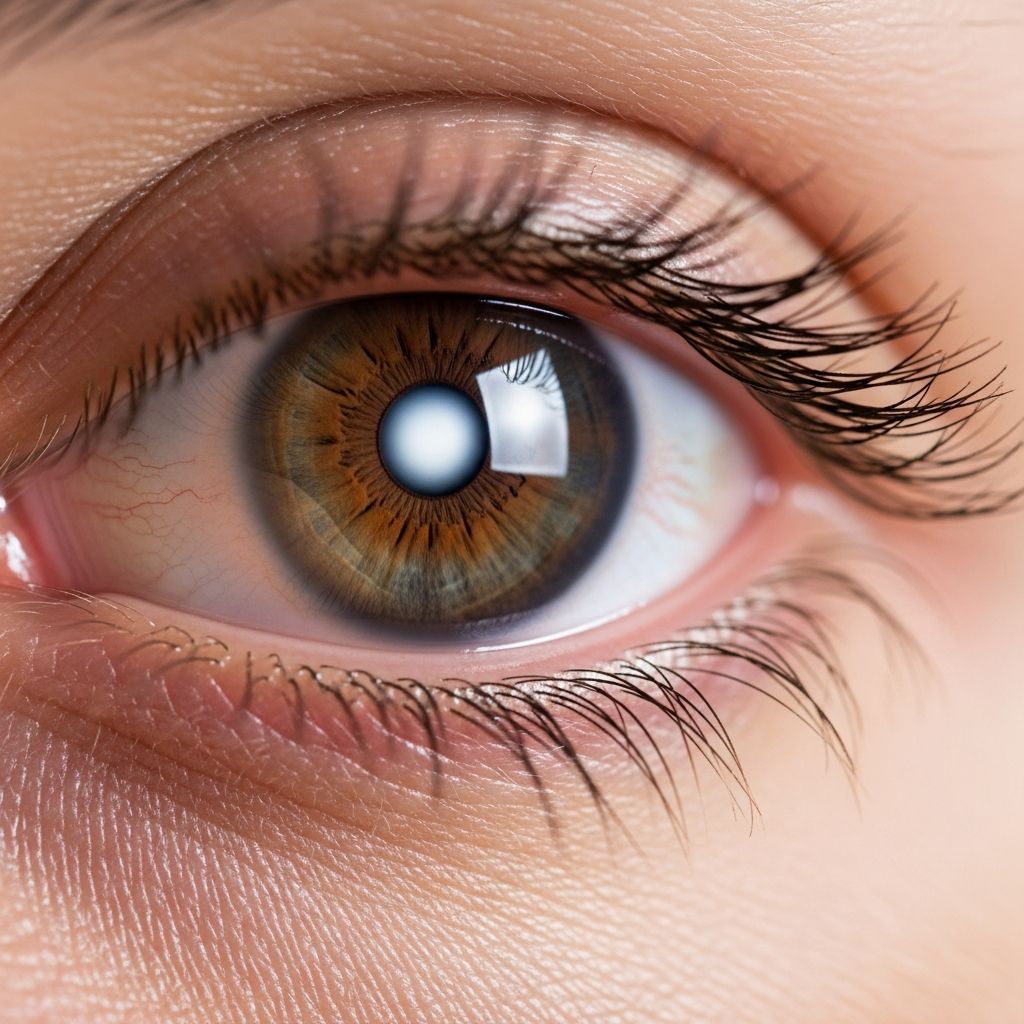
Understanding Leukocoria: The White Pupil Symptom
Leukocoria, derived from Greek meaning “white pupil,” is a clinical sign in which the pupil of the eye appears white, pale, or yellowish instead of the normal dark appearance. This abnormal eye reflex is often first noticed by parents or caregivers in photographs taken with flash photography, particularly in dim lighting conditions. While eyeshine from camera flash is a normal artifact in photography, leukocoria represents a potentially serious underlying condition that requires immediate medical evaluation. The presence of leukocoria should never be ignored, as it can indicate various ocular and systemic diseases that may threaten vision and overall health.
What Is Leukocoria?
Leukocoria refers to an abnormal pupillary reflex where the pupil appears white or pale-colored rather than the typical dark red or orange reflex seen in healthy eyes. This condition affects the fundus reflex (also called the red reflex), which is the normal reflection of light from the back of the eye. When leukocoria is present, this reflex becomes pale-colored, yellow, or distinctly white. The condition can present in one eye (unilateral) or both eyes (bilateral), with research indicating that bilateral presentation occurs in approximately 54% of cases.
Unlike the harmless white reflection sometimes seen in flash photography—which occurs in normal, healthy eyes—leukocoria indicates a pathological process within the eye that requires prompt evaluation by an eye care specialist. Parents and caregivers should be educated about the difference between normal eyeshine and true leukocoria, as early detection of serious underlying conditions can significantly improve treatment outcomes and preserve vision.
Common Causes of Leukocoria
Leukocoria can be associated with several different eye and systemic conditions. Understanding these potential causes is essential for determining the appropriate diagnostic approach and treatment strategy.
Retinoblastoma
Retinoblastoma is a malignant tumor of the retina that occurs exclusively in young children, typically before age five. It is the most common intraocular cancer in children and represents the leading cause of leukocoria. This rare childhood eye cancer affects approximately 250 children per year in the United States. Leukocoria is the earliest and most common symptom of retinoblastoma, often appearing in photographs taken with flash illumination in dim settings. Early detection through recognition of leukocoria significantly improves the likelihood of treatment success and vision preservation.
Other Causes
While retinoblastoma is the most serious and common cause, leukocoria can result from other ocular conditions including congenital cataracts, retinal scarring, persistent fetal vasculature, toxoplasmosis, retinopathy of prematurity, and other intraocular inflammatory or infectious processes. Some systemic conditions can also present with leukocoria as a secondary finding. This diversity of potential causes underscores the importance of comprehensive ophthalmologic evaluation whenever leukocoria is suspected.
Symptoms and Clinical Presentation
The primary symptom of leukocoria is the characteristic appearance of a white or pale pupil. However, since children with leukocoria are typically very young and unable to communicate their symptoms verbally, parents and caregivers must watch for visible changes in eye appearance and behavioral differences.
Key Symptoms Include:
- White or pale-colored pupil appearance, especially noticeable in photographs with flash
- Abnormal eye reflex that appears white, yellow, or pale instead of red or dark
- Unilateral or bilateral presentation
- Potential vision changes or eye movement abnormalities
- Behavioral signs such as difficulty following objects or bumping into things
- Redness or swelling of the affected eye in some cases
- Discharge from the eye
Related Stories



Because very young children cannot describe visual problems, the recognition of leukocoria by parents during everyday activities or in photographs becomes critically important for early detection and intervention.
Diagnosis of Leukocoria
Initial Evaluation
When leukocoria is suspected, the first step typically involves evaluation by a pediatrician or primary care provider. Many parents initially notice leukocoria in family photographs and report it to their pediatrician. During routine physical exams and developmental monitoring, pediatricians are trained to look for signs of leukocoria. Once identified, the pediatrician should make an urgent referral to an ophthalmologist or pediatric eye care specialist for comprehensive evaluation.
Specialist Examination
An ophthalmologist or pediatric eye specialist will attempt to visualize the interior of the eye directly. For young children, this examination may involve using medicated eye drops to dilate the pupils or, more commonly, performing a detailed eye examination under general anesthesia. The clinical examination itself is often sufficient to confirm the diagnosis of leukocoria, though the underlying cause may require additional testing.
Ancillary Testing
After clinical examination, additional diagnostic studies may be ordered to confirm the diagnosis and determine the extent of the condition. These may include:
- Ultrasound imaging of the eye
- Fundus photography and imaging
- Optical coherence tomography (OCT)
- Magnetic resonance imaging (MRI) in selected cases
- Genetic testing when retinoblastoma is suspected
- Blood tests and biomarker evaluation
Notably, tissue biopsy is typically not performed, as diagnosis is established through clinical examination and imaging findings. In cases of suspected retinoblastoma, genetic counseling and testing are standard components of the diagnostic workup to determine whether a child has inherited genetic mutations that increase cancer risk.
When to Seek Medical Attention
Any observation of leukocoria warrants urgent medical evaluation. Parents should seek immediate attention if they notice:
- A white or pale pupil in any photograph or in direct observation
- An unusual eye reflex that differs from the normal red reflex
- Changes in eye appearance or color
- Behavioral signs suggesting vision problems
- Any family history of retinoblastoma or other eye cancers
- Developmental delays in visual tracking or eye movement
Early detection and prompt evaluation can make a significant difference in treatment outcomes and vision preservation. Parents should not delay seeking professional evaluation, as conditions underlying leukocoria may progress rapidly if left untreated.
Treatment Considerations
Treatment of leukocoria depends entirely on the underlying cause. For retinoblastoma, various treatment modalities may be employed based on tumor size, location, and stage:
Treatment Options:
- Enucleation: Surgical removal of the affected eye, typically recommended when there is no vision potential or when the tumor is advanced
- Systemic chemotherapy: Used for tumors with potential for vision preservation, often in combination with focal therapies
- Focal therapies: Localized treatments such as laser therapy, cryotherapy, or radiotherapy applied directly to the tumor
- Combination therapy: Multiple treatment modalities often used together for optimal outcomes
For other causes of leukocoria, such as cataracts or other conditions, treatment varies accordingly. The goal of treatment is always to eliminate or control the underlying disease while preserving as much vision as possible.
Prognosis and Visual Outcomes
The prognosis for leukocoria depends on the underlying etiology and how early it is detected. For retinoblastoma specifically, the United States has achieved an approximately 97% cure rate, with the risk of death from metastasis being very low at approximately five to ten cases per year. Visual outcomes vary considerably depending on tumor location and size, with some children achieving excellent vision (20/20) while others may experience partial or total vision loss in the affected eye.
Early detection through recognition of leukocoria significantly improves the likelihood of vision preservation and overall survival. Genetic counseling helps families understand recurrence risks and appropriate monitoring protocols for siblings and future children.
Prevention and Screening
While leukocoria itself cannot be prevented, early detection through vigilant observation by parents and routine eye screening can identify conditions requiring treatment before they progress. Parents should:
- Carefully review photographs of their children for any unusual eye appearance or white pupil
- Ensure regular pediatric examinations that include vision and eye assessment
- Report any concerns about eye appearance or vision to their pediatrician immediately
- Be particularly vigilant if there is a family history of retinoblastoma or childhood eye cancer
- Seek genetic counseling if a child is diagnosed with retinoblastoma
Frequently Asked Questions
Q: Is the white pupil I see in my child’s photograph always leukocoria?
A: No. Normal eyeshine from camera flash is common and benign. However, if the white appearance is consistent across multiple photographs, appears in only one eye, or seems different from the normal red-eye reflex, it should be evaluated by an eye care professional.
Q: At what age is leukocoria most commonly detected?
A: Leukocoria is typically detected in children before age five, with most cases of retinoblastoma diagnosed before age three. Many cases are identified when parents notice the abnormal pupil in photographs.
Q: Does leukocoria always indicate cancer?
A: While retinoblastoma is the most serious cause of leukocoria, this symptom can result from other conditions including cataracts, retinal scarring, and inflammatory conditions. Professional evaluation is necessary to determine the underlying cause.
Q: How is leukocoria diagnosed?
A: Diagnosis begins with clinical examination by an ophthalmologist. For young children, this often involves examination under anesthesia. Additional imaging studies such as ultrasound, photography, and possibly MRI may be used to confirm the diagnosis.
Q: Will my child lose vision if leukocoria is detected and treated?
A: Vision outcomes depend on the underlying cause, tumor size, and treatment approach. With early detection and modern treatment, many children retain useful vision. Some cases may result in vision loss in the affected eye, but early intervention often preserves at least some visual function.
Q: Is genetic testing necessary if my child has leukocoria?
A: If retinoblastoma is diagnosed, genetic testing and counseling are standard components of care. Genetic testing helps determine whether a mutation is hereditary, which has implications for the child’s siblings and future children.
References
- Retinoblastoma: Symptoms & Treatment — Cleveland Clinic. 2023-09-29. https://my.clevelandclinic.org/health/diseases/retinoblastoma
- Retinoblastoma: When Eyeshine Indicates Something Serious — Cleveland Clinic Consult QD. https://consultqd.clevelandclinic.org/retinoblastoma-when-eyeshine-indicates-something-serious-podcast
- What Is the Red Reflex (Fundus Reflex)? — Cleveland Clinic. https://my.clevelandclinic.org/health/articles/red-reflex-fundus-reflex
- Cancer Advances: Retinoblastoma — Cleveland Clinic Podcasts. https://my.clevelandclinic.org/podcasts/cancer-advances/retinoblastoma
- Leukocoria — Grokipedia. https://grokipedia.com/page/Leukocoria
Similar Articles








Read full bio of medha deb