Levamisole-Adulterated Cocaine: Symptoms, Diagnosis, Treatment
Understanding the severe skin, blood, and systemic effects of cocaine contaminated with levamisole, a common adulterant.
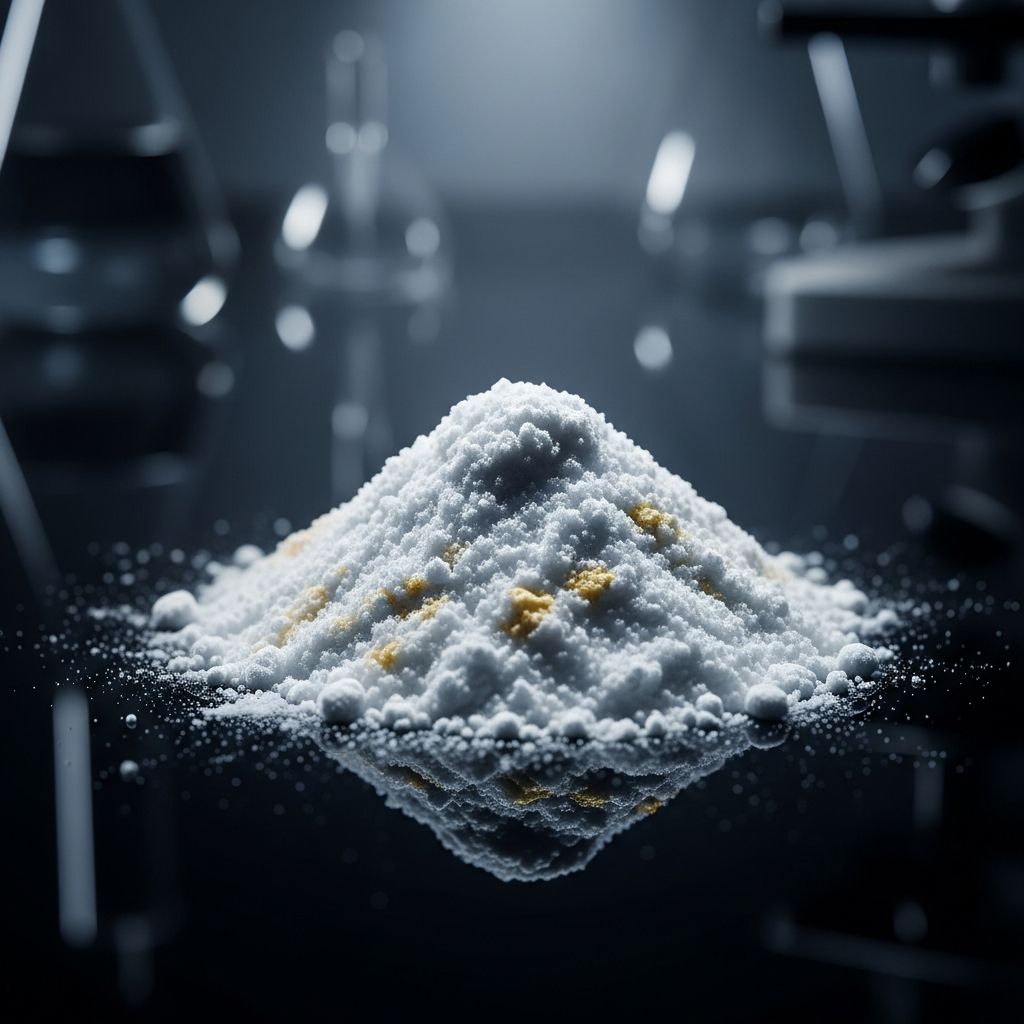
Levamisole-adulterated cocaine is a significant public health issue causing characteristic skin lesions, agranulocytosis, and vasculitis in users. This condition arises from cocaine contaminated with levamisole, an immunomodulatory veterinary drug present in up to 70% of seized cocaine.
What is levamisole-adulterated cocaine?
Levamisole is a synthetic anthelmintic drug originally developed for veterinary use against parasitic worms in animals. It was briefly approved for human use by the FDA for conditions like colorectal cancer (as an adjuvant to 5-fluorouracil) and rheumatoid arthritis but was withdrawn in 2000 due to severe adverse effects including agranulocytosis and vasculitis.
Cocaine, a potent stimulant derived from coca leaves, is frequently cut with levamisole by illicit suppliers to enhance its psychoactive effects, bulk the product, and mimic cocaine’s appearance on drug testing equipment. Levamisole potentiates cocaine by increasing dopamine D1 receptor sensitivity in the brain, prolonging the euphoric high. Reports from the U.S. Drug Enforcement Administration (DEA) indicate levamisole contamination in 70-82% of cocaine samples seized at U.S. borders since the early 2000s, with over 2 million cocaine users in the U.S. at risk.
The practice began around 2002 and has steadily increased, making levamisole-adulterated cocaine (LAC) the leading cause of drug-related vasculitis and neutropenia syndromes.
Who gets levamisole-adulterated cocaine?
Any individual using street cocaine is at risk, regardless of frequency or route of administration (snorting, smoking, or injecting). Chronic users face higher cumulative exposure, but acute cases occur after single uses.
- Demographics: Predominantly adults aged 20-50 years, with a higher incidence in urban areas and regions with high cocaine prevalence. Women may present more frequently due to seeking medical care for visible facial lesions.
- Risk factors: Sourcing cocaine from street dealers; no safe level exists as contamination varies unpredictably.
- Prevalence: With 1.5-2 million U.S. cocaine users and 70% adulteration rates, thousands develop symptoms annually.
Clinical features
Symptoms typically emerge 1-7 days after cocaine use, resolving within weeks of abstinence but recurring with re-exposure. The triad of retiform purpura, neutropenia (absolute neutrophil count <1500/μL), and ear involvement is highly suggestive.
Skin lesions
The hallmark is
retiform purpura
—non-blanching, branching purple lesions resembling blood vessel patterns—favoring acral sites supplied by end arteries.- Classic locations: Ears (lobes and helices), nose (tip, alae, columella), cheeks (malar eminences).
- Other sites: Extremities, trunk, scalp; spares trunk center and mucous membranes.
- Evolution: Starts as tender erythematous macules/plaques, progresses to purpura, vesicles, bullae, and necrosis within days. Heals with scarring/hyperpigmentation.
Hematological abnormalities
**Agranulocytosis** (neutrophils <500/μL) occurs in 70-90% of cases, causing fever, infections, and sepsis risk. Thrombocytopenia and anemia are less common.
Systemic involvement
- Arthralgias/myalgias: Symmetric joint pains mimicking rheumatoid arthritis.
- Vasculitis: ANCA-positive (p-ANCA, atypical); leukocytoclastic on biopsy.
- Neurological: White matter hyperintensities on MRI, cognitive deficits from vascular toxicity.
- Renal: Nephrotoxicity with proteinuria, hematuria.
- Other: Fever, lymphadenopathy, positive lupus anticoagulant.
Diagnosis
Diagnosis relies on clinical suspicion in cocaine users with characteristic lesions and neutropenia. No single test confirms; urine toxicology detects cocaine but not reliably levamisole (short half-life).
| Key Diagnostic Features | Supporting Tests |
|---|---|
| History of cocaine use + ear purpura | Urine drug screen positive for cocaine |
| Agranulocytosis | CBC: Neutrophils <1500/μL |
| Retiform purpura | Skin biopsy: Vasculitis, thrombosis |
| ANCA positivity | p-ANCA (MPO/PR3 negative) |
| Exclusion of infection/autoimmunity | Cultures, ANA, RF negative |
Related Stories



Differential diagnosis: Cryoglobulinemia, antiphospholipid syndrome, infective endocarditis, meningococcemia, other vasculitides.
Management
Treatment centers on
immediate cocaine abstinence
, which leads to rapid neutrophil recovery (3-14 days) and lesion resolution.- Supportive care: Wound care, antibiotics for neutropenia fever, pain control.
- Immunomodulation: Corticosteroids (prednisone 1 mg/kg) for severe vasculitis; IVIG or plasmapheresis rarely needed.
- Granulocyte colony-stimulating factor (G-CSF): Accelerates neutrophil recovery in profound agranulocytosis (<100/μL).
- Surgical: Debridement for necrosis; ear/nose reconstruction post-healing.
Relapse prevention through substance abuse counseling is crucial, as symptoms recur with re-exposure.
Complications
- Infection/sepsis: From neutropenia.
- Permanent scarring: Especially facial features (“cocaine nose/ears”).
- Chronic vasculitis: Rare persistent ANCA positivity.
- Multi-organ failure: Renal, cerebral damage from vascular occlusion.
Prevention
Public health measures include harm reduction education, testing cocaine for levamisole (though impractical), and policy efforts to curb adulteration. Users should be counseled on risks during medical visits for purpura.
Levamisole-induced necrosis syndrome (LINES)
Coined in 2011, LINES describes the necrotic variant with prominent ear/face involvement, emphasizing its distinct syndrome from pure cocaine toxicity.
Frequently asked questions
What causes the characteristic ear lesions?
Levamisole targets small vessels in end-artery supplied areas like ear lobes, causing thrombosis and infarction.
Does levamisole show on standard drug tests?
No, routine urine screens detect cocaine/metabolites but not levamisole; specialized testing required.
How long do symptoms last?
Skin lesions resolve in 1-4 weeks with abstinence; neutropenia rebounds in days.
Is this only from snorting cocaine?
No, occurs with all routes; systemic exposure drives effects.
Can it be treated without stopping cocaine?
No, continued use causes relapse; abstinence is essential.
References
- Suspected Infective Endocarditis Finally Turned Out to Be Levamisole-Induced Vasculitis — Journal of Medical Cases. 2017-01-01. https://www.journalmc.org/index.php/JMC/article/view/2538/1890
- Use of levamisole-adulterated cocaine is associated with increased white matter hyperintensities — PMC (PubMed Central). 2021-04-28. https://pmc.ncbi.nlm.nih.gov/articles/PMC8061741/
- Levamisole-adulterated cocaine induced skin necrosis of nose, ears and cheeks — PMC (PubMed Central). 2014-12-01. https://pmc.ncbi.nlm.nih.gov/articles/PMC4275458/
- Levamisole-induced necrosis syndrome — Wikipedia (references primary sources). 2023-01-01. https://en.wikipedia.org/wiki/Levamisole-induced_necrosis_syndrome
- Levamisole-a Toxic Adulterant in Illicit Drug Preparations: a Review — Outbreak.info / PubMed. 2020-12-01. https://outbreak.info/resources/pmid33298746
- Levamisole-Adulterated Cocaine Nephrotoxicity — American Journal of Clinical Pathology (Oxford Academic). 2016-04-19. https://academic.oup.com/ajcp/article/145/5/720/2195530
- Levamisole-Adulterated Cocaine: A Case of Vasculitis and Severe Neutropenia — Cureus. 2023-10-01. https://www.cureus.com/articles/446245-levamisole-adulterated-cocaine-a-case-of-vasculitis-and-severe-neutropenia
Similar Articles








Read full bio of Sneha Tete