Levetiracetam for Epilepsy (Keppra, Desitrend)
Comprehensive guide to Levetiracetam (Keppra, Desitrend): uses, dosage, side effects, and key considerations for epilepsy treatment.
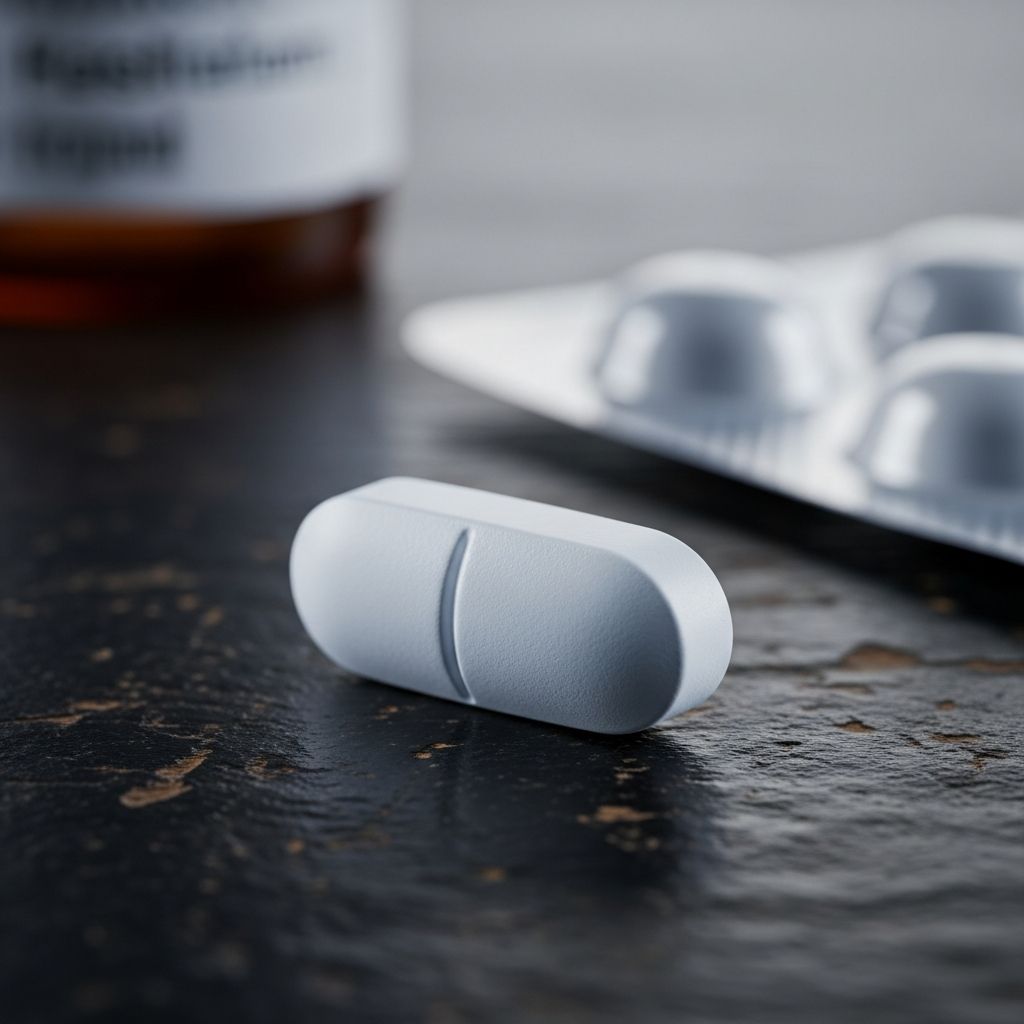
Levetiracetam is an antiepileptic medication used to control various types of seizures in people with epilepsy. Available under brand names like Keppra and Desitrend, it is commonly prescribed as add-on therapy for partial-onset seizures, myoclonic seizures, and primary generalized tonic-clonic seizures.
About levetiracetam
Levetiracetam belongs to a class of drugs called anticonvulsants. It helps prevent seizures by calming overactive electrical signals in the brain. Unlike many other antiepileptics, its exact mechanism involves binding to synaptic vesicle protein 2A (SV2A), which modulates neurotransmitter release without significantly affecting voltage-gated ion channels.
This unique action makes levetiracetam effective across seizure types and advantageous due to its favorable pharmacokinetics: rapid absorption, minimal protein binding, no enzyme induction, few drug interactions, and partial non-hepatic metabolism. It is available in oral tablets, oral solution, and intravenous forms, suitable for adults and children from 1 month old.
Clinical trials demonstrate its efficacy. In refractory partial epilepsy, doses of 1000-3000 mg/day reduced seizure frequency by 32.5-37.1% versus 6.8% for placebo, with 50% responder rates of 33-39.8%. For myoclonic and tonic-clonic seizures, reductions reached 56.5% and 77.6% median.
Key facts about levetiracetam
- Brand names: Keppra, Desitrend, Spritam, and generics.
- Types of seizures treated: Partial-onset (focal), myoclonic (juvenile myoclonic epilepsy), primary generalized tonic-clonic.
- Age groups: Infants 1 month+, children, adolescents, adults.
- Forms: Tablets (250mg-1500mg), oral solution (100mg/ml), IV injection.
- Time to work: Effects may start within days; full benefit in 1-2 weeks.
- Common side effects: Sleepiness, dizziness, headache.
- Drug interactions: Minimal; safe with most antiepileptics.
When to take levetiracetam
Levetiracetam is typically taken twice daily, with or without food, to maintain steady levels. For immediate-release forms, doses are divided every 12 hours; extended-release once daily. Consistency in timing reduces seizure risk.
Intravenous levetiracetam is used when oral intake is not possible, such as post-surgery or during status epilepticus (off-label). Dosing adjustments are needed for kidney impairment, as 66% is excreted renally.
How to take levetiracetam
Follow your doctor’s instructions precisely. Swallow tablets whole; do not crush or chew extended-release forms. Measure oral solution with the provided syringe. If a dose is missed, take it as soon as remembered unless near the next dose—do not double up.
Dosage guidelines
| Seizure Type | Age Group | Initial Dose | Maintenance Dose |
|---|---|---|---|
| Partial-onset | Adults >16 yrs | 500 mg twice daily | 1000-3000 mg/day |
| Partial-onset | 1 month-16 yrs | 20 mg/kg/day | 30-60 mg/kg/day |
| Myoclonic | >12 yrs | 500 mg twice daily | 1000-3000 mg/day |
| Tonic-clonic | >6 yrs | 500 mg twice daily | 1000-3000 mg/day |
Doses are titrated gradually over 2 weeks to minimize side effects. Maximum 3000 mg/day for adults; pediatric based on weight.
Common questions about levetiracetam
How long does it take to work?
Some patients notice fewer seizures within the first week, with peak effects by 2-4 weeks. Post-hoc analyses show seizure-free rates increasing from day 1.
Can you drink alcohol with it?
Avoid alcohol, as it may increase drowsiness and seizure risk.
Related Stories



Is it safe in pregnancy?
Consult your doctor. Registry data suggest low malformation risk, but monitoring is advised.
Does it cause weight gain?
Usually weight-neutral, unlike some antiepileptics.
Can children take it?
Yes, approved from 1 month for partial seizures.
How to cope with side effects of levetiracetam
What can the NHS tell you about side effects — all medicines can cause side effects. Many people prescribed levetiracetam have no side effects or only minor ones. But you should speak to your doctor if side effects continue, as there may be other drug options.
Sleepiness
Sleepiness is common initially but often improves. Take doses at night if possible; avoid driving until settled.
Feeling dizzy
Rise slowly from sitting/lying; stay hydrated.
Headaches
Rest, hydrate, and use paracetamol if approved.
Less common but serious
- Mood changes, depression, suicidal thoughts (seek immediate help).
- Skin rash, fever (possible allergy).
- Coordination problems, weakness.
Report persistent or severe effects to your doctor. Dose reduction or switching may help.
Pregnancy and breastfeeding
Levetiracetam is relatively safe in pregnancy (Category C), with no major teratogenic risks in studies. However, epilepsy itself poses risks, so discuss with a specialist. It passes into breast milk in small amounts; monitor infant for drowsiness.
Other medicines, food and drink — levetiracetam warnings
Interactions: Rare due to no enzyme induction. Caution with methotrexate (increased levels) or antacids (reduced absorption).
Food: No restrictions; may take with meals to reduce stomach upset.
Warnings: Kidney disease requires dose adjustment. Behavioral side effects more common in children. Abrupt stopping may worsen seizures—taper over weeks.
About NICE guidance — levetiracetam
NICE recommends levetiracetam as first-line or adjunctive therapy for focal and generalized epilepsies based on efficacy and tolerability. It is preferred in women of childbearing potential due to low teratogenicity.
Common questions about levetiracetam
Is levetiracetam a controlled drug?
No, but store securely to prevent misuse.
Can I drive?
Only if seizure-free for 12 months (UK) and no side effects impairing alertness.
Does it affect contraception?
No interaction with hormonal methods.
Stopping levetiracetam
Never stop suddenly—risk of status epilepticus. Taper gradually over 2 weeks under medical supervision.
Side effects of levetiracetam — levetiracetam alternatives
If side effects intolerable, alternatives include lamotrigine, valproate, or carbamazepine. Levetiracetam was equivalent to controlled-release carbamazepine in first-line therapy.
Frequently Asked Questions (FAQs)
Q: What is levetiracetam used for?
A: Primarily for partial-onset, myoclonic, and primary generalized tonic-clonic seizures as adjunctive or monotherapy.
Q: How quickly does Keppra work?
A: Seizure reduction can begin within days, with optimal effects in weeks.
Q: What are the most common side effects?
A: Drowsiness, dizziness, irritability, headache—often transient.
Q: Is levetiracetam safe for long-term use?
A: Yes, with regular monitoring; no major organ toxicity.
Q: Can it be used alone?
A: Approved as monotherapy for partial seizures in adults.
References
- Levetiracetam in the treatment of epilepsy — PMC – NIH. 2008-06-18. https://pmc.ncbi.nlm.nih.gov/articles/PMC2526377/
- Levetiracetam: Uses, Interactions, Mechanism of Action — DrugBank. 2023-01-01. https://go.drugbank.com/drugs/DB01202
- Levetiracetam — StatPearls – NCBI Bookshelf – NIH. 2023-07-17. https://www.ncbi.nlm.nih.gov/books/NBK499890/
- Levetiracetam — Epilepsy Foundation. 2023-01-01. https://www.epilepsy.com/tools-resources/seizure-medication-list/levetiracetam
- Levetiracetam: MedlinePlus Drug Information — MedlinePlus. 2023-01-01. https://medlineplus.gov/druginfo/meds/a699059.html
- About levetiracetam — NHS. 2023-01-01. https://www.nhs.uk/medicines/levetiracetam/about-levetiracetam/
- Keppra (levetiracetam) – EPAR Summary — European Medicines Agency. 2000-09-28. https://www.ema.europa.eu/en/documents/overview/keppra-epar-summary-public_en.pdf
Similar Articles








Read full bio of medha deb