Levobunolol Eye Drops: Glaucoma Dosage, Use & Effects
Complete guide to levobunolol eye drops: usage, dosage, side effects, and glaucoma management.
Levobunolol Eye Drops for Glaucoma
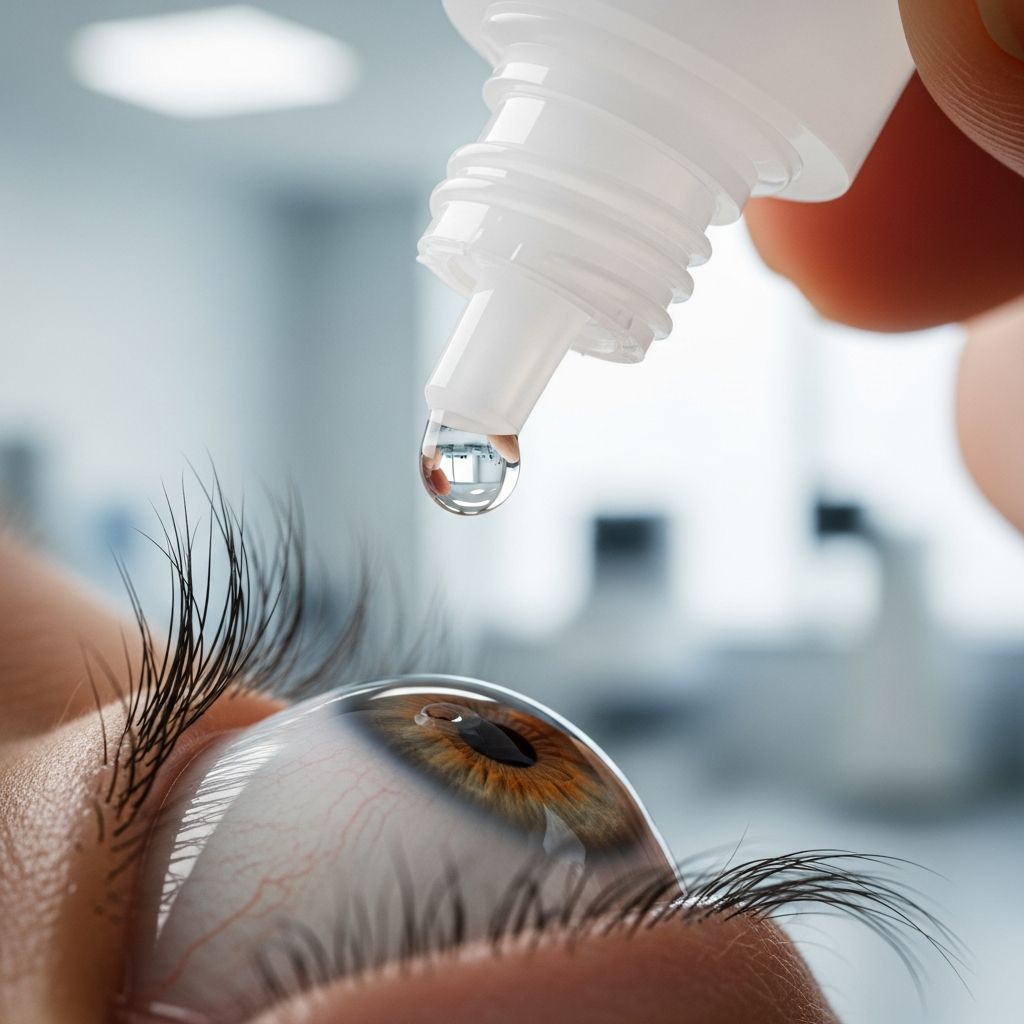
Levobunolol eye drops are used to control increased pressure within your eye, a condition known as glaucoma. These drops work by reducing the amount of fluid produced in the front part of your eye, thereby lowering the eye pressure. It is important to remember to use the drops regularly and try not to miss any doses, as consistent use is essential for effective treatment.
If you normally wear soft contact lenses, please make sure your doctor knows about this, as it may affect how you use the medication.
About Levobunolol Eye Drops
| Property | Details |
|---|---|
| Type of medicine | Beta-blocker eye drops |
| Used for | Chronic open-angle glaucoma (primary open-angle glaucoma) |
| Brand name | Betagan® |
| Available as | Single-dose eye drops or solution |
| Dosage strength | 0.5% solution |
How Levobunolol Works
Levobunolol is a
beta-adrenergic antagonist
that functions as a nonselective beta-blocker. In chronic open-angle glaucoma, there is damage to the optic nerve at the back of your eye, usually caused by an increase in pressure within the eye.The medication works by lowering the pressure in your eye through a specific mechanism: it reduces the amount of fluid that you produce that fills the front part of your eye, called aqueous humour. By reducing the amount of fluid produced, the pressure within your eye decreases significantly. Studies show that levobunolol reduces mean intraocular pressure by approximately 25-40% from baseline in patients with elevated IOP.
This pressure reduction is effective whether or not patients have been diagnosed with glaucoma, making it useful for treating both ocular hypertension and glaucoma-related conditions.
Before Using Levobunolol Eye Drops
Before you start using levobunolol eye drops, it is important to inform your doctor about your medical history. Some medicines are not suitable for people with certain conditions, and sometimes a medicine may only be used if extra care is taken.
Your doctor needs to know if you have any of the following conditions:
- Asthma or any other breathing problems
- Heart conditions or cardiovascular issues
- Diabetes
- Thyroid problems
- Severe allergies
This is particularly important because levobunolol, as a beta-blocker, may affect your breathing and heart rate. If you have asthma or other respiratory conditions, you should discuss this carefully with your doctor before starting treatment.
How to Use Levobunolol Eye Drops
Proper application of levobunolol eye drops is crucial for effective treatment. Follow these steps carefully:
- Prepare: Wash your hands before applying the drops.
- Position: Tilt your head back and look upward toward the ceiling.
- Apply: Apply enough pressure to the container to release one drop into your eye. Only use a second drop if the first drop missed going into your eye.
- Retain: Close your eye for a minute or two, and press gently on the side of your nose where the corner of your eye meets your nose. This helps to stop the drop from draining away and keeps it in your eye.
- Other eye: Repeat the process in your other eye if you have been told to use the drops in both eyes. The contents of one single-dose unit are enough for both eyes.
- Replace cap: Replace the cap or, if you are using a single-dose unit, throw it away.
Related Stories



Dosage Information
Standard dosage: The recommended starting dose is one to two drops of levobunolol 0.5% solution in the affected eye(s) once a day. Your doctor will tell you whether to use the drops once or twice a day, and your dose will be printed on the label of the pack.
For more severe glaucoma: In patients with more severe or uncontrolled glaucoma, levobunolol can be administered twice a day. However, dosages above one drop twice a day are not generally more effective.
Children: For children, the use and dose must be determined by your doctor, as there is no standard pediatric dosing.
Important note: If your intraocular pressure is not at a satisfactory level with levobunolol alone, concomitant therapy with other ophthalmic IOP-lowering agents can be added. However, patients should not typically use two or more topical ophthalmic beta-adrenergic blocking agents simultaneously.
Getting the Most from Your Treatment
Before you start using the eye drops, read the manufacturer’s printed information leaflet from the pack carefully. It will give you more information about the eye drops and will provide you with a full list of side-effects which you may experience from using them.
To maximize the effectiveness of your treatment, follow these guidelines:
- Use the drops at regular intervals and try not to miss any doses.
- Remember that levobunolol eye drops
control glaucoma but do not cure it
. Continue to use the drops even if you feel well. - Do not stop using levobunolol eye drops without talking to your doctor.
- Keep regular appointments with your eye care specialist to monitor your eye pressure and overall eye health.
- If you are using other eye medications, space them out as directed by your doctor to prevent interactions.
Contact Lenses and Levobunolol
If you wear soft contact lenses, there are important considerations when using levobunolol:
- Bottled drops: Do not wear soft contact lenses if you are using eye drops from a bottle unless your doctor has advised you otherwise. This is because there is a preservative in bottles of eye drops which can affect soft contact lenses.
- Single-dose units: You may wear soft contact lenses if you are using the single-dose units, as there is no preservative in these. However, remember to take out your lenses to apply the drops and wait for at least 15 minutes before putting your lenses back in.
Can Levobunolol Eye Drops Cause Problems?
Along with their useful effects, eye drops can cause unwanted side-effects, although not everyone experiences them. The unwanted effects often improve as your body adjusts to the new medicine, but speak with your doctor or pharmacist if any of the following continue or become troublesome:
| Side Effect | What to Do |
|---|---|
| Eye irritation, inflammation, pain or discomfort | If these continue or become troublesome, speak with your doctor |
| Mild burning or stinging sensation | Usually temporary and improves with continued use |
| Blurred vision | Inform your doctor if persistent |
Important: If you experience any of the following, contact your doctor for advice straightaway:
- Any difficulties breathing, such as wheezing or shortness of breath
- An allergic-type reaction, such as any swelling around your face
If you experience any other symptoms which you think may be due to the eye drops, speak with your doctor or pharmacist for further advice.
Special Considerations
Angle-closure glaucoma: In patients with angle-closure glaucoma, the immediate objective of treatment is to reopen the angle, which requires constricting the pupil with a miotic medication. Levobunolol has little or no effect on the pupil. Therefore, when levobunolol is used to reduce elevated intraocular pressure in angle-closure glaucoma, it should be followed with a miotic and not used alone.
Respiratory concerns: If levobunolol is deemed necessary in patients with respiratory conditions, then it should be administered cautiously since it may block bronchodilation produced by endogenous and exogenous catecholamine stimulation of beta 2 receptors.
Monitoring and Follow-up
As with any new medication, careful monitoring of patients is advised. Your eye care specialist will want to check your intraocular pressure regularly to ensure that levobunolol is working effectively for you. If your pressure is not adequately controlled, your doctor may adjust the dosage or add additional medications to your treatment regimen.
Keep all scheduled appointments with your ophthalmologist or optometrist to ensure that your glaucoma is being properly managed and to watch for any potential side effects.
Frequently Asked Questions
Q: What is the difference between Betagan and generic levobunolol?
A: Betagan is the brand name for levobunolol eye drops. The generic version contains the same active ingredient and works the same way. Your doctor or pharmacist can advise which option is best for you.
Q: Can I use levobunolol if I have heart problems?
A: You should inform your doctor about any heart conditions before using levobunolol, as beta-blockers can affect heart rate and blood pressure. Your doctor will determine if it is safe for you.
Q: How long does it take for levobunolol to work?
A: Most patients experience a reduction in intraocular pressure within a few hours of the first dose, with maximum effect typically achieved within 2-4 weeks of regular use.
Q: What should I do if I miss a dose?
A: Apply the missed dose as soon as you remember. However, if it is almost time for your next dose, skip the missed dose and continue with your regular schedule. Do not use a double dose.
Q: Can I stop using levobunolol if my eye pressure improves?
A: No, you should continue using levobunolol as prescribed by your doctor, even if your eye pressure improves. Glaucoma is a chronic condition that requires ongoing treatment.
Q: Are there any food or drug interactions with levobunolol?
A: Levobunolol is applied directly to the eye, so food interactions are unlikely. However, inform your doctor about all medications you are taking, including oral medications and other eye drops, as some may interact with levobunolol.
Q: Is levobunolol safe during pregnancy?
A: You should discuss the use of levobunolol during pregnancy with your doctor. They will weigh the benefits of treating your glaucoma against any potential risks to the pregnancy.
References
- Levobunolol eye drops for glaucoma — Patient.info. 2024-05-05. https://patient.info/medicine/levobunolol-eye-drops-for-glaucoma-betagan
- Levobunolol (ophthalmic route) — Side effects & dosage — Mayo Clinic. https://www.mayoclinic.org/drugs-supplements/levobunolol-ophthalmic-route/description/drg-20071154
- Levobunolol Hydrochloride Solution/Drops — DailyMed, U.S. National Library of Medicine. https://dailymed.nlm.nih.gov/dailymed/lookup.cfm?setid=5ab1efbe-530b-4787-b40a-c7dbf18161e1
- Levobunolol: Uses, Interactions, Mechanism of Action — DrugBank. https://go.drugbank.com/drugs/DB01210
- Levobunolol Ophthalmic — MedlinePlus Drug Information, U.S. National Library of Medicine. https://medlineplus.gov/druginfo/meds/a686011.html
- Levobunolol eye solution — Cleveland Clinic. https://my.clevelandclinic.org/health/drugs/18660-levobunolol-eye-solution
Similar Articles








Read full bio of medha deb