Levodopa and Benserazide for Parkinson’s
Discover how levodopa combined with benserazide revolutionizes Parkinson's symptom management by boosting brain dopamine levels effectively.

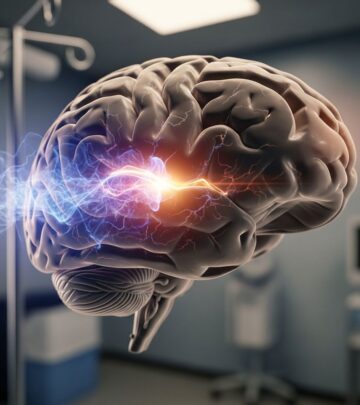
This combination medication represents a pivotal advancement in managing Parkinson’s disease, primarily by addressing the core deficit of dopamine in the brain. Parkinson’s disease arises from the progressive loss of dopamine-producing neurons, leading to motor challenges such as tremors, rigidity, and bradykinesia. Levodopa serves as the precursor to dopamine, while benserazide enhances its delivery to the brain by inhibiting premature conversion outside the central nervous system.
Understanding the Science Behind the Combination
The synergy between levodopa and benserazide is rooted in their complementary actions. Levodopa crosses the blood-brain barrier and converts to dopamine via dopa decarboxylase enzyme, replenishing depleted levels in key brain regions like the substantia nigra and striatum. Without an inhibitor, much of the levodopa metabolizes peripherally, causing side effects like nausea and reducing brain availability.
Benserazide, a peripheral dopa decarboxylase inhibitor, does not penetrate the blood-brain barrier. It blocks extracerebral conversion, allowing more levodopa to reach the brain intact. This results in fewer gastrointestinal issues and improved therapeutic efficiency. Clinical studies confirm equivalent plasma levodopa levels and symptom relief compared to similar combinations like levodopa-carbidopa, with potentially fewer nausea episodes.
Primary Applications in Clinical Practice
Approved for adults over 25 with idiopathic Parkinson’s disease (excluding drug-induced forms), this therapy targets bradykinetic symptoms effectively once initial treatments falter. It may also aid restless legs syndrome linked to Parkinson’s. Brand names include Madopar and Prolopa, available in various ratios like 100mg levodopa/25mg benserazide.
- Idiopathic Parkinson’s: Improves mobility, reduces stiffness, and enhances daily functioning.
- Post-encephalitic or toxin-induced parkinsonism: Provides symptomatic relief where dopamine loss mimics primary disease.
- Advanced stages: Adjusts for ‘wearing off’ effects as disease progresses.
Dosage Guidelines and Administration Strategies
Treatment begins with low doses, titrated gradually to balance efficacy and tolerability. Typical starting dose: 50mg levodopa (with 12.5mg benserazide) three times daily, increasing by 50-100mg weekly as needed. Maximum daily levodopa: around 800-1000mg, divided to minimize fluctuations.
| Formulation | Levodopa:Benserazide Ratio | Typical Starting Dose | Frequency |
|---|---|---|---|
| Capsules/Dispersible tablets | 4:1 (e.g., 100/25mg) | 1 capsule 3x/day | With meals |
| Controlled-release | Varied | Lower initial | Twice daily |
Take with food to reduce nausea, but avoid high-protein meals that compete for absorption. Dispersible forms dissolve in water for swallowing difficulties. Regular monitoring adjusts for progression, as effectiveness wanes over time without halting neuronal loss.
Key Benefits for Patients
The gold standard for motor symptom control, this duo often yields dramatic initial improvements in movement. Benefits include:
- Restoration of smoother gait and reduced freezing episodes.
- Alleviation of rigidity, enabling better dexterity.
- Suppression of tremors, improving fine motor tasks.
- Enhanced quality of life, with lifelong utility despite dose escalations.
Unlike some therapies, no true resistance develops; benefits persist as long as neurons remain. Combinations with decarboxylase inhibitors like benserazide optimize onset and duration, simplifying regimens.
Potential Side Effects and Risk Management
While transformative, side effects necessitate vigilant management. Common issues stem from dopamine excess or peripheral effects:
Related Stories



- Gastrointestinal: Nausea, vomiting (less with benserazide vs. others).
- Neurological: Dyskinesias (involuntary movements), ‘on-off’ fluctuations in advanced use.
- Cardiovascular: Orthostatic hypotension, arrhythmias (rare).
- Psychiatric: Hallucinations, confusion in elderly or high doses.
Strategies: Anti-emetics for nausea, dose fractionation for dyskinesias, slow titration. Avoid abrupt cessation to prevent neuroleptic malignant syndrome.
Interactions with Food, Drugs, and Lifestyle
High-protein diets hinder absorption via competition at transporters; space doses accordingly. Drug interactions include:
- Antipsychotics (e.g., haloperidol) antagonize dopamine effects.
- MAO-B inhibitors (e.g., selegiline) enhance action, risking excess dopamine.
- Iron supplements reduce bioavailability; separate timing.
Lifestyle: Consistent timing combats ‘wearing off’; physical therapy complements pharmacological control.
Long-Term Considerations and Disease Progression
Parkinson’s advances despite therapy, demanding adaptive strategies like adding COMT inhibitors or considering device-aided delivery. Patients experience motor complications after 5-10 years, but levodopa remains foundational. Non-motor symptoms (e.g., constipation, sleep issues) require holistic care.
Regular neurologist follow-ups assess UPDRS scores, adjust regimens, and screen for impulse control disorders linked to dopaminergic therapy.
Comparing with Alternative Therapies
| Therapy | Pros | Cons | Best For |
|---|---|---|---|
| Levodopa + Benserazide | Superior motor control, fewer nausea | Dyskinesias long-term | Moderate-advanced PD |
| Levodopa + Carbidopa | Similar efficacy | More nausea possible | US-standard |
| Dopamine Agonists | Delay levodopa need | Hallucinations, impulse issues | Early PD |
Frequently Asked Questions (FAQs)
Can levodopa and benserazide cure Parkinson’s?
No, it manages symptoms by replacing dopamine but does not halt progression or regenerate neurons.
How soon do effects start?
30-60 minutes post-dose; peak in 1-2 hours. Dispersible forms act faster.
Is it safe for long-term use?
Yes, essential lifelong for most; monitor for complications.
What if I miss a dose?
Take soon as remembered unless near next; do not double.
Does diet affect treatment?
Yes, low-protein timing optimizes absorption.
Patient Stories and Real-World Impact
Many report renewed independence: one patient noted, ‘From shuffling to striding confidently.’ Therapy transforms lives, though adjustments are ongoing. Support groups aid coping.
In summary, levodopa with benserazide stands as the most potent symptomatic treatment, balancing profound benefits against manageable risks through personalized care.
References
- Levodopa + benserazide (Madopar): Parkinson’s disease — Healthify NZ. 2023. https://healthify.nz/medicines-a-z/l/levodopa-plus-benserazide
- Levodopa with benserazide or carbidopa in Parkinson disease — PubMed (PMID: 574221). 1978-01-01. https://pubmed.ncbi.nlm.nih.gov/574221/
- Benserazide: Uses, Interactions, Mechanism of Action — DrugBank. Accessed 2026. https://go.drugbank.com/drugs/DB12783
- Levodopa (L-Dopa) — NCBI Bookshelf (StatPearls). 2023-07-17. https://www.ncbi.nlm.nih.gov/books/NBK482140/
- Levodopa/benserazide — Wikipedia. Accessed 2026. https://en.wikipedia.org/wiki/Levodopa/benserazide
- Parkinson’s disease – Treatment — NHS UK. 2023. https://www.nhs.uk/conditions/parkinsons-disease/treatment/
- Levodopa (co-beneldopa and co-careldopa) — Parkinson’s UK. Accessed 2026. https://www.parkinsons.org.uk/information/drugs/levodopa
Similar Articles








Read full bio of medha deb