Levofloxacin Eye Drops: 5-Day Treatment Guide
Comprehensive guide to using levofloxacin eye drops for treating bacterial eye infections effectively and safely.
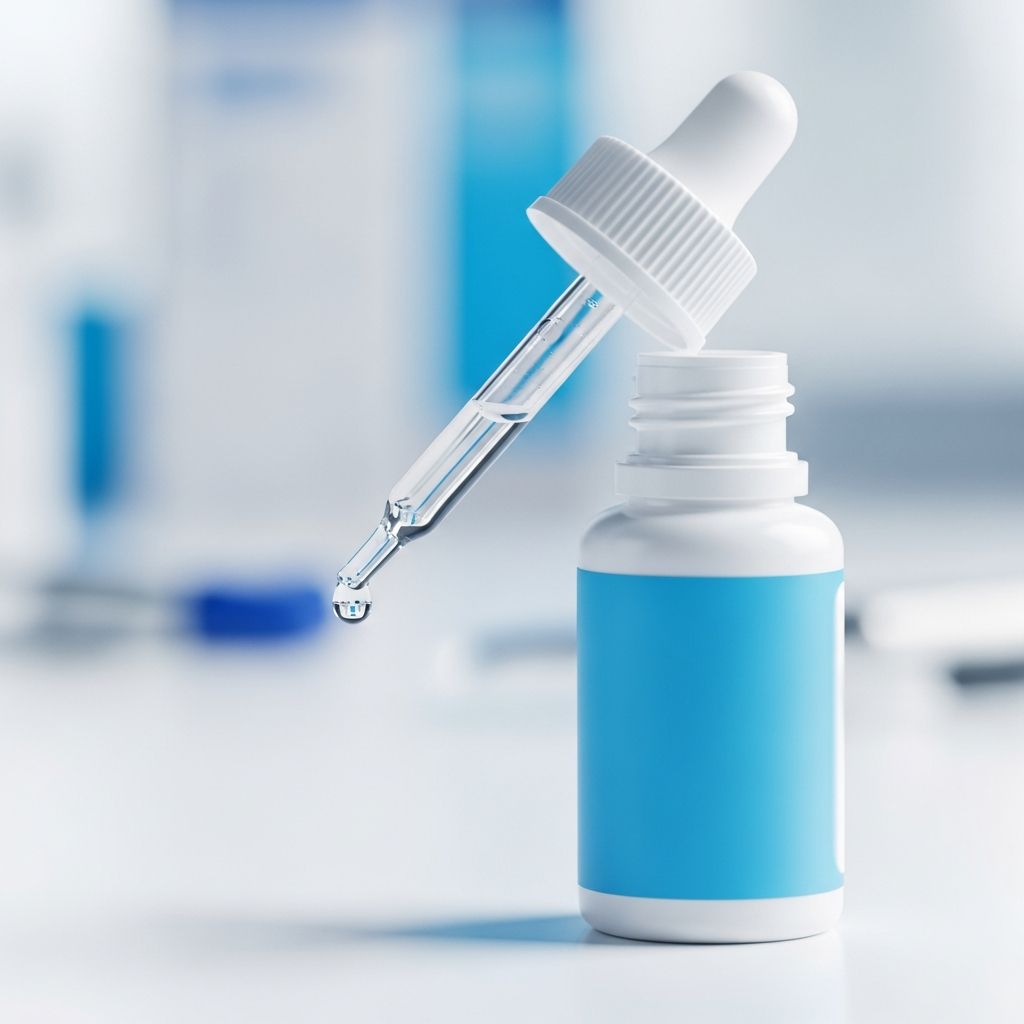
| Type of medicine | Antibacterial eye drops |
|---|---|
| Used for | Eye infections, in adults or in children over 1 year of age |
| Also called | Eyflox®; Oftaquix®; Oxalux® |
| Available as | Eye drops and single-use eye drops |
About levofloxacin for eye infections
Levofloxacin eye drops are prescribed specifically to treat bacterial infections of the eye, such as bacterial conjunctivitis. These drops belong to a class of medications known as quinolone antibiotics, which work by interfering with bacterial DNA replication, effectively killing the bacteria responsible for the infection.They are indicated for adults and children aged 1 year and older, but are not suitable for viral or fungal eye infections.
Bacterial eye infections often present with symptoms like redness, itching, discharge, and discomfort. Levofloxacin targets a broad spectrum of bacteria commonly causing these issues. Unlike oral antibiotics, ophthalmic levofloxacin is applied directly to the eye, minimizing systemic absorption and side effects elsewhere in the body. Treatment typically lasts 5 days, with a specific dosing schedule to ensure the infection is fully eradicated and to prevent antibiotic resistance.
Brands like Eyflox, Oftaquix, and Oxalux contain 5 mg/ml levofloxacin solution. Single-use droppers are available to reduce contamination risk. Always complete the full course, even if symptoms improve early, to avoid recurrence.
Before using levofloxacin eye drops
Before starting levofloxacin eye drops, consult your doctor to ensure they are appropriate for your condition. Certain factors may require extra caution or contraindication:
- Pregnancy or breastfeeding: Inform your doctor, as safety data is limited, though topical use has low systemic exposure.
- Allergies: Do not use if allergic to levofloxacin, other quinolones (e.g., ciprofloxacin), or any excipients in the drops.
- Other medications: Disclose all eye drops, ointments, oral antibiotics, or corticosteroids, as interactions can occur. Wait 5-15 minutes between different eye products.
- Tendon issues: Rarely, fluoroquinolones can cause tendinitis or rupture, even topically. Stop use and seek medical help if tendon pain/swelling occurs, especially in elderly patients or those on corticosteroids.
- Children under 1 year: Dosage must be determined by a doctor; generally not recommended without specialist advice.
Your doctor will assess if levofloxacin is suitable or if alternatives like chloramphenicol are better. Do not wear contact lenses during treatment or for 24 hours after symptoms resolve, as lenses can harbor bacteria.
How to use levofloxacin eye drops
Follow the instructions precisely for optimal results. Read the patient information leaflet (PIL) provided with the pack.
- Wash hands thoroughly with soap and water to prevent contamination.
- Tilt head back and pull down the lower eyelid to form a pouch.
- Instill 1-2 drops into the pouch without touching the dropper tip to the eye, lid, or fingers, to avoid introducing bacteria.
- Close eyes gently for 1-2 minutes without blinking or squeezing, to allow absorption.
- Press on nasolacrimal duct (inner corner of eye near nose) for 1 minute to minimize drainage into the tear duct.
- Repeat for other eye if prescribed.
- Replace cap tightly or discard single-use vial.
Clean eyes first if there’s crusty discharge using cool boiled water and cotton wool (separate for each eye). If using other eye products, apply levofloxacin last and space by 5-10 minutes.
Vision may blur temporarily; wait until clear before driving or operating machinery.
Dosage
The standard regimen for bacterial conjunctivitis (0.5% strength) in adults and children over 1 year:
| Days | Frequency | Notes |
|---|---|---|
| Days 1-2 | 1-2 drops every 2 hours while awake (max 8 times/day) | Do not use at night unless instructed. |
| Days 3-5 (or 7) | 1-2 drops every 4 hours while awake (max 4 times/day) | Continue full course. |
For corneal ulcers (1.5% strength, e.g., Iquix), dosing is more intensive: Days 1-2 every 30 min to 2 hours while awake, then less frequent. Consult doctor for specifics. No dose adjustment for elderly or children over 1 year. If missed, apply ASAP but do not double dose.
Related Stories



Getting the most from your treatment
To maximize efficacy:
- Complete the course: Stopping early can lead to relapse or resistance.
- Hygiene: Wash hands often, avoid sharing towels/pillows, use fresh cotton for cleaning. Bathe crusted eyes before drops.
- No contacts: Until 24 hours post-recovery.
- Storage: Keep at room temperature, protect from light. Discard 4 weeks after opening multi-dose or use single-dose immediately.
- Monitor progress: Improvement expected within 48 hours. Seek doctor if no improvement in 5 days, or if pain, photophobia, vision loss occurs.
Avoid spreading infection: Use separate towels, wash hands after touching eyes.
Side effects
Most side effects are mild and eye-related, affecting about 1 in 10 users. They often resolve quickly.
| Common (affecting >1 in 100) | What to do |
|---|---|
| Burning, stinging, blurred vision | Waits clears; if persistent, consult doctor. |
| Redness, itching, discomfort | Usually short-lived; speak to doctor if troublesome. |
| Headache | Paracetamol; if ongoing, see doctor. |
| Swollen/sticky eyelids | Clean gently; consult if persists. |
Serious (rare): Severe allergy (rash, swelling, breathing difficulty), worsening symptoms, tendon pain. Stop use and seek urgent care. Report to doctor/pharmacist.
Frequently Asked Questions
Q: How quickly do levofloxacin eye drops work?
Symptoms often improve within 48 hours, but complete the full 5-day course.
Q: Can I use these drops with contact lenses?
No, remove lenses before use and wait 24 hours after symptoms resolve.
Q: Are levofloxacin eye drops safe for children?
Yes, for children over 1 year; consult doctor for under 1 year.
Q: What if I miss a dose?
Apply as soon as remembered; do not double up.
Q: Can I drive after using the drops?
Wait until vision clears, as blurring is common.
Q: How long do I use the drops?
Typically 5 days; follow doctor’s instructions exactly.
References
- Levofloxacin (ophthalmic route) — Mayo Clinic. 2023-10-01. https://www.mayoclinic.org/drugs-supplements/levofloxacin-ophthalmic-route/description/drg-20064511
- Levofloxacin eye drops — Patient.info. 2024-05-15. https://patient.info/medicine/levofloxacin-eye-drops-eyflox-oftaquix-oxalux
- Levofloxacin 5mg/ml eye drops solution – PIL — Medicines.org.uk (EMC). 2024-02-20. https://www.medicines.org.uk/emc/product/10520/pil
- Levofloxacin Eye Solution — Cleveland Clinic. 2023-11-10. https://my.clevelandclinic.org/health/drugs/18877-levofloxacin-eye-solution
- Levofloxacin (eye drop): Uses, Side Effects, Dosage — GoodRx (citing FDA). 2024-01-05. https://www.goodrx.com/quixin/what-is
- IQUIX® (levofloxacin ophthalmic solution) 1.5% Labeling — FDA. 2004-08-16. https://www.accessdata.fda.gov/drugsatfda_docs/label/2004/21571_iquix_lbl.pdf
Similar Articles








Read full bio of Sneha Tete