Levofloxacin Eye Drops: A Comprehensive Guide For Safe Use
Comprehensive guide to using levofloxacin eye drops for treating bacterial eye infections effectively and safely.
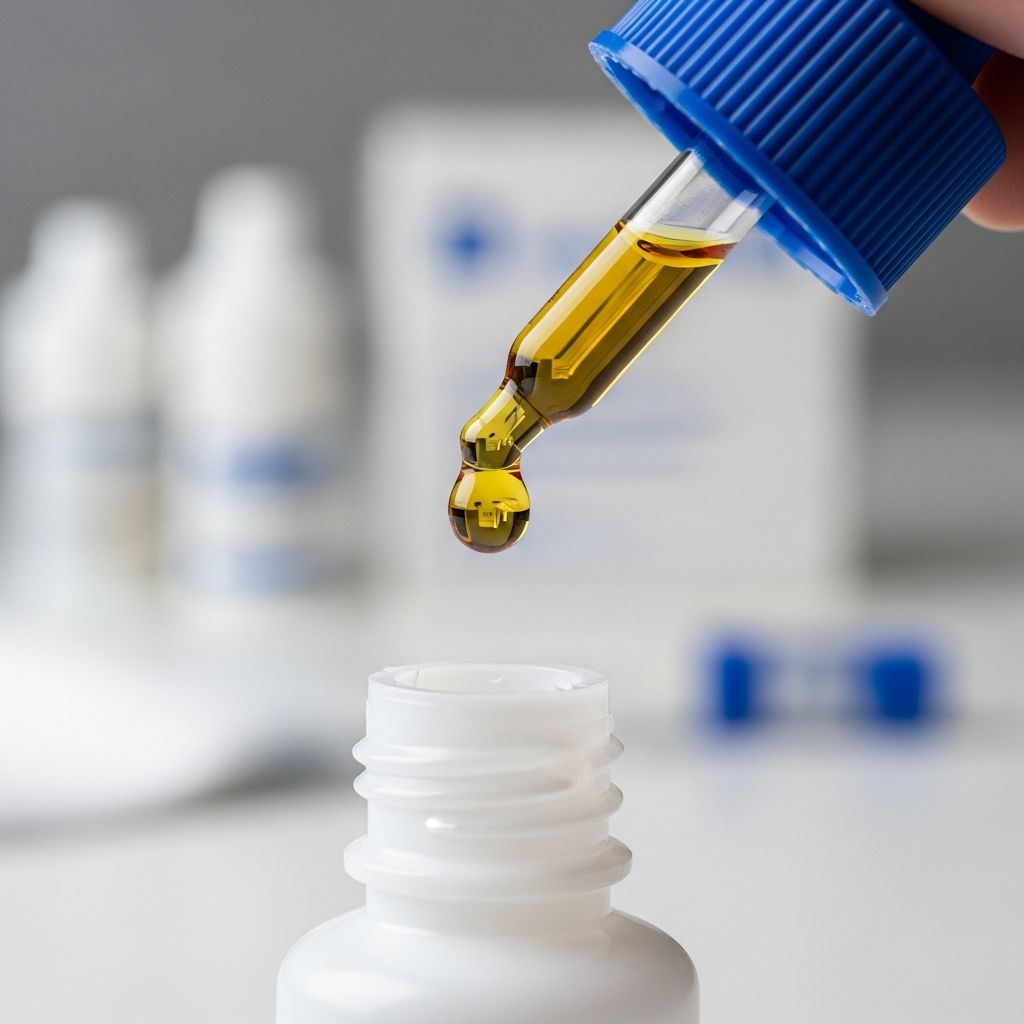
| Type of medicine | Antibacterial eye drops |
|---|---|
| Used for | Bacterial eye infections (conjunctivitis) in adults and children aged 1 year and over |
| Also called | Eyflox®; Oftaquix®; Oxalux® |
| Available as | Eye drops and single-use eye drops |
About levofloxacin eye drops
Levofloxacin eye drops are a targeted antibiotic formulation designed specifically for ocular use to combat bacterial infections in the eye, most commonly bacterial conjunctivitis, also known as pink eye caused by bacteria. These drops belong to the fluoroquinolone class of antibiotics, which work by interfering with bacterial DNA replication, effectively killing the susceptible bacteria responsible for the infection. Unlike oral or intravenous antibiotics, levofloxacin ophthalmic solution is applied directly to the eye’s surface, minimizing systemic absorption and focusing treatment where it’s needed most.
Bacterial conjunctivitis typically presents with symptoms such as redness, itching, discharge, and a gritty sensation in the affected eye(s). Levofloxacin eye drops are indicated for infections caused by susceptible strains including Haemophilus influenzae, Staphylococcus aureus, Staphylococcus epidermidis, Streptococcus pneumoniae, and others. They are suitable for adults, adolescents, and children aged 1 year and older, with no dosage adjustments required for elderly patients or those over 1 year. Importantly, these drops do not treat viral, fungal, or allergic eye conditions, so accurate diagnosis by a healthcare professional is essential before starting treatment.
The standard treatment duration is typically 5 to 7 days, depending on the product and severity, ensuring the infection is fully eradicated to prevent recurrence or resistance development. Brand names like Eyflox, Oftaquix, and Oxalux offer the same active ingredient in convenient multi-dose or single-use preservative-free formats, ideal for sensitive eyes.
Before using levofloxacin eye drops
Before initiating treatment with levofloxacin eye drops, consult your doctor to ensure suitability, especially if you have specific health conditions or are using other medications. Inform your healthcare provider if you are pregnant, breastfeeding, or planning pregnancy, as while systemic absorption is low, safety data in these groups should be reviewed. Disclose any history of allergic reactions to antibiotics, particularly fluoroquinolones, or other eye preparations, as hypersensitivity can occur.
Levofloxacin eye drops may interact with other eye drops or ointments; always wait 5-15 minutes between applications to allow proper absorption. Patients with a history of tendon disorders should be cautious, as rare cases of tendinitis or tendon rupture have been associated with fluoroquinolones, even topically, especially in older adults or those on corticosteroids. Additionally, avoid contact lens wear during treatment and for 24 hours after symptoms resolve, as lenses can harbor bacteria and exacerbate infection.
Children under 1 year require doctor-determined dosing, and the medication should only be used under medical supervision. If you have myasthenia gravis or severe kidney issues, discuss risks, though topical use poses lower systemic concerns.
How to use levofloxacin eye drops
Proper administration maximizes efficacy and minimizes waste. Always wash your hands thoroughly with soap and water before handling the bottle to prevent contamination. Shake the bottle if instructed, then tilt your head back slightly and use a mirror if helpful. Gently pull down the lower eyelid to create a small pouch.
Hold the dropper tip close to the eye without touching it to avoid contamination. Squeeze to release 1-2 drops into the pouch; use a second drop only if the first misses. Close your eye gently for 1-2 minutes without blinking or squeezing to allow the medication to spread across the eye surface. Press lightly on the inner corner of the eye (near the nose) to block the tear duct, preventing drainage into the nose and throat.
Related Stories



Repeat for the other eye if prescribed bilaterally. Replace the cap securely on multi-dose bottles or discard single-use units immediately after use. If using other eye medications, apply levofloxacin last or space by 5-10 minutes. Store at room temperature, away from children, and do not use beyond the expiry date or if discolored.
Dosage
The recommended dosage for bacterial conjunctivitis in patients 1 year and older is:
| Days | Frequency | Drops per affected eye | Maximum daily uses |
|---|---|---|---|
| 1 and 2 | Every 2 hours while awake | 1-2 drops | 8 times |
| 3 to 5 (or 7) | Every 4 hours while awake | 1-2 drops | 4 times |
Do not wake at night for doses. Complete the full course, even if symptoms improve early, to prevent resistance. Consult a doctor if no improvement after 5 days or worsening occurs.
Getting the most from your treatment
To optimize outcomes, read the patient information leaflet (PIL) provided with your drops for brand-specific details. Clean crusted eyes with cooled boiled water using a clean cloth before applying drops to enhance penetration. Use drops only while awake and at regular intervals; set reminders to avoid missing doses.
Temporary blurred vision is common post-application—wait until clear before driving or operating machinery. Practice hygiene: wash hands frequently, avoid sharing towels/pillows, and don’t touch eyes to prevent spread to the other eye or family members. Discard the bottle 4 weeks after opening or per label instructions.
If prescribed multiple eye products, alternate with 5-10 minute gaps. Symptoms should improve within 48 hours; seek immediate care for pain, light sensitivity, vision changes, or worsening.
Side effects
Most side effects are mild and eye-related, affecting about 1 in 10 users, resolving quickly. Common ones include:
- Burning or stinging sensation upon instillation, usually brief.
- Blurred vision temporarily after use.
- Redness, itching, or swollen eyelids; sticky discharge.
- Headache—manage with hydration and over-the-counter pain relief.
Rare but serious effects (less than 1 in 100): severe allergic reactions (rash, swelling, breathing difficulty), tendon pain/swelling, or persistent vision decrease—stop use and seek urgent medical help. Report any new symptoms to your doctor or pharmacist.
| Side Effect | Advice |
|---|---|
| Burning feeling, decreased vision | Should clear quickly; consult doctor if persistent. |
| Headache | Drink water, use painkiller; see doctor if ongoing. |
| Redness, itching, swollen eyelids | Speak to doctor if troublesome. |
Frequently Asked Questions
Can I wear contact lenses while using levofloxacin eye drops?
No, avoid contact lenses during treatment and for 24 hours after symptoms resolve to prevent bacterial harboring.
How long do I use the drops?
Typically 5 days: intensive first 2 days, then reduced. Complete full course as prescribed.
What if I miss a dose?
Apply as soon as remembered; resume schedule. Do not double dose.
Is it safe for children?
Yes, for ages 1+; doctor determines for under 1.
What if symptoms don’t improve?
See doctor after 5 days or if worsening, pain, or vision issues occur.
References
- Levofloxacin (ophthalmic route) — Mayo Clinic. 2023-10-01. https://www.mayoclinic.org/drugs-supplements/levofloxacin-ophthalmic-route/description/drg-20064511
- Levofloxacin eye drops — Patient.info. 2024-05-15. https://patient.info/medicine/levofloxacin-eye-drops-eyflox-oftaquix-oxalux
- Levofloxacin 5mg/ml eye drops solution – Patient Information Leaflet — Medicines.org.uk (EMC). 2024-02-20. https://www.medicines.org.uk/emc/product/10520/pil
- Levofloxacin Eye Solution — Cleveland Clinic. 2023-11-10. https://my.clevelandclinic.org/health/drugs/18877-levofloxacin-eye-solution
- LEVOFLOXACIN solution – DailyMed — NIH DailyMed. 2024-01-05. https://dailymed.nlm.nih.gov/dailymed/drugInfo.cfm?setid=f2eb9444-333d-4b05-8cf3-2e6690a2bf99
- Levofloxacin (eye drop): Uses, Side Effects, Dosage — GoodRx. 2024-08-12. https://www.goodrx.com/quixin/what-is
Similar Articles








Read full bio of medha deb