Lice Vs. Dandruff: 6 Key Differences To Spot Quickly
Discover key differences between lice and dandruff, including symptoms, causes, and effective treatments to correctly identify and manage scalp issues.
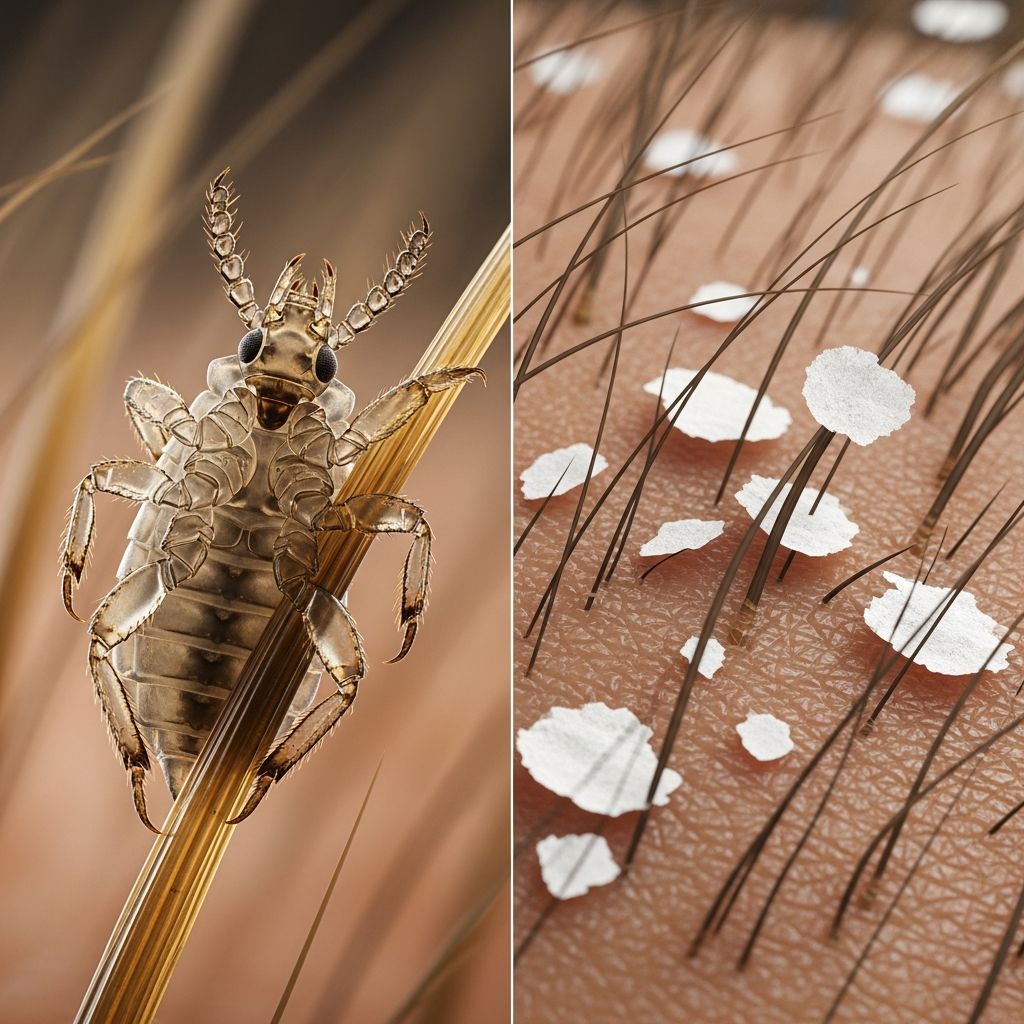
An itchy scalp with white specks in your hair can be alarming, but it doesn’t always mean lice. Dandruff is a common culprit that mimics these symptoms. While both conditions cause flaking and irritation, understanding their differences is crucial for effective treatment.
Lice are parasitic insects that infest the scalp, feeding on blood and laying eggs called nits. Dandruff, or seborrheic dermatitis, results from rapid skin cell turnover, often triggered by yeast or dry skin. Misdiagnosis can lead to ineffective remedies—anti-lice shampoos won’t help dandruff, and dandruff shampoos won’t eliminate lice. This article breaks down symptoms, causes, identification tips, and treatments.
What Are Lice?
Head lice (Pediculus humanus capitis) are tiny, wingless insects about the size of a sesame seed, measuring 2-3 mm long. They live exclusively on human scalps, clinging to hair shafts with hook-like claws. Lice require a human host to survive, feeding on blood several times daily, which causes intense itching.
Females lay 3-10 eggs (nits) per day, gluing them firmly to hair shafts near the scalp for warmth. Nits hatch in 7-10 days into nymphs, which mature into adults in 9-12 days. A full infestation cycle lasts about a month without treatment. Lice do not jump or fly but spread via direct head-to-head contact or shared items like hats, combs, or towels.
Common in children aged 3-12, lice affect 6-12 million U.S. kids yearly, often in schools or camps. Adults in close contact, like parents or teachers, are also at risk. Unlike body lice, head lice do not transmit diseases but can lead to secondary bacterial infections from scratching.
What Is Dandruff?
Dandruff is a mild form of seborrheic dermatitis, a chronic skin condition causing the scalp’s top layer to shed excessively. This produces white or yellowish flakes, itchiness, and sometimes redness. Affecting up to 50% of adults, dandruff stems from multiple factors rather than a single parasite.
The primary trigger is Malassezia, a yeast-like fungus naturally present on most scalps. In sensitive individuals, Malassezia feeds on scalp oils (sebum), producing oleic acid that irritates the skin, accelerating cell turnover. Other contributors include dry skin, harsh hair products, stress, cold weather, and conditions like psoriasis or eczema.
Symptoms often worsen in winter due to low humidity and can appear on the face, ears, chest, or eyebrows. Unlike lice, dandruff is not contagious and varies in severity from mild flaking to greasy scales.
Key Differences Between Lice and Dandruff
While both cause scalp flakes and itching, close inspection reveals distinct traits. Use a magnifying glass or bright light for accuracy.
| Characteristic | Lice | Dandruff |
|---|---|---|
| Cause | Parasitic insects (head lice) | Skin condition (yeast overgrowth, dry skin, seborrheic dermatitis) |
| Appearance | Tiny tan/gray bugs; oval nits glued to hair shafts | Irregular white/yellowish flakes |
| Movement | Crawling sensation; live lice move quickly | No movement; flakes are static |
| Attachment | Nits stick firmly; won’t flake off easily | Flakes slide off with light touch |
| Location | Behind ears, nape, crown | Entire scalp, uniform distribution |
| Contagious | Yes, via head contact | No |
Nits are teardrop-shaped, 0.8 mm long, and located within 1/4 inch of the scalp. Dandruff flakes are larger, irregular, and cluster anywhere, often falling to shoulders.
Related Stories



Symptoms of Lice
- Tingling or crawling sensation on scalp
- Intense itching, worse at night
- Visible nits or lice (use comb for detection)
- Rash or red bumps on neck/shoulders
- Swollen lymph nodes behind ears/neck from infection
- Irritability, trouble sleeping due to itch
Scratching can cause sores, increasing infection risk. Early detection prevents spread.
Symptoms of Dandruff
- White/yellow flakes on hair, scalp, clothes
- Mild to moderate itching, worse when dry
- Oily or dry scalp with greasy scales
- Red, inflamed patches
- Flaking on face, ears, chest
- Symptoms flare in winter or with stress
Hair loss is rare and temporary, linked to severe inflammation.
How To Tell If You Have Lice or Dandruff
Part hair into sections under bright light. Wet combing with a fine-tooth lice comb over white paper helps: lice/nits show as moving dots or stuck eggs; dandruff scatters loosely.
- Check attachment: Flick flakes—dandruff falls; nits resist and “pop” when crushed.
- Look for movement: Live lice dart; dandruff doesn’t.
- Inspect hotspots: Lice prefer warm areas; dandruff is widespread.
- Recent exposure: School outbreaks suggest lice.
If unsure, consult a doctor or lice professional. Magnification confirms diagnosis.
Treatment for Lice
Treat promptly to break the cycle. OTC options include permethrin (1%) or pyrethrin shampoos—apply, leave 10 minutes, comb out dead lice/nits. Repeat in 7-10 days. Prescription ivermectin or malathion for resistant cases.
- Wash bedding/clothes in hot water (>130°F).
- Vacuum furniture; seal non-washables in bags 2 weeks.
- Comb daily for 2 weeks with conditioner to spot nits.
- Avoid sharing items.
Home remedies like tea tree oil or mayonnaise lack strong evidence. Professional heat treatments offer 99% success without chemicals.
Treatment for Dandruff
Antifungal shampoos target Malassezia: zinc pyrithione (Head & Shoulders), ketoconazole (Nizoral), selenium sulfide, or coal tar. Use 2-3 times weekly, lather 5 minutes.
- Moisturize dry scalps with oils.
- Avoid irritants like hot showers, dyes.
- Severe cases need prescription steroids or antifungals.
Consistency is key; symptoms recur without maintenance.
Can You Have Both Lice and Dandruff?
Yes, though uncommon. Treat lice first as it’s contagious, then dandruff. Scratching from lice can worsen dandruff-like irritation, resolving post-elimination.
Prevention Tips
- For lice: Avoid head contact; don’t share brushes/hats; check kids weekly.
- For dandruff: Use medicated shampoo regularly; manage stress; humidify in winter.
Frequently Asked Questions (FAQs)
Do lice and dandruff look the same?
No. Lice nits are tiny, glued ovals; dandruff flakes are larger, loose, and irregular.
Is dandruff contagious?
No, it’s a skin condition, not an infection.
Can lice cause dandruff?
No direct link, but scratching can mimic dandruff symptoms.
How long do lice live off the head?
24-48 hours without a host.
Does hair color affect lice or dandruff?
Lice prefer clean hair regardless of color; dandruff flakes appear yellow/white on light skin, brown on dark.
When to see a doctor?
If OTC fails, infection signs appear, or unsure of diagnosis.
References
- Lice vs. dandruff: Differences, pictures, and symptoms — Medical News Today. 2023-05-15. https://www.medicalnewstoday.com/articles/324051
- Lice vs. Dandruff: Key Differences and Identification — Healthgrades. 2024-02-10. https://resources.healthgrades.com/right-care/skin-hair-and-nails/lice-vs-dandruff
- Is there a link between dandruff and head lice — Head & Shoulders. 2023-11-20. https://headandshoulders.com/en-us/healthy-hair-and-scalp/dandruff/is-there-a-link-between-dandruff-and-head-lice
- How to Tell the Difference Between Lice vs. Dandruff — Lice Clinics of America. 2024-08-05. https://www.liceclinicsofamerica.com/how-to-tell-the-difference-between-lice-vs-dandruff/
- Lice vs Dandruff: Understanding the Key Differences — Hims. 2024-03-12. https://www.hims.com/blog/lice-vs-dandruff
Similar Articles








Read full bio of Sneha Tete