Lice: Complete Guide To Diagnosis, Treatment, And Prevention
Comprehensive guide to head, body, and pubic lice: symptoms, diagnosis, effective treatments, and prevention strategies for pediculosis.
Authoritative facts about lice (pediculosis) and what you can do
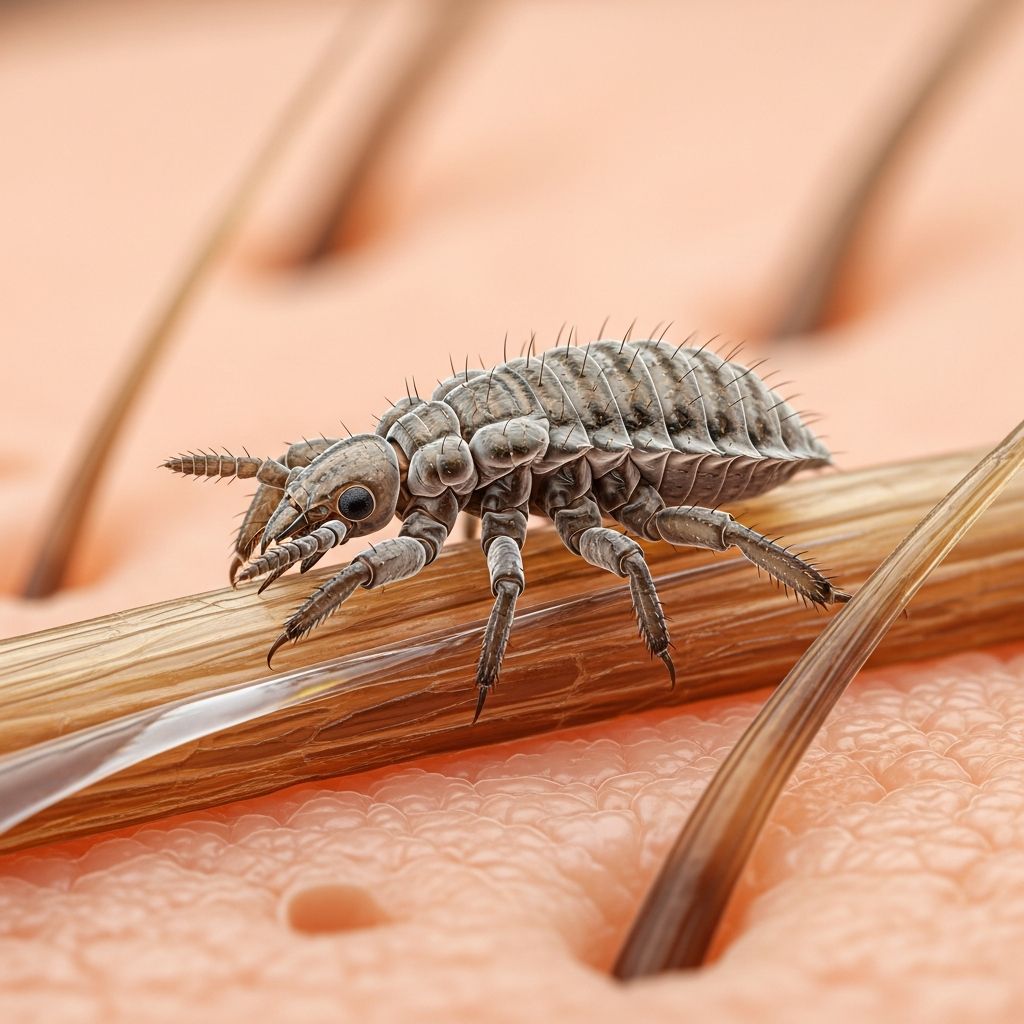
Lice are small, wingless ectoparasites that infest humans, belonging to the order Phthiraptera. There are three main species affecting humans:
head lice
(Pediculus humanus capitis),body lice
(Pediculus humanus corporis), andpubic lice
(Pthirus pubis, also known as crabs). These parasites live on the body, feeding on blood multiple times daily, and cause pediculosis—a common, itchy infestation. Head lice primarily affect the scalp, body lice inhabit clothing and skin seams, and pubic lice target coarse body hair.Infestations are worldwide, most common in children for head lice, and spread through close contact. While not transmitting major diseases like in body lice (historically trench fever), they cause significant discomfort, secondary infections from scratching, and social stigma. Effective management involves accurate diagnosis, targeted treatments, and environmental controls.
What causes lice?
Lice are obligate parasites requiring human hosts to survive. They grasp hair or clothing with specialized claws. Transmission occurs via:
- Direct head-to-head contact for head lice, common in schools and families.
- Sharing infested combs, hats, or bedding (less common).
- Body-to-body contact or shared clothing for body lice, prevalent in crowded, unhygienic conditions.
- Intimate (sexual) contact for pubic lice.
Adult lice are 2-4 mm long, grayish-white, and fast-moving. Females lay 50-300 eggs (nits), cemented to hair shafts with chitinous glue. Nits hatch in 7-10 days into nymphs, maturing in 9-15 days. Without a host, lice die within 48 hours.
Types of lice
Head lice (pediculosis capitis)
The most common type, infesting scalps worldwide, especially children aged 3-12. They do not carry diseases but cause intense pruritus from salivary anticoagulants during blood meals (up to 5/day).
Body lice (pediculosis corporis)
Found in clothing seams, not on the body except during feeding. Associated with poor hygiene, they transmit diseases like epidemic typhus, trench fever, and relapsing fever via feces rubbed into bites.
Pubic lice (pediculosis pubis)
“Crabs” due to claw shape, infesting pubic, axillary, and facial hair. Spread sexually, they cause blue-gray macules (maculae ceruleae) from bites.
Life cycle of lice
All human lice follow a similar cycle:
- Egg (nit): Laid near scalp (head lice) or clothing folds; hatches in 6-10 days.
- Nymph: 3 stages, maturing in 9-12 days with 3 molts.
- Adult: Lives 30 days on host, feeding 4-5 times/day. Females lay 3-10 eggs/day.
In cool climates, nits are laid close to the scalp for warmth; further down in heat. Empty nits appear white and visible as hair grows.
Signs and symptoms of lice
Primary symptom is
pruritus
, worse at night. Other signs include:- Visible live lice (occiput, ears) or nits (hair shafts <1 cm from scalp).
- Black louse feces, hemorrhagic papules (bites).
- Secondary bacterial infection (impetigo), crusting, lymphadenopathy.
- Body lice: rash on trunk; pubic lice: maculae ceruleae.
Related Stories



| Type | Key Signs | Common Sites |
|---|---|---|
| Head | Itch, nits on hair, lice on scalp | Occiput, post-auricular |
| Body | Pruritus trunk, scratch marks | Clothing seams, waistband |
| Pubic | Itch genitals, blue spots | Pubic/axillary hair |
Diagnosis of lice
Diagnosis relies on finding live lice or viable nits. Methods:
- Visual inspection: Part hair systematically; use magnification.
- Wet combing: Apply conditioner, comb with fine-tooth lice comb; wipe on tissue. Repeat every 3-5 days.
- Dermoscopy: Reveals nits’ cementing sheath; distinguishes from dandruff (slides off).
Only 10-20 adult head lice per infestation; nymphs/nits more common. Differentiate nits from hair casts, debris.
Treatment of lice
Treatment targets lice and nits; repeat in 7 days for hatched eggs. Combine chemical, physical methods. Treat all close contacts.
Head lice treatments
- Dimethicone 4% lotion: Suffocant; apply twice, 7 days apart. 69-92% cure; no resistance. Safe, non-insecticidal.
- Insecticides: Permethrin 1%, malathion (maldison); shampoos less effective—use lotions. Resistance common; rotate if fails.
- Wet combing: Conditioner + nit comb daily for 2 weeks. Effective alone; 30-60 min/session.
Body lice
Improve hygiene; wash/hot-dry clothing/bedding. Apply permethrin cream to body (avoid eyes). Iron seams.
Pubic lice
Shave if feasible; apply malathison 1% to hairy areas (not scalp/eyelashes). Vaseline to eyelashes x3 weeks or forceps removal. Treat partners.
Resistance: Common; switch agents if live lice persist.
Prevention of lice
- Avoid head contact; don’t share combs/hats.
- Weekly checks in high-risk groups (schools).
- Hot wash (60°C+) fabrics; vacuum furniture.
- Sexual precautions for pubic lice.
Potential complications
Heavy infestations cause:
- Secondary impetigo, cellulitis from scratching.
- Alopecia, cervical nodes (head).
- Systemic infections (body lice).
Similar conditions
Dandruff, seborrheic dermatitis, psoriasis mimic nits. Live lice confirm diagnosis.
Frequently asked questions
Q: Do head lice carry diseases?
A: No, unlike body lice. They cause itch and secondary infections only.
Q: How long do treatments take?
A: Two applications 7 days apart; wet combing daily for 2 weeks.
Q: Can lice jump?
A: No, they crawl. Direct contact required.
Q: Treat whole family?
A: Yes, check/treat infested and contacts simultaneously.
Q: Safe for pregnant women?
A: Dimethicone preferred; consult doctor for insecticides.
References
- Pediculosis – Arthropod infestations — DermNet NZ. 2023. https://dermnetnz.org/cme/arthropods/pediculosis
- Head lice. Pediculosis capitis — DermNet NZ. 2023. https://dermnetnz.org/topics/head-lice
- How To Get Rid Of Head Lice — KidsHealth.org.nz. 2024. https://www.kidshealth.org.nz/head-lice
- Head lice & nits — Raising Children Network. 2024. https://raisingchildren.net.au/guides/a-z-health-reference/head-lice
- Head lice — Health Information Australia. 2023. https://healthinformationaustralia.com.au/api/xml/?token=BA49093FD6F225AAA6D85877&filename=cc-a4-head-lice-final.pdf
- Appropriate Use of Head Lice Treatments — Medsafe (NZ Govt). 2017-03-01. https://www.medsafe.govt.nz/profs/PUArticles/March2017/HeadLice.htm
Similar Articles








Read full bio of medha deb