Lichen Nitidus: Symptoms, Causes, and Treatment
Understanding this rare, benign skin condition affecting children and young adults.
What Is Lichen Nitidus?
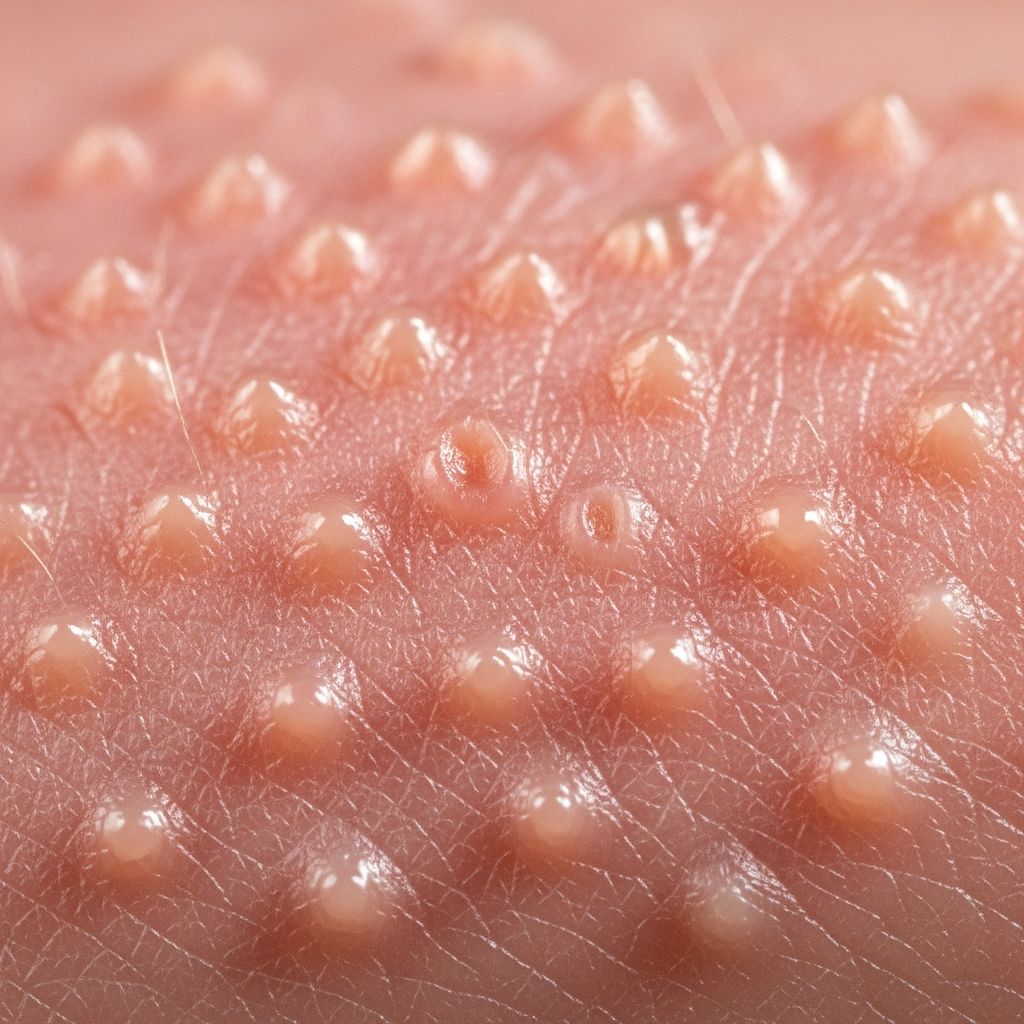
Lichen nitidus is a rare, benign inflammatory skin condition characterized by the eruption of tiny, flesh-colored bumps (papules) on the skin. The name derives from the Latin word ‘nitidus,’ meaning shiny, as these lesions typically have a glistening appearance. The condition is usually harmless and asymptomatic, presenting as clusters of small bumps measuring approximately 1 to 2 millimeters in diameter.
Although lichen nitidus is not painful and rarely causes discomfort, it may cause cosmetic concerns for patients who are bothered by its appearance. The condition typically develops in children and young adults, though it can affect individuals of any age. Most cases resolve spontaneously without treatment within a few months to one year.
Characteristics and Appearance
Lichen nitidus lesions are distinctly small, uniform papules that appear skin-colored and have a characteristic shiny quality. The bumps are typically uniform in size and distribution, presenting as discrete lesions rather than confluent patches. These lesions commonly affect the upper extremities, chest, and abdomen.
One notable feature of lichen nitidus is the Koebner phenomenon, wherein new lesions can develop in areas where the skin has been scratched or traumatized. This means that areas of repeated friction or injury may show an increased concentration of lesions.
Unusual Presentations
While lichen nitidus typically presents as small bumps on the skin surface, the condition can manifest with unique features in specific anatomical areas:
- Nails: Lichen nitidus affecting the nails can cause vertical grooves and ridges on the nail plate, thickening, pitting, or in severe cases, detachment of the nail.
- Oral mucosa: When lesions develop on the oral mucosa (the membrane lining the inner mouth), they typically present with a flat, grayish appearance rather than raised papules.
- Palms and soles: Involvement of these areas may require specific treatment approaches, such as topical retinoids.
Causes and Risk Factors
The exact etiology of lichen nitidus remains unclear, and researchers have not definitively identified a single causative agent. However, the condition is believed to result from an abnormal immune response involving T lymphocytes, a type of white blood cell responsible for immune function.
Several factors may contribute to the development of lichen nitidus:
- Genetic predisposition: The condition may be linked to genetic factors, though specific genetic mutations have not been identified.
- T lymphocyte dysfunction: An excess or abnormal activity of T cells appears to play a central role in the pathogenesis of the condition.
- Inflammation: Underlying inflammatory processes related to immune regulation may trigger the development of lesions.
- Skin trauma: Through the Koebner phenomenon, repetitive scratching or skin injury can precipitate new lesions.
Associated Conditions
Although lichen nitidus is typically an isolated condition, it has been documented in association with several other dermatological and systemic conditions, including:
Related Stories



- Hepatitis C: A liver infection caused by the hepatitis C virus that can result in severe liver damage.
- Vitiligo: A condition characterized by pale white patches on the skin resulting from a lack of melanin pigment.
- Lichen spinulosus: A rare, benign skin condition presenting as spiny, rough spots, commonly affecting children and adolescents.
These associations are not present in all cases and require further research to establish clear causative relationships.
Diagnosis
Lichen nitidus is typically diagnosed based on clinical appearance alone. Dermatologists can usually identify the condition from its characteristic presentation of tiny, shiny, flesh-colored papules distributed in a characteristic pattern.
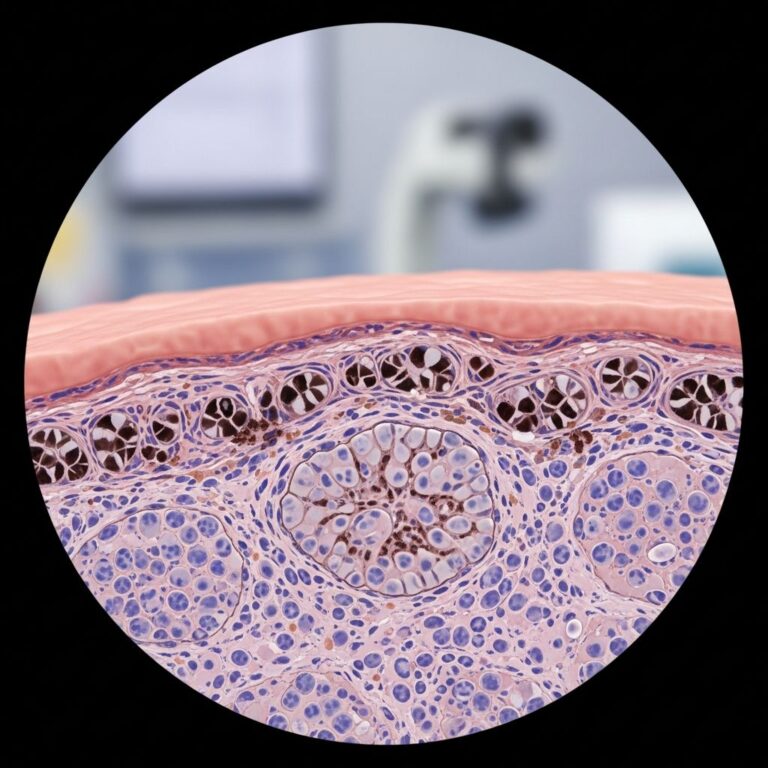
If clinical diagnosis is uncertain, a dermatologist may perform a skin biopsy to confirm the diagnosis. During this procedure, a small sample of affected skin is removed and examined under a microscope to confirm the histological features consistent with lichen nitidus, including characteristic inflammatory infiltrates in the dermal layer of skin.
Symptoms and Clinical Course
Most cases of lichen nitidus are completely asymptomatic, with affected individuals experiencing no discomfort or pain. The lesions appear spontaneously without an obvious trigger in most cases.
When symptoms do occur, they may include:
- Itching: Some patients experience mild to moderate pruritus associated with the lesions.
- Cosmetic concern: The appearance of the bumps may be bothersome to patients, particularly if they are visible on exposed areas of skin.
- Post-inflammatory hyperpigmentation: After lesions resolve, areas of darker skin pigmentation may develop but typically fade within months.
The natural course of lichen nitidus is generally favorable. Most cases clear spontaneously within a few months to one year without any treatment. After resolution, the skin typically returns to its normal appearance without scarring or permanent changes to skin color.
Treatment Options
Since lichen nitidus is usually harmless and asymptomatic, most cases do not require treatment. However, if the condition causes itching, cosmetic distress, or other symptomatic concerns, several evidence-based treatment options are available.
Topical Corticosteroids
Topical corticosteroids are steroid treatments applied directly to the skin in the form of lotions, gels, and ointments. These medications help reduce inflammation and irritation. Examples include clobetasone, hydrocortisone cream, and other prescription-strength formulations. Over-the-counter steroid creams may help with mild itching, while stronger prescription-strength options are available for more significant symptoms.
While effective, long-term use of topical corticosteroids can cause skin thinning, decreased treatment efficacy, and other skin complications.
Systemic Corticosteroids
For widespread or persistent cases, oral corticosteroids may be prescribed to reduce systemic inflammation. However, long-term oral corticosteroid use carries potential side effects including weakening of the bones (osteoporosis), diabetes, hypertension, and elevated cholesterol levels.
Topical Calcineurin Inhibitors
Medications such as tacrolimus and pimecrolimus are topical calcineurin inhibitors that help suppress immune function and reduce inflammation. These agents work by slowing the release of T cells by the immune system, addressing the underlying pathophysiology of lichen nitidus. Calcineurin inhibitors are particularly useful for treating sensitive areas of the body and can help reduce inflammation and itching without the long-term side effects associated with prolonged corticosteroid use. However, users should follow their doctor’s instructions carefully, as excessive use can affect kidney function.
Phototherapy
Phototherapy uses artificial light or natural sunlight to remove skin lesions and represents an effective treatment option for lichen nitidus. Several types of phototherapy have demonstrated success:
- Narrow-band UVB (NB-UVB) therapy: This uses a specific wavelength of ultraviolet B light to treat skin problems. A 2007 case study involving two patients found that lichen nitidus cleared up after 18 to 20 UVB light treatments.
- PUVA (Photochemotherapy): This uses ultraviolet A radiation to activate a photosensitive drug in the body, promoting lesion resolution.
- UVA therapy: Ultraviolet A light penetrates deeply into the skin and has been used with some success.
Multiple treatment sessions are typically necessary before visible results appear. Phototherapy is considered safe for individuals of any age but requires limiting sun exposure after treatment.
Antihistamines
Antihistamines such as diphenhydramine (Benadryl) can help treat itchiness associated with lichen nitidus. These medications act against histamine, a protein involved in inflammatory activity, and help relieve pruritus. Antihistamines are available in both oral and topical formulations.
Retinoids
Retinoid medications such as acitretin and isotretinoin may be prescribed, particularly for patients with widespread lesions or involvement of specific body areas. Acitretin shows good results for patients whose condition affects the palms and soles. In one documented case, a patient with diffuse itchiness and cosmetic concerns experienced significant improvement after taking isotretinoin for four months.
Antifungal Medications
Antifungal agents such as itraconazole may be considered in certain cases to prevent secondary infection, though their primary efficacy in treating lichen nitidus is limited.
Corticosteroid Injections
For patients whose condition affects the nails, direct corticosteroid injections into the affected area may be necessary to address nail involvement and promote resolution.
Treatment Comparison Table
| Treatment Type | Application Method | Best For | Potential Side Effects |
|---|---|---|---|
| Topical Corticosteroids | Cream, ointment, lotion | Localized mild-to-moderate symptoms | Skin thinning, decreased efficacy with long-term use |
| Calcineurin Inhibitors | Topical cream/ointment | Sensitive skin areas | Rare; kidney function concerns with excessive use |
| Phototherapy (NB-UVB/PUVA) | In-office light exposure | Widespread lesions; resistant cases | Sun sensitivity; requires multiple sessions |
| Antihistamines | Oral or topical | Pruritus management | Drowsiness (with systemic antihistamines) |
| Retinoids | Systemic oral medication | Widespread/persistent cases | Teratogenicity; photosensitivity; dry skin |
Prevention
Lichen nitidus is not preventable, as the exact causative mechanisms remain unclear and the condition appears to arise from inherent immune system dysfunction rather than external factors that can be modified. However, avoiding skin trauma may help minimize the Koebner phenomenon and limit new lesion formation in susceptible individuals.
Prognosis and Outlook
The prognosis for lichen nitidus is excellent. The condition does not increase the risk of skin cancer and does not cause medical complications. Most cases resolve spontaneously within months to one year without treatment. After resolution, the skin typically returns to normal appearance without scarring or permanent pigmentation changes.
While post-inflammatory hyperpigmentation may occur after lesion resolution, these areas of darker skin usually fade within months. In cases where hyperpigmentation persists, treatments such as skin-lightening creams or gentle chemical peels may help even out skin tone.
Frequently Asked Questions
Q: Is lichen nitidus contagious?
A: No, lichen nitidus is not contagious. It is a benign inflammatory condition caused by internal immune dysfunction and cannot be transmitted from person to person.
Q: Does lichen nitidus require treatment?
A: Most cases do not require treatment as the condition is harmless and asymptomatic. Treatment is only necessary if patients experience itching, have cosmetic concerns, or develop complications.
Q: How long does lichen nitidus last?
A: Most cases resolve spontaneously within a few months to one year without treatment. However, some cases may persist longer, particularly if widespread.
Q: Can lichen nitidus affect the nails?
A: Yes, lichen nitidus can affect the nails, causing vertical grooves, ridges, pitting, thickening, or in severe cases, nail detachment. Treatment with corticosteroid injections may be necessary.
Q: What should I do if I notice symptoms?
A: Contact a dermatologist if you develop suspected lichen nitidus or experience itching, cosmetic distress, or other symptoms. A dermatologist can confirm diagnosis and recommend appropriate treatment options.
Q: Will lichen nitidus leave scars?
A: No, lichen nitidus typically does not cause scarring. After resolution, the skin usually returns to its normal appearance without permanent changes.
References
- Lichen Nitidus: Symptoms and Treatment — Healthgrades. 2024. https://resources.healthgrades.com/right-care/skin-hair-and-nails/lichen-nitidus
- Lichen Nitidus — MD Searchlight. 2024. https://mdsearchlight.com/skin-problems-and-treatments/lichen-nitidus/
- Lichen Nitidus: Symptoms, Pictures, Causes, and Treatment — Healthline. 2024. https://www.healthline.com/health/lichen-nitidus
- Lichen Nitidus — Mosaic Life Care. 2024. https://www.mymlc.com/health-information/diseases-and-conditions/l/lichen-nitidus2/
- Lichen Nitidus: Symptoms, Diagnosis, Management & Outlook — Cleveland Clinic. 2024. https://my.clevelandclinic.org/health/diseases/17943-lichen-nitidus
- Lichen Nitidus: Understanding Small White Papular Rash — Indiana University Dermatology Trials. 2024. https://dermatrials.medicine.iu.edu/blogs/lichen-nitidus-shiny-spots-papular-rashes
- Lichen Nitidus: A Benign Cause of Bumpy Skin — WebMD. 2024. https://www.webmd.com/skin-problems-and-treatments/what-is-lichen-nitidus
- Lichen Nitidus — StatPearls, National Center for Biotechnology Information. 2024. https://www.ncbi.nlm.nih.gov/books/NBK551709/
Similar Articles








Read full bio of Sneha Tete