Lichen Planus: Causes, Symptoms, and Treatment
Understand lichen planus: Its causes, symptoms, and comprehensive treatment options.
Understanding Lichen Planus
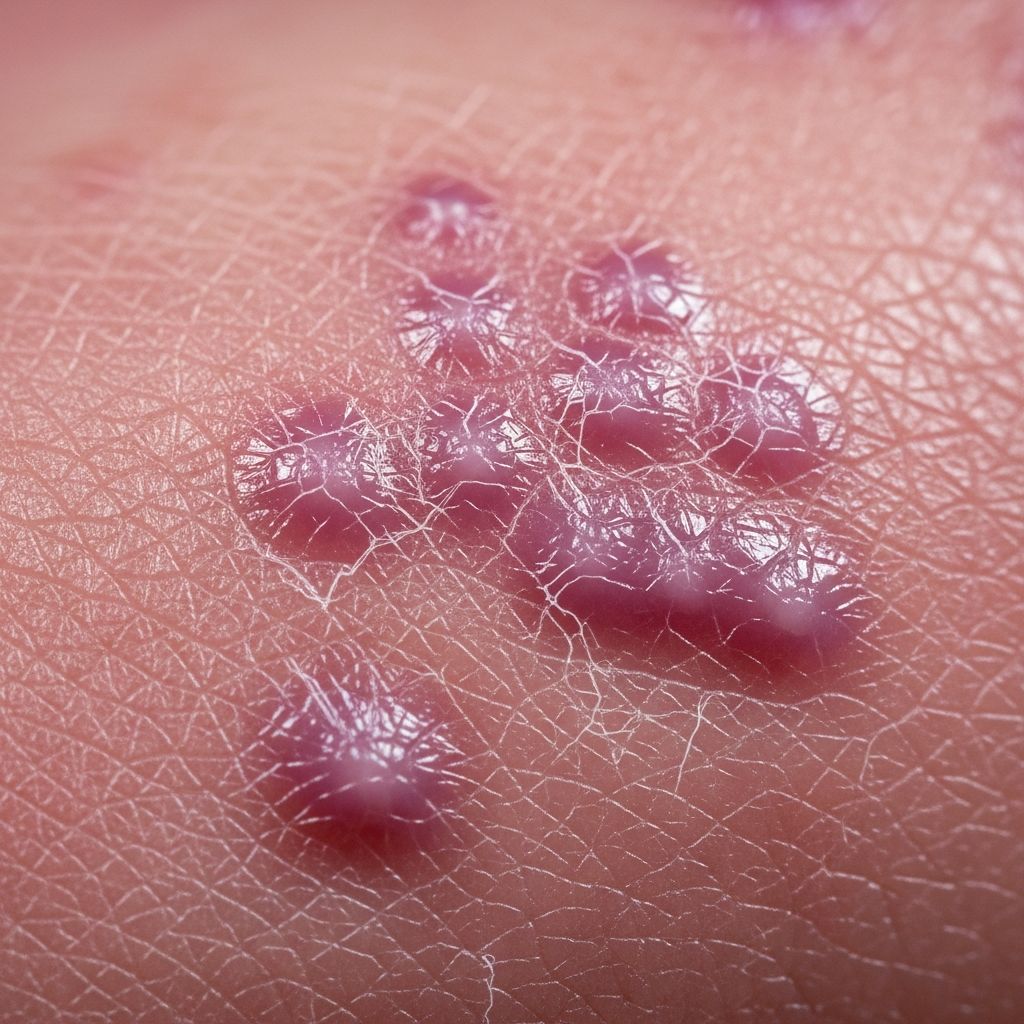
Lichen planus is a chronic inflammatory condition that affects the skin, hair, nails, and mucous membranes throughout the body. The condition presents as purplish, itchy, flat-topped bumps on the skin and can cause painful lesions in the mouth and other mucosal surfaces. While the exact cause remains unclear, research suggests that lichen planus results from an abnormal immune response in which the body’s immune system attacks cells of the skin or mucous membranes. The condition is not contagious and cannot be transmitted from person to person, making it safe for close contact with others. Lichen planus can develop gradually or suddenly, and early diagnosis combined with appropriate treatment is essential for managing symptoms and preventing complications.
Causes and Triggers of Lichen Planus
Although the precise etiology of lichen planus remains unknown, several factors have been identified as potential triggers for the condition. The primary mechanism appears to involve an abnormal immune response, but understanding these triggers can help individuals manage their condition more effectively.
Known Triggers and Risk Factors
Research has identified several factors that may activate or exacerbate lichen planus:
- Hepatitis C infection: A well-established association exists between hepatitis C and lichen planus development, with higher prevalence rates in infected individuals.
- Medications: Certain pain relievers and other pharmaceuticals have been linked to triggering lichen planus in susceptible individuals.
- Allergic reactions: Allergic reactions to metals, particularly nickel in dental fillings, can provoke lichen planus development.
- Stress: Emotional and psychological stress may trigger or worsen existing lichen planus lesions.
- Viral infections: Various viral infections beyond hepatitis C have been associated with lichen planus manifestation.
- Chemical exposure: Exposure to certain chemicals and environmental irritants may trigger the condition.
Symptoms and Clinical Presentation
Lichen planus manifests differently depending on which body areas are affected. Understanding the various presentations helps in early recognition and prompt treatment initiation.
Cutaneous Lichen Planus (Skin Manifestations)
On the skin, lichen planus typically appears as small, flat-topped, polygonal papules with a distinct purple or violet coloration. These lesions are characteristically intensely itchy and may develop a fine white pattern on the surface called Wickham’s striae. The lesions commonly appear on the inner wrists, forearms, legs, and genitals. Affected areas may gradually spread, and in some cases, new lesions form at sites of trauma or scratching.
Oral Lichen Planus
In the mouth, lichen planus can present as white lacy patterns, red patches, or erosive lesions that cause burning sensations and pain while eating. Oral manifestations may persist for several years and significantly impact quality of life through difficulty eating and speaking.
Other Manifestations
Lichen planopilaris affects hair follicles and can lead to permanent hair loss. Nail lichen planus causes thinning, splitting, and eventual nail destruction. Genital lichen planus presents with erosive lesions causing significant discomfort.
Diagnosis of Lichen Planus
Diagnosis of lichen planus typically involves clinical examination combined with dermoscopic or histopathological evaluation. Healthcare providers assess the characteristic appearance of lesions and may perform a skin biopsy to confirm the diagnosis microscopically. Distinguishing lichen planus from similar conditions such as lichen simplex chronicus and eczema is crucial for appropriate treatment planning. Patient history regarding potential triggers, including medications, infections, and allergic exposures, guides the diagnostic process and identifies modifiable risk factors.
Related Stories



Treatment and Management Options
While cutaneous lichen planus typically resolves spontaneously within one to two years, treatment aims to reduce itching (pruritus), alleviate pain, and accelerate healing. Treatment selection depends on disease severity, extent, location, and individual patient factors.
First-Line Treatments
Topical Corticosteroids: High-potency topical corticosteroids represent the gold standard first-line treatment for lichen planus. Superpotent steroids such as clobetasol 0.05% are typically applied twice daily for two to four weeks for limited disease. Response rates with high-potency topical steroids reach approximately 75 percent compared to placebo. These medications reduce inflammation, swelling, and itching while promoting healing.
Topical Calcineurin Inhibitors: For genital and oral lichen planus, particularly erosive forms, topical calcineurin inhibitors such as tacrolimus (Protopic) and pimecrolimus (Elidel) serve as effective second-line agents, especially when steroid side effects are a concern.
Systemic and Oral Treatments
For widespread lichen planus or severe localized disease unresponsive to topical therapy after six weeks, treatment escalation becomes necessary.
Oral Corticosteroids: A one- to three-month course of oral corticosteroids such as prednisone may be prescribed for extensive involvement or severe mucosal erosions.
Immunosuppressive Medications: For more severe symptoms resistant to corticosteroids, prescription medicines that modify immune response may be utilized. These include:
- Cyclosporine (Sandimmune)
- Azathioprine (Azasan)
- Methotrexate (Trexall)
- Mycophenolate (Cellcept)
- Sulfasalazine
- Thalidomide (Thalomid)
While these medications have demonstrated success in treating severe lichen planus, further research continues to refine their use and optimize outcomes.
Additional Therapeutic Options
Antihistamines: Oral antihistamines such as hydroxyzine (Vistaril) effectively control pruritus and reduce discomfort. These medications help manage the itching sensation that often significantly impacts quality of life.
Light Therapy (Phototherapy): Ultraviolet B (UVB) light therapy or PUVA therapy (psoralen plus UVA) may help clear lichen planus affecting the skin. Typical protocols involve exposing affected skin to ultraviolet B light two to three times weekly for several weeks. However, a potential side effect includes postinflammatory hyperpigmentation or lasting changes in skin color even after healing. In lichen planus actinicus, phototherapy should be avoided since these lesions are typically triggered by sun exposure.
Retinoids: Topical or oral retinoids such as retinoic acid may be recommended to promote skin cell turnover and reduce inflammation in certain cases.
Intralesional Injections: For hypertrophic or localized lesions, intralesional triamcinolone acetonide (Kenalog) injections at 5 to 10 mg per mL may be administered directly into affected areas.
Emerging and Investigational Therapies
Anecdotal success has been reported with long courses of specific antibiotics such as metronidazole and sulfasalazine. Antifungal agents like griseofulvin and JAK inhibitors show promise in select cases. For lichen planopilaris, pioglitazone and tetracyclines have demonstrated improvement. In oral lichen planus, limited evidence supports the use of apremilast, while successful treatment with TNF-alpha inhibitors such as adalimumab and tildrakizumab has been previously reported in isolated cases.
Self-Care and Symptom Management
Beyond medical treatments, several self-care strategies help alleviate symptoms and promote healing:
- Taking lukewarm baths with oatmeal-based bath products (such as Aveeno) and thoroughly rinsing before patting dry
- Applying cool, damp compresses to affected areas for temporary relief
- Using over-the-counter hydrocortisone cream (at least 1% concentration) when not using prescription corticosteroids
- Applying aloe vera gel to soothe irritated skin
- Avoiding spicy or acidic foods that may irritate oral lesions
- Eliminating alcohol and tobacco use, as these exacerbate symptoms
- Practicing sun protection and wearing sunscreen, particularly for sun-sensitive lichen planus variants
- Using appropriate mouthwashes and sprays for oral lichen planus to ease burning and soreness
Disease Prognosis and Natural History
Cutaneous lichen planus typically follows a self-limiting course, with most cases resolving spontaneously within one to two years. However, oral lichen planus may persist for several years, and some individuals experience recurrent episodes. The unpredictable nature of the condition necessitates ongoing monitoring and adaptive treatment strategies. Early intervention and appropriate management significantly improve outcomes and quality of life.
When to Seek Specialist Care
While primary care physicians can manage mild to moderate lichen planus, dermatology referral is warranted for patients with severe disease, particularly those requiring systemic therapy with acitretin or oral immunosuppressants. Specialists can perform detailed diagnostic evaluations, manage complex cases, and adjust treatments based on response and tolerability.
Frequently Asked Questions
Q: Is lichen planus contagious?
A: No, lichen planus is not contagious and cannot be transmitted from person to person through contact or any other means.
Q: Can lichen planus resolve on its own?
A: Yes, cutaneous lichen planus often resolves spontaneously within months to a couple of years. However, treatment can help manage symptoms and speed up recovery. Oral lichen planus may persist longer.
Q: What is the most common first-line treatment?
A: High-potency topical corticosteroids are the most common and recommended first-line treatment for lichen planus, with response rates around 75 percent.
Q: Are there any side effects from corticosteroid treatments?
A: Side effects vary depending on the method of use, duration, and potency. Corticosteroids are generally safe when used as directed by healthcare providers. Long-term use may require monitoring.
Q: What should I avoid if I have oral lichen planus?
A: Avoid spicy and acidic foods, alcohol, and tobacco products, as these can exacerbate oral lichen planus symptoms and delay healing.
Q: Can light therapy be used for all types of lichen planus?
A: Light therapy can be effective for many cases, but it should be avoided in lichen planus actinicus since these lesions are triggered by sun exposure.
References
- Lichen Planus: Diagnosis and Treatment — Mayo Clinic. 2024. https://www.mayoclinic.org/diseases-conditions/lichen-planus/diagnosis-treatment/drc-20351383
- Lichen Planus — StatPearls, NCBI Bookshelf. National Center for Biotechnology Information. 2024. https://www.ncbi.nlm.nih.gov/books/NBK526126/
- Diagnosis and Treatment of Lichen Planus — American Academy of Family Physicians (AAFP). 2011-07-01. https://www.aafp.org/pubs/afp/issues/2011/0701/p53.html
- Lichen Planus: Symptoms and Causes — Mayo Clinic. 2024. https://www.mayoclinic.org/diseases-conditions/lichen-planus/symptoms-causes/syc-20351378
- Lichen Planus: What It Is, Causes, Types & Treatments — Cleveland Clinic. 2024. https://my.clevelandclinic.org/health/diseases/17723-lichen-planus
- Lichen Planus: Symptoms, Types, and Treatment — DermNet NZ. 2024. https://dermnetnz.org/topics/lichen-planus
Similar Articles








Read full bio of Sneha Tete