Lichen Sclerosus In Men: Essential Guide For 2025
Comprehensive guide to lichen sclerosus in men: causes, symptoms, diagnosis, treatment, and long-term management strategies.
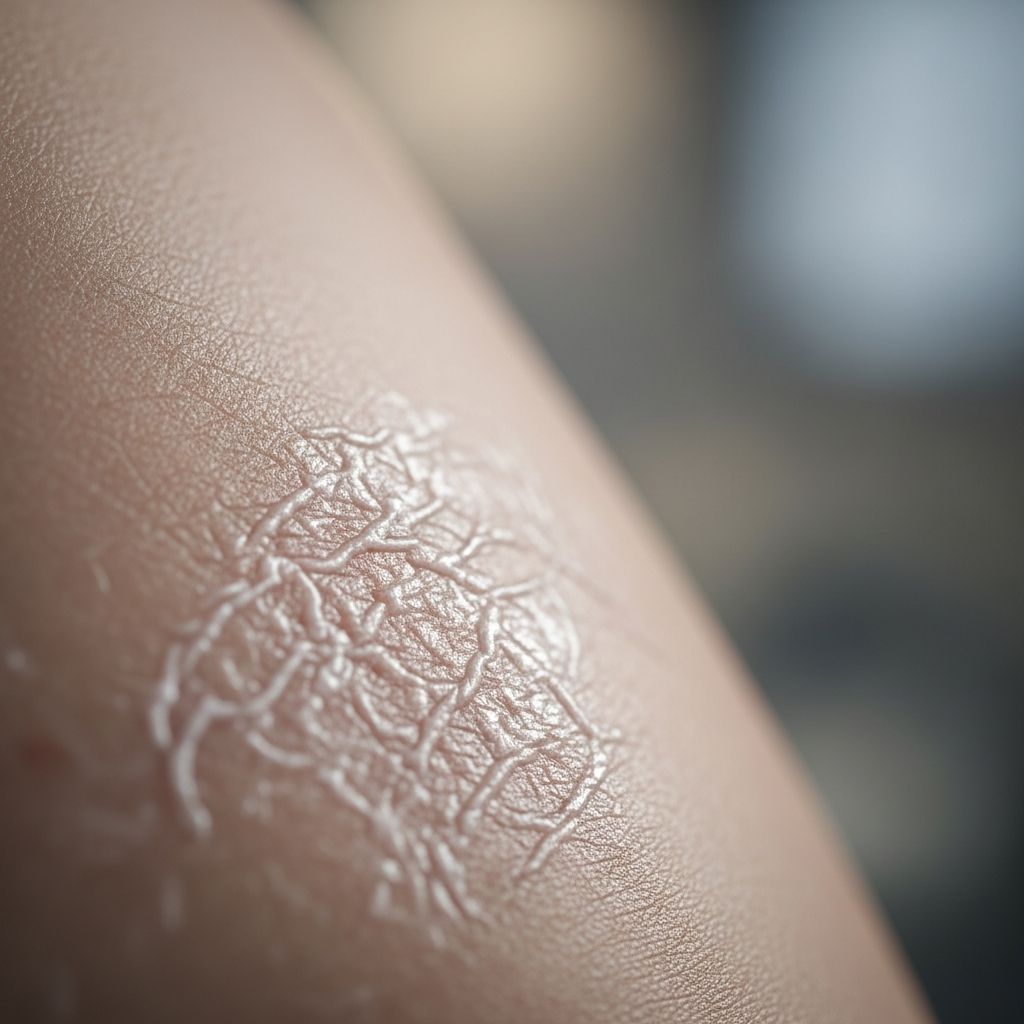
Lichen sclerosus is an uncommon chronic inflammatory dermatosis primarily affecting the genitalia in uncircumcised men, involving the glans penis and prepuce, with potential complications like phimosis and increased penile cancer risk. Medical treatment cures 60-70% of cases long-term, while circumcision is curative for the rest, significantly reducing urethral and cancer risks.
Introduction
Lichen sclerosus (LS), also known as balanitis xerotica obliterans (BXO) in men, is a fibrosing inflammatory condition that leads to scarring and functional impairments in the male genital area. It predominantly affects uncircumcised males, causing white, atrophic patches on the glans and foreskin, which can progress to phimosis, meatal stenosis, and urethral strictures if untreated. The condition is chronic and requires ongoing management to prevent sexual dysfunction, urinary issues, and malignancy.
Early diagnosis and intervention are crucial, as aggressive treatment can halt progression and restore normal function. While perianal and extragenital LS occur less frequently in men compared to women, genital involvement dominates clinical presentations.
Demographics
Male genital lichen sclerosus (MGLS) affects males of all ages but is most common in uncircumcised boys and men. It can present in infancy, with a peak in middle age, and is rare in circumcised individuals from birth. The condition is more prevalent in those with a history of urinary dribbling or post-surgical trauma. Associations exist with autoimmune conditions like thyroid disease and diabetes, though less strongly than in females, and atopic disorders such as eczema.
- Primarily uncircumcised males
- Bimodal age distribution: children and middle-aged adults
- Risk factors: obesity, hypospadias, trauma, chronic inflammation
Causes
The exact etiology of lichen sclerosus remains unknown, but it is not primarily autoimmune as once thought. Key factors include chronic irritation from trapped urine under the foreskin, occlusion, and epithelial susceptibility to injury. Genetic predisposition, chronic infections, and trauma (Koebner phenomenon) contribute. Urine’s irritant effects interact with pathogenic elements like chronicity and occlusion.
Unlike in women, male LS is rarely linked to hormonal imbalances but shares inflammatory pathways. It does not occur in neonatally circumcised men, underscoring the role of foreskin presence.
Clinical Features
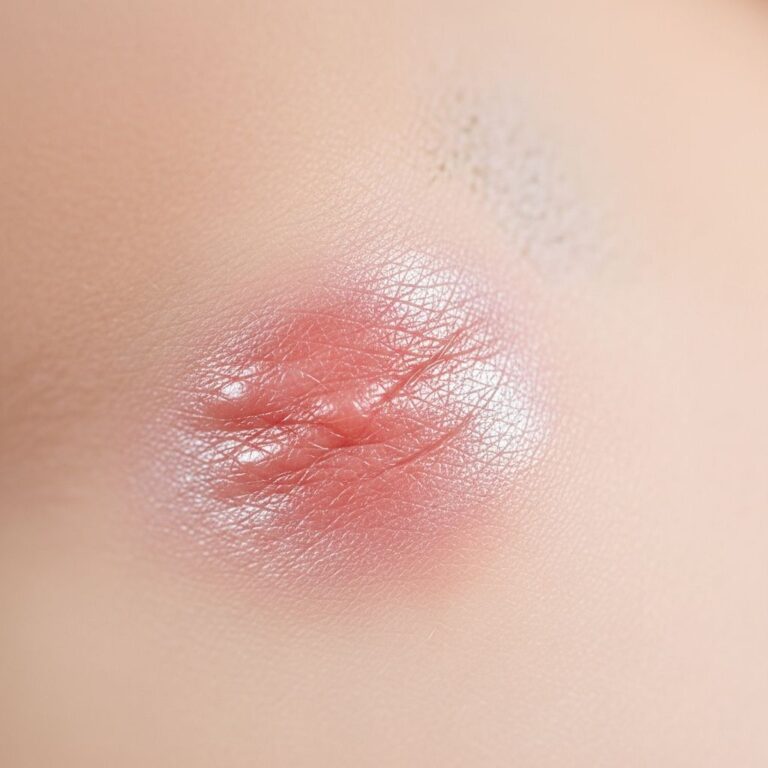
Early LS may be asymptomatic or subtle, with skin discoloration, red/purple spots, or visible capillaries. Progression leads to porcelain-white, shiny, atrophic patches on the glans, prepuce, and frenulum. Symptoms include itching, burning, soreness, painful erections, dyspareunia, and urinary issues.
- Itching and burning: Most common, worsens with friction
- Phimosis: Inability to retract foreskin due to hardening
- Fissures and bleeding: From tearing during intercourse or erections
- Urinary symptoms: Poor stream, dribbling, dysuria from meatal stenosis
- Sexual dysfunction: Painful erections, decreased sensation
Skin changes: Hypopigmented, wrinkled plaques with telangiectasia; foreskin becomes inelastic.
Complications
Untreated LS causes significant morbidity: phimosis (95% of cases), paraphimosis, buried penis, urethral strictures (leading to urinary retention and kidney damage), and sexual dysfunction. Critically, it increases penile squamous cell carcinoma (SCC) risk by 4-6%, including carcinoma in situ (CIS).
Related Stories



| Complication | Description | Risk if Untreated |
|---|---|---|
| Phimosis/Meatal Stenosis | Narrowing of foreskin/meatus | High (common early) |
| Urethral Stricture | Urethral narrowing | Moderate, progressive |
| Penile Cancer | SCC or CIS | 4-6% lifetime risk |
| Sexual/Urological Dysfunction | Pain, obstruction | Very high |
Circumcision reduces but does not eliminate cancer risk; lifelong surveillance is needed.
Diagnosis
Diagnosis is primarily clinical, based on characteristic white patches, atrophy, and symptoms in uncircumcised men. Biopsy confirms via epidermal atrophy, dermal hyalinization, and lymphocytic infiltrate if atypical features (e.g., ulceration suggesting malignancy) are present. Rule out infections (Candida, HSV) and differentials like psoriasis, lichen planus, or Zoon balanitis.
- Clinical exam: Key for 90% cases
- Biopsy: For suspicion of SCC or equivocal cases
- No routine labs needed unless autoimmune screen
Differential Diagnoses
LS must be distinguished from other genital dermatoses:
- Lichen planus: Purple, polygonal papules
- Psoriasis: Well-demarcated plaques
- Zoon balanitis: Glossy red patches
- Candidiasis: Erythema, discharge
- Penile intraepithelial neoplasia: Risk of progression to SCC
Histology differentiates reliably.
Treatment
The mainstay is topical ultrapotent corticosteroids (e.g., clobetasol propionate 0.05%) applied twice daily for 1 month, then tapered to maintenance. This halts inflammation, softens skin, and prevents progression in 60-70% of cases. General measures: emollients, hygiene, avoid irritants.
For steroid failures or complications:
- Circumcision: Curative for foreskin disease; indicated for phimosis
- Meatotomy/urethroplasty: For stenosis/strictures
- Calcineurin inhibitors: Tacrolimus (second-line, cancer risk concern)
- Injection therapy: Emerging for mild-moderate cases using autologous blood factors
Steroids are safe on genitals under supervision; monitor for thinning. Prophylactic aciclovir for HSV history.
Outcome
With early aggressive treatment, most men achieve long-term remission. Medical therapy succeeds in 60-70%; surgery cures the rest but requires surveillance for urethral involvement or cancer (risk never zero). Lifelong self-exam and follow-up (1-2x/year) essential. Untreated, it progresses to scarring and malignancy.
Frequently Asked Questions (FAQs)
Q: Is lichen sclerosus curable in men?
A: Yes, 60-70% achieve long-term cure with topical steroids; circumcision cures the remainder, though monitoring continues.
Q: Does circumcision prevent lichen sclerosus?
A: Neonatal circumcision prevents it entirely; therapeutic circumcision treats but does not guarantee against recurrence on glans/urethra.
Q: What is the cancer risk with lichen sclerosus?
A: Increased 4-6% lifetime risk of penile SCC; regular self-exam and follow-up mitigate this.
Q: Are topical steroids safe for genital use?
A: Yes, ultrapotent ones like clobetasol are first-line and safe short-term under dermatologist guidance; monitor for side effects.
Q: Can lichen sclerosus affect urination?
A: Yes, via phimosis, meatal stenosis, or strictures causing poor stream, dribbling, or retention.
Q: Is lichen sclerosus contagious?
A: No, it is not infectious; causes involve irritation, genetics, and inflammation.
References
- Male Genital Lichen Sclerosus — Kizer WS et al. Indian J Dermatol. 2015-03-01. https://pmc.ncbi.nlm.nih.gov/articles/PMC4372901/
- Penile Lichen Sclerosus (BXO) Treatment — Precision Clinic Kelowna. 2023. https://precisionclinickelowna.ca/penile-lichen-sclerosus/
- Lichen sclerosus in males — British Association of Dermatologists. 2024. https://www.skinhealthinfo.org.uk/condition/lichen-sclerosus-in-males/
- Lichen Sclerosus – Male Skin Disorder — Urology Specialists Austin. 2023. https://urologyspecialistsaustin.com/mens-health/lichen-sclerosus/
- Lichen sclerosus – Diagnosis and treatment — Mayo Clinic. 2024-01-15. https://www.mayoclinic.org/diseases-conditions/lichen-sclerosus/diagnosis-treatment/drc-20374452
- Lichen Sclerosus in Men — DermNet NZ. 2024. https://dermnetnz.org/topics/lichen-sclerosus-in-men
- Lichen Sclerosus: Causes, Symptoms, Diagnosis & Treatment — Cleveland Clinic. 2024-05-20. https://my.clevelandclinic.org/health/diseases/16564-lichen-sclerosus
Similar Articles








Read full bio of Sneha Tete