Lichen Sclerosus: Symptoms, Diagnosis, And Treatment Guide
Comprehensive guide to lichen sclerosus: symptoms, causes, diagnosis, treatment, and management strategies for this chronic skin condition.
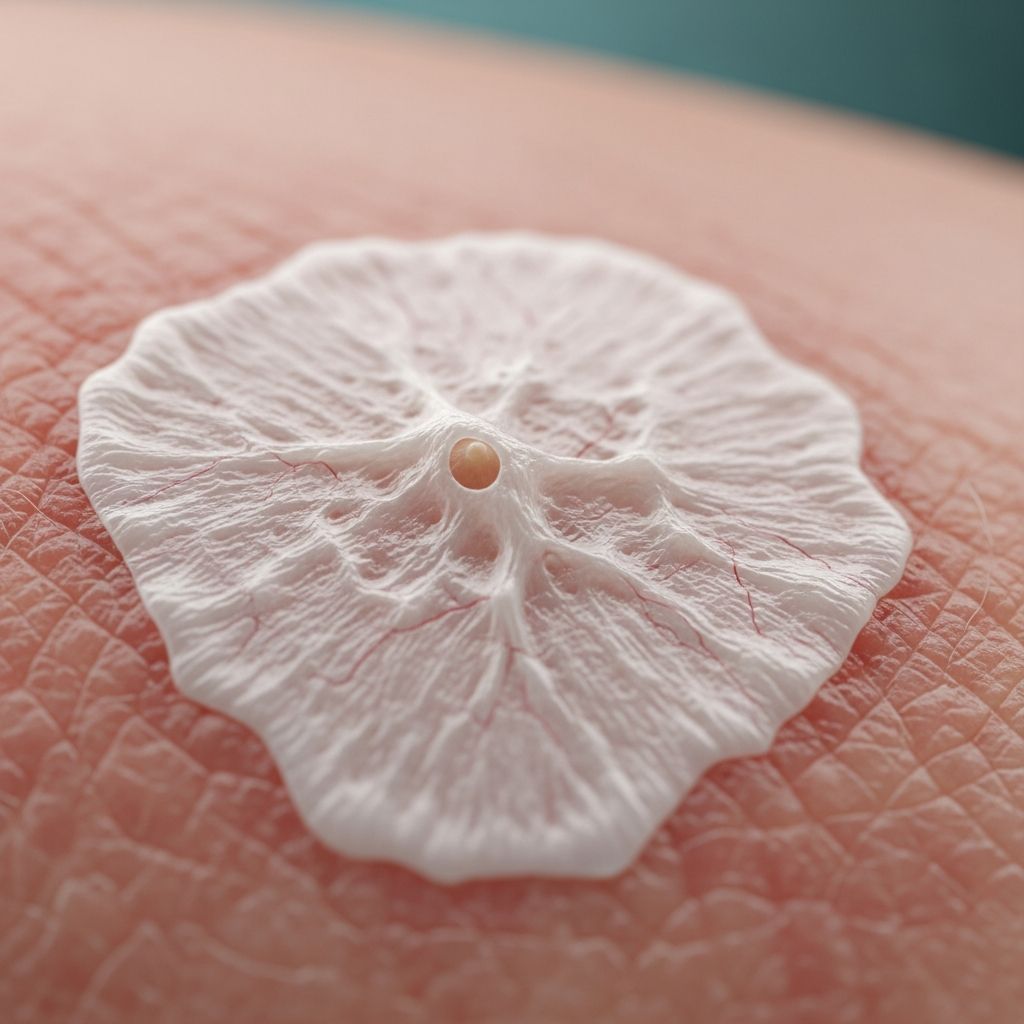
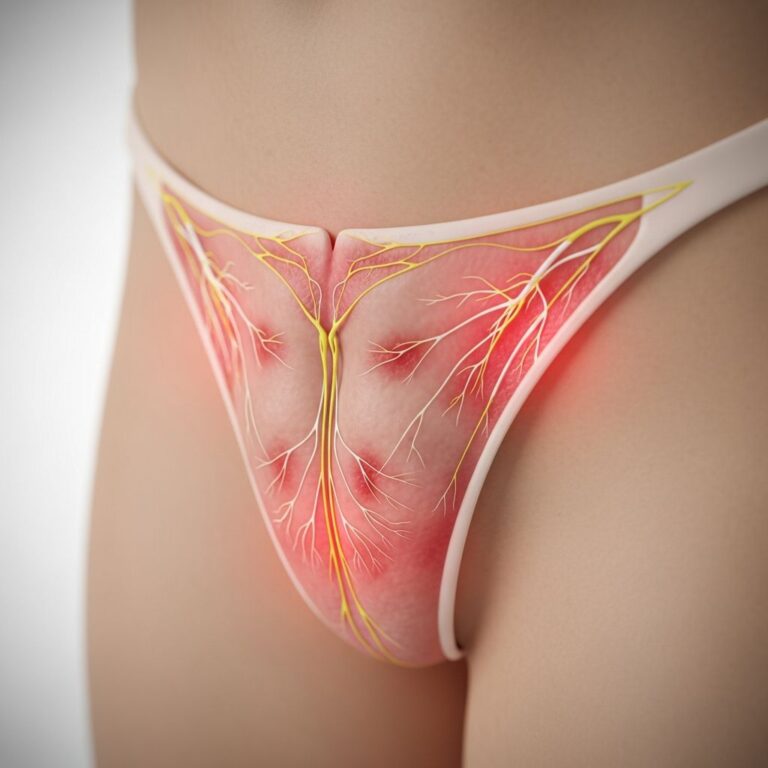
Lichen sclerosus is a chronic inflammatory dermatosis primarily affecting the anogenital skin, characterized by white, atrophic plaques that cause itching, pain, and potential scarring. It predominantly impacts the vulva in women, the glans penis and foreskin in men, and can occur extragenitally. Without treatment, it leads to architectural changes, functional impairment, and increased risk of squamous cell carcinoma.
What is Lichen Sclerosus?
Lichen sclerosus (LS), also known as lichen sclerosus et atrophicus or balanitis xerotica obliterans (BXO) in men, is a mucocutaneous disorder featuring epidermal atrophy, dermal homogenization, and inflammation. It affects approximately 1 in 300 to 1 in 1000 postmenopausal women, with bimodal peaks in prepubertal girls and postmenopausal women, and uncircumcised men. The condition is lifelong, requiring ongoing management to prevent complications like dyspareunia, dysuria, and malignancy.
Histologically, LS shows hyperkeratosis, epidermal thinning, and hyalinized collagen in the upper dermis with a lichenoid lymphocytic infiltrate. Early lesions may exhibit spongiosis or eosinophils, complicating diagnosis.
Who Gets Lichen Sclerosus?
LS affects all age groups but is most common in females (10:1 ratio over males). In women, 85-95% of cases involve the vulva; in men, it targets the glans and prepuce. Extragenital involvement occurs in 6-20% of cases, often on the neck, shoulders, or trunk. Risk factors include autoimmune diseases (e.g., thyroiditis in 30% of cases), family history, and genetic predisposition linked to HLA class II alleles.
- Women: Postmenopausal (peak incidence); prepubertal girls.
- Men: Middle-aged uncircumcised males; synonymous with BXO.
- Children: 10-15% of pediatric cases; often regresses post-puberty but requires monitoring.
- Extragenital: Symmetric ‘keyhole’ distribution around anus and vulva; morphea-like plaques elsewhere.
What Causes Lichen Sclerosus?
The exact etiology remains unknown, but evidence supports an autoimmune basis in genetically susceptible individuals. Associated with other autoimmune conditions like vitiligo, alopecia areata, and thyroid disease. Trauma (Koebner phenomenon), infections (e.g., Borrelia controversially), and hormonal factors may trigger onset. Oxidative stress and chronic occlusion contribute to fibrosis.
| Proposed Factors | Evidence |
|---|---|
| Autoimmune | Antibodies to extracellular matrix protein 1 (ECM-1); HLA-DQ7 association |
| Genetic | Familial clustering; twin studies |
| Trauma/Infection | Koebnerization; possible Borrelia role |
| Hormonal | Less supported; not purely estrogen-dependent |
What are the Signs and Symptoms of Lichen Sclerosus?
Symptoms vary by site and severity. Pruritus is hallmark, worse at night, leading to excoriations. Pain arises from fissures, erosions, or scarring.
Vulval Lichen Sclerosus in Women
- Itchy, sore white plaques on labia minora, clitoris hood, perineum.
- Loss of labial architecture; clitoral burial; introital narrowing.
- Dyspareunia, dysuria, constipation from anal stenosis.
Penile Lichen Sclerosus in Men
- White ring on prepuce; phimosis; meatal stenosis.
- Painful erections, dysuria; risk of urethral stricture.
Perianal and Extragenital
- Figure-of-eight or keyhole pattern.
- Extragenital: Hypopigmented patches, less symptomatic.
Complications: Scarring, squamous cell carcinoma (4-6% lifetime risk in genital LS).
Related Stories



Diagnosis of Lichen Sclerosus
Clinical diagnosis suffices in classic cases: porcelain-white papules/plaques with follicular plugging, telangiectasia, purpura. Biopsy confirms if atypical, ulcerated, or unresponsive (shows atrophy, sclerosis). Dermoscopy reveals ‘coma’ vessels. Rule out differentials: lichen planus, morphea, candidiasis, VIN/PaIN.
- Indications for biopsy: Hyperkeratotic/ulcerated lesions; treatment failure; suspected malignancy.
Treatment of Lichen Sclerosus
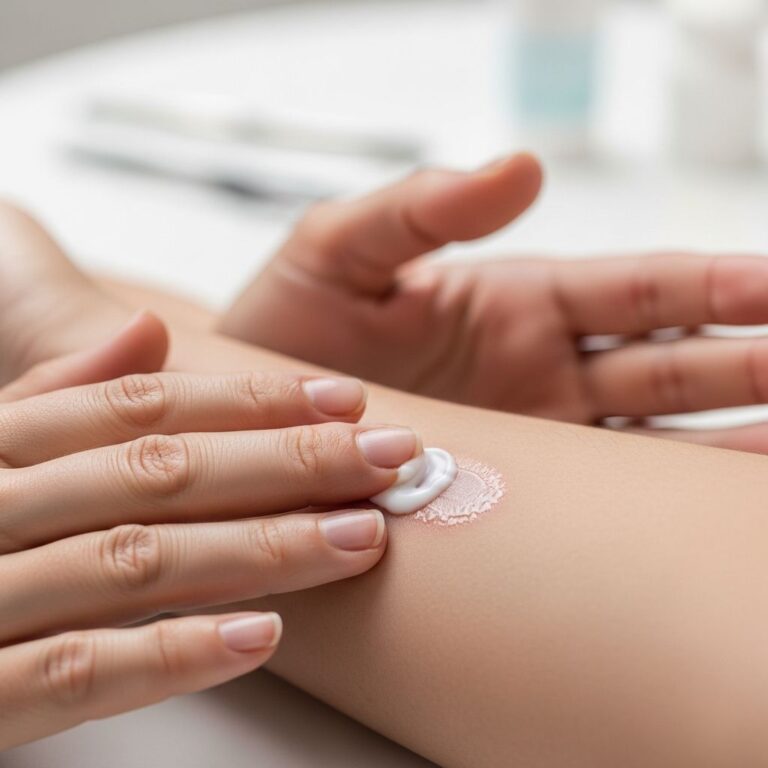
First-line: Ultrapotent topical corticosteroids (e.g., clobetasol propionate 0.05% ointment) for 12 weeks, then maintenance. Aims: Symptom relief, halt progression, prevent scarring.
| Treatment | Regimen | Evidence |
|---|---|---|
| Topical Steroids | Daily x4wks, alternate x4wks, twice weekly x4wks; then suppressive | |
| Calcineurin Inhibitors | Tacrolimus/pimecrolimus for steroid failures | |
| Surgery | Circumcision for phimosis; vulval reconstruction rare | |
| Other | Retinoids, laser, immunosuppressants |
General measures: Emollients, avoid irritants, treat infections, incontinence management. Monitor 6-12 monthly; self-exam for malignancy.
Complications of Lichen Sclerosus
- Functional: Dyspareunia (60-80%), dysuria, constipation.
- Malignant: 2-7.5% risk of squamous cell carcinoma.
- Scarring: Vulval fusion, penile meatal stenosis.
Prevention of Lichen Sclerosus
No proven prevention; early treatment averts progression. Lifestyle: Loose clothing, gentle cleansing, barrier creams for incontinence.
Outlook for Lichen Sclerosus
With compliance, 80-90% achieve remission; relapse common on cessation. Lifelong surveillance needed due to cancer risk.
Frequently Asked Questions
Q: Is lichen sclerosus an autoimmune disease?
A: Yes, strong evidence links it to autoimmunity, with associations to thyroid disease and ECM-1 antibodies.
Q: Can lichen sclerosus be cured?
A: No cure exists; it’s chronic, but symptoms are manageable with topical steroids and maintenance therapy.
Q: Does lichen sclerosus cause cancer?
A: It increases risk of squamous cell carcinoma (4-6%); regular monitoring is essential.
Q: Is circumcision effective for men?
A: Yes, curative in many phimosis cases, preventing progression.
Q: Can children outgrow it?
A: Often regresses post-puberty, but treat to prevent scarring.
References
- Diagnosis and Treatment of Lichen Sclerosus: An Update — PMC – NIH. 2013-07-01. https://pmc.ncbi.nlm.nih.gov/articles/PMC3691475/
- Lichen Sclerosus: Causes, Symptoms, Diagnosis & Treatment — Cleveland Clinic. 2023-11-15. https://my.clevelandclinic.org/health/diseases/16564-lichen-sclerosus
- Lichen sclerosus – Diagnosis and treatment — Mayo Clinic. 2024-05-10. https://www.mayoclinic.org/diseases-conditions/lichen-sclerosus/diagnosis-treatment/drc-20374452
- Lichen Sclerosus — UT Southwestern Medical Center. 2024-01-20. https://utswmed.org/conditions-treatments/lichen-sclerosus/
- Lichen sclerosus – Symptoms and causes — Mayo Clinic. 2024-05-10. https://www.mayoclinic.org/diseases-conditions/lichen-sclerosus/symptoms-causes/syc-20374448
Similar Articles








Read full bio of medha deb